The art of feng shui in interior arrangement for prosperity

Living spaces are where we paint the colors of happiness and prosperity. The ancient art of feng shui is a delicate brush in the hands of an artist, harmonizing energy and balancing elements to arrange and decorate our homes. It’s not merely about placing a chair in a corner or hanging a painting on a wall; it’s about creating a flow of positive energy, an open space welcoming luck and prosperity.

This article takes you on a deep exploration of feng shui in interior design, from selecting the sofa’s placement to the wall colors. Every decision holds significant meaning in creating a harmonious and vibrant living space. Together, we’ll discover how each choice contributes to bringing fortune and prosperity to your home.

The ancient art of feng shui is a combination of harmonious energy and balanced elements.

Furniture arrangement

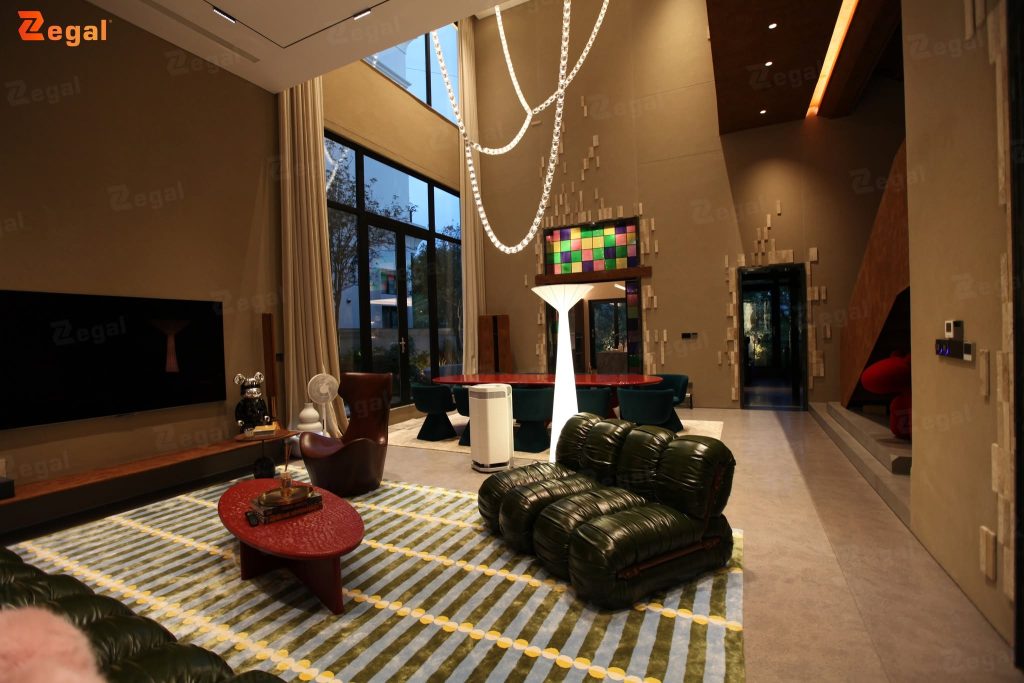
Each item in the house is not just a decorative piece but also an energy focal point. Arranging them skillfully according to feng shui principles creates a resonating melody, a harmonious energy flow that attracts luck and prosperity into our lives.

Each item in the house is not just a decorative piece but also an energy focal point.

Interior colors

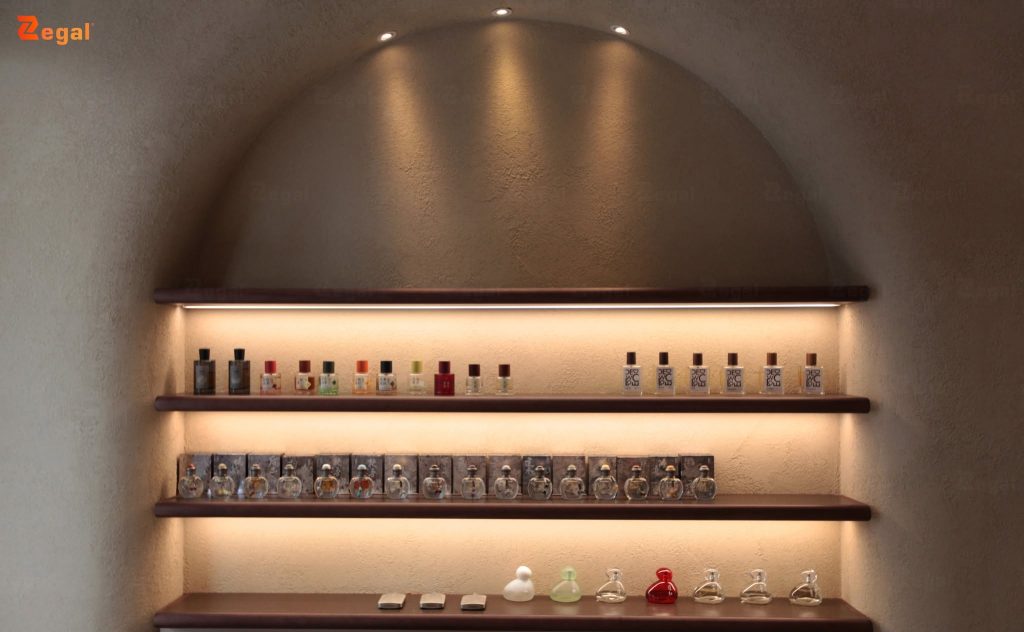
Colors in feng shui are not merely for aesthetics. They are like threads weaving destiny, with each color linked to an element, a planet, and an energy. Their harmonious combination can bring balance, creating a vibrant canvas of life where every shade has its place and value.

A harmonious combination of colors can bring balance.

Orientation and furniture placement

The orientation of the house and the placement of each room and item are viewed as coordinates on a map of destiny. Feng shui helps us understand how orientation and placement influence energy flow, guiding us to adjust and optimize harmony and attract good fortune.

The five elements

The five elements – Wood, Fire, Earth, Metal, and Water – form the universe’s foundation. In interiors, balancing these elements creates a symphony of creation, where each element is maximized, crafting a vibrant and harmonious space.

Conclusion

Feng shui is not just part of ancient tradition; it’s part of modernity, a key to unlocking happiness and prosperity. Applying feng shui principles in living spaces creates not just a beautiful house but an energetic home—a space where every moment becomes precious, and every step leads to fortune and prosperity.

As we conclude our journey into the art of feng shui in interiors, we create not just an aesthetically pleasing space but one brimming with positive energy. Every choice—from shapes and colors to the placement of objects—is a step on the path to luck and prosperity. Feng shui is not merely a tradition but an essential aspect of modern living, helping us craft a home that is not just a shelter but a source of energy, a vibrant space where every moment is treasured.

For consultation, please contact Zegal Việt Nam using the information below:

Zegal Hanoi

112 Vo Chi Cong, Nghia Do Ward, Cau Giay District, Hanoi

Zegal Ho Chi Minh

319-C9 Ly Thuong Kiet, Ward 15, District 11, HCMC

Hotline: +84969 14 6688
Giải pháp facade mặt dựng hiện đại được ứng dụng cho các công trình thương mại.

What is a building facade? Structure, functions, and trends

The facade is a key element in defining a building’s appearance. Beyond protecting the interior space, it helps shape the architectural style and enhances aesthetic appeal. Today, facade solutions offer an increasingly diverse range of materials, colors, and forms. From glass, aluminum, and metal to translucent materials, architects have a wide array of options to

Xem thêm
Trần gương kết hợp ánh sáng tạo hiệu ứng phản chiếu, mang đến chiều sâu và trải nghiệm thị giác cho không gian. 

Mirror Panels and the Trend of Designing Experiential Spaces

In modern architecture, aesthetic appeal is no longer the sole factor defining value. Buildings are increasingly designed to create “experiential spaces”—environments where light, materials, and forms converge to shape the user’s emotional response. Within this trend, mirrored ceilings have emerged as a compelling solution, thanks to their ability to reflect light, visually expand the sense

Xem thêm

Why Does Zegal Require Technical Drawings First?

Each project has unique characteristics regarding structure, ceiling height, and installation conditions; therefore, a one-size-fits-all formula cannot be applied to every stretch ceiling system. Before proposing a solution, Zegal requires technical drawings to fully understand the site conditions and specific project requirements. These drawings enable the technical team to determine dimensions, shapes, and installation locations.

Xem thêm
Thiết kế trần xuyên sáng tạo điểm nhấn kiến trúc cho showroom thiết bị vệ sinh hiện đại.

The benefits of stretch ceilings in bathroom interior display spaces

In bathroom fixture showrooms, lighting serves not only to illuminate the area but also to shape how customers perceive the products. Fixtures such as washbasins, toilets, showers, and accessories often feature highly reflective surfaces made of porcelain, glass, stone, or metal. Poor lighting placement can cause glare, detracting from the products’ inherent beauty. This is

Xem thêm
Vách xuyên sáng Barrisol tạo bề mặt phát sáng đồng đều trong không gian nội thất.

What is a translucent ceiling? Configuration, key features, and applications for 2026.

1. What is a translucent wall? A translucent wall is a decorative wall system that utilizes a light-transmitting Barrisol stretch membrane, combined with an aluminum framing system and rear-mounted LED lighting to create a uniformly illuminated surface. Beyond merely serving as a space-dividing partition, the translucent wall acts as an architectural light source, enhancing both

Xem thêm
.
SpinMama