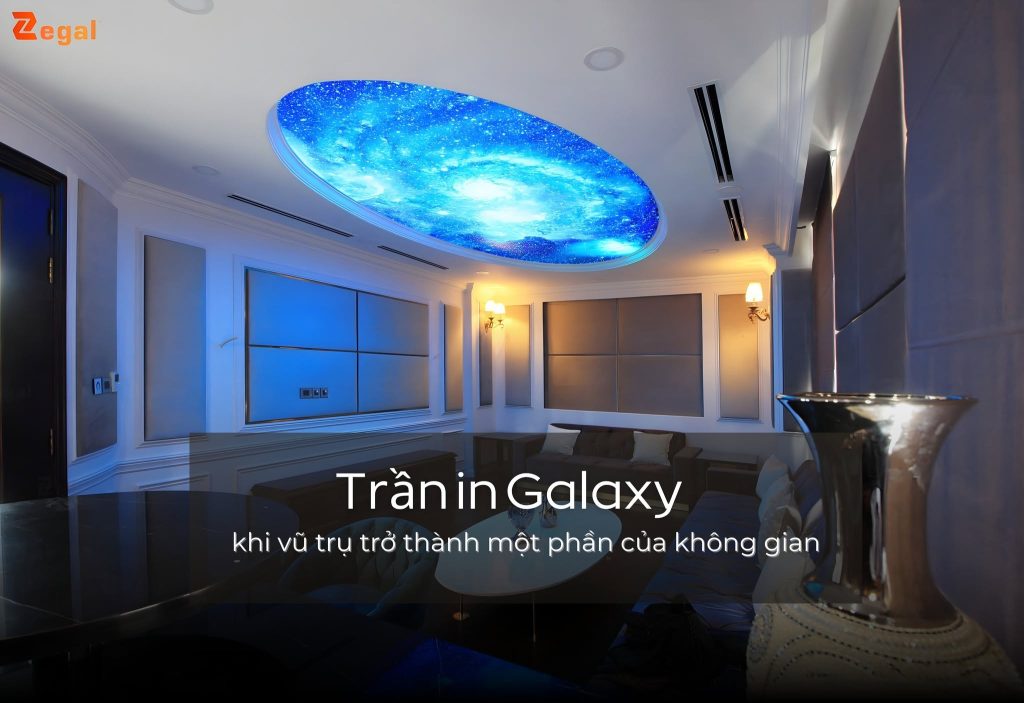


In modern architectural design, lighting serves not only a functional purpose but also plays a key role in shaping the aesthetic of a space. When it comes to translucent ceiling systems, the choice of light source directly impacts light uniformity, color quality, and the overall lighting effect. LED strips have emerged as a popular solution for these systems, thanks to their flexible layout options and ease of customization to suit specific architectural designs.
So, what are the advantages of LED strips? Why are they an ideal choice for modern translucent ceiling systems? Let’s explore this with Zegal in the article below.
1. What are LED strips? Their role in translucent ceiling systems
LED strips are lighting systems consisting of LEDs arranged in a linear format—such as a cord or ribbon—typically installed on a surface or within a technical mounting frame. Depending on the specific product configuration, LED strips can provide white light, adjustable color temperatures, or various other color effects.
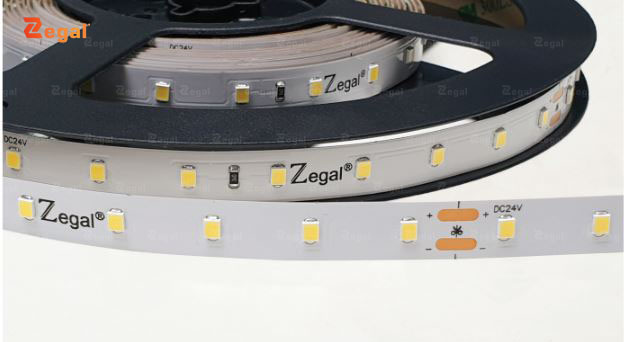
In a translucent ceiling system, LED strips are typically positioned behind the light-diffusing membrane. Light passes through the membrane surface, creating a broad, luminous ceiling effect. Consequently, the ceiling serves not only as an architectural finish but also as an integral part of the lighting system.
The actual outcome depends on several factors; specifically, the type of translucent membrane, the distance between the light source and the membrane, LED density, and system wattage must all be carefully calculated.
2. Why choose LED strips for translucent ceiling systems?
2.1. Facilitates uniform light distribution
A key requirement for translucent ceilings is the creation of a harmonious, luminous surface. Improper light source placement can result in uneven brightness—such as dark spots or visible LED hotspots—on the ceiling surface. LED strips allow for flexible arrangement according to specific design configurations. When combined with appropriate installation spacing, LED density, and membrane materials, the system can achieve a more uniform lighting effect.
This is particularly important for reception areas, showrooms, offices, and large-scale spaces utilizing translucent ceilings.
2.2. Flexibility in design and installation
Unlike light sources with fixed shapes, LED strips offer the advantage of being arranged in straight lines or various other configurations. This gives designers greater flexibility when implementing ceiling systems with unique shapes, dimensions, and specific lighting requirements.
Depending on the project’s characteristics, LED strips can be arranged in parallel rows or according to a pre-calculated technical plan. The arrangement of the light sources must align with the ceiling’s shape, the illuminated surface area, and actual lighting requirements. As a result, translucent ceiling systems can be applied across various architectural styles, ranging from minimalist to modern and high-end.
2.3. Customizing color and spatial atmosphere
Color temperature significantly influences how a space is perceived by its users. Warm white light often creates a sense of intimacy, whereas neutral or cool white light is well-suited for spaces requiring a modern aesthetic.
Depending on the specific LED strip and controller, the system may utilize a fixed color temperature or support adjustable color temperatures. Some configurations also allow for brightness adjustments to meet various usage needs.
When using translucent ceiling systems, the choice of light color must be considered alongside the color of the ceiling membrane, interior materials, and the intended use of the space. Proper coordination ensures a cohesive visual effect.
2.4. Optimizing configurations for specific projects
Each project has unique lighting requirements. A translucent ceiling in a living room does not necessarily require the same configuration as one in a showroom or hotel lobby. LED strips allow for configurations tailored to power output, LED density, color temperature, and layout design. This enables designers to strike a balance between lighting performance, aesthetic requirements, and investment budget.
However, LED selection should not be based solely on power output or cost. A suitable system requires calculations that account for the ceiling area, membrane characteristics, and actual installation conditions.
2.5. Enhanced ease of maintenance
A well-designed lighting system must account for future inspection and repair needs. With LED strips, strategic placement and logical zoning of lighting areas can facilitate the maintenance process.
If a section of the system malfunctions, the scope of inspection can be isolated based on the electrical configuration and actual wiring layout, making it easier for technicians to identify the cause.
Nevertheless, the ability to replace individual LED segments depends on circuit design, power supply units, wiring methods, and accessibility to the technical cavity. Therefore, maintenance requirements should be factored in right from the design stage. 3. Factors determining the light quality of LED strips
Selecting the right LED strip is a crucial step, but it is not enough on its own to guarantee the quality of the entire translucent ceiling system. The final outcome depends on the coordination between the light source, the material, and the installation structure.
3. Factors determining the light quality of LED strips
Selecting the right LED strip is a crucial step, but it is not enough to guarantee the quality of the entire stretch ceiling system. The final outcome depends on the coordination between the light source, materials, and installation structure.
3.1. LED density and spacing
LED density affects how light is distributed across the membrane surface. The spacing between LED strips also determines the degree of light overlap as it passes through the translucent material. If the light sources are spaced too widely or the distance between the LEDs and the membrane is inappropriate, uneven bright spots may appear on the ceiling surface. Therefore, the configuration must be determined based on the specific material sample and actual site conditions.
3.2. Quality of the translucent sheet
The translucent sheet is the component that directly defines the ceiling’s appearance. The membrane’s light transmission, color, and surface characteristics all influence the final effect. Even a high-quality LED system can yield unsatisfactory results if the membrane is incompatible with the lighting configuration. Consequently, the LEDs and the translucent sheet should be selected as integrated components of a single solution.
3.3. Power output and LED power supply
The power output must meet the project’s lighting requirements while remaining compatible with heat dissipation and operational conditions. The power supply unit must also match the LED specifications and the chosen control method. Selecting appropriate equipment ensures more stable system operation. Additionally, the power supply should be positioned to allow for convenient inspection and maintenance.
3.4. Light adjustability
For multi-purpose spaces, the ability to adjust brightness or color temperature can enhance the versatility of the environment. However, this feature requires synchronized support from the LED strip, power supply, and controller. Identifying requirements at the outset helps avoid the costs associated with changing equipment during installation.
4. Application of LED strips in translucent ceiling systems
4.1. Translucent ceilings for living rooms
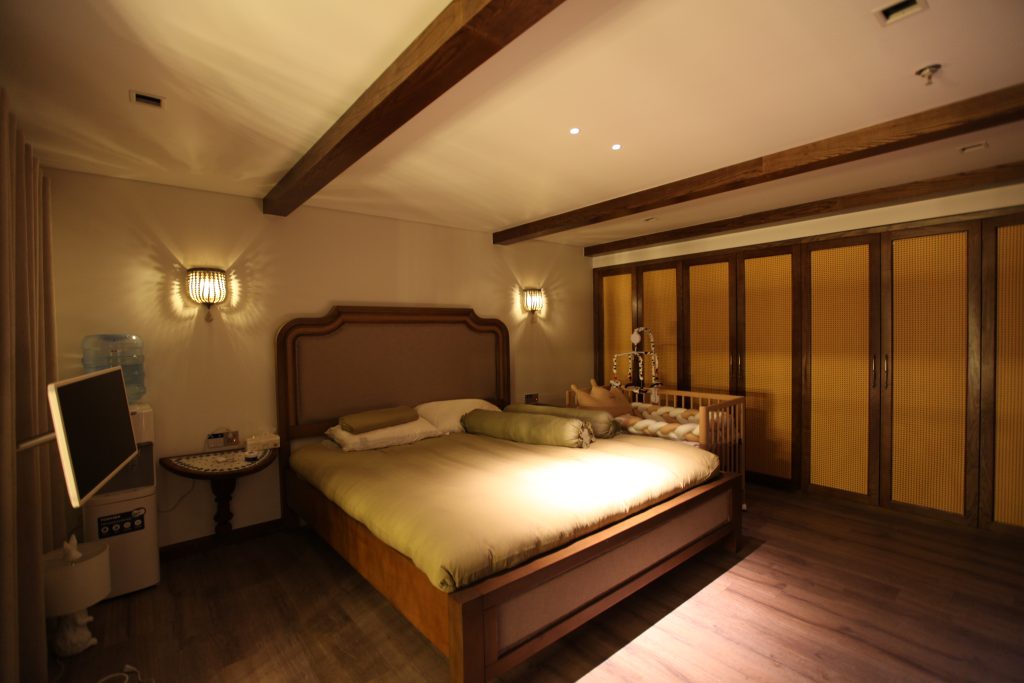
In the living room, LED strips can be used to create a large, luminous ceiling surface, enhancing the sense of spaciousness. The lighting must be balanced with decorative fixtures, natural light, and interior color schemes.
4.2. Translucent ceilings for showrooms and retail stores
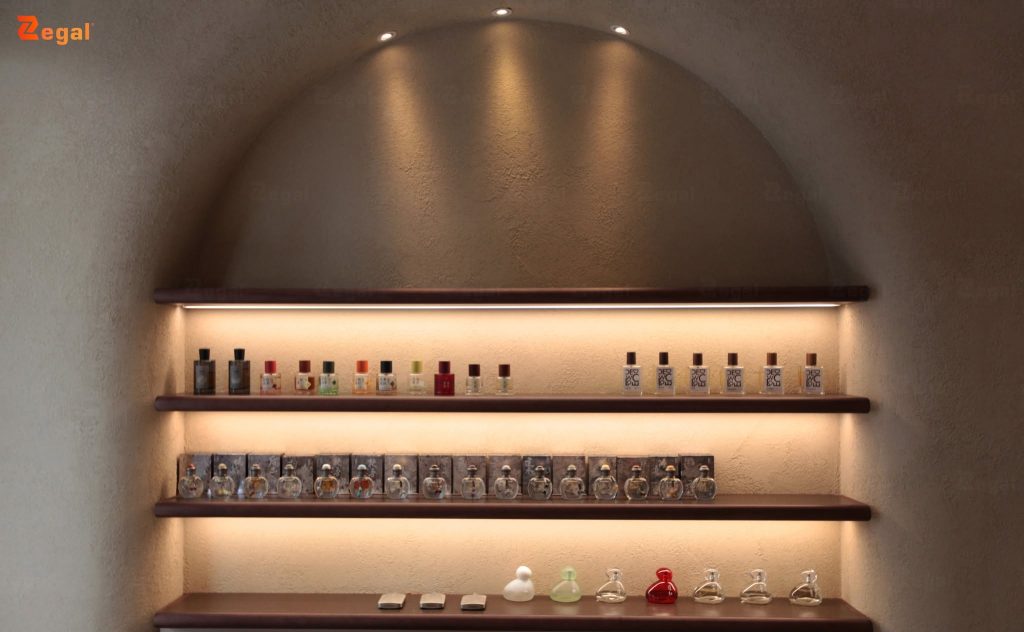
In retail spaces, lighting helps define brand identity and attract customer attention. Translucent ceilings utilizing LED strips can serve as an architectural focal point while providing ambient lighting for display areas.
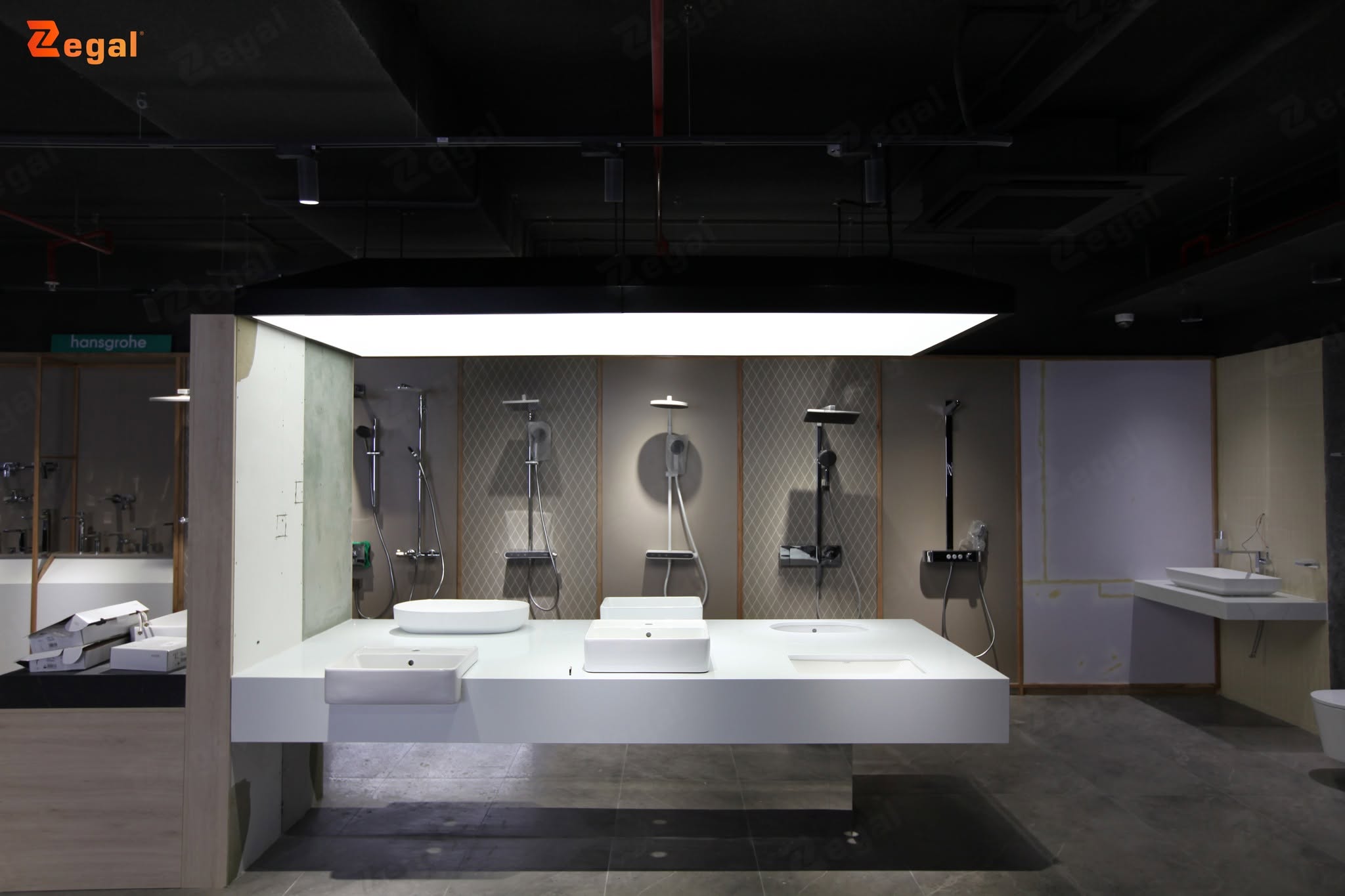
Lighting configurations must be carefully calculated to avoid color distortion of displayed products. Special display areas may require the addition of accent spotlights.
4.3. Translucent ceilings for offices and reception lobbies
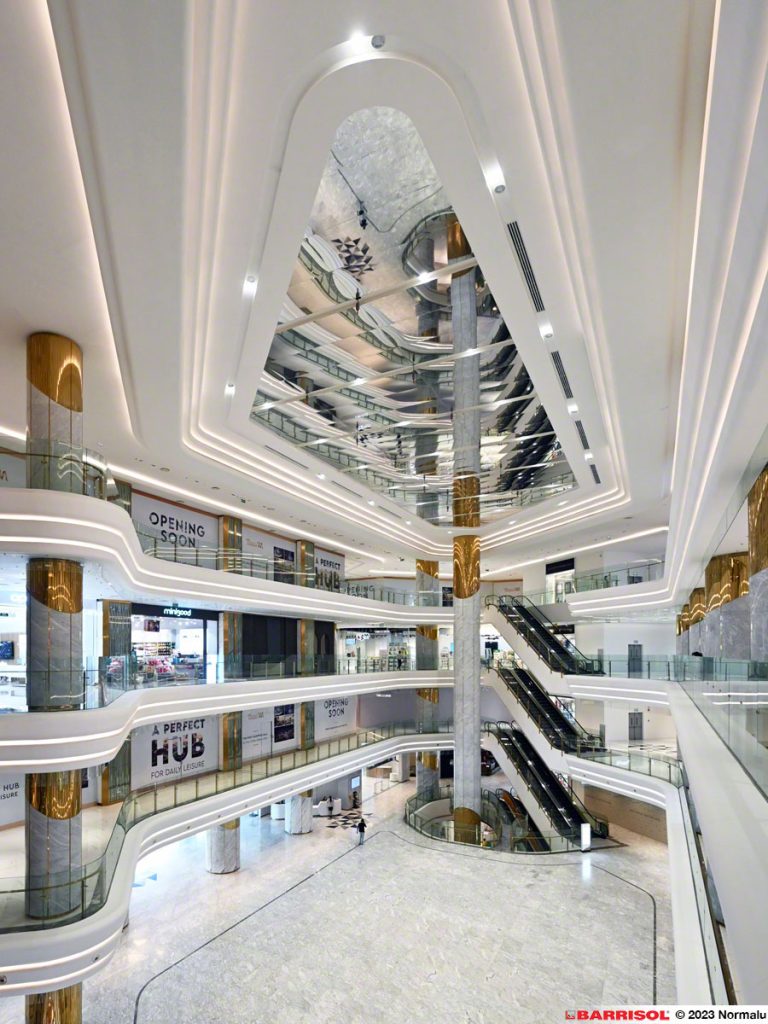
In offices or reception lobbies, luminous ceilings create a modern look and enhance spatial identity. LED strips can be arranged to follow architectural forms, ensuring visual harmony with reception desks, decorative wall panels, and surrounding lighting systems.
For workspaces, lighting schemes must be tailored to specific functional requirements. Translucent ceilings should complement functional light sources rather than serving as the sole source of illumination in every scenario.
5. Zegal and LED strip solutions for translucent ceilings
To ensure the effectiveness of a translucent ceiling system, the choice of light source must align with a cohesive design and installation plan. Zegal focuses on lighting solutions integrated with translucent ceilings, aiming for a balance between functionality and architectural aesthetics.
During implementation, factors such as LED configuration, installation spacing, translucent membrane properties, and the specific lighting needs of each area are considered holistically. This approach helps mitigate common issues such as visible hotspots, uneven light distribution, or configurations that are difficult to maintain.
Solutions can be tailored for various settings—including residences, offices, showrooms, retail stores, and commercial projects—based on intended use. Conducting a site survey and defining requirements at the outset are essential steps in selecting the appropriate configuration.
6. Considerations when selecting LED strips for translucent ceilings
Before implementation, project owners and designers should clarify several key factors:
- Determine the lighting purpose: Clarify whether the need is for primary lighting, ambient lighting, or architectural accentuation.
- Check for uniformity: Evaluate the LED layout plan in conjunction with the light-transmitting properties of the membrane.
- Select color temperature: Consider the light color based on the space’s function and interior design style.
- Calculate power requirements: Ensure the LEDs and power supplies meet the system’s operational needs.
- Plan for maintenance: Arrange technical access zones and appropriate methods for accessing equipment.
- Test actual samples: Trial the LED configuration and membrane before large-scale installation.
These steps help minimize potential risks and facilitate better quality control for the project.
7. Conclusion
LED strips for translucent ceilings are a compelling solution due to their flexible layout options, customizable configurations, and compatibility with various architectural styles. However, lighting quality depends not only on the type of LED but also on layout density, installation spacing, power supply units, and the light-transmitting material itself.
For any project, the choice of LED system should be based on specific usage requirements and the overall design concept. If you are seeking a suitable translucent ceiling solution for a residence, showroom, or commercial space, please contact Zegal for advice on lighting configurations tailored to your specific needs. ——
For further consultation, please contact Zegal Vietnam using the details below:
Zegal Hanoi
112 Vo Chi Cong, Tay Ho Ward, Hanoi
Zegal Ho Chi Minh City
319 – C9 Ly Thuong Kiet, Phu Tho Ward, Ho Chi Minh City
Hotline: 0969 14 6688