

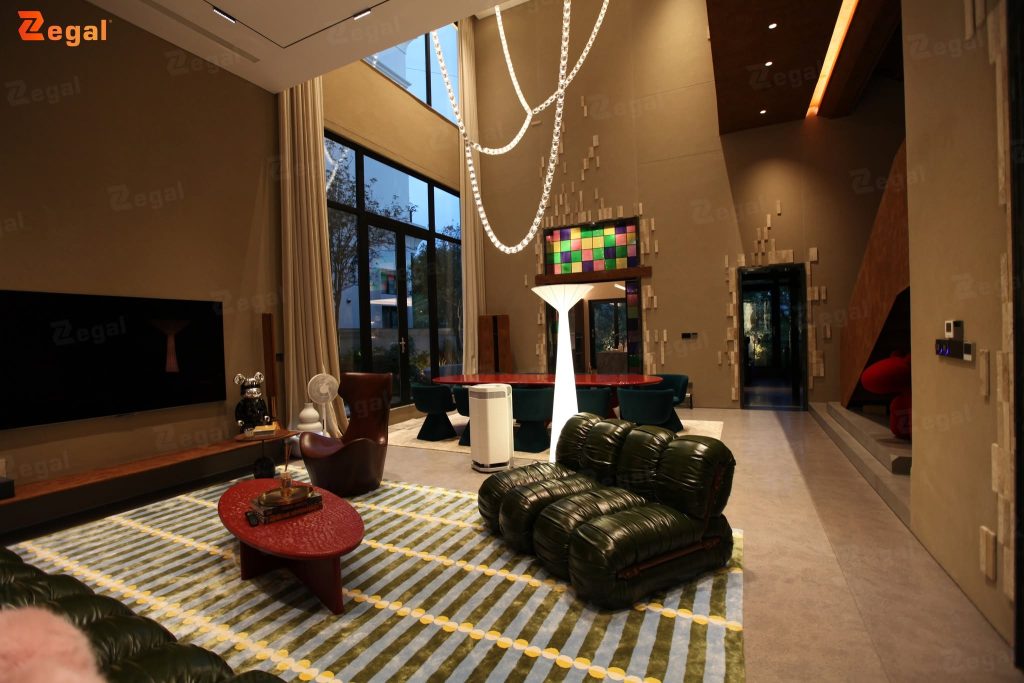
In high-end architecture, lighting in the European neoclassical style serves a purpose beyond mere functionality. It plays a key role in accentuating architectural lines, interior materials, and the luxurious aesthetic of a space. Whether in a villa, a luxury apartment, or a hotel, every lighting solution must be carefully calculated to harmonize with the overall design.
So, how does one select the right lighting for a European neoclassical interior? Join ZEGAL as we explore the design principles, coordination techniques, and modern lighting solutions in the article below.
1. Characteristics of European Neoclassical-Style Lighting
The European neoclassical style represents a fusion of classical beauty and a modern sensibility. Such spaces typically feature balanced layouts, refined decorative moldings, premium materials, and an elegant color palette. Within this framework, lighting serves to highlight architectural depth without creating a sense of clutter or excess.
Learn more about the functionality of printed ceilings in neoclassical-style interiors here.
1.1. Lighting that Accentuates Architectural Lines
A hallmark of the neoclassical style is the presence of decorative moldings, ornamental columns, graceful arches, and symmetrically arranged wall panels. The lighting system should subtly bring these details into focus.
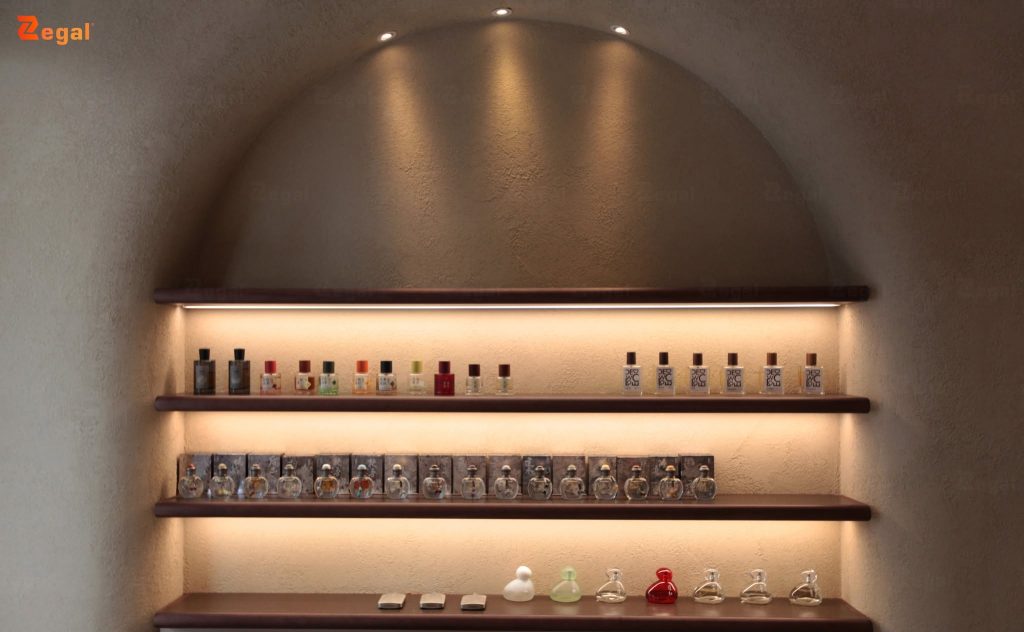
Wall-grazing lights, picture spotlights, and indirect LED lighting can create delicate plays of light and shadow. When positioned thoughtfully, these elements make architectural features stand out, adding depth to the space while preserving its signature elegance.
1.2. Prioritize warm yellow light
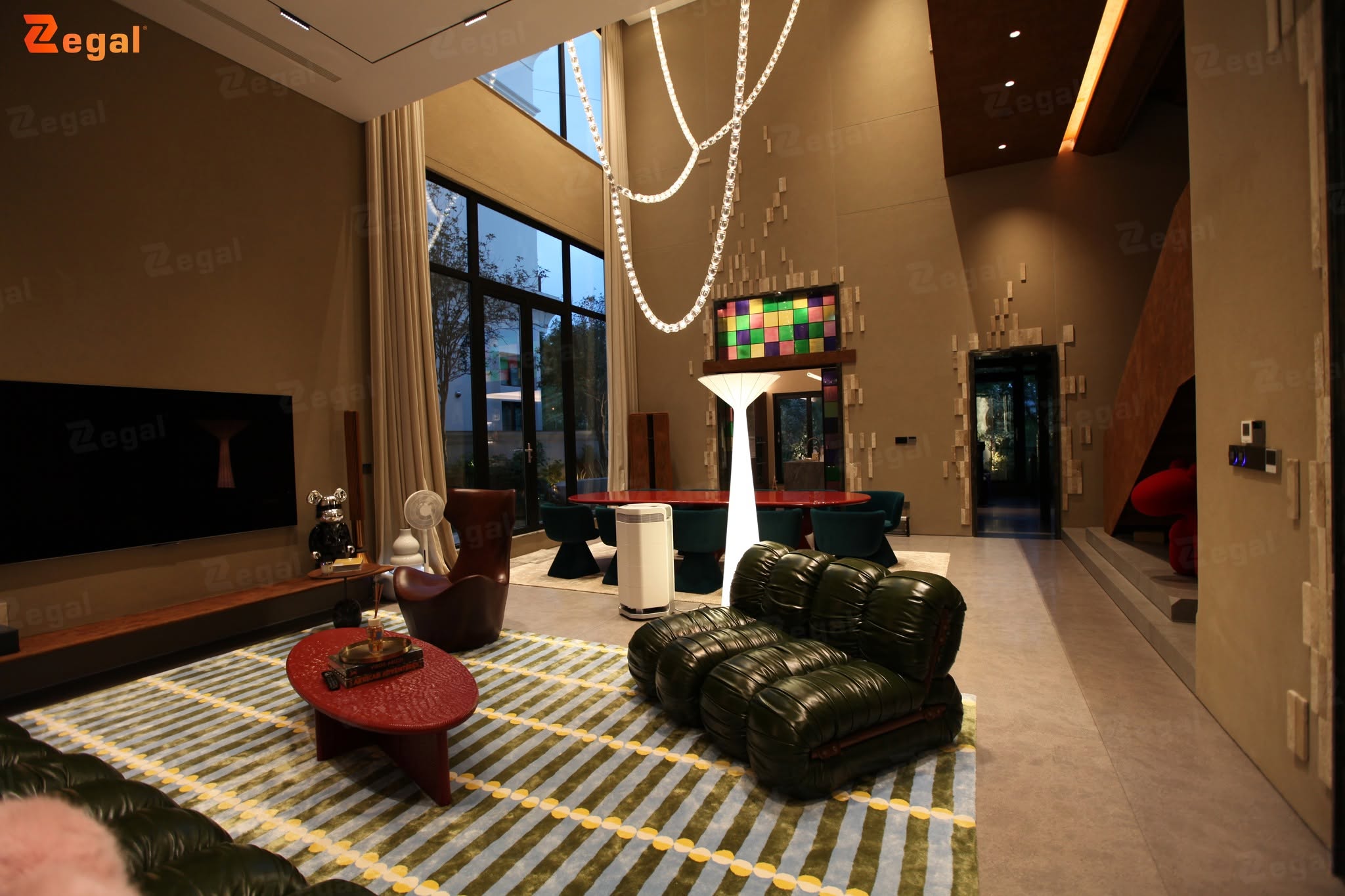
Warm yellow light is frequently used in neoclassical spaces for its ability to create an inviting, relaxing, and luxurious atmosphere. A color temperature of approximately 2700K–3000K is well-suited for living rooms, bedrooms, and reception areas.
Meanwhile, neutral light—ranging from 3500K to 4000K—may be considered for vanity areas, dressing rooms, or spaces where accurate color perception is required.
The choice of color temperature should be based on the paint colors, materials, and the specific function of each area. It is best to avoid using too many different light tones within the same field of view, as this can disrupt the visual cohesion of the interior design.
1.3. Combine decorative and functional lighting
A beautiful space cannot rely solely on chandeliers or decorative fixtures. The design should incorporate multiple layers of lighting to address both aesthetic appeal and practical needs.
Typically, a neoclassical lighting scheme consists of three primary layers:
Ambient (general) lighting: Provides a base level of illumination for the entire room.
Accent lighting: Highlights artwork, molding, furniture, or other decorative details.
Task (functional) lighting: Supports specific activities such as reading, working, applying makeup, or daily living tasks.
Integrating these three layers adds flexibility to the space, allowing homeowners to adjust brightness levels as needed while maintaining the original design intent.
2. Lighting fixtures suitable for the European neoclassical style
Each type of fixture plays a distinct role within the overall architectural composition. Selection should be based on factors such as floor area, ceiling height, installation location, and the specific interior style.
2.1. Neoclassical Chandeliers as a Focal Point
Chandeliers are typically positioned in the center of a living room, dining room, or grand foyer. Their designs may incorporate crystal, glass, gold-plated metal, or intricate, curved detailing. In spacious areas with high ceilings, multi-tiered chandeliers can create a striking visual impact. For apartments with more modest dimensions, compact models help maintain a sense of balance.
When selecting a chandelier, pay close attention to its size and the height at which it is hung. A fixture that is too large can make a room feel heavy or overwhelming, while one that is too small may diminish the sense of cohesion in the central space.
2.2. Recessed LED Lighting and Cove Lighting
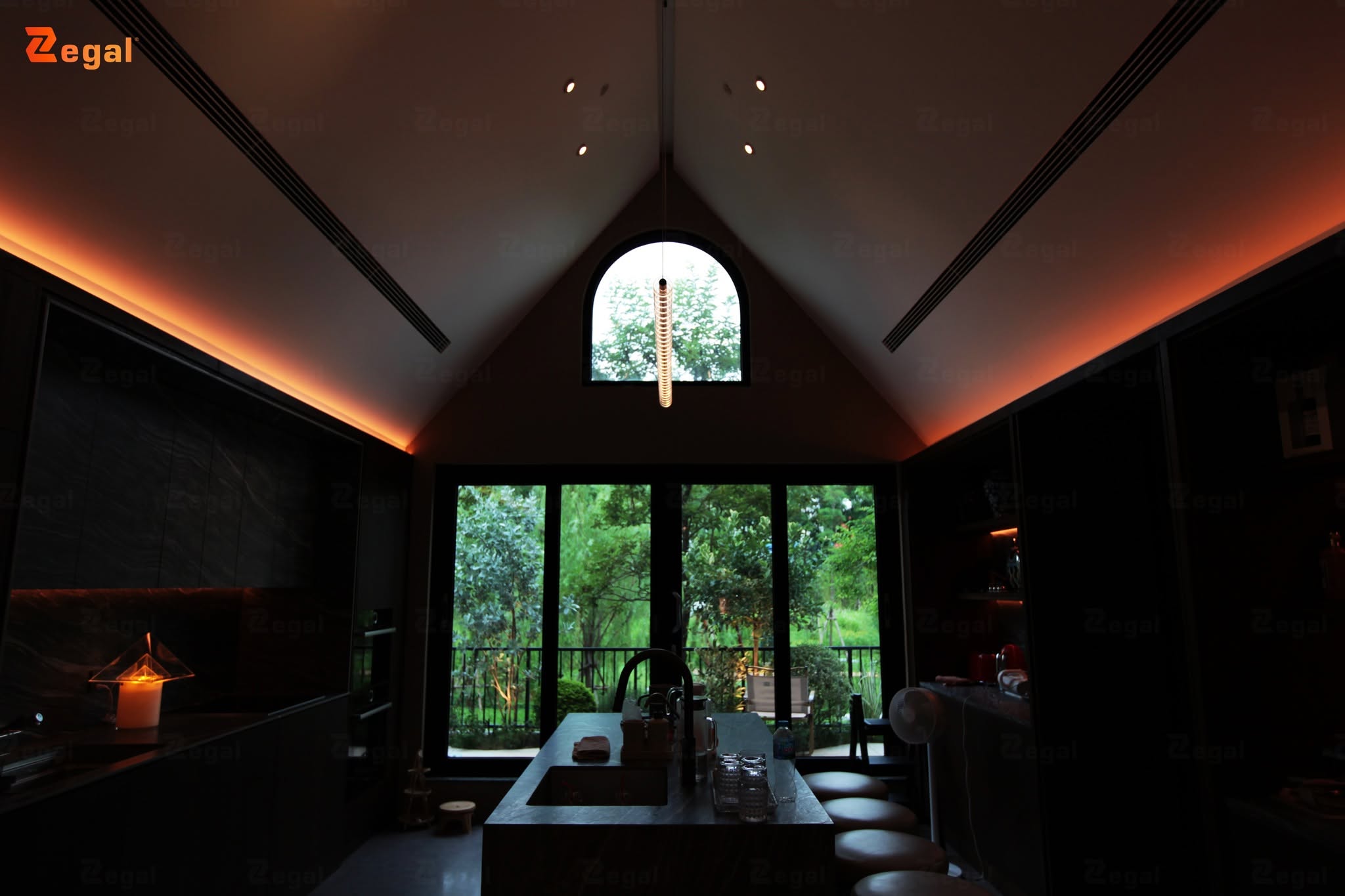
Recessed LED lights provide general illumination, while cove lighting highlights architectural moldings and creates a soft, ambient glow. This combination is ideal for spaces that aim to retain a classic aesthetic while embracing modern convenience.
Lighting fixtures should be positioned according to a formal lighting plan to avoid overcrowding or creating uneven light distribution. Crucially, light sources should be placed so that they do not shine directly into the eyes of occupants or cause uncomfortable glare on reflective surfaces.
2.3. Decorative Table and Floor Lamps
Table lamps are typically placed on console tables, bedside tables, or side tables next to sofas. Floor lamps are well-suited for reading nooks and relaxation areas.
Designs featuring fabric shades, metal bases, or natural stone elements integrate seamlessly into neoclassical interiors. Beyond their functional role, they serve as decorative accents in areas where fixed lighting fixtures cannot be installed.
3. Coordinating Lighting Across Different Spaces
Lighting solutions should be tailored to the specific function of each room. Within a neoclassical design framework, the living room requires a sense of prominence, the bedroom calls for a relaxing atmosphere, and the dining room needs lighting that enhances the dining experience.
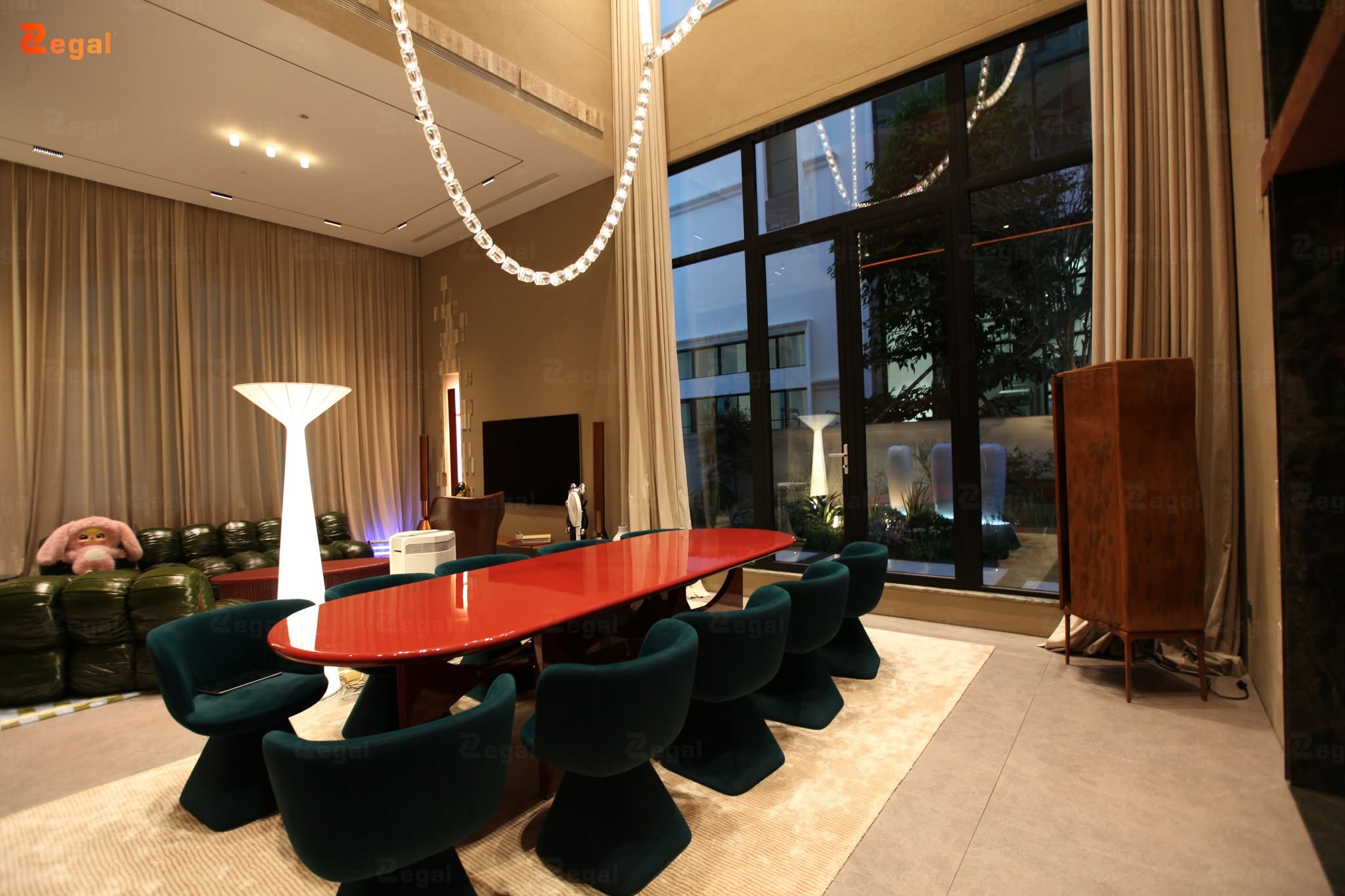
The living room is typically the space that best expresses the home’s design language. A chandelier can serve as the centerpiece, complemented by recessed lighting and cove (indirect) lighting to provide ambient illumination. For walls featuring artwork, mirrors, or decorative molding, spotlights and wall sconces can be used to enhance visual depth. Light should be distributed evenly, avoiding stark contrasts between overly bright and dark areas.
In larger living rooms, dividing the lighting system into multiple control groups makes it easier to transition between different modes—such as hosting guests, family activities, or relaxation.
3.2. Lighting for Neoclassical Bedrooms
Bedrooms should prioritize soft, glare-free lighting with adjustable brightness levels. While a chandelier or decorative fixture can serve as a focal point, it should not produce an intensity that is uncomfortable when resting. Bedside lamps are ideal for reading or personal tasks. Cove lighting behind the headboard or within decorative niches adds depth without requiring an excess of direct light sources.
Homeowners may also opt for a dimming system to lower light levels in the evening, offering greater flexibility to suit various needs.
3.3. Lighting for Neoclassical Dining Rooms
Pendant lights or chandeliers should be positioned symmetrically above the dining table. The lighting must be sufficient to clearly see the food, yet positioned to avoid glare for those seated across from one another. Warm-toned light generally complements dining tables made of wood, natural stone, or materials in neutral tones. Cabinet accent lighting and decorative fixtures can be added to further enhance the depth of the space.
4. Principles for Selecting Lighting for Neoclassical Interiors
An effective lighting system must simultaneously address aesthetic appeal, functional utility, and long-term operational reliability. Below are some important principles to keep in mind.
4.1. Selecting the Appropriate Color Temperature
Color temperature directly influences the perception of colors and materials. Warm, golden light tends to accentuate wood tones, cream hues, and gold-plated details, while neutral light is better suited for areas requiring greater clarity. Rather than applying a single color temperature throughout the entire space, it is advisable to tailor it to the specific function of each area, ensuring a harmonious transition between interconnected spaces.
4.2. Managing Glare and Color Rendering
Glare can cause discomfort, even in a well-lit room. Therefore, prioritize anti-glare lighting fixtures, utilize appropriate lampshades, and ensure light sources are positioned correctly. The Color Rendering Index (CRI) is also a key consideration, especially in spaces featuring high-end materials; a light source with a high CRI ensures that the colors of artwork, fabrics, stone, and furniture appear more natural.
4.3. Planning Lighting During the Design Phase
Adding lighting fixtures after the interior is completed can lead to additional costs and disrupt the ceiling layout. Consequently, the lighting system should be integrated into the architectural, electrical, and interior design plans from the outset. This includes determining the placement of chandeliers, recessed lights, accent lighting, and power supply points. For stretch ceilings, the plans must also account for the support framework, LED spacing, and accessibility for future maintenance.
4.4. Implementing Smart Lighting Control
Smart control systems allow for the adjustment of brightness levels based on the time of day or specific needs. Lighting fixtures can be grouped into customized “scenes”—such as settings for entertaining guests, dining, relaxing, or resting.
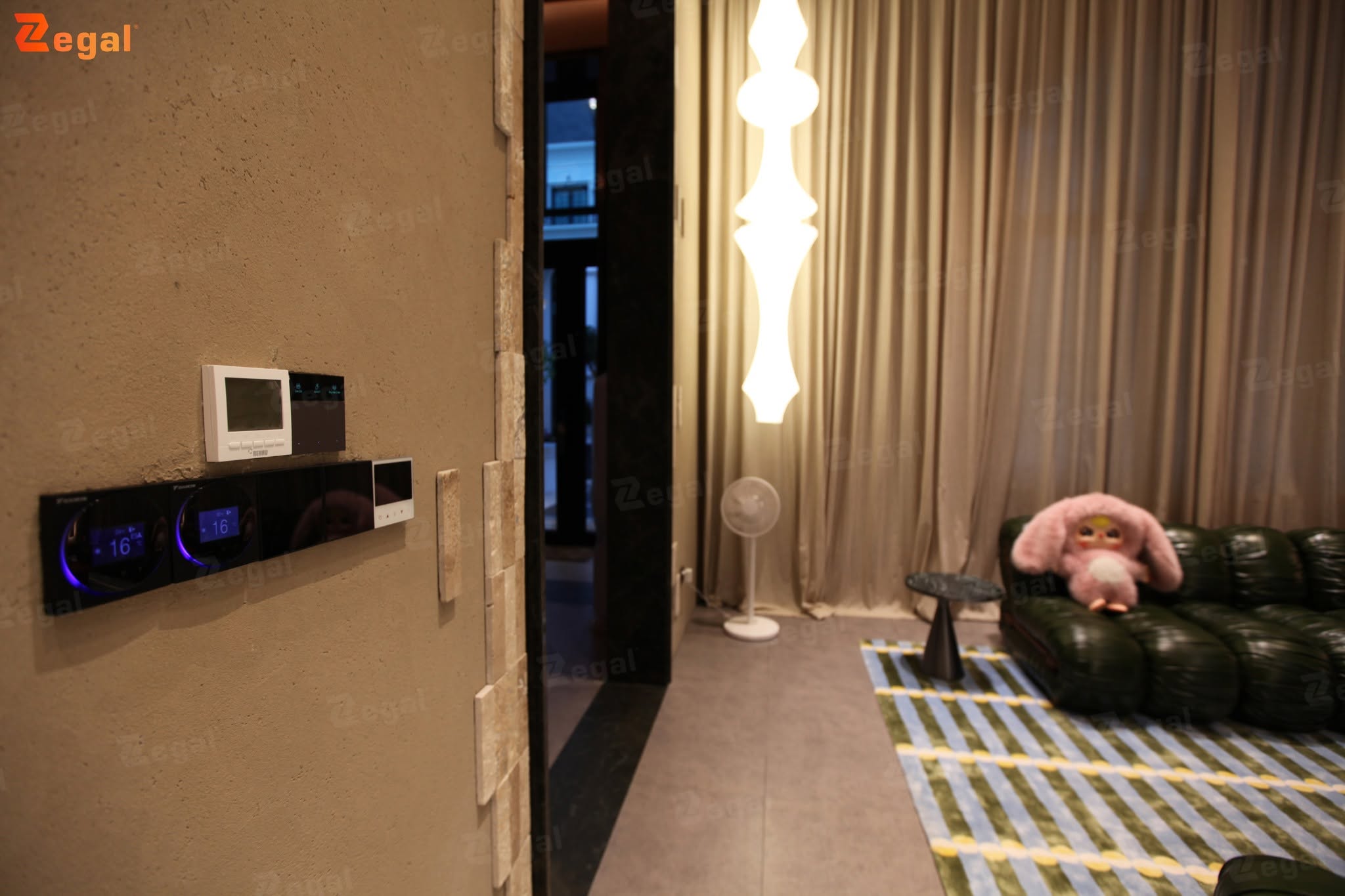
Dimming technology allows for the adjustment of light intensity without the need to install additional decorative fixtures. However, it is essential to verify the compatibility between the controller, the LED driver, and the light source to ensure stable operation.
5. ZEGAL and Lighting Solutions for High-End Spaces
For villas, luxury apartments, and hotels, lighting solutions must be developed in harmony with the architecture and interior design. This prevents scenarios where a lighting scheme looks impressive on a blueprint but proves ineffective in actual use.
ZEGAL provides solutions such as luminous ceilings, luminous wall panels, and LED lighting systems tailored to the specific requirements of each project. The selection of materials, LED configurations, and installation methods is carefully considered based on the actual design.
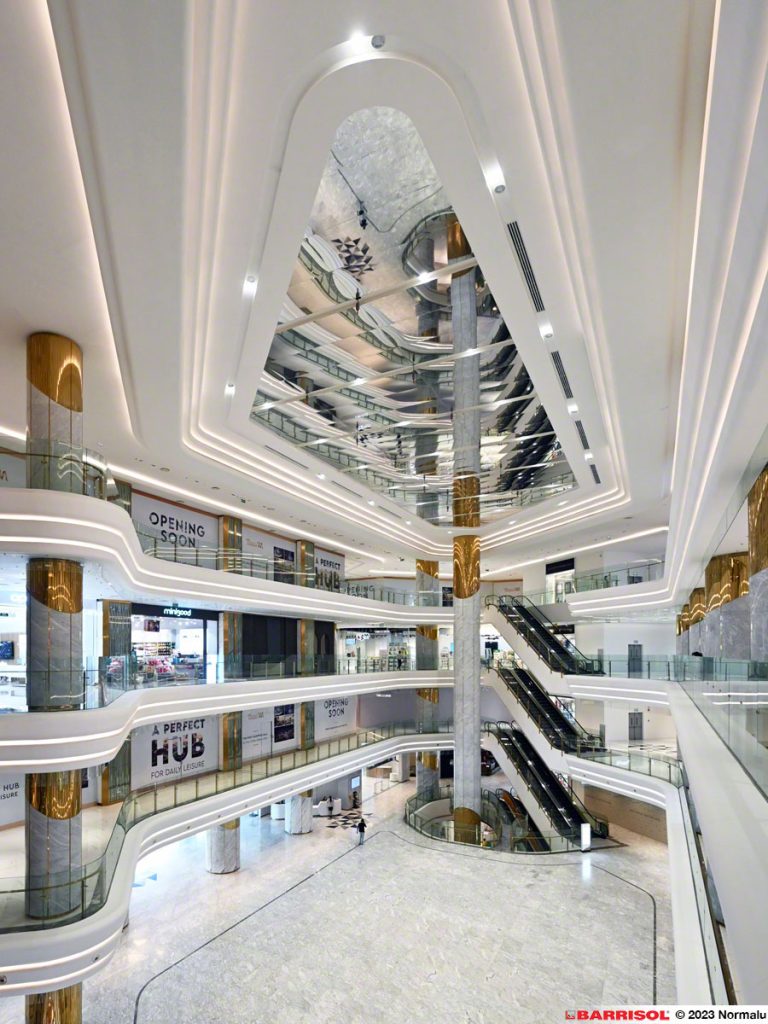
In European neoclassical interiors, luminous ceilings can be integrated with chandeliers, cove lighting, and decorative moldings to create a cohesive aesthetic. Each solution is calculated based on factors such as ceiling height, floor area, functional requirements, and the desired lighting effect.
6. Conclusion
Lighting in the European neoclassical style represents a blend of decorative lighting, functional lighting, and modern architectural lighting solutions. Chandeliers, wall sconces, cove lighting, and luminous ceilings can all enhance the beauty of a space when positioned correctly.
The key lies not in the number of light fixtures, but in how the lighting is organized in relation to the architecture and the intended use of the space. An effective design preserves the elegance of the European style while meeting the comfort and convenience demands of modern living. ——
For further consultation, please contact Zegal Vietnam using the information below:
Zegal Hanoi
112 Vo Chi Cong, Tay Ho District, Hanoi
Zegal Ho Chi Minh City
319 – C9 Ly Thuong Kiet, Phu Tho Ward, Ho Chi Minh City
Hotline: 0969 14 6688