

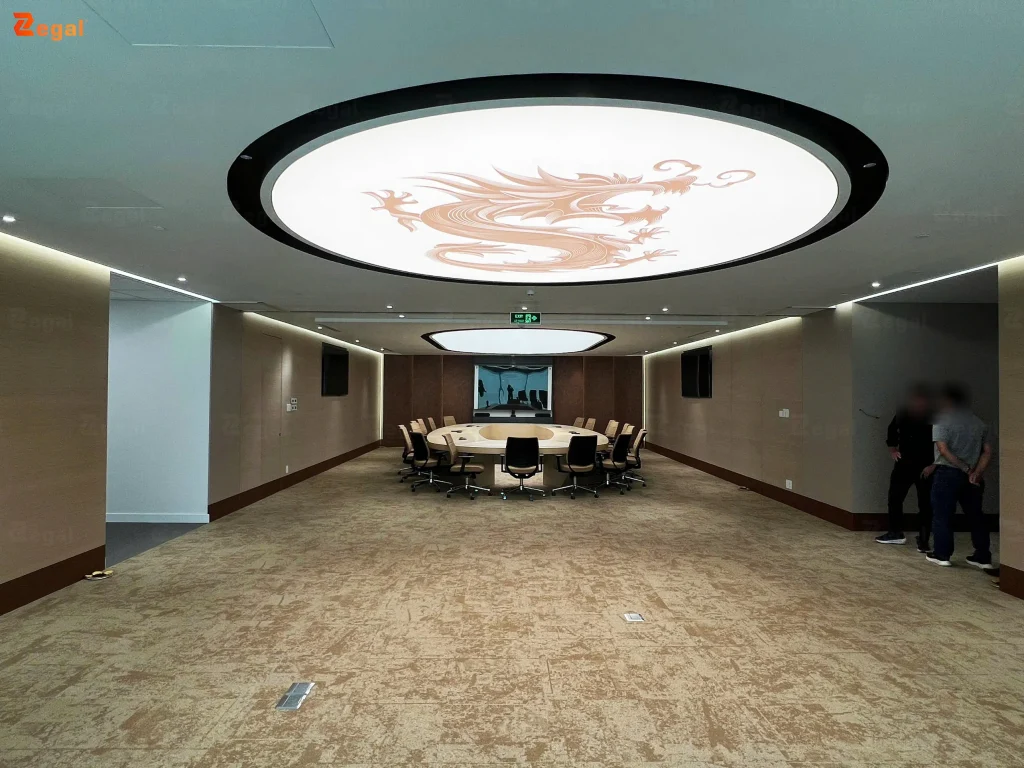
Have you ever felt tired or drained after a long day at the office? Eye strain, headaches, and lack of focus may not come only from workload, but also from a quiet underlying factor: the office lighting system.
Light is not simply a means to see. It is a critical element that directly affects performance, health, and emotional state. As a lighting professional, this article explores how to transform the workplace into an environment that supports energy, focus, and well being.
1. Why is office lighting so important?
Light can be considered the primary input for both visual perception and the body’s biological rhythm. A well designed office lighting system can:
- Enhance performance and concentration: Proper lighting reduces excessive eye accommodation, helping minimize errors and improve work efficiency.
- Protect visual health: It helps prevent eye strain, dry eyes, and headaches caused by poor quality, flickering, or overly intense light.
- Regulate mood and energy levels: Appropriate natural and artificial lighting can stimulate serotonin production, supporting alertness and a positive mindset.
- Shape corporate culture: A bright and comfortable workspace reflects an organization’s care for employee well being.
2. Essential lighting layers in office environments
Like a well composed symphony, office lighting requires harmony between multiple layers. A structured lighting design typically integrates the following three layers:
2.1 General lighting
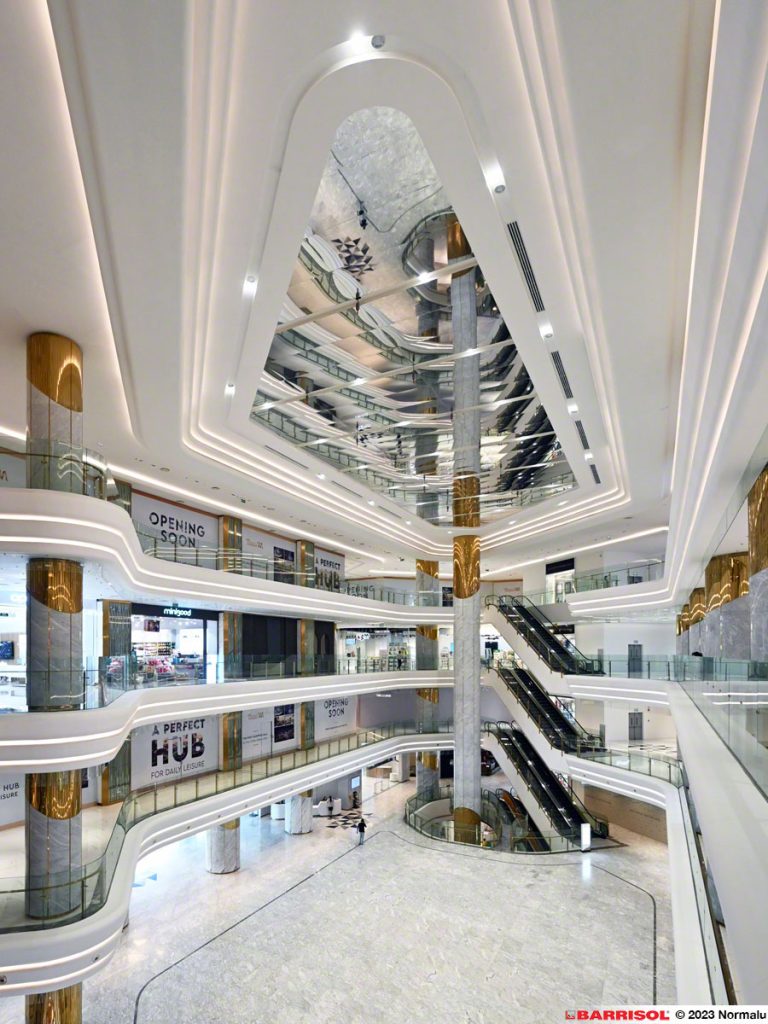
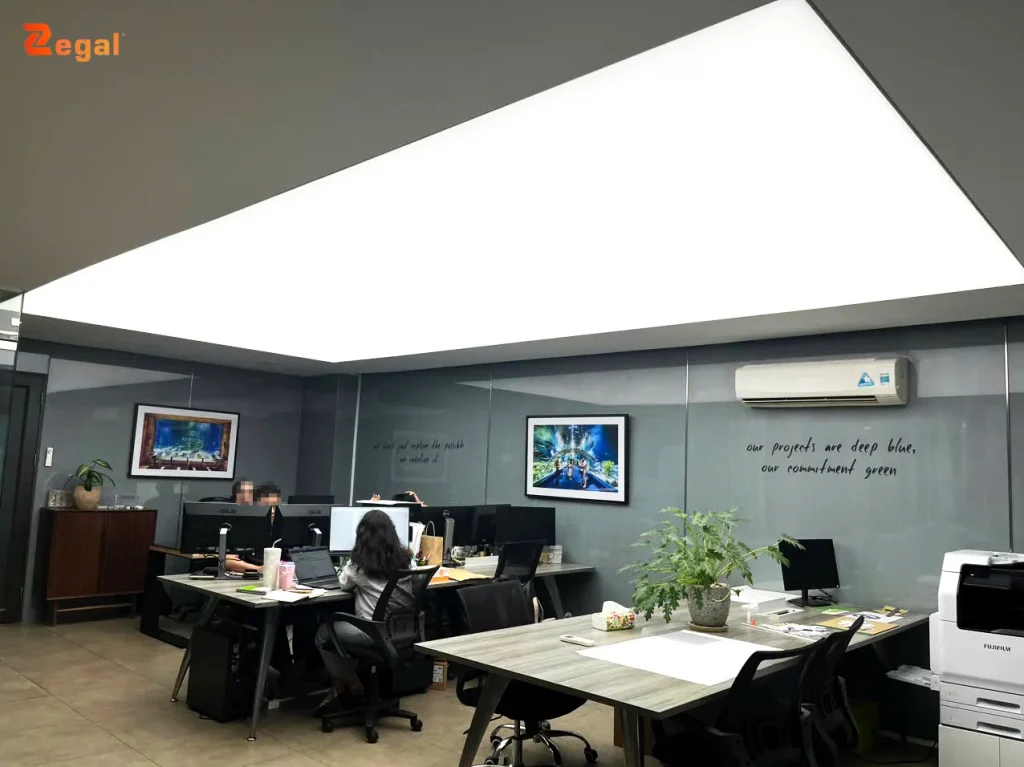
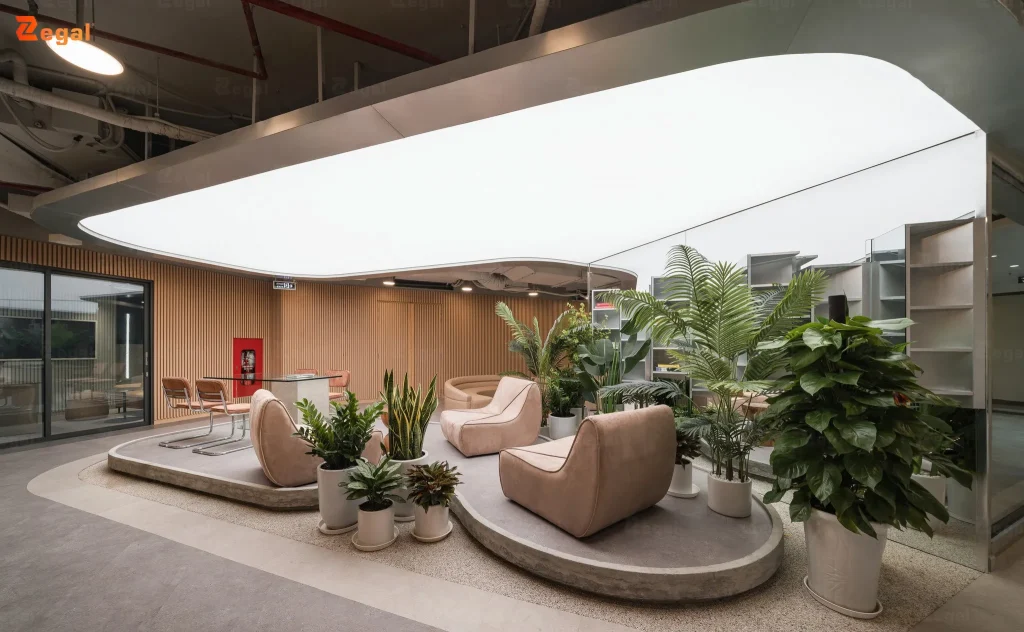
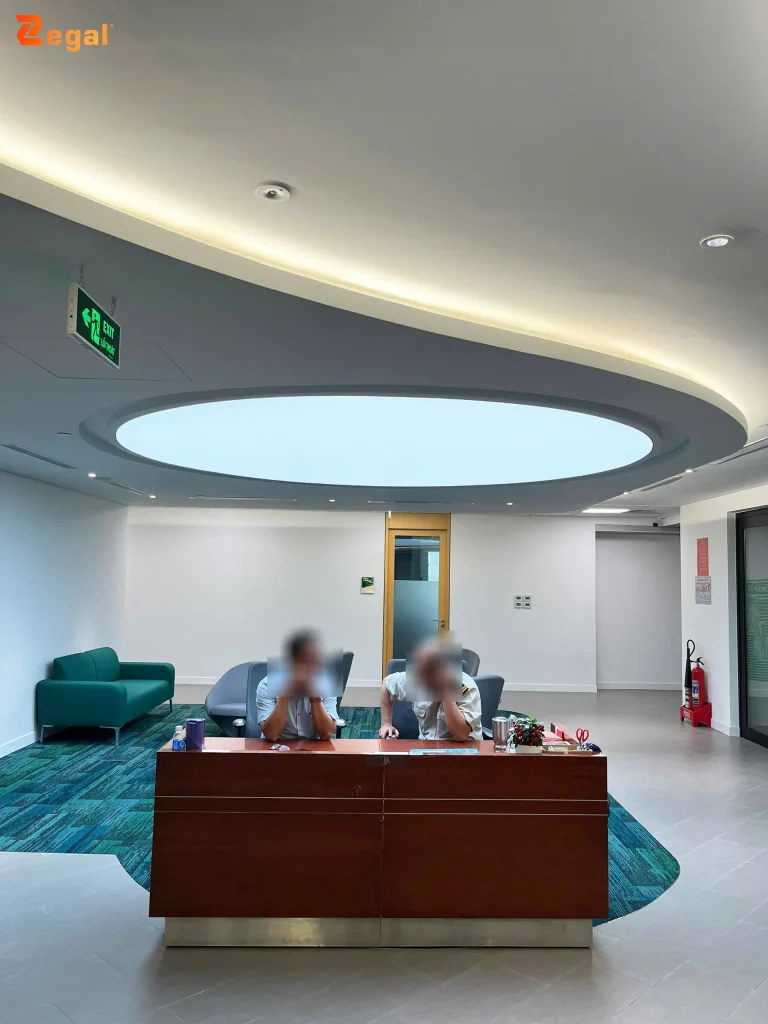
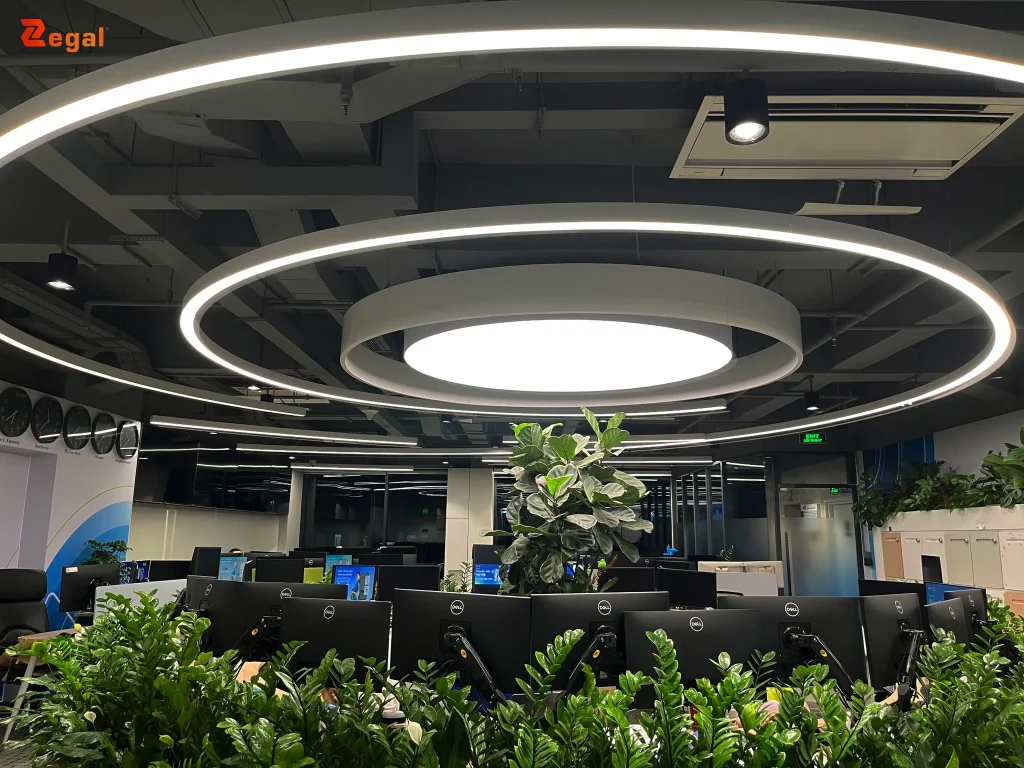
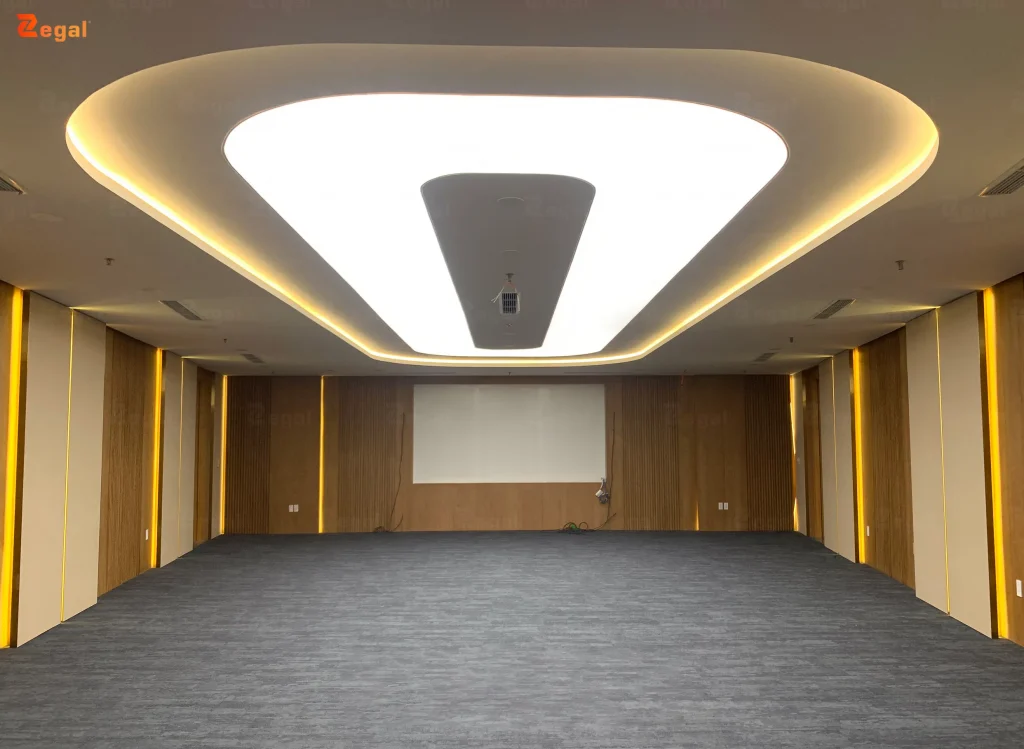
This is the base lighting layer that provides uniform illumination throughout the space. It replaces natural daylight and is commonly achieved through recessed downlights, LED panels, linear LED fixtures, or translucent ceilings.
2.2 Task lighting
Task lighting supports activities that require visual precision. It focuses on specific areas such as work desks, drafting tables, or computer stations. Desk lamps and adjustable spotlights are typical examples. This layer supplements general lighting and delivers the required illuminance directly at the task area.
2.3 Accent lighting
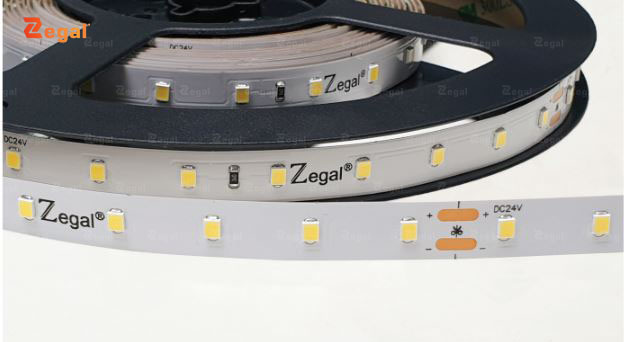
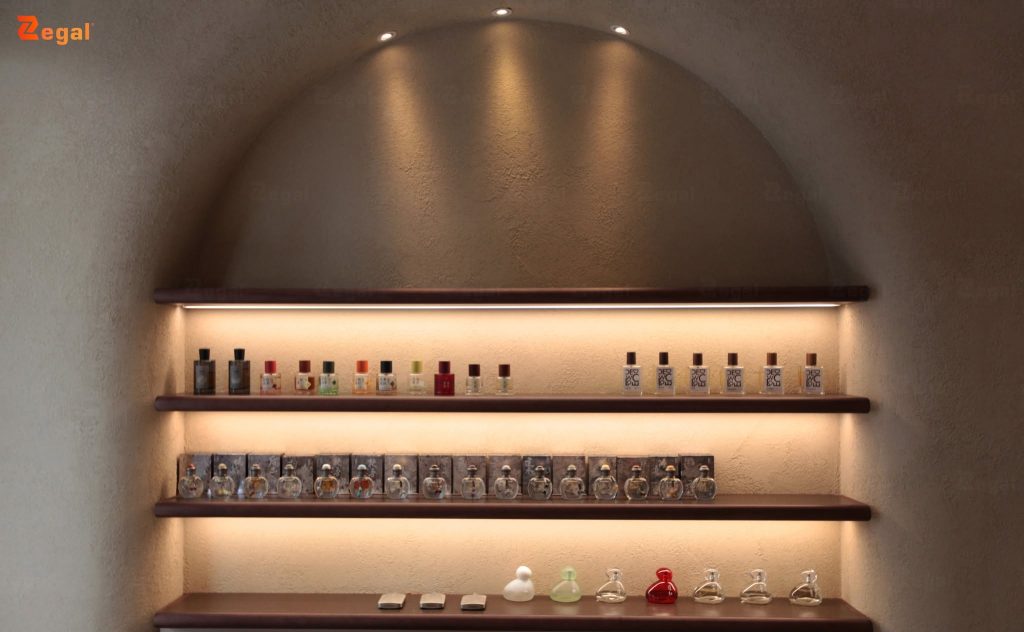
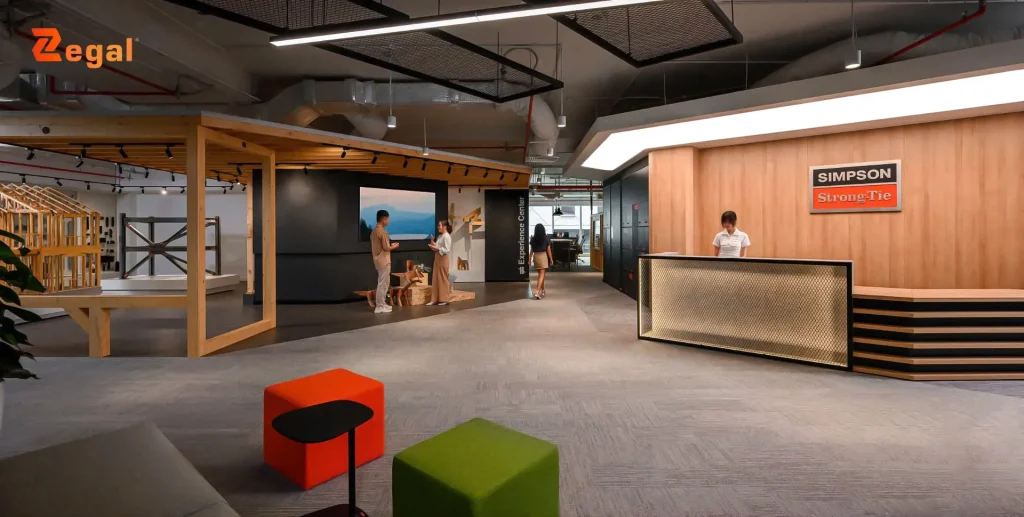
Accent lighting defines character and visual identity within the office. It is not intended for primary illumination, but for highlighting meeting rooms, product display areas, company logos, or feature walls. LED strips and track lighting are commonly used for this purpose.
3. 4 key principles for effective office lighting design
To achieve optimal results, the following technical parameters should be carefully considered:
3.1 Color rendering index (CRI)
CRI measures a light source’s ability to reproduce colors accurately compared to natural daylight. A higher CRI value, ideally between 80 and 100, ensures faithful color representation, which is essential for graphic design, printing, and visual work.
3.2 Color temperature (CCT)
Measured in Kelvin, color temperature defines the emotional tone of a space.
- Warm light 2700K to 3500K creates a relaxed and comfortable atmosphere, suitable for break areas or reception spaces.
- Neutral light 3500K to 4500K supports alertness and focus, making it the most appropriate range for shared workspaces.
- Cool light 5000K to 6500K has a bluish tone that stimulates high alertness, suitable for laboratories or precision driven production areas.
3.3 Illuminance (Lux)
Illuminance indicates the amount of light reaching a surface. Standard office work areas typically require 500 to 750 lux. Tasks involving high detail, such as technical drawing, may require up to 1000 lux.
3.4 Glare control
Glare occurs when light reflects directly into the eyes from screens or glossy surfaces, causing discomfort and fatigue. Using glare controlled luminaires, proper fixture placement, and anti glare screens helps protect visual comfort.
4. Selecting office lighting solutions
LED lighting is currently the preferred solution for office environments due to its significant advantages: high energy efficiency with savings of up to 80 percent compared to fluorescent lamps, long lifespan up to 50,000 hours, flexible control of brightness and color temperature, and minimal heat emission that supports a cooler working environment.
5. Modern office lighting trends: Smart and adaptive systems
The future of office lighting lies in intelligent systems. LED lighting integrated with motion sensors and daylight sensors allows automatic adjustment based on occupancy and available natural light. This approach optimizes energy use while providing a more personalized and comfortable working experience.
6. Conclusion
Office lighting design is no longer a matter of simply making spaces bright. It is a refined discipline that combines science and design, where every lumen is calculated with human needs in mind.
A carefully planned lighting system is one of the most effective investments a business can make in its most valuable asset: the health, satisfaction, and productivity of its people. When lighting is designed thoughtfully, it becomes a constant source of support and motivation throughout the working day.
——
For further consultation, please contact Zegal Vietnam using the information below:
Zegal Hanoi
112 Vo Chi Cong, Nghia Do Ward, Hanoi
Zegal Ho Chi Minh
319–C9 Ly Thuong Kiet, Phu Tho Ward, Ho Chi Minh City
Hotline: +84969 14 6688