

The facade is a key element in defining a building’s appearance. Beyond protecting the interior space, it helps shape the architectural style and enhances aesthetic appeal.
Today, facade solutions offer an increasingly diverse range of materials, colors, and forms. From glass, aluminum, and metal to translucent materials, architects have a wide array of options to create modern, distinctive structures.
1. What is a facade?
A facade is an exterior envelope system for a building. It is typically designed either as an independent system or integrated with the building’s primary structure. Unlike traditional masonry walls, facades can utilize a variety of materials, each offering unique characteristics regarding aesthetics, durability, light transmission, and thermal insulation.
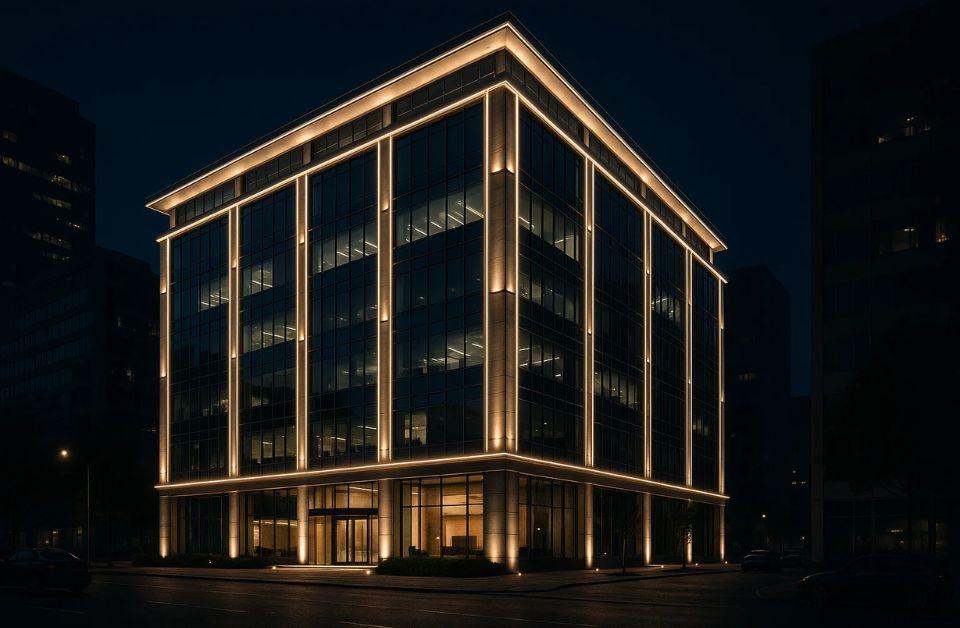
In modern architecture, the facade serves as more than just an enclosure; it plays a pivotal role in defining the design language of the entire structure.
Learn more about currently popular architectural materials here.
2. Basic composition of a facade system
A complete facade system typically comprises various components. These elements are engineered to ensure structural integrity, stability, and aesthetic appeal.
2.1. Facade structural frame
The frame provides the shape and stability for the entire system. Depending on the design, the frame may be constructed from aluminum, steel, or other materials suited to the project. Precision in fabrication and installation is essential; deviations during construction can compromise the system’s flatness and overall form.
2.2. Finishing materials
Finishing materials directly define the appearance of the facade. Common materials include glass, aluminum, sheet metal, stone, wood, and composites. Each material creates a distinct architectural effect; therefore, material selection should align with the design style and the project’s specific conditions.
2.3. Connection systems and accessories
Connection components secure the finishing materials to the structural frame. These elements must ensure load-bearing capacity and minimize deformation during service. For projects with rigorous technical requirements, the connection system should be engineered during the design phase to mitigate potential issues during construction.
3. Functions of facades in architecture
Beyond creating a visual focal point, the facade performs several critical functions.
3.1. Creating an aesthetic identity
The facade is often the first element seen. A well-designed facade system can establish a unique identity for the building. Architects can use color, lines, forms, and light to create visual effects. This is a particularly important factor for showrooms, offices, and commercial buildings.
3.2. Building Protection
The facade helps mitigate the direct impact of the environment on the interior space. Depending on the materials and construction, the system can provide protection against sunlight and dust while minimizing weather-related effects. The level of protection depends largely on the chosen design and materials; therefore, a facade should not be evaluated solely on aesthetics.
3.3. Light Control
Certain facade systems can regulate the amount of light entering the building—a crucial factor in the design of offices, showrooms, and commercial spaces. Effective light control creates a more pleasant environment, while thoughtful lighting design contributes to a distinctive architectural experience.
3.4. Enhancing Brand Identity
For commercial buildings, the facade can become an integral part of the brand identity. Colors, forms, and lighting can all be designed to reflect the specific characteristics of the business.
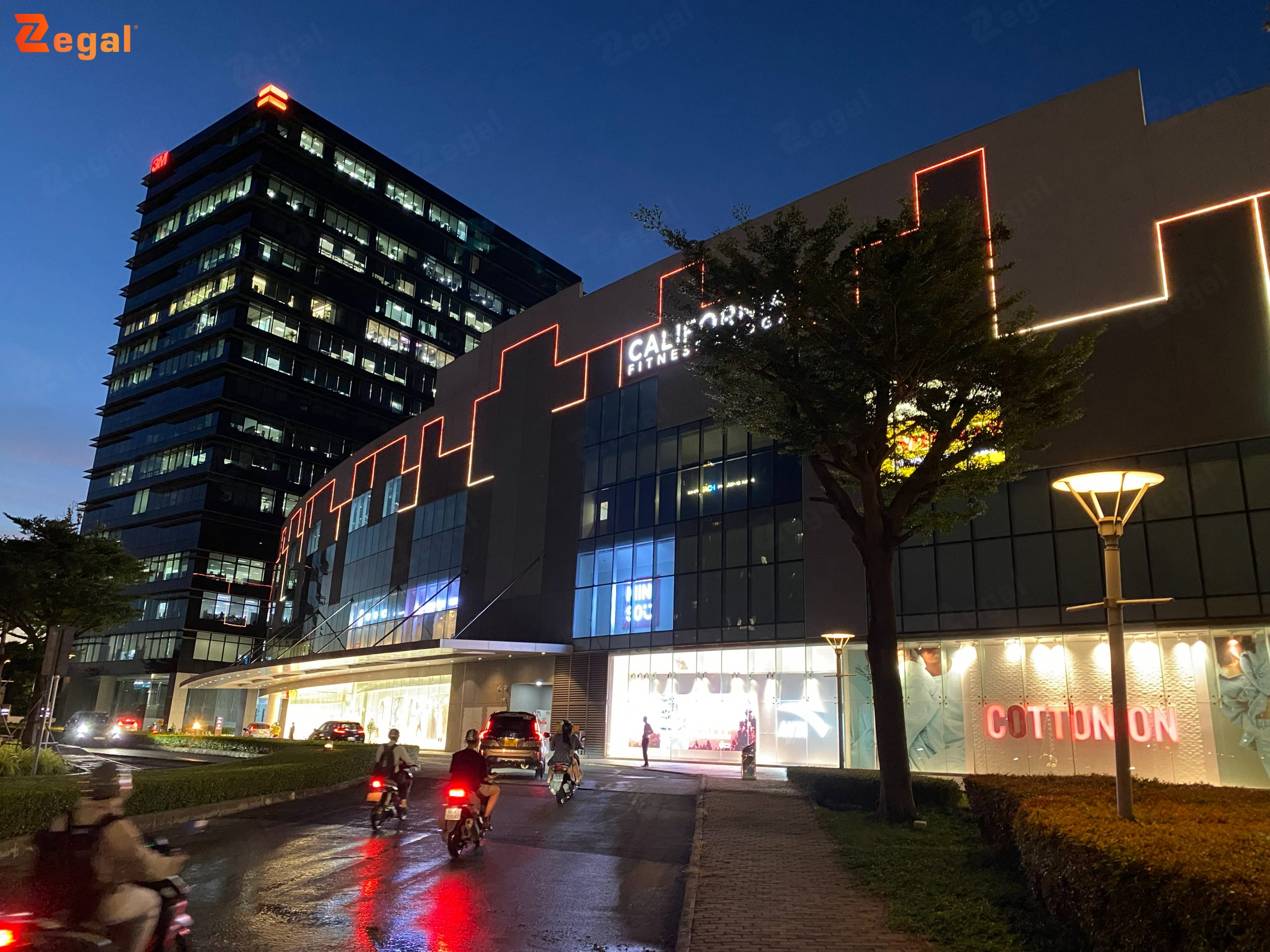
An impressive façade makes a building more memorable. This is why many brands invest heavily in façade design.
4. Applications of façades in construction projects
Façades can be applied to a wide range of building types.
– Showrooms and retail stores
Showroom façades need to capture attention from a distance. Modern materials combined with lighting can help a brand stand out at night.
– Offices
For office buildings, the façade must strike a balance between aesthetics and functionality. An appropriate design can help control natural light and project a professional image.
– Hotels and restaurants
Service-oriented establishments often prioritize the guest experience starting from the exterior. A distinctively designed façade creates a strong impression before guests even step inside.
– Shopping centers
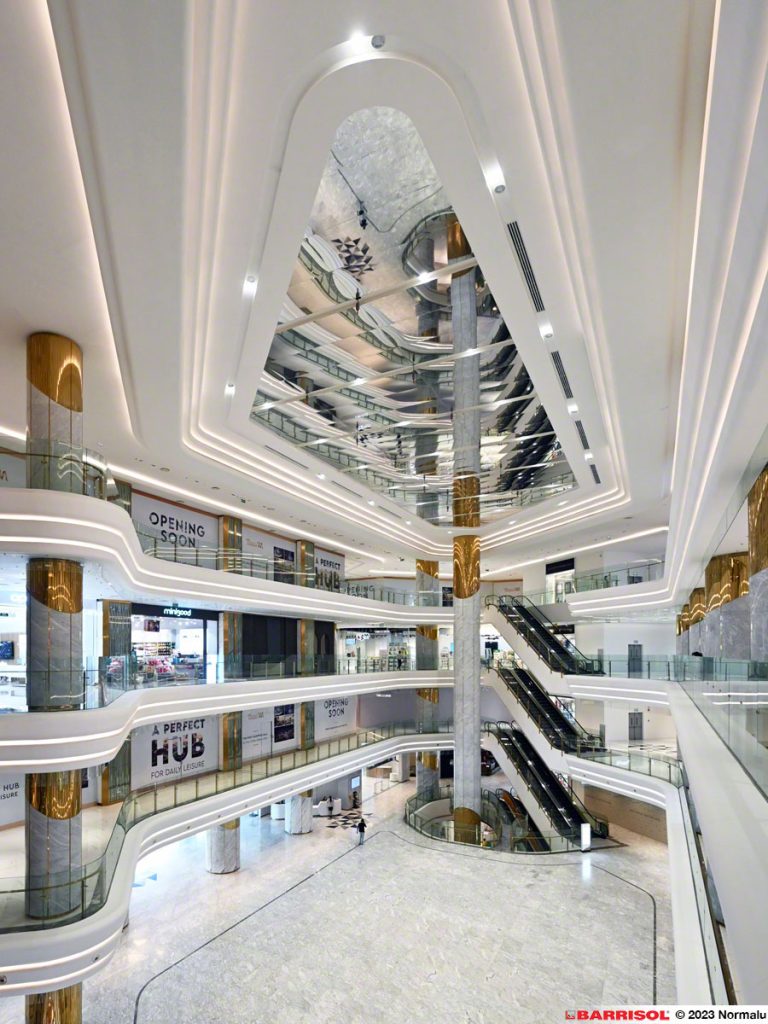
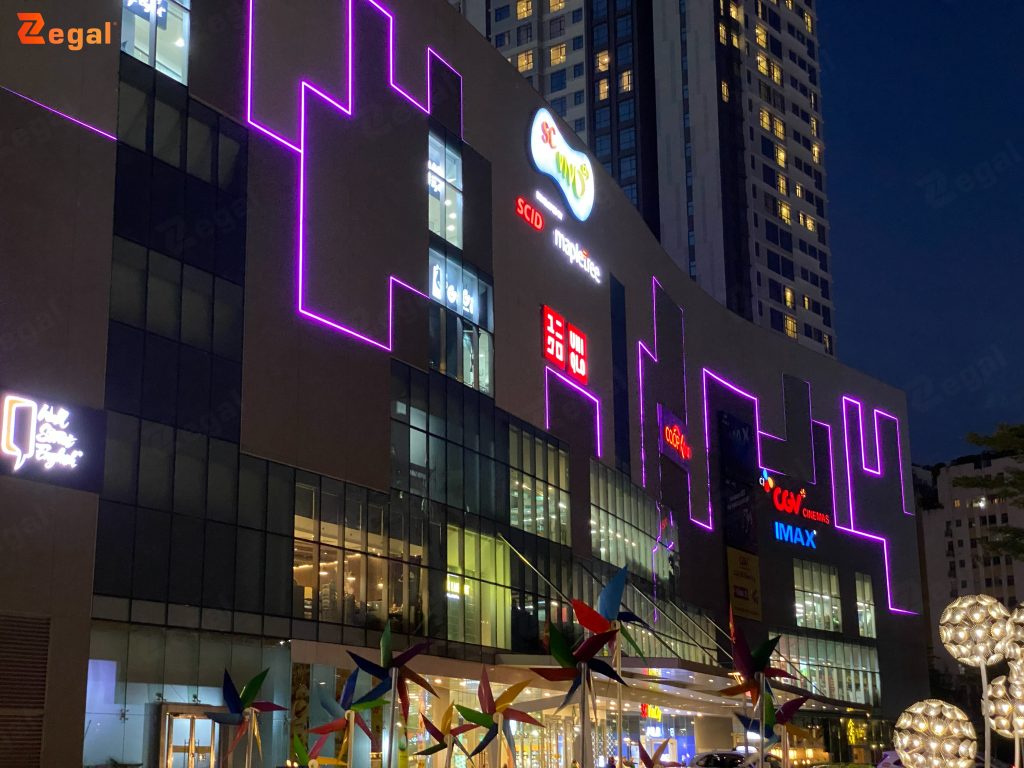
Large façade areas offer opportunities for striking design solutions. The façade can integrate various materials, geometric forms, and lighting to create a unique identity for the building.
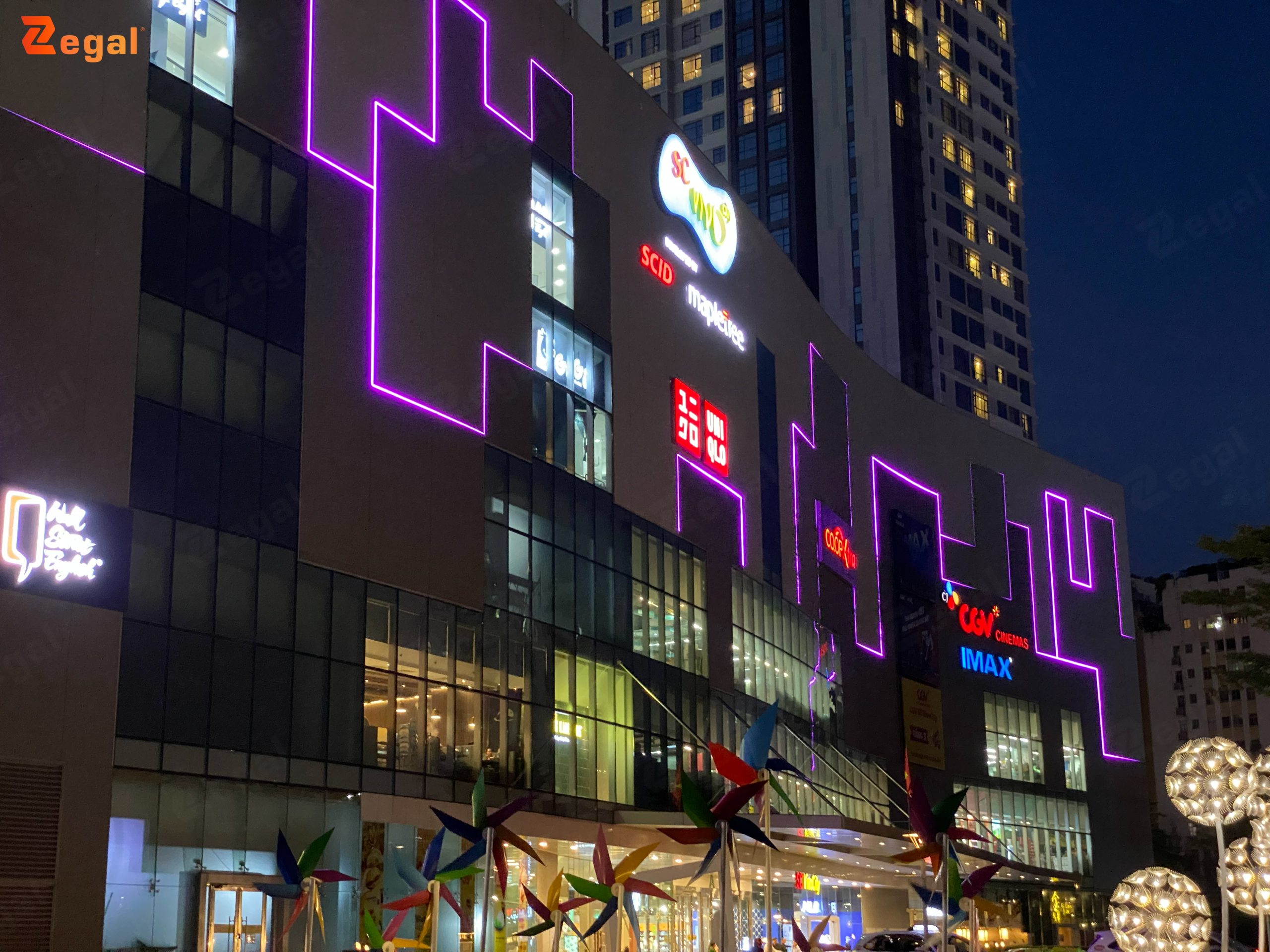
5. Key considerations for facade design
To ensure long-term effectiveness, facade design requires careful consideration of multiple factors. The building’s location directly influences material selection, while factors such as solar orientation, climate, and environmental conditions must be evaluated from the outset. The building’s size and shape also dictate the implementation strategy; large surfaces or unique forms often require specialized framing and connection solutions. If lighting effects are incorporated, the lighting system must be integrated seamlessly into the design, with careful attention paid to LED spacing, light source density, and heat dissipation capabilities. Finally, construction quality directly impacts the final finish; a well-conceived design only succeeds if the framing, materials, and lighting systems are installed with precision.
6. Facade trends in modern architecture
Modern architecture is shifting from static facades to systems capable of interacting with light. Innovative materials allow architects to create diverse visual effects without significantly altering the building’s massing. One notable trend is the integration of lighting into the facade itself; light no longer serves merely to illuminate but becomes an integral component of the architectural design.
Additionally, there is growing interest in lightweight materials, recycled materials, and energy-efficient solutions—trends that align with current demands for sustainable architecture.
7. Zegal and translucent facade solutions
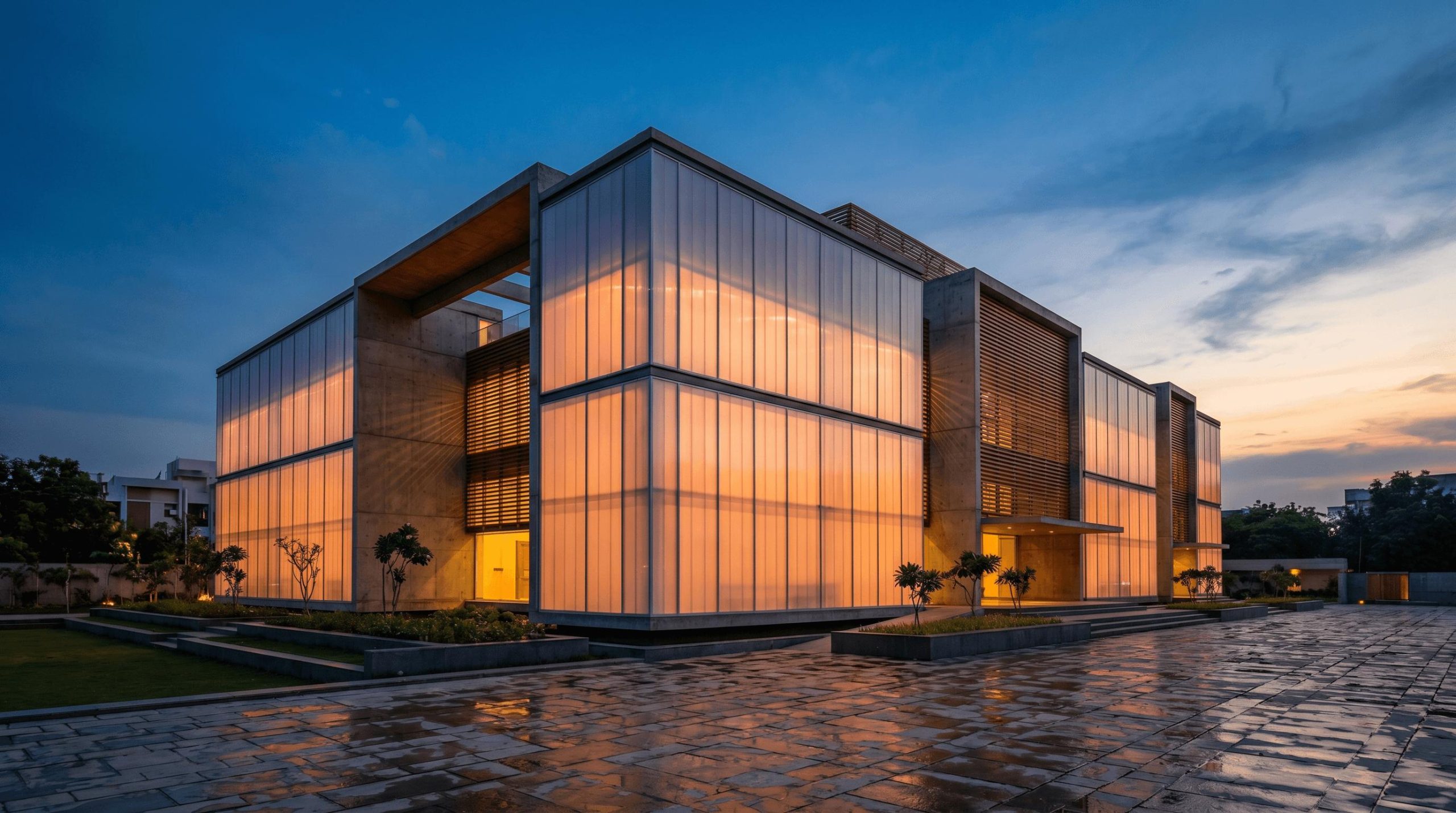
For projects requiring distinctive lighting effects, translucent facades offer a compelling solution. By combining translucent materials with LED systems, architectural surfaces can be transformed into highly recognizable, luminous features.
Zegal provides tailored solutions based on the specific site conditions and technical drawings of each project. Conducting surveys of dimensions, structural elements, and installation conditions ensures greater precision during implementation. In particular, the system requires a holistic design approach—integrating the structural framework, materials, and lighting. This ensures uniform illumination and a high-quality finished result.
8. Conclusion
A building facade is more than just an exterior shell; it is a key element that defines aesthetics, brand identity, and the spatial experience. From glass, aluminum, and metal to translucent materials, each solution offers unique advantages. Selection should be based on design, functionality, site conditions, and technical requirements.
In modern architecture, the integration of lighting into facades opens up a wealth of creative possibilities, helping buildings stand out—both day and night.
——
For further consultation, please contact Zegal Vietnam using the details below:
Zegal Hanoi
112 Vo Chi Cong, Nghia Do Ward, Hanoi
Zegal Ho Chi Minh City
319 – C9 Ly Thuong Kiet, Phu Tho Ward, Ho Chi Minh City
Hotline: 0969 14 6688