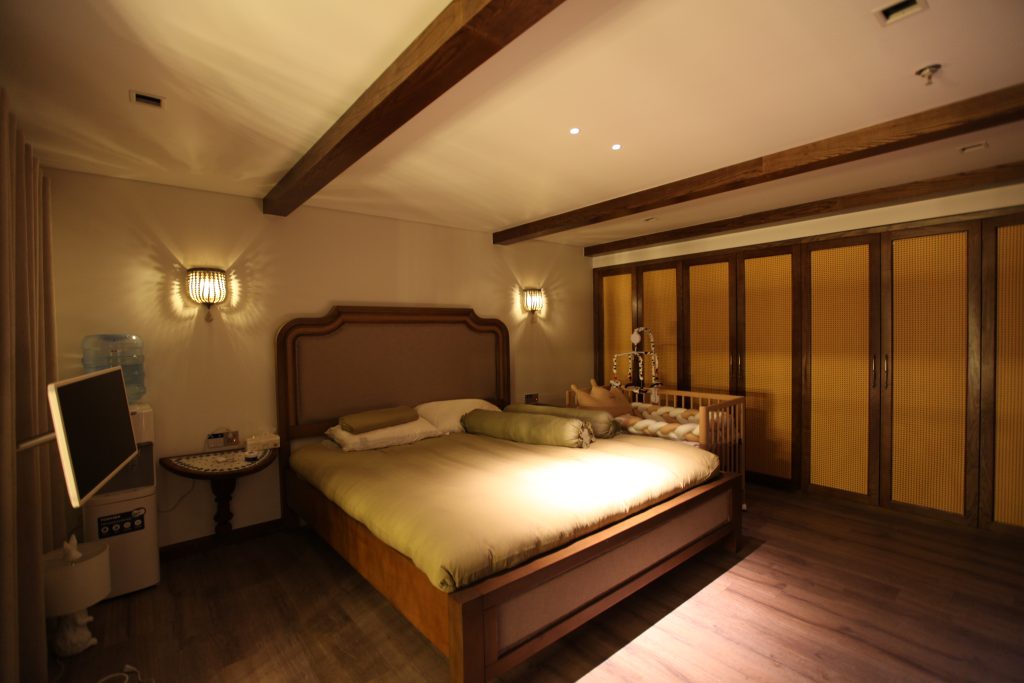


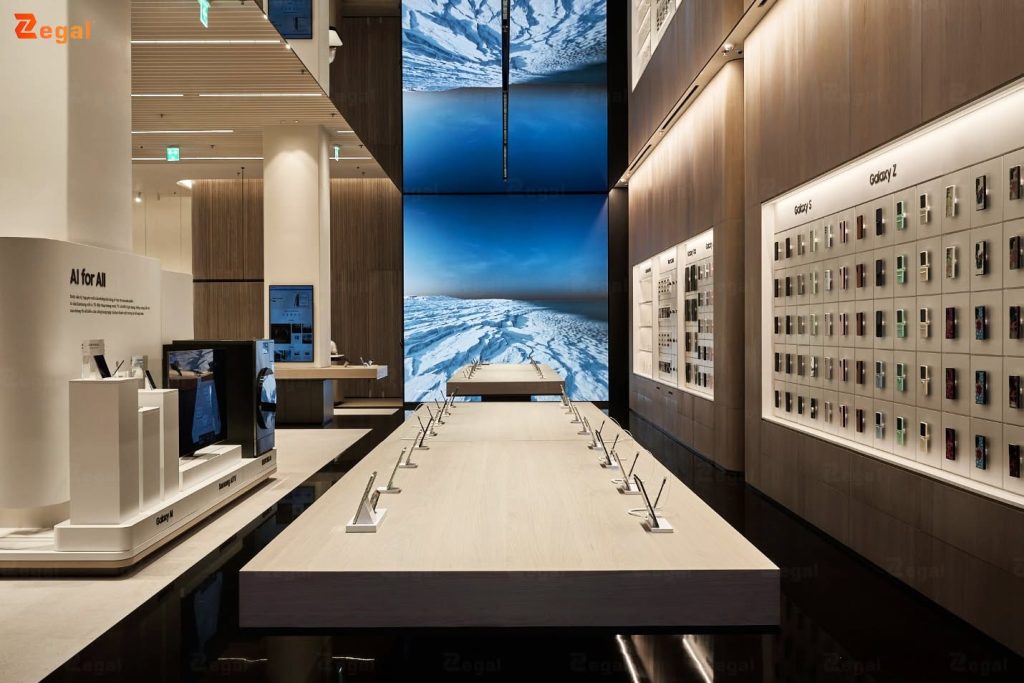
In modern architecture, aesthetic appeal is no longer the sole factor defining value. Buildings are increasingly designed to create “experiential spaces”—environments where light, materials, and forms converge to shape the user’s emotional response.
Within this trend, mirrored ceilings have emerged as a compelling solution, thanks to their ability to reflect light, visually expand the sense of space, and create unique visual effects. When thoughtfully integrated, the ceiling transcends its role as a mere finishing element to become an integral part of the architectural experience.
1. What is experiential space design?
Experiential space design focuses on how people perceive and interact with architecture. A space must not only be beautiful but also evoke emotion and leave a lasting impression. Elements such as lighting, color, materials, sound, and layout all influence the experience; notably, ceilings are increasingly being utilized as surfaces to generate striking visual effects.
Commercial spaces – such as showrooms, hotels, and restaurants—face a particular need to make an immediate impact. This is where solutions like a mirrored ceilings can truly demonstrate their value.
2. Why are mirrored ceilings suitable for experiential spaces?
2.1. Creating a sense of spaciousness
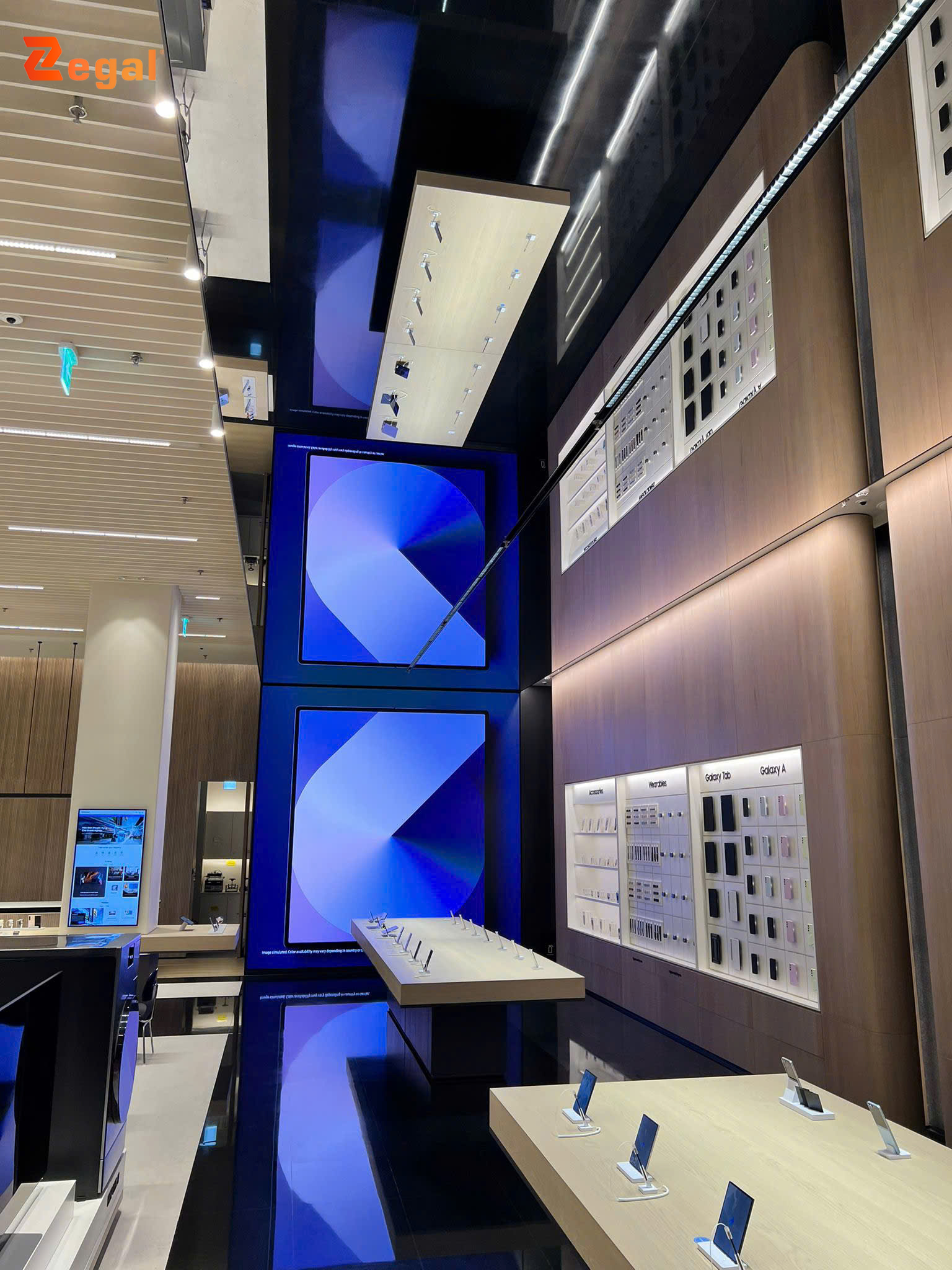
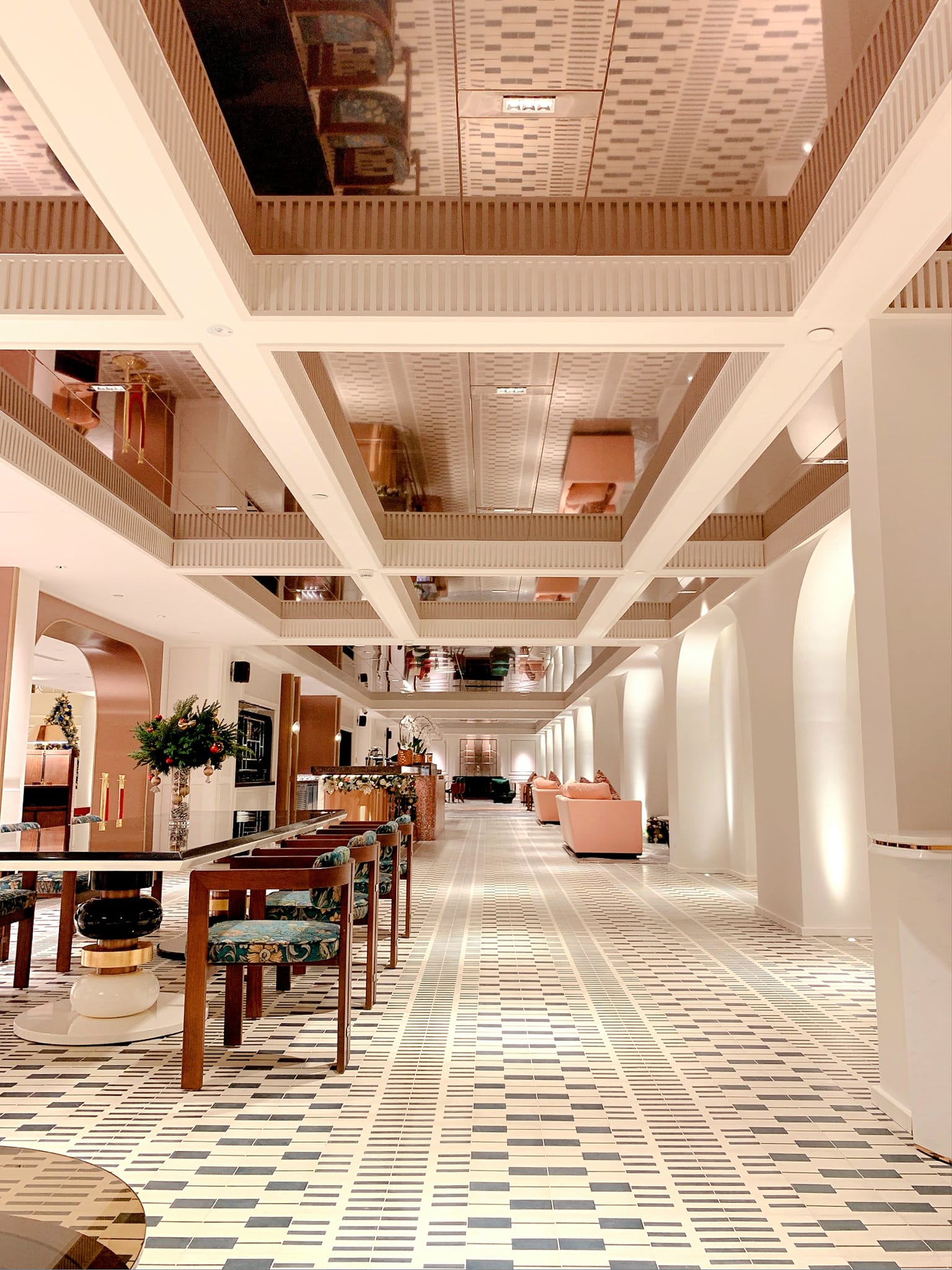
A standout characteristic of mirrored ceilings is their ability to reflect their surroundings. Floors, lighting fixtures, and architectural details appear on the ceiling surface, creating an effect of depth and spatial expansion. This solution is particularly well-suited for areas requiring an airy feel and high visual impact.
However, the effectiveness depends on proportions, viewing angles, and the overall arrangement of materials.
2.2. Enhancing lighting effects
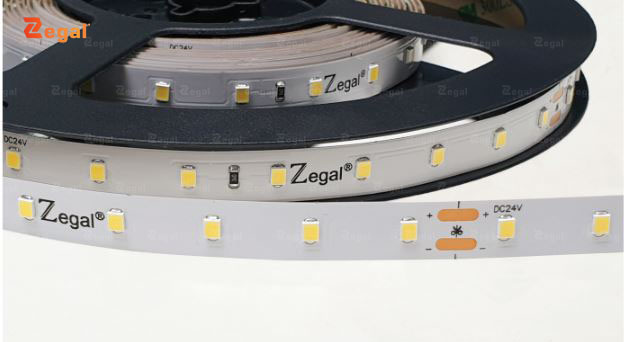
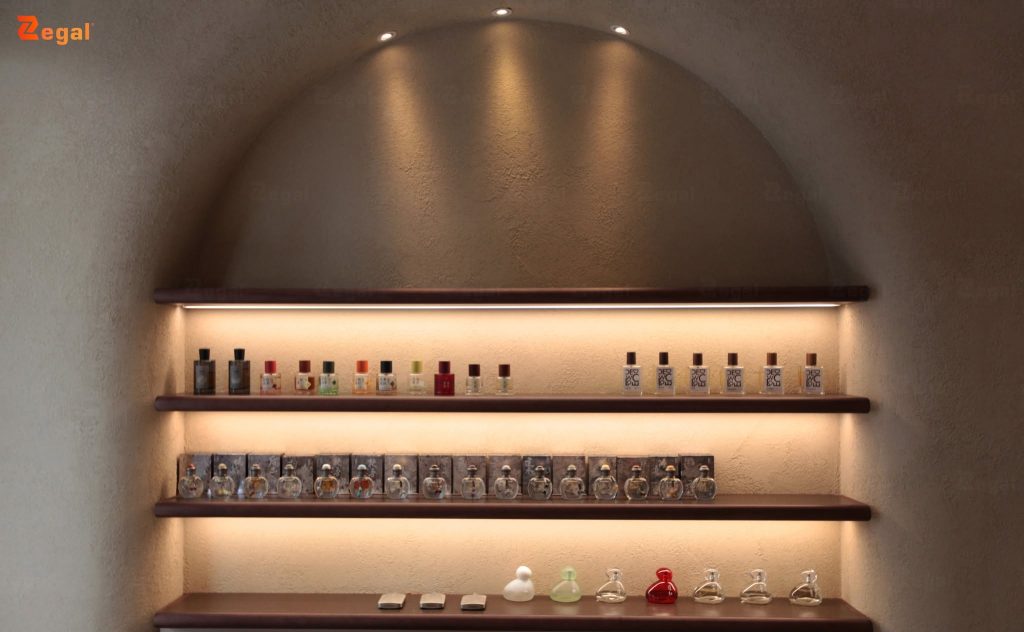
Lighting plays a crucial role in experiential design. When paired with a reflective surface, light sources can generate striking visual effects. LED strips, linear lights, or decorative lighting systems are reflected on the ceiling, allowing light to become an integral part of the architectural language.
This is why mirrored ceilings are frequently favored in projects that prioritize lighting and the user experience.
3. How do mirrored ceilings create visual effects?
Experiential spaces are not perceived solely from a static position; they shift according to the user’s perspective and movement. As one moves beneath a mirrored ceiling, the reflections change based on location. Architectural lines, light, and people combine to form dynamic layers of imagery.
This effect imbues the space with vitality and depth, allowing users to remember the project through their experience rather than just its physical form.
4. Application of mirror ceilings in commercial spaces
4.1. Showrooms
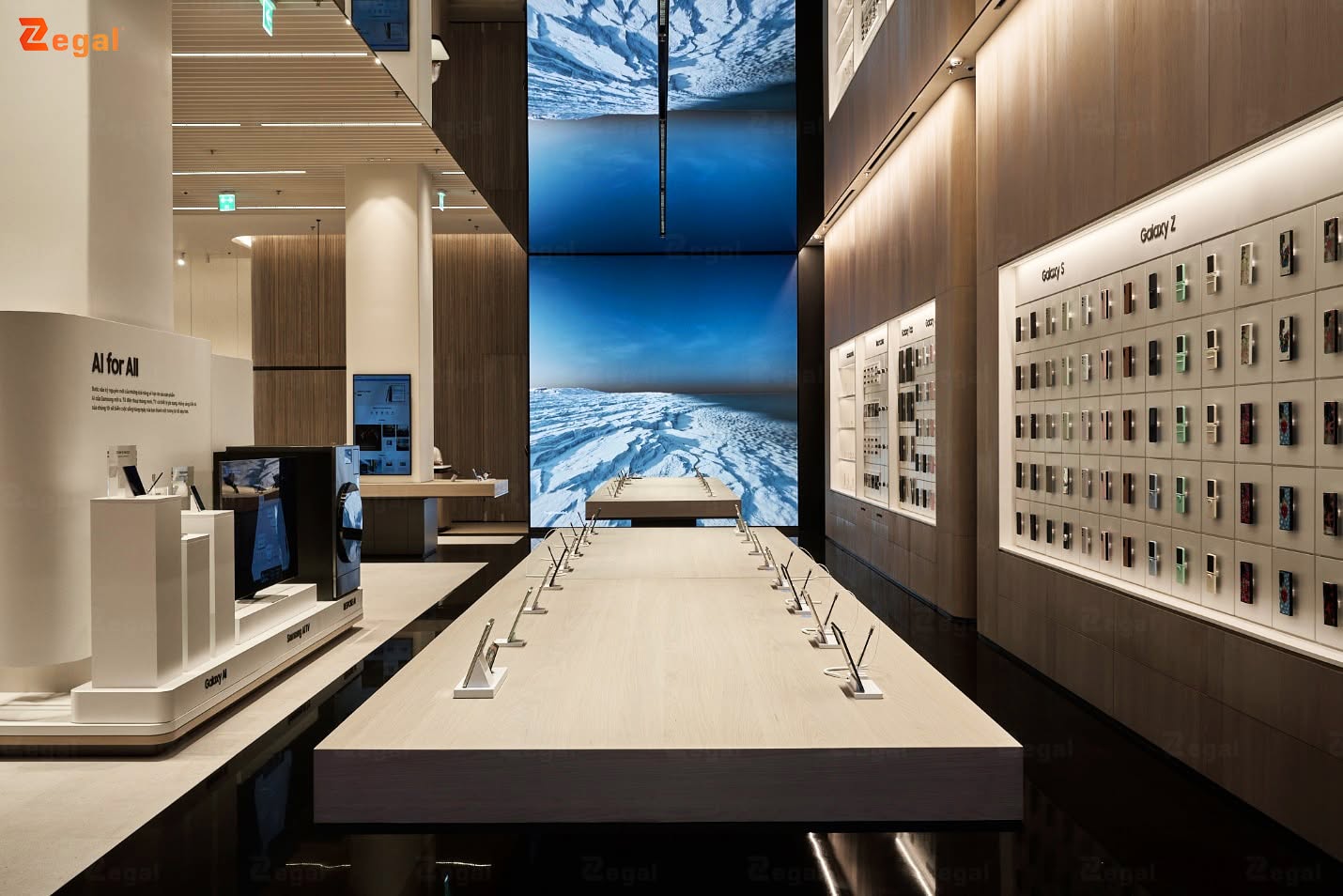
Showrooms need to create a visual impact and clearly reflect the brand’s identity. Mirror ceilings can be combined with lighting systems to create focal points for display areas. The reflection also helps integrate the products, architecture, and lighting into a unified whole.
4.2. Hotels
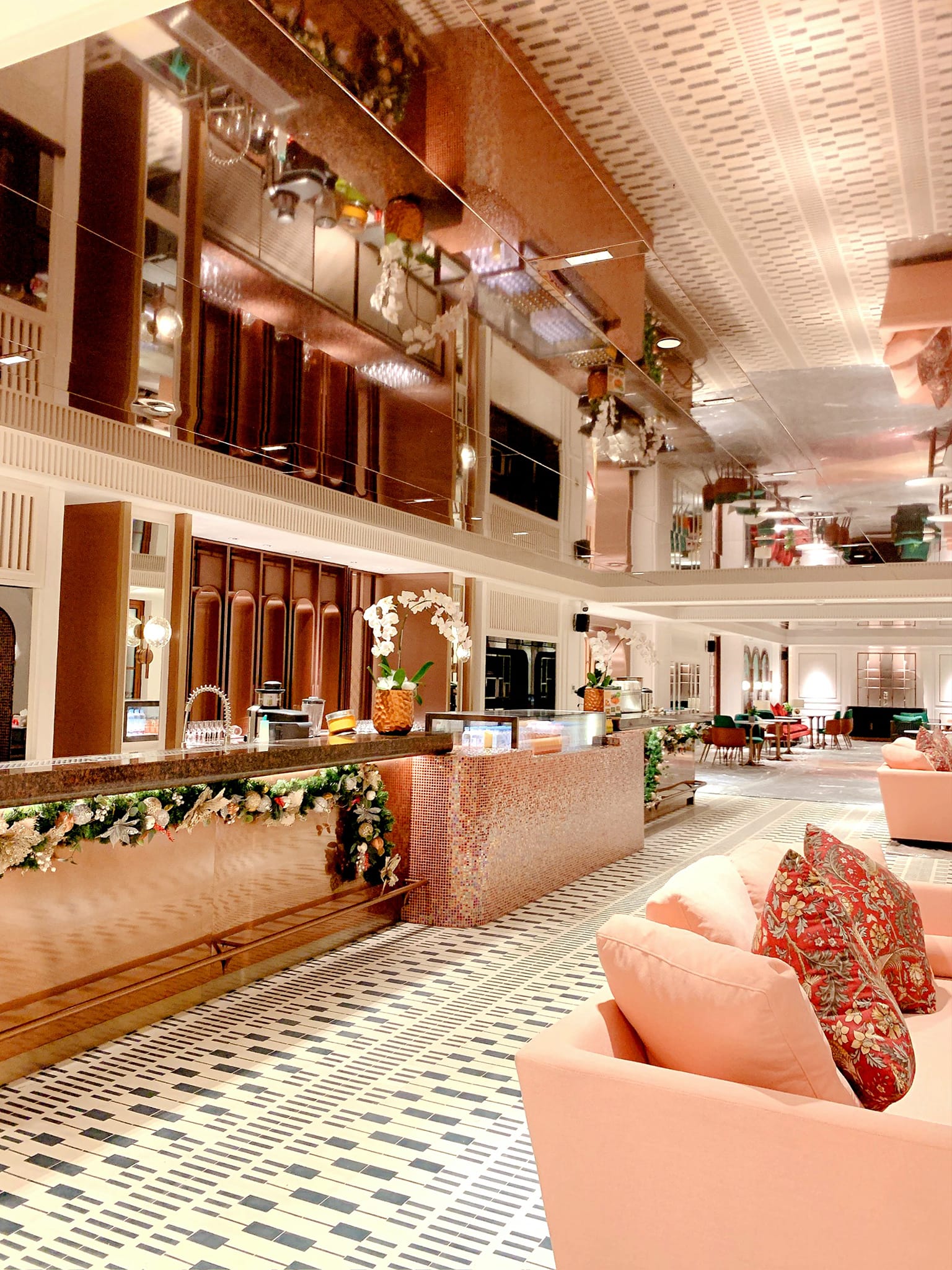
In hotel lobbies, the ceiling is often a key element in creating a first impression. Reflective surfaces can lend the space an air of luxury and added depth. When paired with decorative lighting, the interplay of light on the ceiling creates a high-end, immersive atmosphere.
4.3. Restaurants and F&B
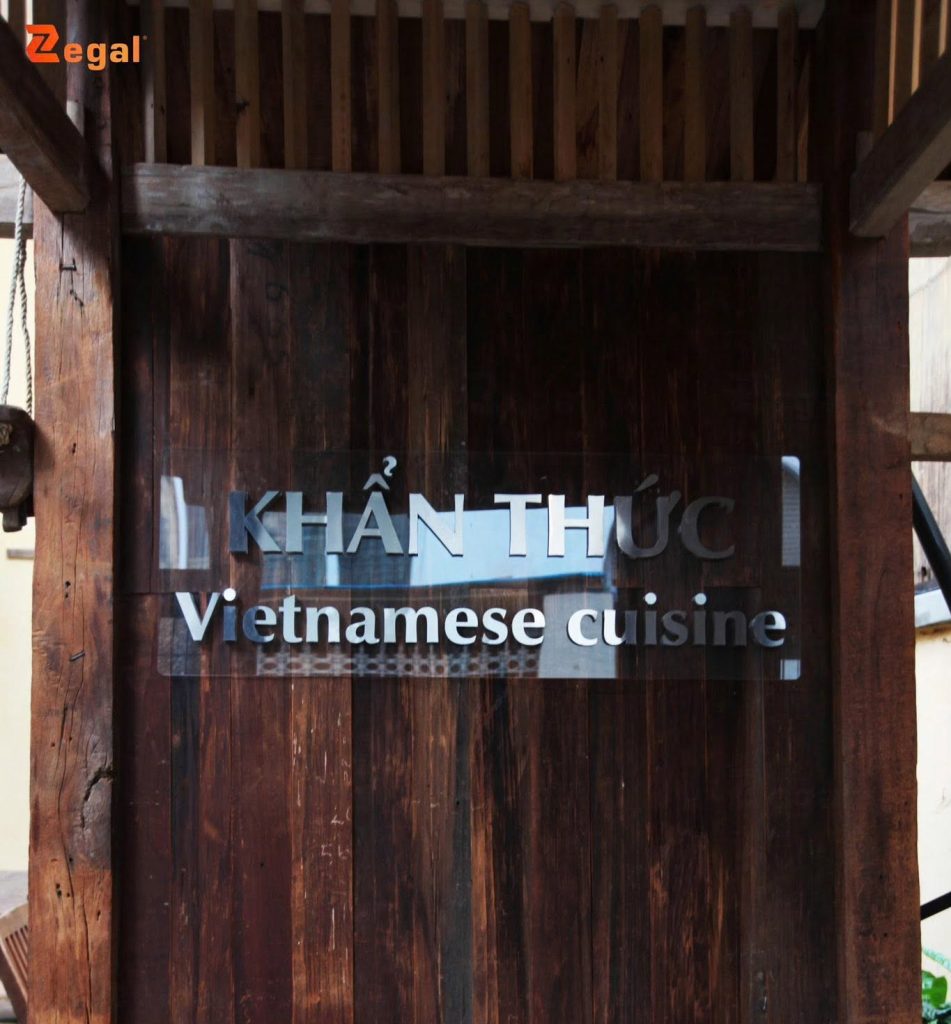
In restaurants, spatial design directly influences the customer experience. Mirrored ceilings can serve as a focal point without requiring excessive additional ornamentation. Applying mirrored ceilings in showrooms helps integrate products, lighting, and architecture into a cohesive whole.
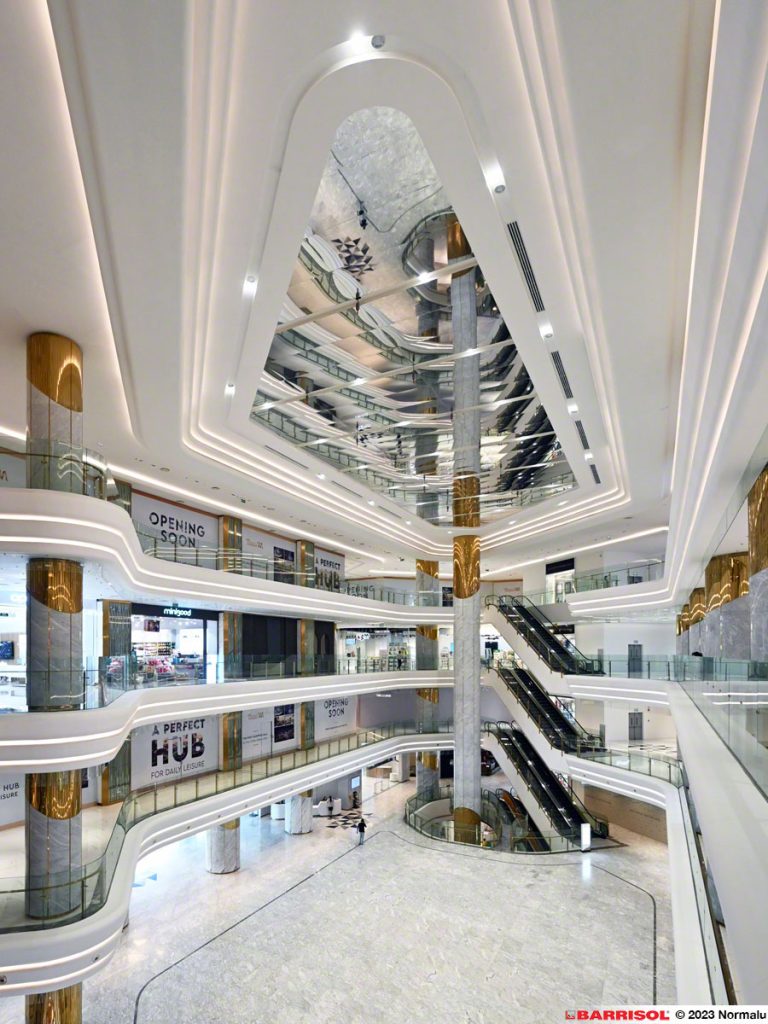
4.4. Shopping Centers
Large commercial spaces often require solutions to create focal points and guide visual flow. Mirrored ceilings can be combined with geometric shapes, curves, or linear lighting. This approach transforms the ceiling into a defining spatial feature rather than merely a finishing element.
5. Considerations for Mirrored Ceiling Design
Simply using a reflective surface does not guarantee an aesthetically pleasing space; mirrored ceiling designs must be considered within the context of the overall architecture. Key factors to determine first include viewing angles, ceiling height, and light source placement, as these directly influence the final reflective effect.
Additionally, the density of details and lighting must be carefully managed. Improper handling can result in a cluttered appearance or unwanted reflections. Therefore, detailed design drawings and a site survey are crucial steps prior to implementation.
Learn more about glossy ceilings here.
6. Mirror Ceilings and the Future of Experiential Design
Modern architectural trends are shifting from designing for the eyes to designing for the senses. Users are increasingly focused on the emotions and experiences evoked when entering a space. In this context, material selection goes beyond mere functionality; the ability to interact with light, form, and people has become an integral part of the design’s value.
Mirror ceilings align perfectly with this trend, offering unique reflective qualities, a sense of depth, and striking visual effects. When harmoniously integrated with lighting and architecture, the ceiling transforms into a memorable focal point.
7. Conclusion
Mirror ceilings are pioneering a new approach to experiential spatial design. Rather than serving merely as a ceiling finish, the material actively contributes to creating depth and evoking emotion. From showrooms and hotels to restaurants and shopping malls, this solution unlocks a wealth of creative possibilities. Above all, success relies on the synchronized planning of design, lighting, and installation techniques.
——
For further consultation, please contact Zegal Vietnam using the details below:
Zegal Hanoi
112 Vo Chi Cong, Nghia Do Ward, Hanoi
Zegal Ho Chi Minh City
319 – C9 Ly Thuong Kiet, Phu Tho Ward, Ho Chi Minh City
Hotline: 0969 14 6688