

Lighting in a home is not only about visibility. It is an invisible language that shapes emotion. Imagine a sunny morning when you step into the living room and the lights gently dim on their own, without touching a switch. That is when a light sensor is quietly at work, a technology that allows space to understand what you need.
1. What is a light sensor
Simply put, a light sensor is a device capable of detecting ambient light levels and sending commands to lighting systems or other devices to respond accordingly.
It acts like a second set of eyes for the home, observing, evaluating, and reacting. When it gets dark, lights turn on automatically. When daylight increases, lights gradually dim to save energy while maintaining comfort.
2. How light sensors work
Most light sensors use light dependent resistors LDR or photoelectric sensors. These components change electrical resistance as light intensity changes. The processor reads this signal and decides whether to switch lights on or off, or adjust brightness levels.
More advanced sensors can measure illuminance in lux and distinguish between natural and artificial light for more precise control. They function like a small brain, keeping lighting stable and comfortable for the eyes.
3. Applications of light sensors in modern living spaces
Light sensors are no longer limited to smart buildings. They are increasingly present in everyday life:
- Indoors: corridor lights, bathrooms, bedrooms, and wardrobes can automatically turn on when it gets dark, enhancing safety and convenience.
- Outdoors: garden and façade lighting activates automatically at dusk, saving energy while enhancing visual appeal.
- Offices and showrooms: sensors help maintain ideal lighting levels for work performance or product display.
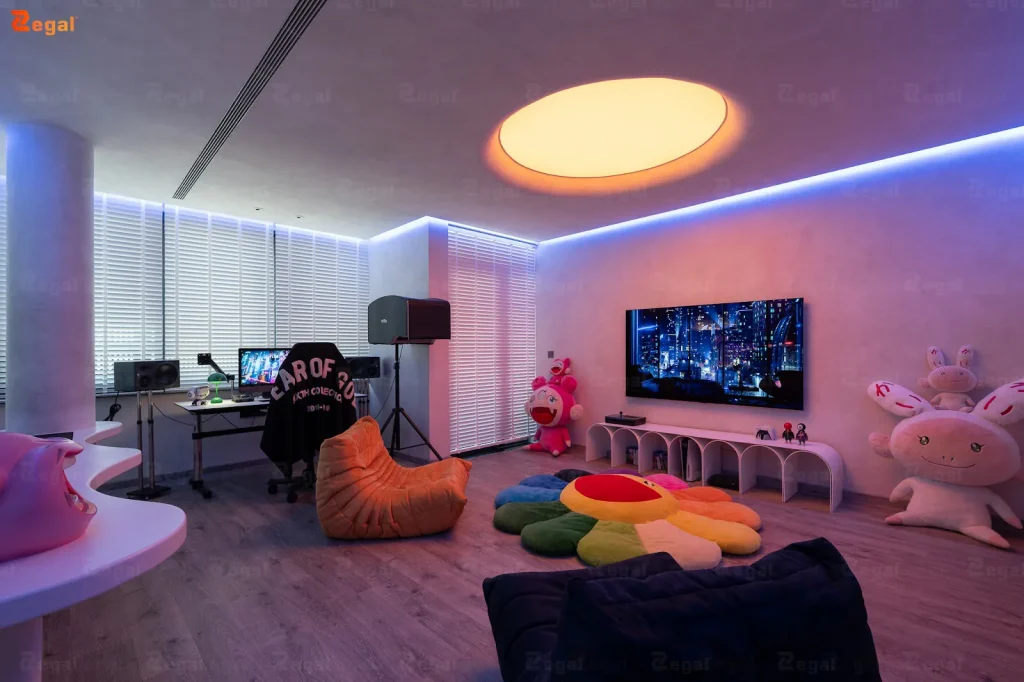
What makes light sensors special is that they do not merely react, they interact. By adjusting brightness smoothly through translucent ceilings, they avoid glare or overly dark conditions, creating a natural comfort similar to daylight.
Xem thêm: Thi Công Trần Xuyên Sáng TPHCM Giá Rẻ, Chất Lượng Cao
4. Light sensors within the smart home ecosystem
In a smart home, light sensors act as a connector that allows everything to operate seamlessly. When integrated with smart panels, automated curtains, or intelligent lighting systems, they can:
- Detect natural daylight levels and command curtains to close or lights to dim.
- Send signals to central controllers such as Moorgen Smart Panels or LTECH Controllers, ensuring stable indoor lighting based on time of day or sunlight intensity.
- Work together with motion sensors to automate complete lighting scenarios.
Imagine returning home in the evening, the door opens, pathway lights glow softly, and the living room lighting feels perfectly warm, all without a single manual action.
5. How to choose and install the right light sensor
When selecting a light sensor, consider the following factors:
- Sensitivity: how accurately the sensor responds to subtle light changes.
- Illuminance range: whether the lux range suits indoor or outdoor environments.
- Delay time: the response time between light change and system reaction.
- Control protocol: ensure compatibility with your system, such as DALI, Zigbee, BLE Mesh, or 0–10V.
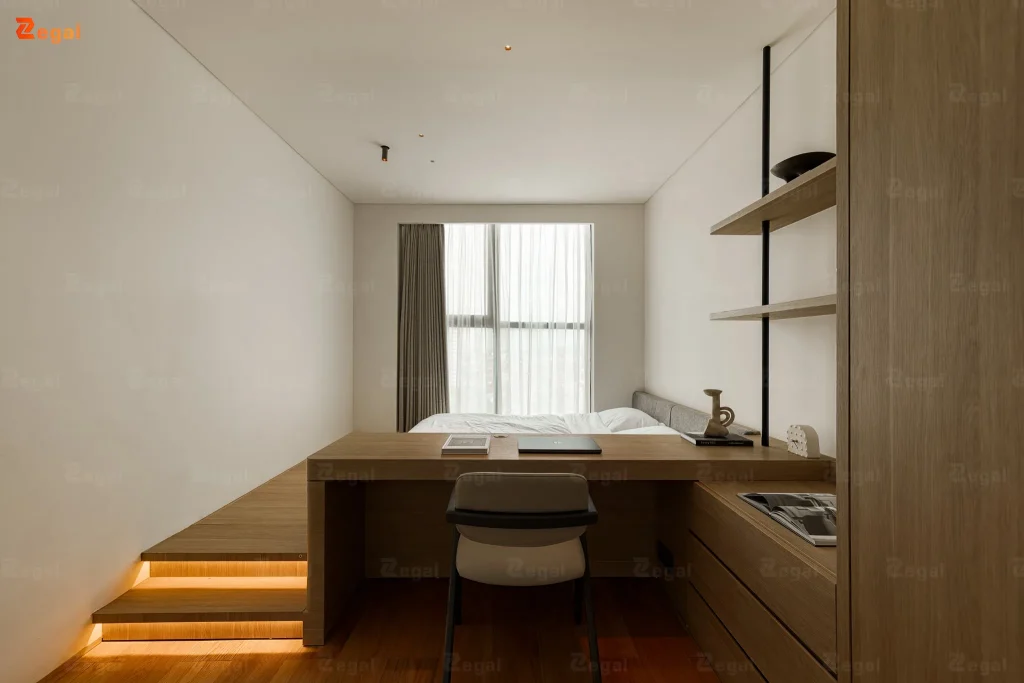
Install sensors in locations where natural light is easily accessible and not obstructed by furniture or objects. In professional lighting systems, sensors are typically placed near main activity areas to ensure accuracy while maintaining aesthetics.
6. Conclusion
In the smart home era, light sensors are no longer secondary devices. They are the heart of intelligent lighting systems. They balance light, save energy, protect visual comfort, and turn a home into a space that listens to your needs.
From compact apartments to luxury villas, from creative offices to high end showrooms, light sensors are redefining how people interact with lighting, not just switching it on and off, but experiencing light in a more natural, dynamic, and intelligent way every day.
——
For further consultation, please contact Zegal Vietnam using the information below:
Zegal Hanoi
112 Vo Chi Cong, Nghia Do Ward, Hanoi
Zegal Ho Chi Minh
319–C9 Ly Thuong Kiet, Phu Tho Ward, Ho Chi Minh City
Hotline: +84969 14 6688