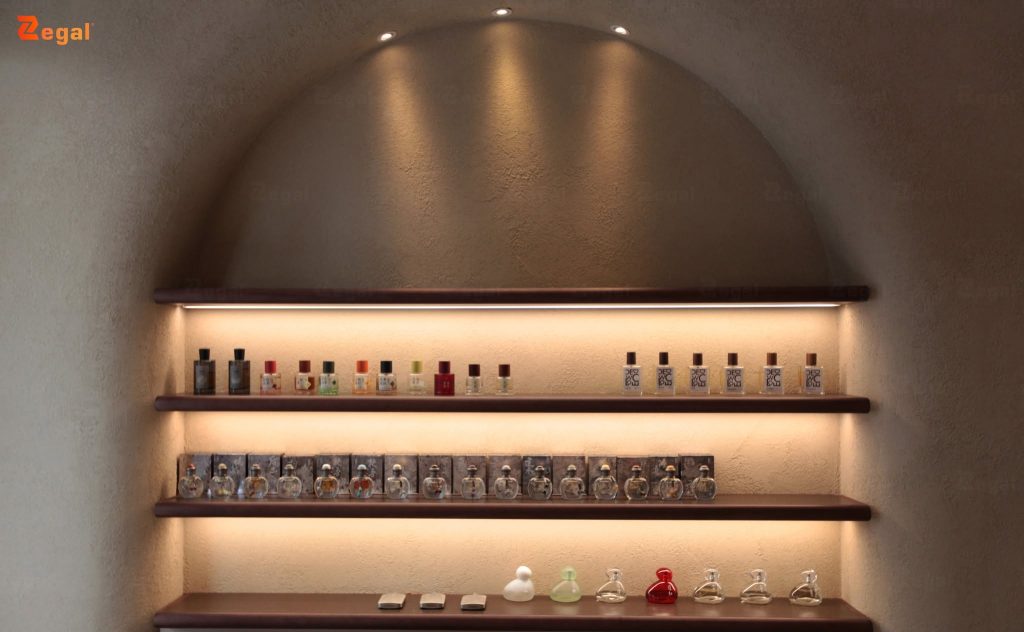


LED lighting is a popular solution for homes, offices, retail spaces, and modern architectural projects. However, choosing the right LED lights involves more than just considering wattage or price. Users should also evaluate factors such as light quality, color temperature, energy efficiency, and the intended application. Making the right choice ensures an appropriate level of brightness, enhances aesthetic appeal, and optimizes operational costs.
1. What are LED lights? Why should you use them?
LED lights are lighting devices that utilize light-emitting diodes (LEDs) to convert electrical energy into light. This technology allows for the design of various types of fixtures, available in a wide range of sizes, colors, and power ratings.
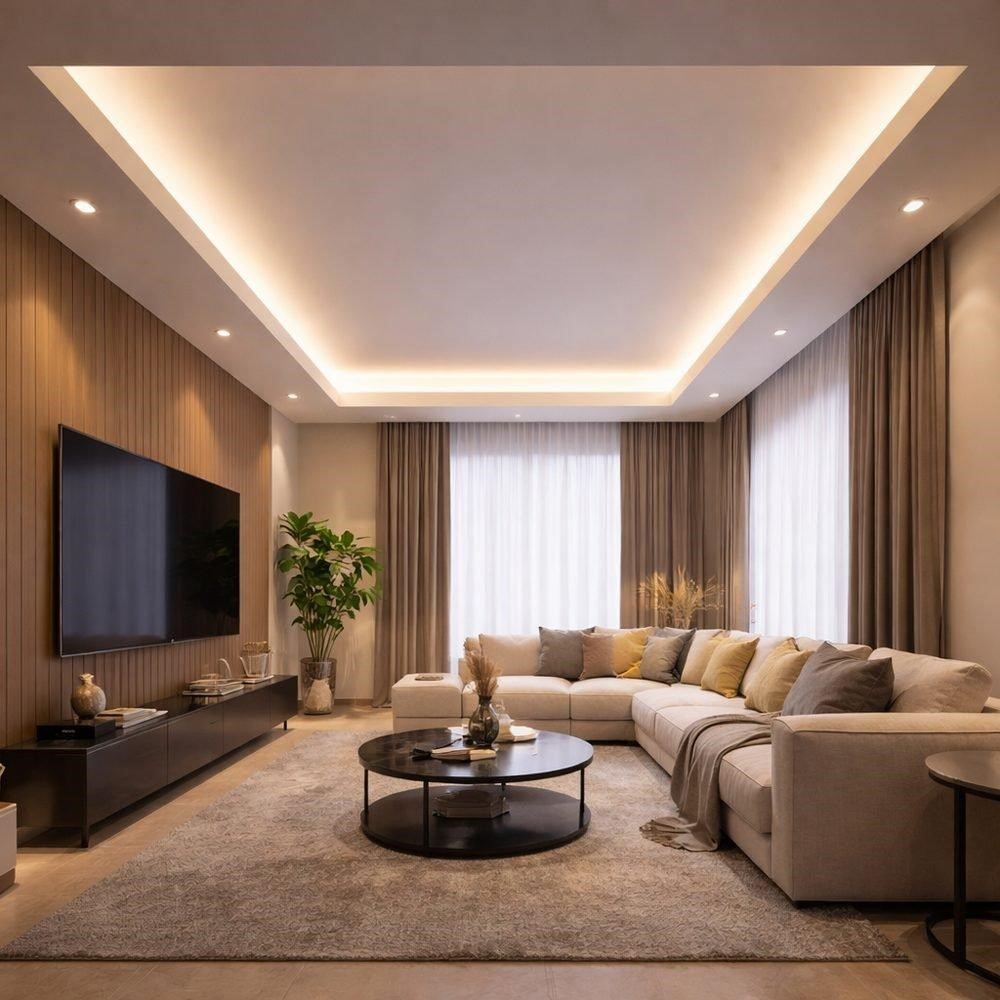
Compared to many traditional lighting technologies, LED lights offer energy efficiency and a long lifespan, provided they are selected and installed correctly. Some models even allow for adjustments to brightness and color temperature to suit specific needs.
In modern architecture, LED lights serve purposes beyond mere functional illumination. They are also used to create focal points, accentuate materials, and add depth to a space.
2. How to choose LED lights based on 6 key criteria
2.1. Selecting the appropriate wattage and luminous flux
Wattage (W) indicates the amount of electrical power a light consumes, while luminous flux (measured in lumens) represents the total amount of light emitted. Therefore, one should not rely solely on wattage to gauge the brightness of an LED light.
When making a selection, prioritize products that clearly state their luminous flux. Additionally, consider the room’s area, ceiling height, and interior color scheme—all of which directly influence the amount of light required. In common living areas, lighting should be evenly distributed and comfortable. For workspaces or product display areas, the lighting requirements should be calculated more precisely based on the intended use.
2.2. Choosing the right color temperature
Color temperature is measured in Kelvin (K) and determines whether the light appears “warm” or “cool.” Selecting the appropriate color temperature helps create a harmonious space while effectively meeting functional requirements.
| Color Temperature | Characteristics | Suggested Spaces |
| 2700K–3000K | Warm gold, relaxing | Bedrooms, living rooms, restaurants |
| Approximately 4000K | neutral, balanced | Offices, kitchens, living areas |
| 5000K–6500K | cool white, bright and clear | Functional spaces, and various commercial spaces |
The levels above are for reference only. The appropriate color temperature also depends on the materials, natural light, and design intent.
2.3. Checking the Color Rendering Index (CRI)
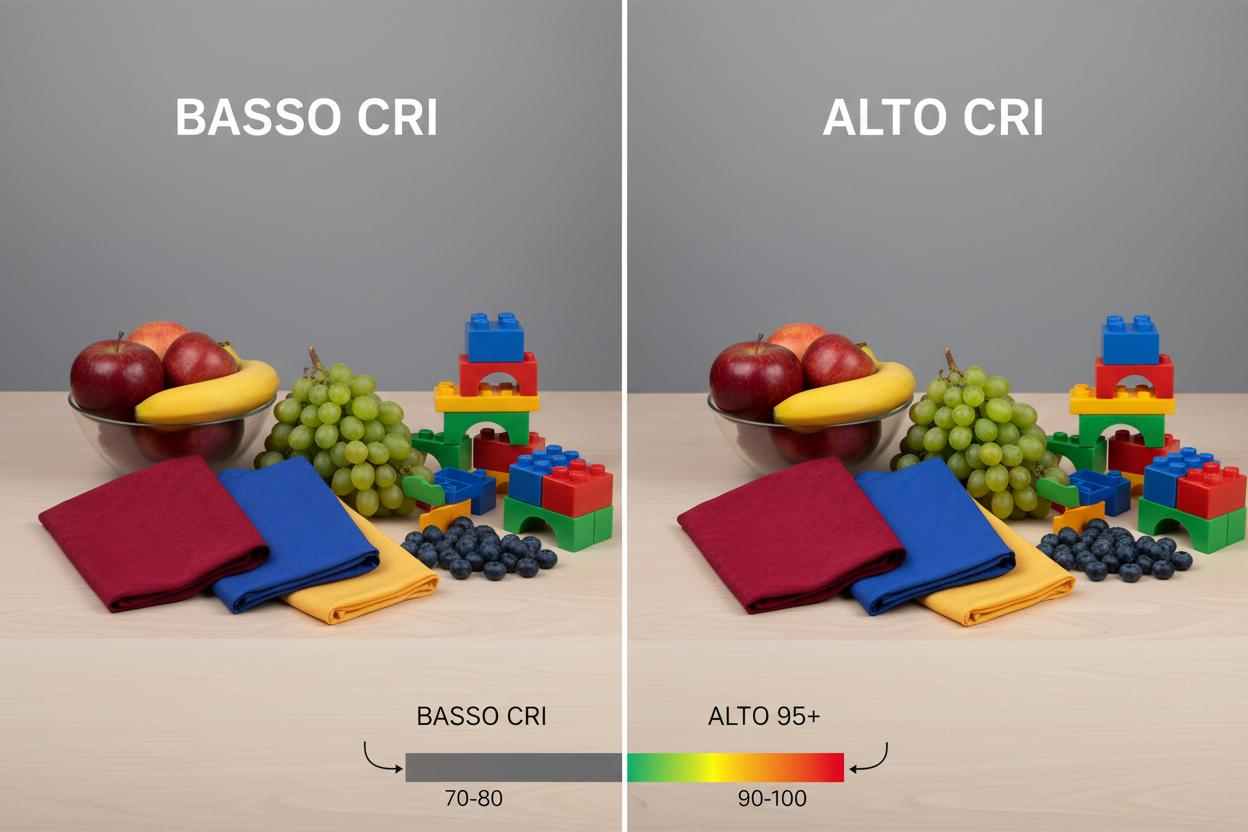
CRI measures a light source’s ability to accurately render the colors of objects. It is typically expressed on a scale from 0 to 100; a higher CRI indicates that colors appear closer to their true, reference colors. For general lighting needs, a CRI of 80 or higher is recommended. For settings such as fashion showrooms, cosmetics stores, or interior design displays, a CRI of 90 or higher is worth considering.
However, CRI does not determine a light’s brightness. When selecting a product, one should consider the Color Rendering Index alongside luminous flux and color temperature.
2.4. Considering Luminous Efficacy
Luminous efficacy is measured in lumens per watt (lm/W) and indicates the amount of light produced for every watt of electricity consumed. Given two products with the same wattage, the one with higher luminous efficacy will generally produce more light. This is a useful metric for optimizing energy consumption in projects that require a large number of lights.
Nevertheless, high efficacy is not the sole indicator of quality. Other factors—such as light stability, heat dissipation, and the quality of the power supply—should also be evaluated.
2.5. Selecting Light Types Based on Intended Use
Different types of LED lights are designed for specific lighting requirements. Defining the intended purpose from the outset helps avoid issues like insufficient lighting or inefficient fixture placement.
Recessed LED lights (downlights): Suitable for general illumination in homes, offices, and retail stores.
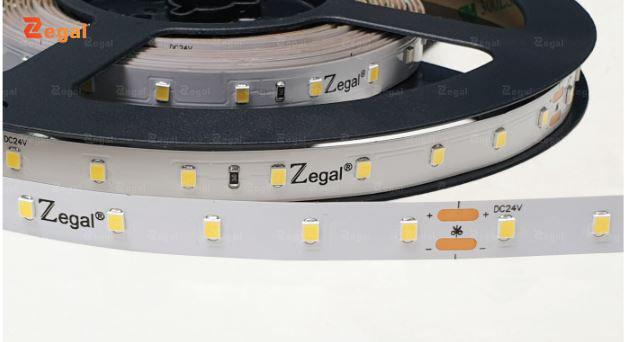
LED strips: Ideal for cove lighting, indirect illumination, creating linear light effects, and integration into stretch ceiling systems.
Spotlights: Used to highlight specific products, artworks, or architectural details. LED panel lights: Provide relatively uniform illumination for offices and workspaces.
Outdoor LED lights: Must have an appropriate ingress protection (IP) rating to withstand rain, dust, and humidity.
Within a single space, various types of lights can be combined to create layers of illumination. This approach helps strike a balance between functionality, aesthetics, and visual comfort.
2.6. Checking Lifespan, Power Supply (Driver), and Warranty
The quality of an LED light depends on its LED chip, power supply (driver), heat dissipation design, and operating conditions. An unsuitable power supply or excessive heat can compromise the product’s stability and lifespan. Before purchasing, review the technical specifications, warranty period, and the availability of replacement parts. For systems with dimming capabilities, ensure that the light fixture and the controller are compatible.
For damp or outdoor areas, verify the IP rating based on the specific installation environment. Do not use lights in conditions that exceed the protection limits specified by the manufacturer.
3. Selecting LED Lights for Different Spaces
3.1. LED Lights for Living Rooms and Bedrooms
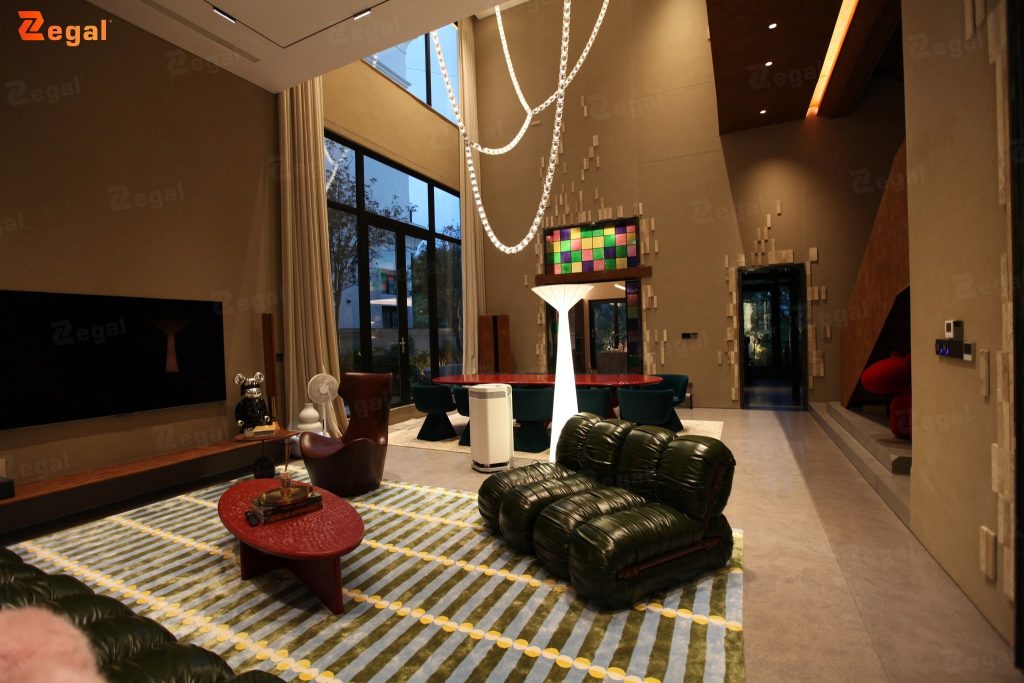
Living rooms require a combination of general lighting and decorative lighting to create depth. Recessed ceiling lights can be paired with LED strip lights (for cove lighting) or accent lights to highlight specific features. For bedrooms, prioritize warm-toned lighting and dimming options. Avoid positioning strong light sources so that they shine directly into one’s eyes while resting.
3.2. LED Lights for Offices
Offices require sufficient illumination for work, while minimizing shadows and glare. Select a color temperature appropriate for the nature of the work, and ensure adequate illuminance levels on desk surfaces. Lighting systems should be distributed evenly to avoid creating areas of intense brightness interspersed with dark zones. For workspaces requiring focused, intensive tasks, considerations should also include the control of flickering and glare.
3.3. LED Lighting for Showrooms and Retail Stores
In showrooms, lighting serves both to facilitate visibility and to influence how products are perceived. Spotlights can highlight specific display areas, while ambient (background) lighting ensures customers can navigate the space comfortably. For products where accurate color representation is essential, prioritize light sources with a high Color Rendering Index (CRI). Spotlights can be combined with LED strips or integrated into stretch ceiling systems to create architectural focal points.
3.4. LED Lighting for Stretch Ceilings
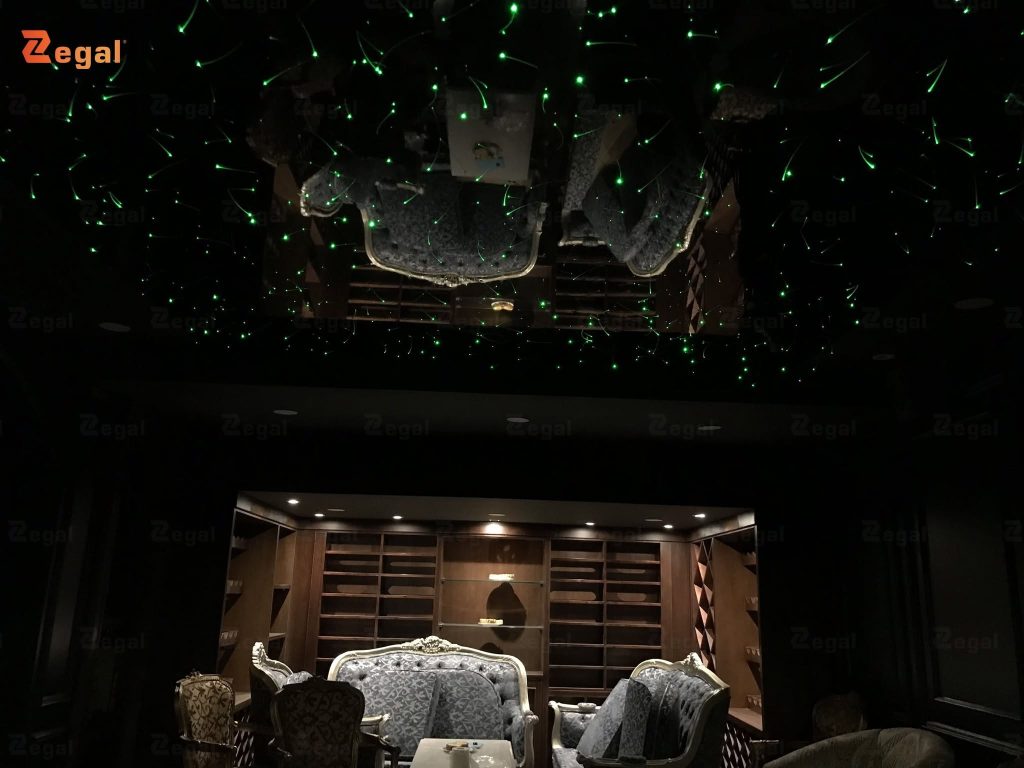
Stretch ceilings utilize a light-transmitting membrane combined with a lighting system installed behind it. Therefore, the selection of LED components must focus on achieving uniform light distribution across the entire surface. Key factors include LED density, power output, the distance between the light source and the membrane, and heat dissipation capabilities. If the layout is not properly planned, the surface may exhibit visible hotspots, dark patches, or an uneven, patchy appearance.
LED strips are an excellent choice for many stretch ceiling systems, as they can be arranged to form continuous lines of light. However, the specific configuration must be calculated based on the dimensions of the ceiling, the properties of the light-transmitting material, and the desired visual effect.
4. LED ZEGAL: Lighting Solutions for Stretch Ceilings
LED ZEGAL is a lighting solution developed and provided by ZEGAL for architectural applications, specifically for stretch ceiling systems. When paired with appropriate light-transmitting materials, this LED system transforms surfaces into luminous planes, enhancing the overall aesthetic appeal of the space.
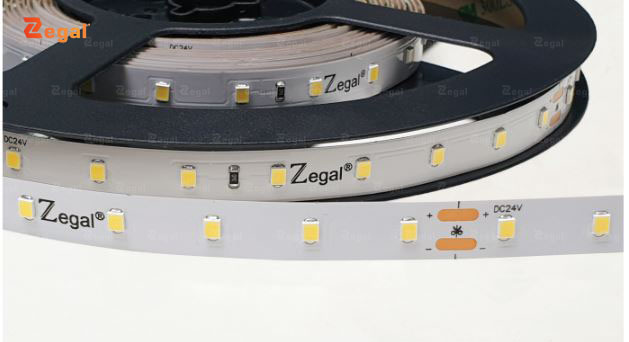
The effectiveness of a stretch ceiling system depends on more than just the quality of the ceiling membrane. The choice of LED lights, the calculation of installation spacing, and the arrangement of light sources all significantly influence the uniformity of the surface.
When selecting ZEGAL LED systems for a project, it is essential to clearly define the ceiling area, the desired light color (color temperature), and the required brightness level. Based on these specifications, our technical team can recommend the optimal configuration for your specific design.
For projects requiring uniform illumination across large areas, it is advisable to review the LED layout drawings and power supply strategy prior to installation. This helps prevent the appearance of “hot spots” (bright points) or dark zones and facilitates future maintenance.
Learn more about ZEGAL LED solutions for stretch ceilings to explore available options and product details.
5. Common mistakes to avoid when selecting LED lights
5.1. Choosing lights based solely on wattage
Higher wattage does not necessarily equate to better lighting performance. Instead, compare luminous flux (total light output) and luminous efficacy to accurately evaluate a light source’s performance.
5.2. Using the same light color for every area
Different spaces serve different functions. Applying the same color temperature throughout can result in a lack of harmony or fail to meet the specific needs of certain areas.
5.3. Overlooking heat dissipation
LED lights require an appropriate operating temperature. Installing them in overly enclosed spaces or using designs with poor heat dissipation can significantly reduce the system’s lifespan.
5.4. Failing to plan the lighting system from the start
Adding lights after the ceiling has been completed can increase costs and compromise the overall aesthetic. For new construction projects, it is best to integrate the lighting design during the architectural planning phase. 6. Conclusion
Selecting the appropriate LED lighting requires considering factors such as intended function, luminous flux, color temperature, CRI, luminous efficacy, and installation conditions. There is no single “optimal” light for every space; rather, choices should be based on the specific requirements of each project.
For stretch ceiling systems, it is essential to ensure compatibility between the LEDs, the light-transmitting material, and the installation structure. Proper planning from the outset will result in superior lighting performance and enhanced aesthetics.
——
For further consultation, please contact Zegal Vietnam using the information below:
Zegal Hanoi
112 Vo Chi Cong, Tay Ho District, Hanoi
Zegal Ho Chi Minh City
319 – C9 Ly Thuong Kiet, Phu Tho Ward, Ho Chi Minh City
Hotline: 0969 14 6688