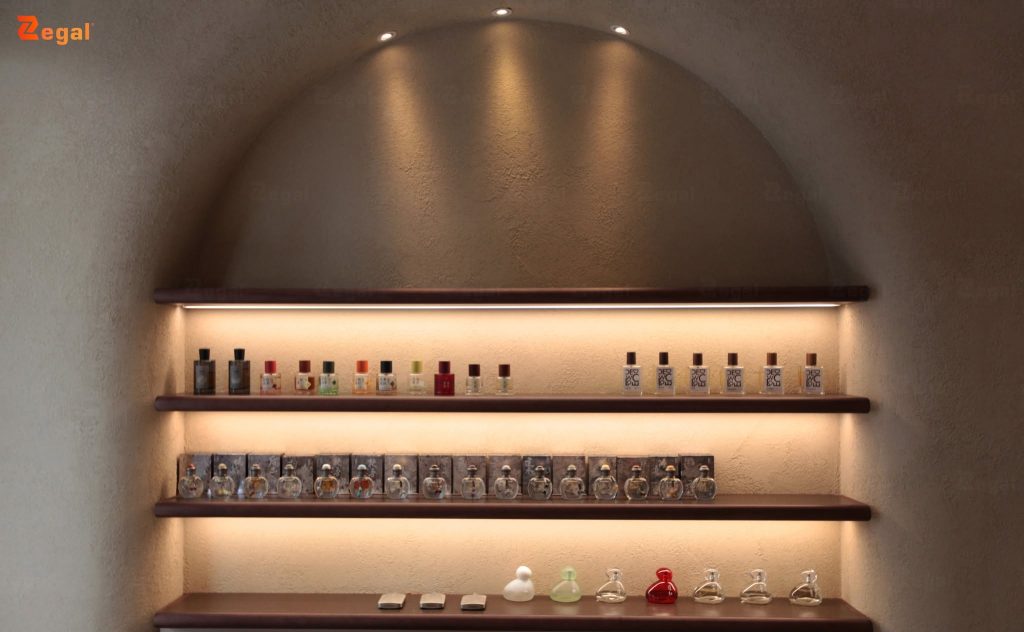


In 2024, the interior design industry continues to undergo remarkable transformations, emphasizing comfort, aesthetics, and eco-friendliness. As society evolves, interior design is no longer just about organizing living spaces—it has become a reflection of personal style, individuality, and contemporary trends. Below are five leading interior design trends predicted to shape the year ahead.
1. Experience-driven and emotionally engaging design
Customer emotions take center stage in modern interior design, supported by technologies like AI and IoT (Internet of Things). These advancements enable flexible control of living environments and deliver enhanced user experiences. From adjusting temperature and lighting to creating adaptive workspaces, smart technology is unlocking endless possibilities for interior spaces.
This trend extends beyond homes to corporate offices worldwide, where modern technology is being seamlessly integrated into interior design. By creating comfortable and dynamic work environments, companies are boosting productivity and strengthening employee loyalty, fostering a deeper connection between staff and their workplace.

2. Bringing nature indoors
As environmental sustainability becomes increasingly crucial, incorporating natural elements into interior design has emerged as a vital trend.
The presence of greenery, along with natural materials like wood and stone, not only creates beautiful and comfortable spaces but also promotes mental and physical well-being. Integrating nature into interiors is a significant step toward sustainable design, aligning with the growing demand for eco-friendly living solutions.

3. Flexible and multifunctional spaces
Adaptable spaces that easily transition between functions are a standout trend in interior design. This is particularly relevant as limited living and working spaces become more common in the post-COVID-19 era. Smart, innovative design solutions optimize utility and ensure comfort in every square meter.
For offices, the rise of remote work has led to a rethinking of traditional layouts. Open office designs with modular, flexible furniture allow businesses to adapt to changing needs while maximizing space efficiency.

4. Minimalism
Minimalism, defined by simplicity and elegance, remains a highly favored trend. Its appeal continues to grow among designers and homeowners who value clarity and focus in their living spaces.
This design philosophy emphasizes quality over quantity, creating “less but better” spaces that are clean, functional, and visually refined. Beyond aesthetics, minimalism reflects a meaningful way of life—simplifying to prioritize sustainability and essential values.

5. Maximalism
In contrast to minimalism, maximalism celebrates the idea that “more is more,” characterized by bold use of colors, patterns, textures, and decorative elements. This trend creates vibrant, personalized spaces that showcase the homeowner’s unique taste and individuality.
To execute maximalism effectively, balance is key. Establishing a cohesive color palette and layering with textures, accents, and accessories helps maintain harmony while avoiding clutter. Maximalism is not about excess; it’s about mastering the art of combining elements to create a space that feels dynamic and intentional.

6. Conclusion
As technology advances and lifestyles evolve, interior design in 2024 goes beyond aesthetics to prioritize functionality, comfort, and sustainability. Designers are challenged to blend creativity, expertise, and a deep understanding of modern needs, crafting spaces that truly reflect contemporary values.
Stay updated with Zegal to explore the latest global trends in interior design.
Contact Zegal Vietnam for more information:
Zegal Hanoi
112 Vo Chi Cong, Nghia Do Ward, Cau Giay District, Hanoi
Zegal Ho Chi Minh
319 – C9 Ly Thuong Kiet, Ward 15, District 11, Ho Chi Minh City
Hotline: +84969 14 6688
See more
- Xu Hướng Màu Sắc Nổi Bật Trong Thiết Kế Nội Thất Năm 2024
- Lợi ích của Trần Xuyên Sáng đối với không gian nội thất
- Nghệ thuật phong thủy sắp xếp nội thất mang lại thịnh vượng