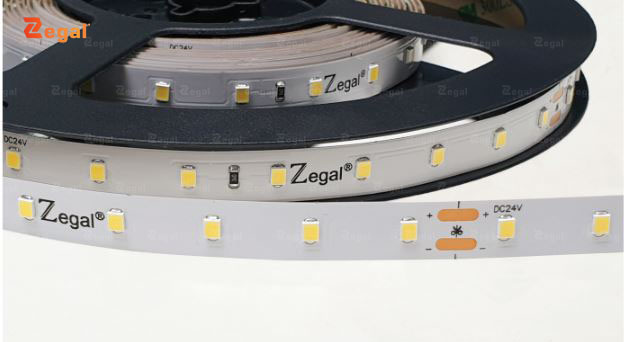


A well planned lighting design not only ensures daily activities are carried out comfortably, but also enhances aesthetics and creates a sense of relaxation for residents. So what should be considered in apartment and condominium lighting design to achieve optimal results?
This article explores seven essential standards in modern lighting design.
1. What is lighting design?
Lighting design is not simply about placing fixtures to provide illumination. It is a scientific process combined with aesthetic consideration to create a living environment that is functional and emotionally engaging.
In apartments and condominiums, where space is often limited by floor area, lighting plays an even more decisive role. It helps expand spatial perception, add depth, and deliver a greater sense of comfort for occupants.
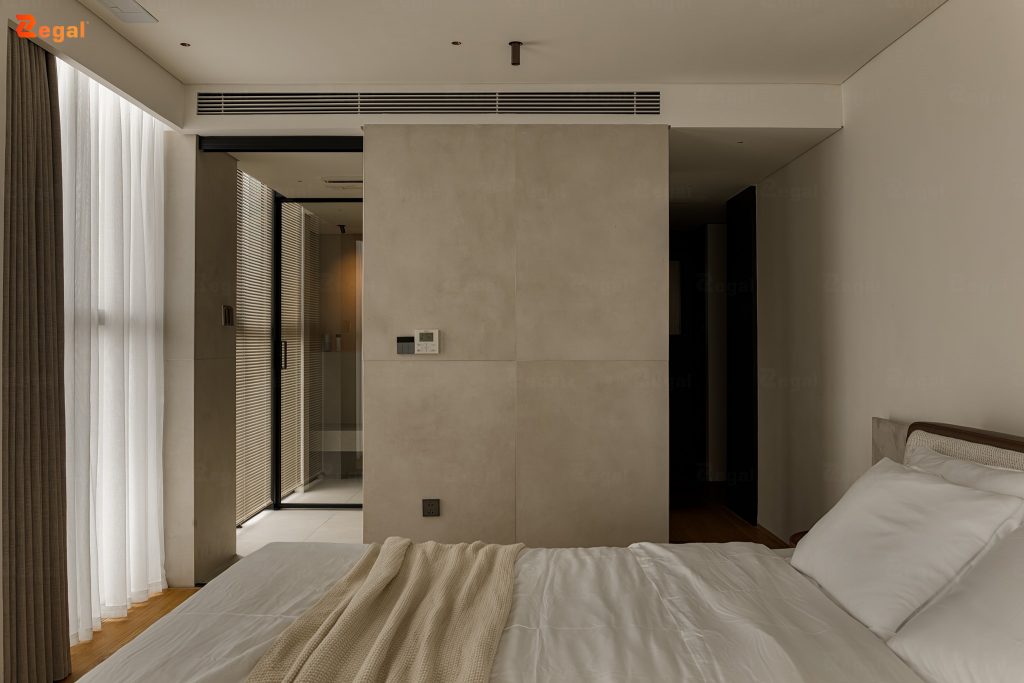
A well designed lighting system balances functional lighting, which ensures sufficient illumination for daily activities, study, and work, with aesthetic lighting, which creates focal points and enhances artistic value. How can this balance be achieved? The following principles and standards provide a clear framework.
2. Principles of interior and exterior lighting design
2.1. Principles of interior lighting design
In apartment and condominium lighting design, interior lighting is the core element. Several fundamental principles should be considered:
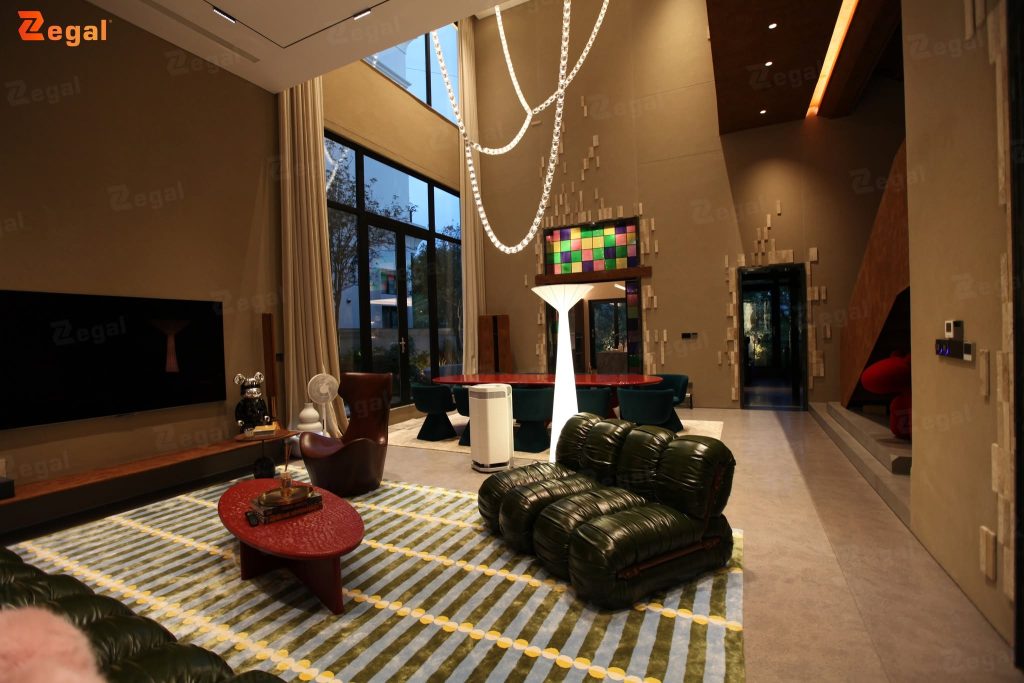
- Layered lighting: Instead of relying on a single light source, combine general lighting, task lighting, and accent lighting. For example, ceiling lights provide overall illumination, desk lamps support reading, and accent lights highlight artwork to enhance visual interest.

- Utilizing natural light: Sunlight helps reduce energy consumption and creates a sense of openness. The strategic placement of windows, light colored curtains, and reflective surfaces such as mirrors are effective methods.
- Light color selection: Warm light at 2700–3000K creates a cozy atmosphere for living rooms and bedrooms. Neutral light around 4000K is suitable for kitchens, while cool white light at 5000–6500K is recommended for study and work spaces.
2.2. Principles of exterior lighting design
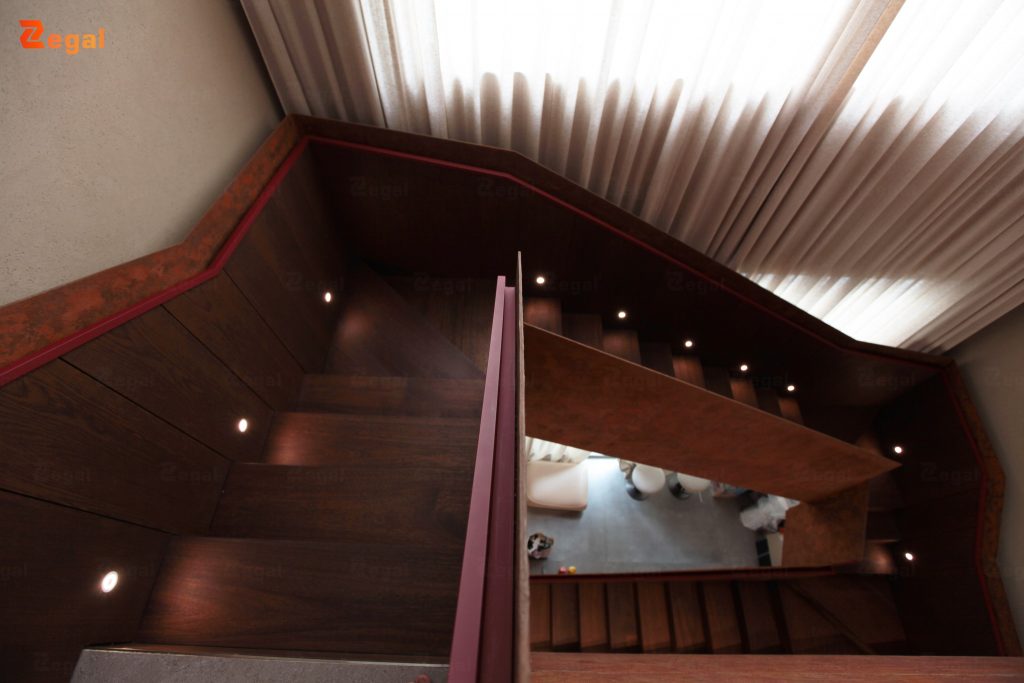
For high end apartments or condominiums with balconies and circulation paths, exterior lighting also requires careful consideration:
- Directional lighting: Wall washing lights and floor recessed lights help define pathways and ensure safe movement.
- Landscape accent lighting: Balconies with greenery become more visually engaging when highlighted with focused lighting.
- Security considerations: Outdoor lighting systems should provide sufficient brightness, be energy efficient, and allow integration with motion sensors to enhance safety.
3. Methods for designing lighting in high end apartments
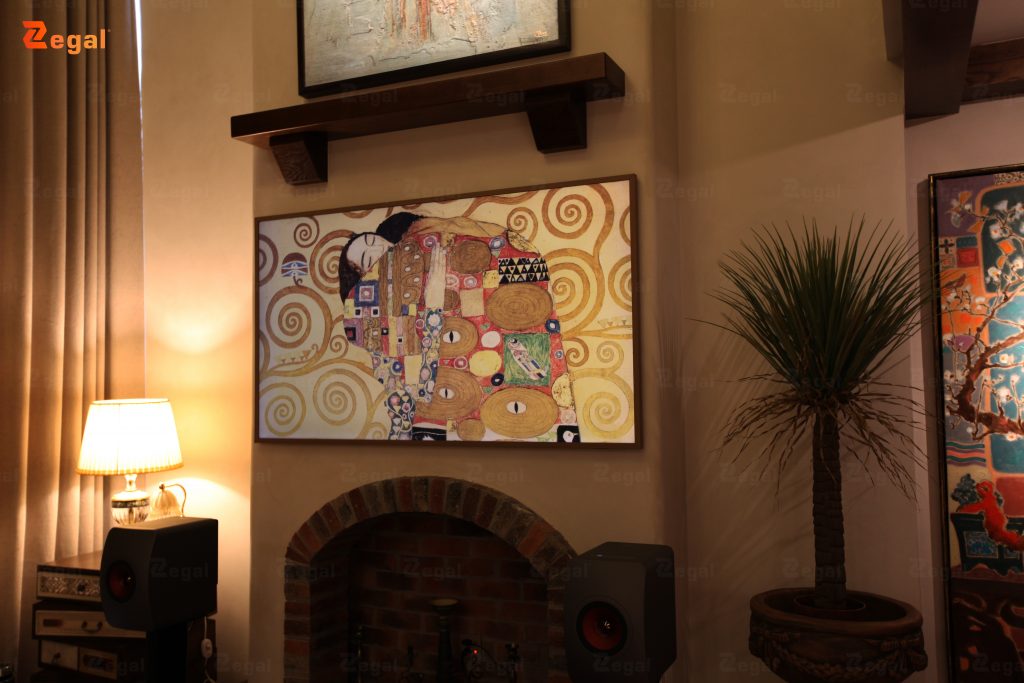
Today, lighting design goes beyond functionality and reflects lifestyle and personal taste. Several advanced approaches are widely applied in apartment and condominium lighting design:
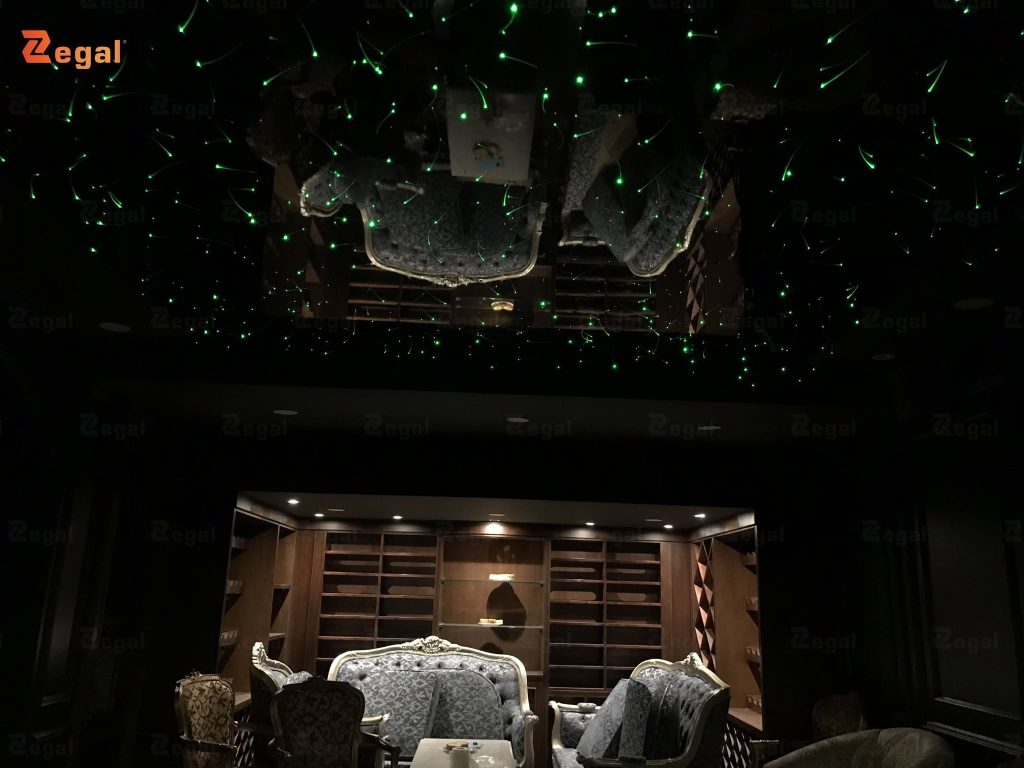
- Translucent ceilings: A modern solution that distributes light evenly and creates the perception of a higher and more spacious ceiling.
- Smart lighting systems: Allow control of brightness and color through smartphones or voice commands, and enable lighting scenes tailored to specific activities.
- Indirect lighting: Uses cove lighting and wall washing to deliver soft, glare free illumination while enhancing the sense of refinement within the space.
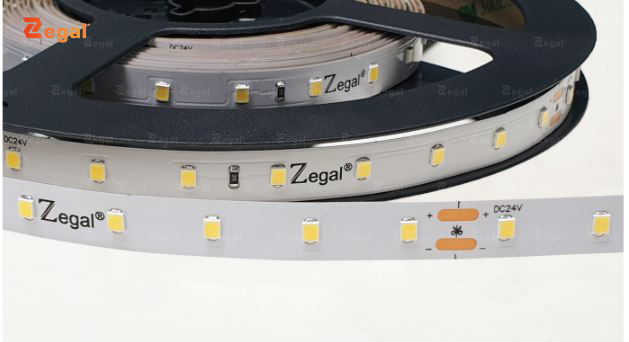
- Energy efficient LED technology: LED lighting offers long lifespan, low energy consumption, and a wide range of designs suitable for various interior styles.
4. 7 standards for light sources in lighting system design
To achieve optimal results, apartment and condominium lighting design should comply with the following seven standards:
- Illuminance: Living rooms typically require 100–300 lux, kitchens 300–500 lux, workspaces around 500 lux, and bedrooms 75–150 lux.
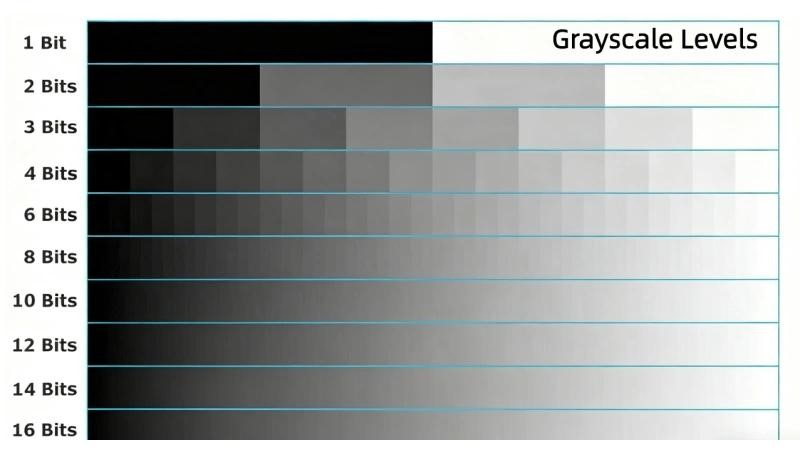
- Luminance: Excessively harsh light that causes glare should be avoided, especially in bedrooms and work areas.
- Color rendering index (CRI): Lighting fixtures with a CRI above 80 are recommended to ensure accurate color reproduction, particularly in living rooms or decorative display areas.
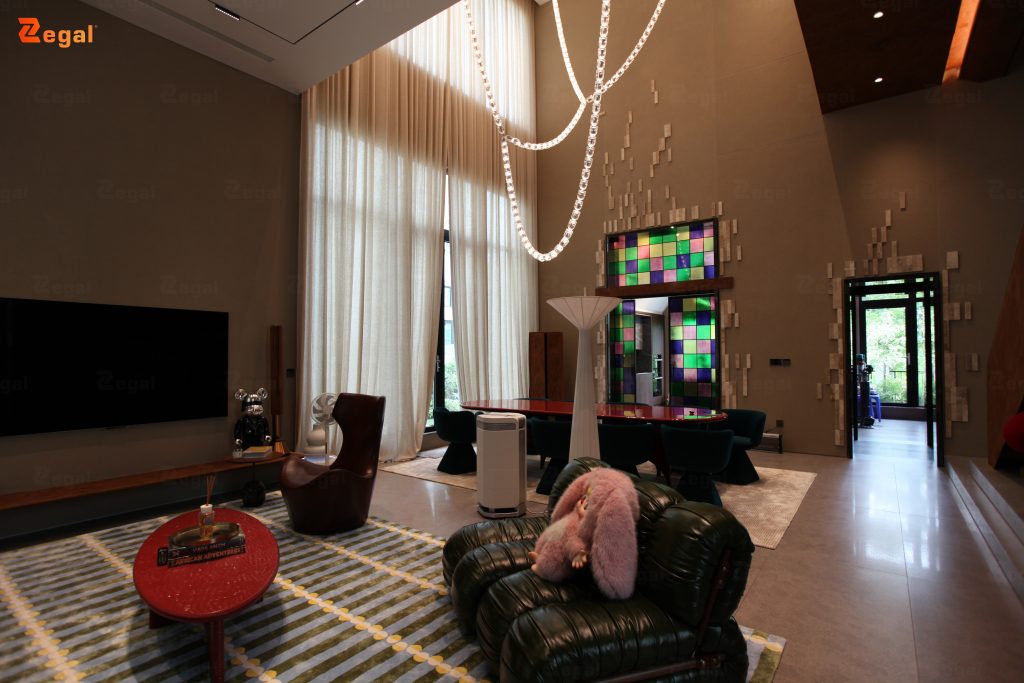
- Color temperature (CCT): Select light color appropriate to the function of each space, as outlined in the previous section.
- Light distribution: Light sources should be arranged carefully to avoid dark areas or uneven brightness.
- Energy efficiency: Prioritize LED lighting, sensor based systems, and dimming technology to reduce energy consumption.
- Electrical safety and maintenance: Lighting systems must comply with safety standards and allow for easy replacement and regular maintenance to ensure long term performance.
5. Conclusion
Apartment and condominium lighting design is not simply about selecting visually appealing fixtures. It is a carefully considered process that requires a balanced integration of technical knowledge and aesthetic judgment. If you are seeking to optimize lighting in your living space, begin by applying fundamental principles, incorporating modern approaches, and following the seven lighting standards outlined above. A well designed lighting environment enhances comfort, safety, and inspiration in everyday life.
——
For further consultation, please contact Zegal Vietnam using the information below:
Zegal Hanoi
112 Vo Chi Cong, Nghia Do Ward, Hanoi
Zegal Ho Chi Minh
319–C9 Ly Thuong Kiet, Phu Tho Ward, Ho Chi Minh City
Hotline: +84969 14 6688