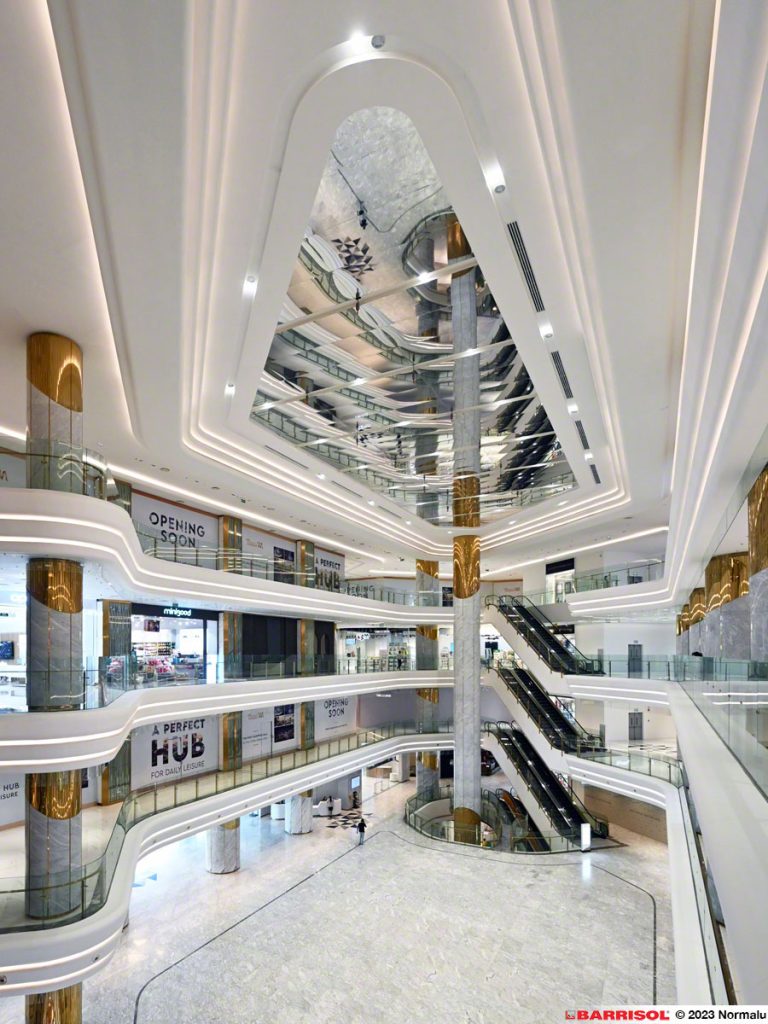


Lighting in schools is not merely a technical element. It is part of the educational environment. When classrooms are properly lit, students see more clearly, focus better, and maintain stable energy levels throughout the learning session.
A learning space with insufficient light, glare, or poorly distributed illumination can directly affect eyesight, sitting posture, and the ability to absorb knowledge. This is why the concept of school lighting is increasingly emphasized in modern lighting design.
1. What is school lighting and why is it important?
School lighting refers to lighting systems designed according to technical criteria to ensure classrooms maintain stable, uniform, and eye safe illumination. These systems must meet core requirements such as illuminance lux levels, color rendering index CRI, glare control UGR, light distribution, and overall visual comfort.
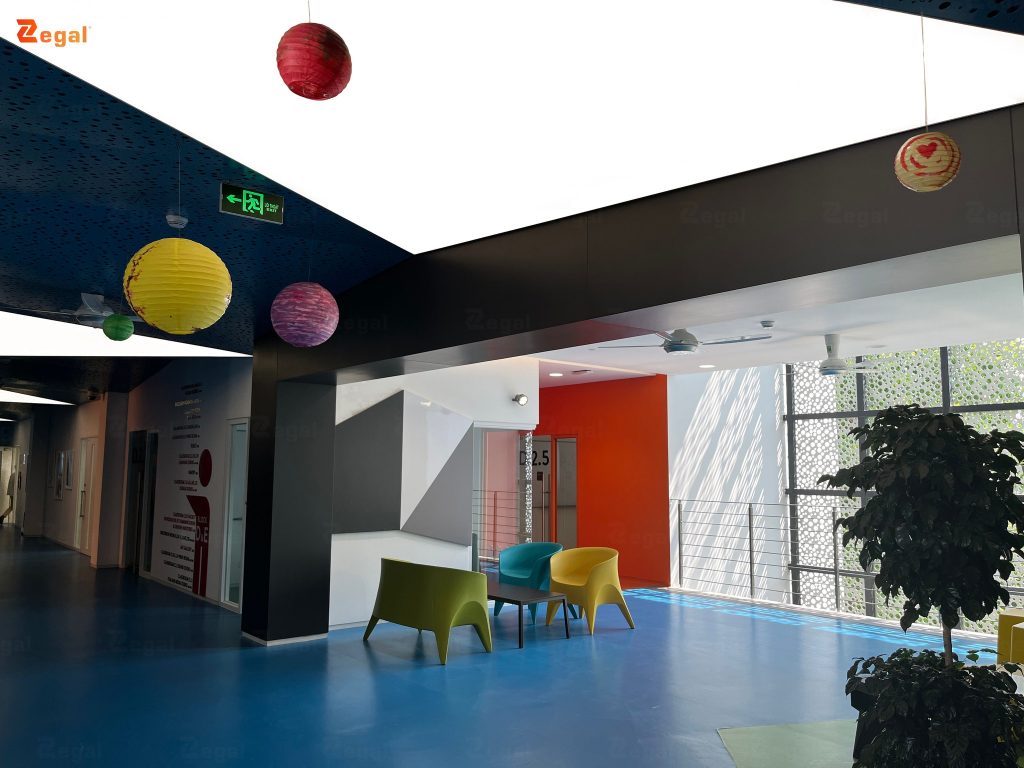
Lighting that meets standards not only helps students see writing on the board clearly but also reduces eye strain, supports sustained attention, and can positively influence mood.
Have you noticed how a uniformly bright classroom keeps students more alert than a dim one, even if the difference seems small? This is the direct impact of light on the brain.
2. Principles for creating a bright and comfortable learning environment
A standard compliant school environment requires a minimum illuminance of 300 to 500 lux depending on the area, while classrooms are typically designed around 500 lux to ensure students can clearly see fine details such as pencil strokes or small printed text.
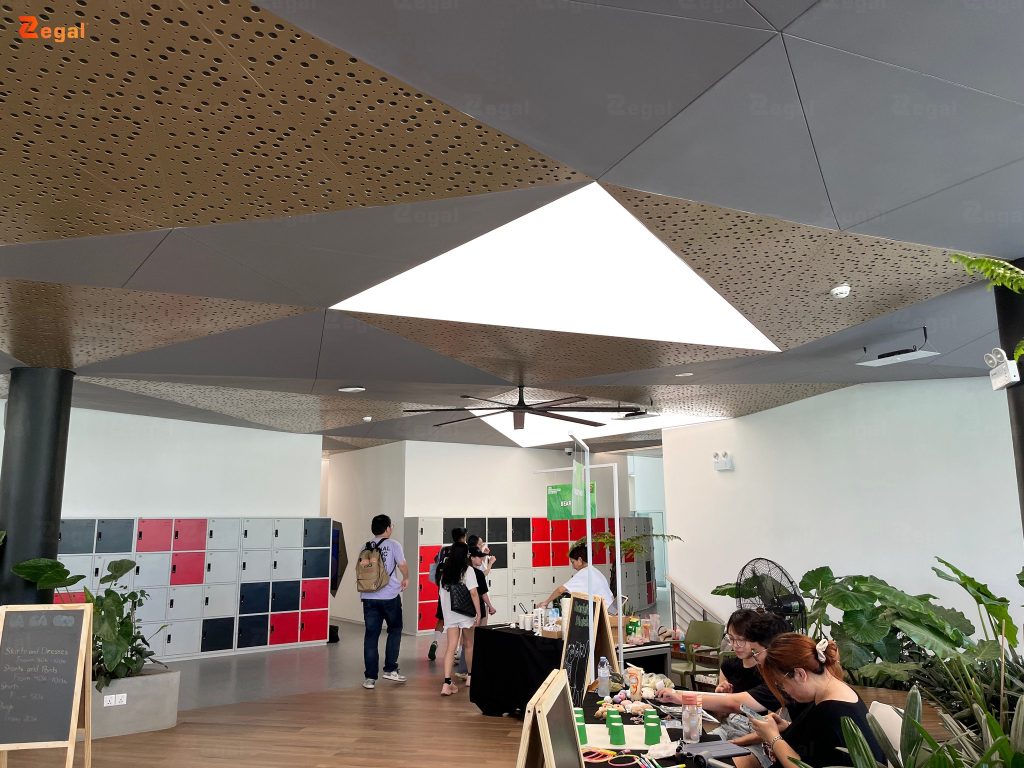
In school lighting, a CRI value of 80 or higher is considered safe, allowing text, images, and classroom materials to be rendered accurately without color distortion that can cause visual discomfort. In addition, the glare rating UGR should be controlled below 19 to prevent glare that degrades visual quality.
3. Common issues in current classroom lighting
Many schools still use outdated lighting systems with fluorescent lamps or low quality LED fixtures. This leads to issues such as:
- Uneven lighting where some areas are overly bright while others are noticeably dim, forcing the eyes to constantly adjust and causing rapid fatigue.
- Glare or reflections on desks and boards, making students tilt their heads to avoid discomfort.
- Insufficient lighting at room edges or the back of classrooms, making it difficult for students seated at the rear to see clearly.
- Inconsistent color temperature creating an unstable mix of warm and cool tones that feels visually uncomfortable.
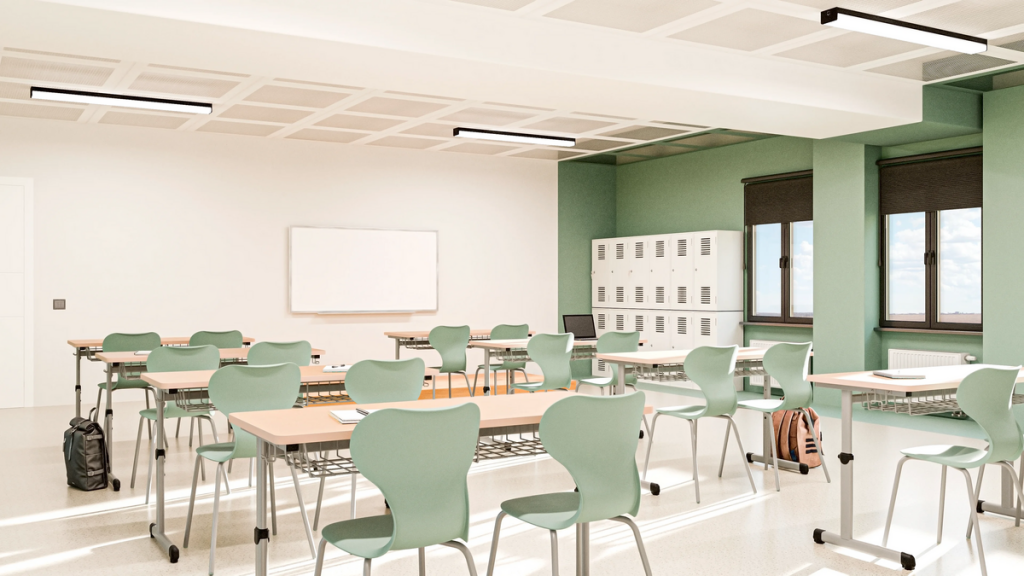
These problems directly affect learning quality, especially for primary and secondary students whose eyesight is still developing and more vulnerable to improper lighting.
4. Key criteria for designing standard compliant school lighting systems
A proper school lighting system must be based on scientific criteria rather than a subjective sense of brightness. Illuminance should be calculated according to standards, typically around 500 lux for classrooms and 300 to 400 lux for corridors. Light distribution should include a degree of indirect lighting to reduce harsh shadows.
The ideal color temperature usually falls between 4000K and 5000K, neutral enough to avoid being overly cold or warm while supporting concentration. A high CRI ensures accurate color recognition, especially for drawing or reading tasks.
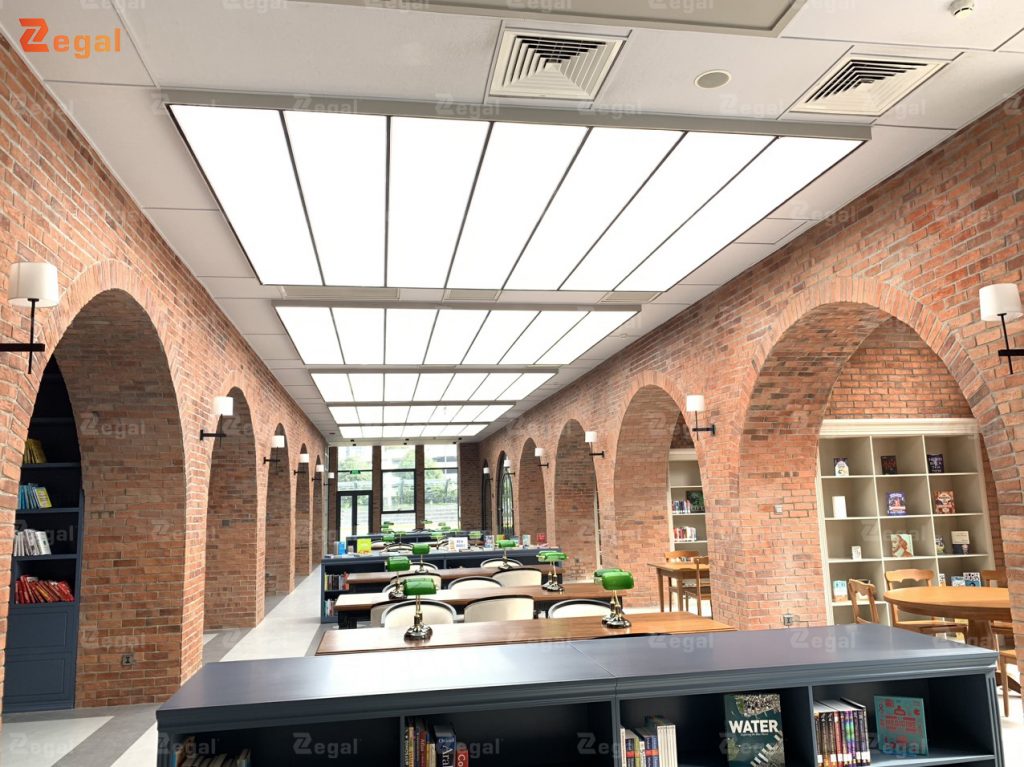
The optical design of luminaires should limit glare. As a result, modern school LED fixtures often integrate matte diffusers, anti glare louvers, or dedicated optical modules.
5. Lighting solutions for different areas within schools
Each area in a school requires a different lighting configuration. Classrooms need high and uniform illuminance, while libraries require softer light to reduce eye strain during prolonged reading. Laboratories require brighter lighting with higher CRI to ensure chemical colors are rendered accurately.
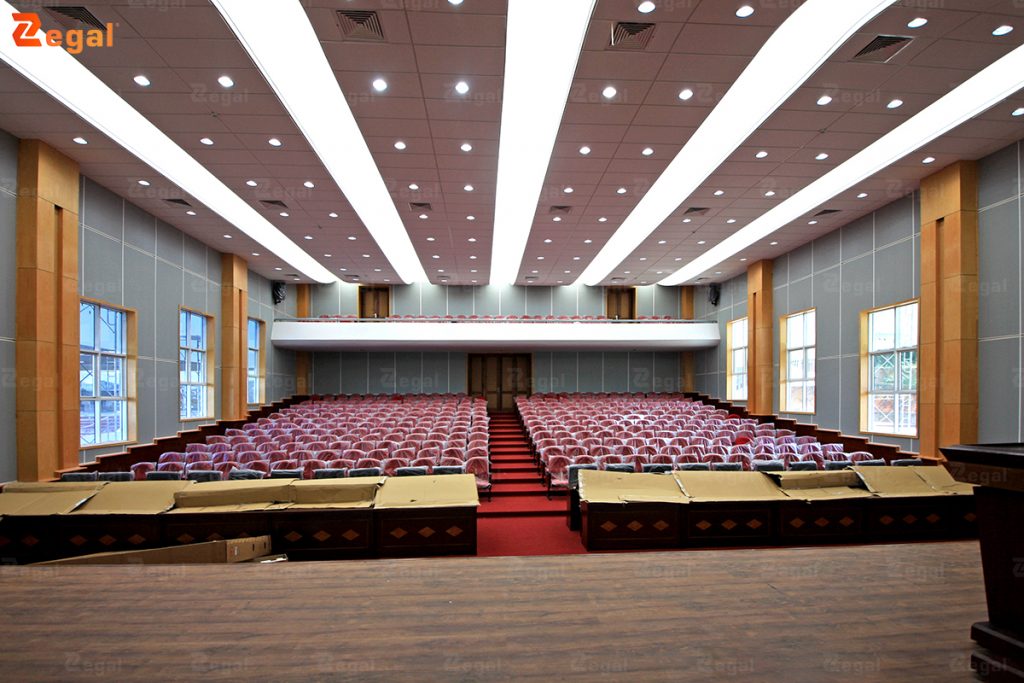
Corridors, staircases, and common areas do not require high illuminance but must ensure safety through wide light distribution and the elimination of dark zones. This allows students to move safely and reduces accidents caused by poor visibility.
6. Combining natural and artificial light to create an optimal learning environment
Natural daylight is always the best source of light for vision. However, in classrooms, daylight varies continuously in intensity and direction, making it unreliable as the sole source. Proper school lighting design always combines natural and artificial light in a balanced way.
Artificial lighting stabilizes brightness levels, ensuring consistent illumination regardless of weather conditions. Classrooms equipped with high quality LED systems typically feel more comfortable because artificial light balances bright and dark zones and enhances visual depth.
7. Conclusion
School lighting is not only a technical requirement but a critical factor that shapes the learning experience. A well designed lighting system helps students see more clearly, maintain concentration longer, and develop healthy vision. When lighting follows correct principles and standards, classrooms become spaces that naturally and effectively nurture knowledge.
——
For further consultation, please contact Zegal Vietnam using the information below:
Zegal Hanoi
112 Vo Chi Cong, Nghia Do Ward, Hanoi
Zegal Ho Chi Minh
319–C9 Ly Thuong Kiet, Phu Tho Ward, Ho Chi Minh City
Hotline: +84969 14 6688