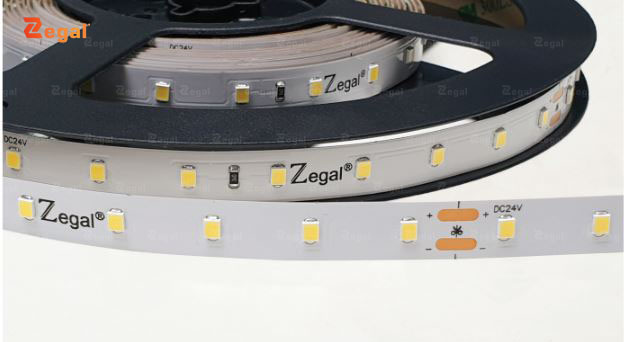


Light is not simply about visibility. In the world of restaurants and hotels, lighting is a silent language that shapes emotions, stimulates the senses, and creates memorable moments for every guest.
A well invested restaurant and hotel lighting system is not a luxury, but a critical factor for sustainable business success. So how can this refined art be mastered? Let Zegal guide you through it.
1. Why lighting is the “main character” in restaurants and hotels
1.1 Creating emotions and the first impression
From the very first moment, the lighting in the lobby greets the guest. Warm and balanced light creates a welcoming atmosphere. In contrast, lighting that is too harsh or too dim leaves a negative and lasting impression. This is why, in restaurant and hotel lighting, light directly influences the perceived quality of service.
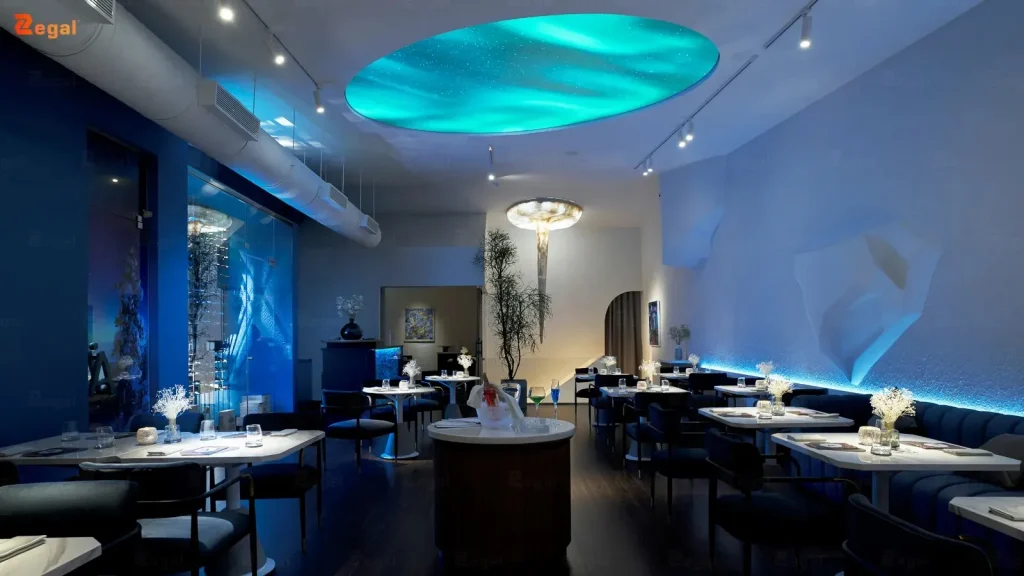
1.2 Elevating dining and relaxation experiences
In restaurants, lighting is the most important ingredient. Warm light focused on dining tables makes food look more appealing and stimulates appetite. In hotel rooms, soft and adjustable lighting allows guests to fully relax after a long day. Each area requires its own lighting scenario.
1.3 Defining style and highlighting architecture
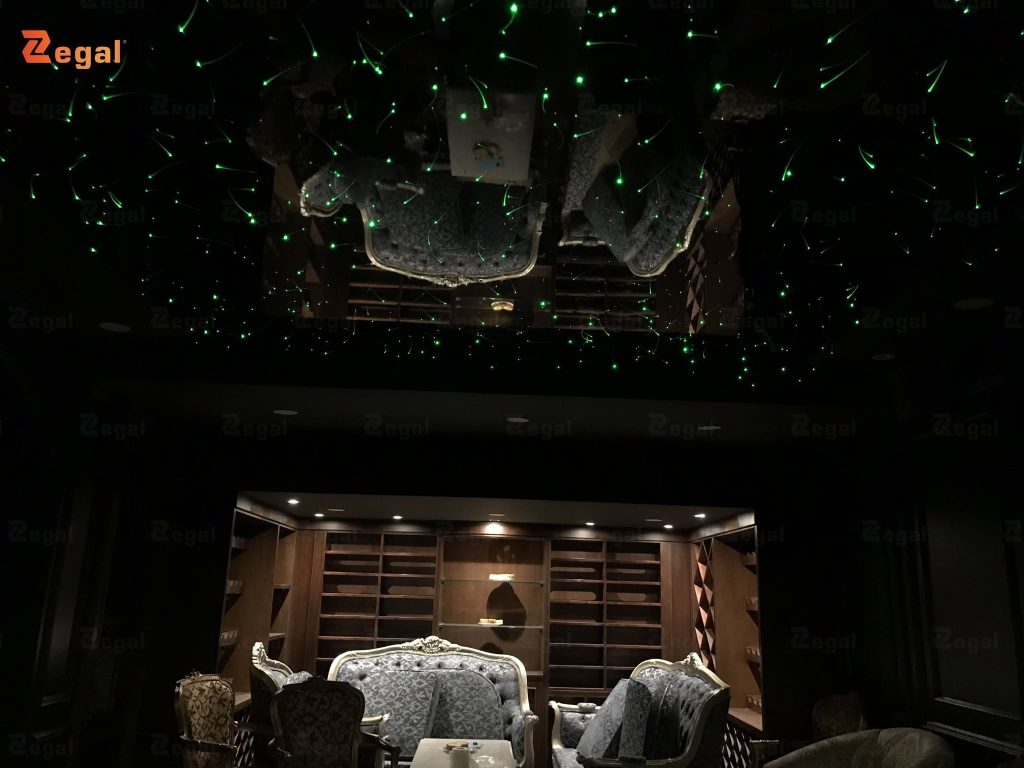
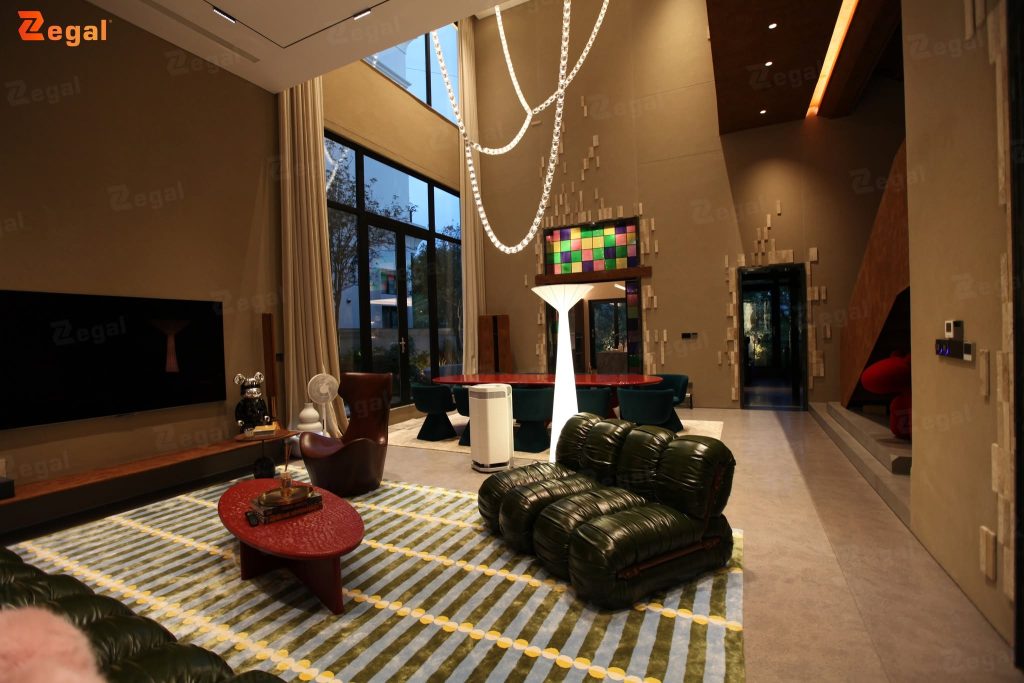
Lighting has the power to transform space. Well designed accent lighting or translucent ceilings can enhance artworks, special wall finishes, or unique interior architecture, reinforcing the distinct identity of the brand.
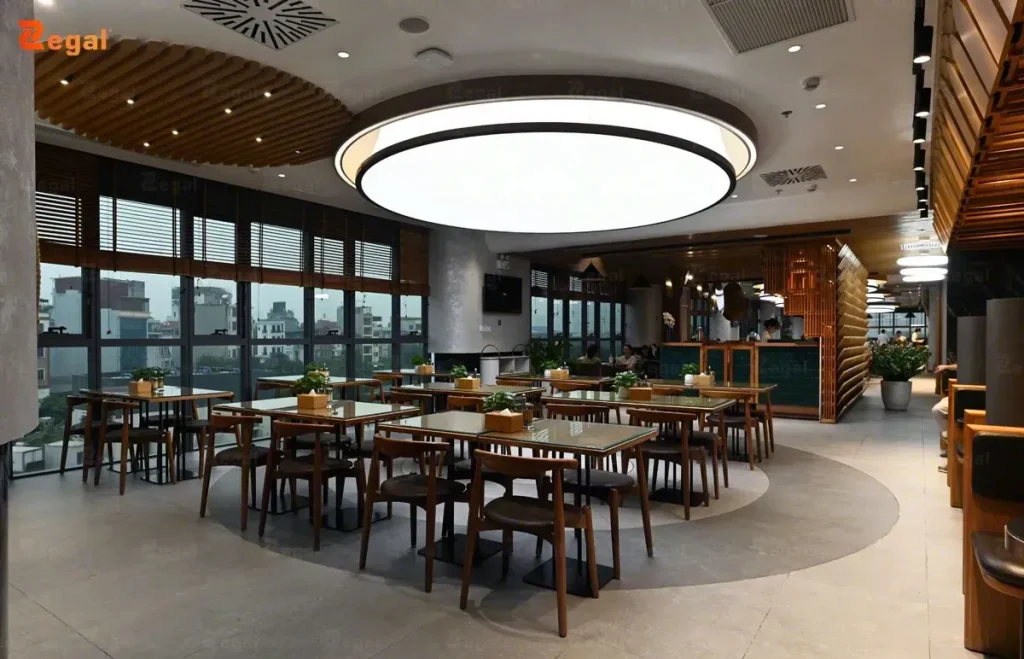
1.4 Ensuring safety and absolute comfort
In restaurant and hotel lighting, safety and comfort are essential. Corridors, staircases, and restrooms must be adequately illuminated to ensure guest safety.
At the same time, thoughtful details such as bedside reading lights or vanity lighting in bathrooms reflect care and deliver a complete sense of comfort.
2. Golden principles of professional lighting design
To achieve optimal results, restaurant and hotel lighting must follow core principles.
2.1 Layered lighting: The foundation of excellent design
A perfect lighting design is a harmonious combination of three layers:
- Ambient lighting: The base layer in restaurant and hotel lighting that provides general illumination for the entire space.
- Task lighting: Focused light for specific activities such as reading, cooking in restaurant areas, or working.
- Accent lighting: The artistic layer used to highlight decorative details, adding depth and visual interest.
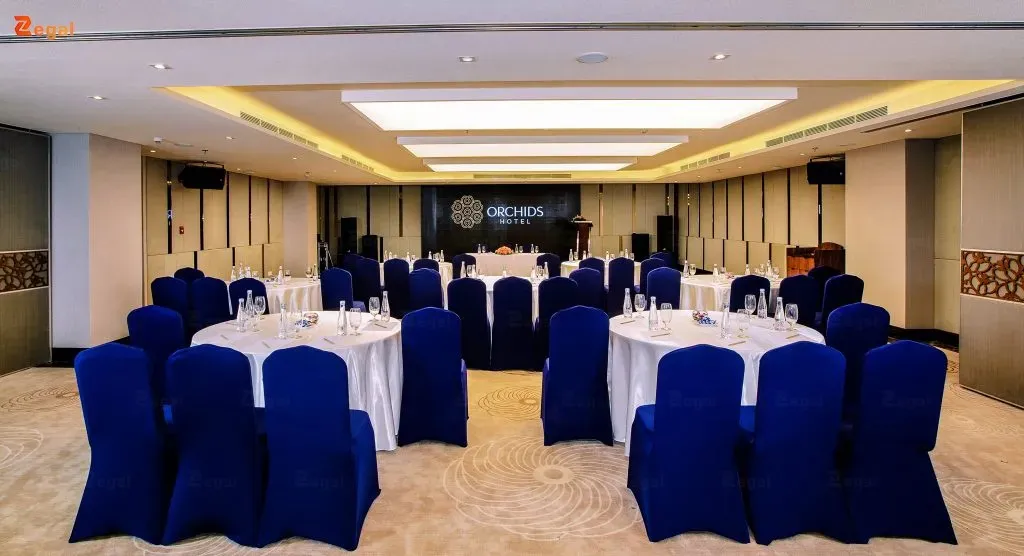
2.2 Understanding key technical parameters
- Color temperature Kelvin K: Determines the emotional quality of light. Warm light from 2700K to 3000K creates a cozy and welcoming atmosphere, ideal for bedrooms and restaurants. Neutral light from 3500K to 4500K suits spa areas and fitness rooms. Cool light above 5000K is typically used where alertness is required.
- Color rendering index CRI Ra: The higher the CRI, ideally 90 or above, the more accurately colors are rendered. This is especially important for making food appear appetizing and skin tones look healthy.
- Illuminance Lux: Measures the amount of light on a surface. Each area has different requirements, for example reception desks need higher illuminance than relaxation zones.
3. Future trends in smart restaurant and hotel lighting
3.1 LED lighting and superior energy efficiency
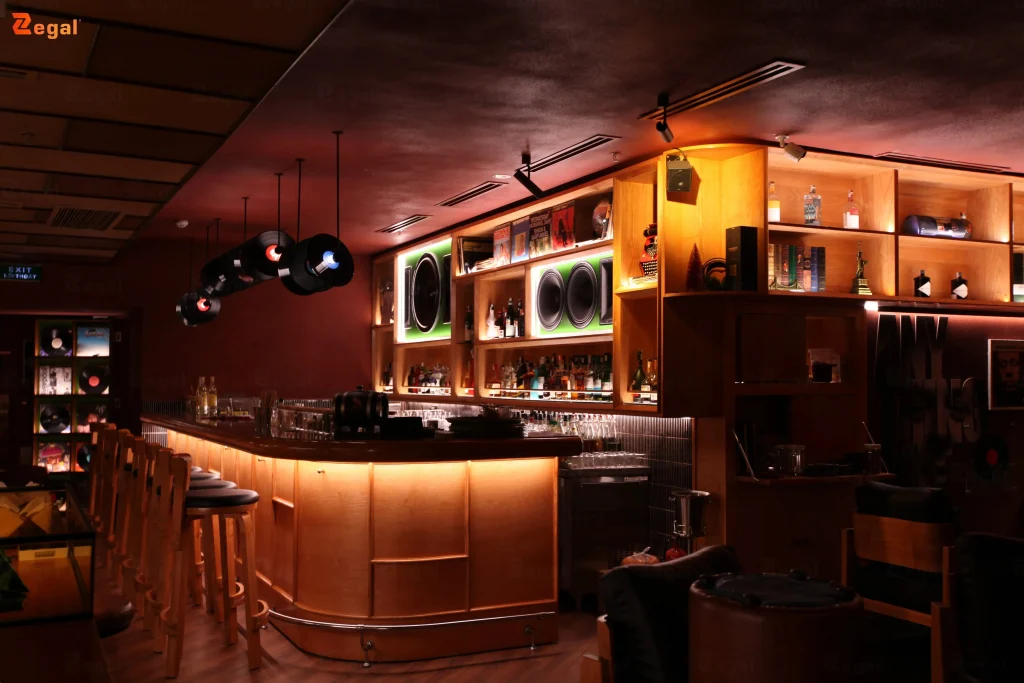
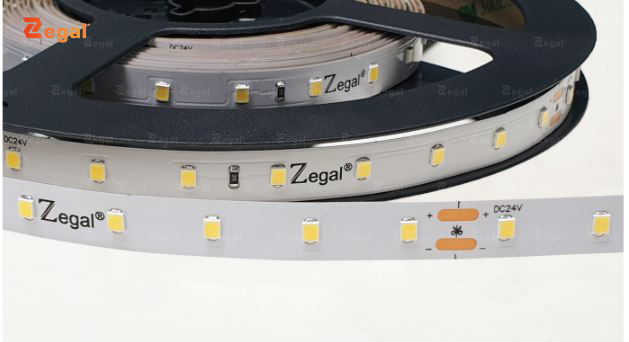
LED lighting is no longer an option, it is the standard. With long lifespan and high luminous efficiency, LED solutions significantly reduce energy costs and maintenance expenses, delivering clear return on investment.
3.2 Smart lighting control systems
This is the core of modern restaurant and hotel lighting. Smart systems enable:
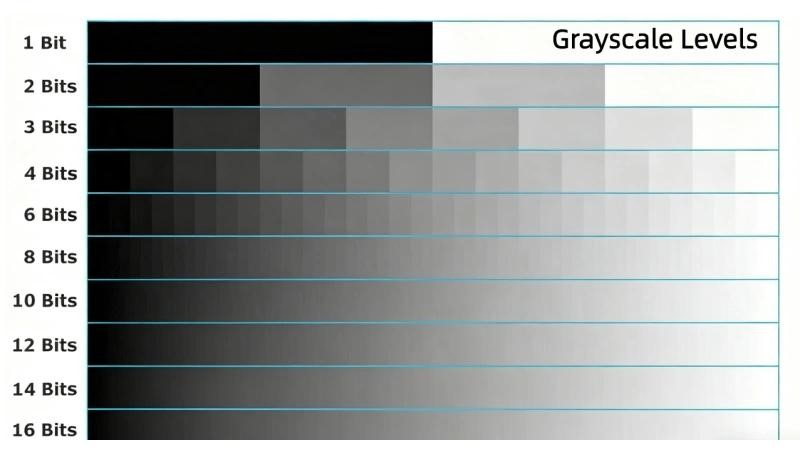
- Lighting scenes: With a single touch, spaces can shift from bright functional light for housekeeping to warm and relaxing light in the evening.
- Remote control: Managers can oversee the entire lighting system via tablets or smartphones.
- IoT integration: Lighting can connect with room management systems, automatically turning on or off based on guest presence, enhancing experience and maximizing energy savings.
4. Expert advice to keep restaurant and hotel lighting perfect
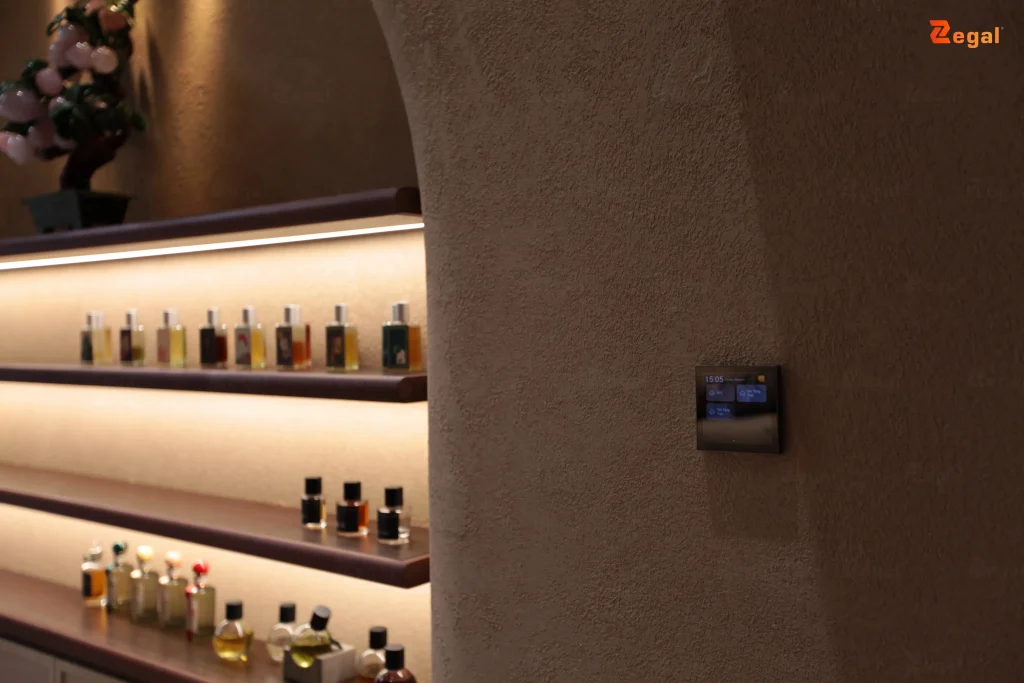
- Choose quality products: Avoid cutting costs on initial investment. Products from reputable brands ensure light quality, durability, and safety.
- Regular maintenance: Plan routine cleaning and timely lamp replacement to maintain performance and appearance.
- Staff training: Employees should understand how to operate lighting control systems to better support guests.
5. Conclusion
Investing in restaurant and hotel lighting means investing directly in guest experience and emotion. An outstanding lighting design not only enhances space but also serves as a powerful marketing tool, increasing brand value and profitability.
Treat lighting as an integral part of your business strategy, and you will discover its remarkable power in creating truly meaningful moments.
——
For further consultation, please contact Zegal Vietnam using the information below:
Zegal Hanoi
112 Vo Chi Cong, Nghia Do Ward, Hanoi
Zegal Ho Chi Minh
319–C9 Ly Thuong Kiet, Phu Tho Ward, Ho Chi Minh City
Hotline: +84969 14 6688