

When pollution is mentioned, we often think of air pollution, water contamination, or noise. However, there is another form of pollution that is quietly spreading through streets and buildings, yet receives far less attention: light pollution. It is an “invisible” issue that has a significant impact on human health, the environment, and social life.
1. What is light pollution?
Light pollution can be understood as the excessive, misdirected, or poorly timed use of artificial light that causes negative effects on people and nature. Instead of improving safety and convenience, excessive lighting becomes a double edged problem, causing nighttime to lose its natural darkness.

2. Types of light pollution
Imbalanced lighting does not take a single form. It can be categorized into several distinct types:
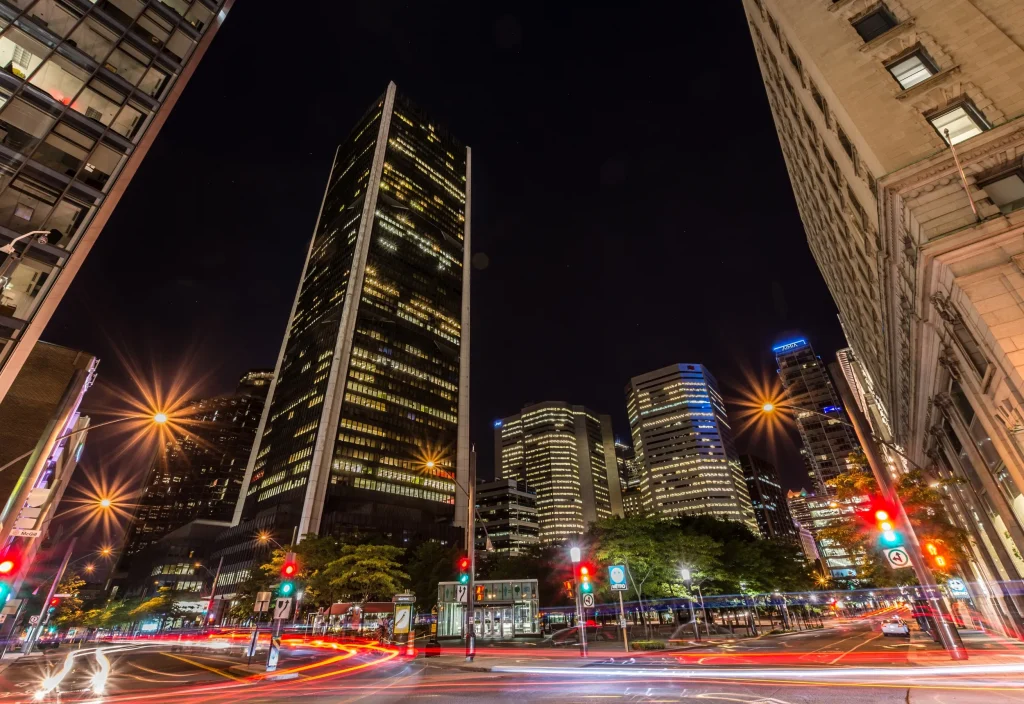
- Glare: When light is excessively bright and causes discomfort or reduced visibility. A common example is vehicle headlights shining directly into the eyes at night.
- Light trespass: Light that intrudes into areas where it is not wanted, such as street lighting spilling directly into bedrooms.
- Skyglow: The brightening of the night sky over urban areas, caused by artificial light scattering in the atmosphere and obscuring the stars.
- Flicker: Continuous flickering from low quality light sources, which can lead to eye strain, fatigue, and headaches.
3. The impacts of light pollution
Although it may seem harmless, light pollution leads to a range of serious consequences:
- Impact on human health: Numerous studies indicate that exposure to artificial light at night can suppress melatonin, the hormone that regulates sleep. This disruption may result in sleep disorders, chronic fatigue, and can even increase the risk of cardiovascular disease and cancer.
- Impact on the environment: Artificial lighting interferes with the biological cycles of many animal species. Migratory birds lose their sense of direction, hatchling sea turtles fail to find their way to the ocean, and insects are drawn toward artificial light sources and die in large numbers.
- Impact on society and the economy: Lighting imbalance leads to significant energy waste. In addition, the loss of natural night skies reduces cultural and tourism experiences, diminishing the value of nighttime environments.
4. Causes of light pollution
The causes of light pollution stem from the way artificial lighting is used:
- Public lighting systems: In many areas, street lights are installed without proper planning, allowing light to spread in all directions instead of being focused on road surfaces.
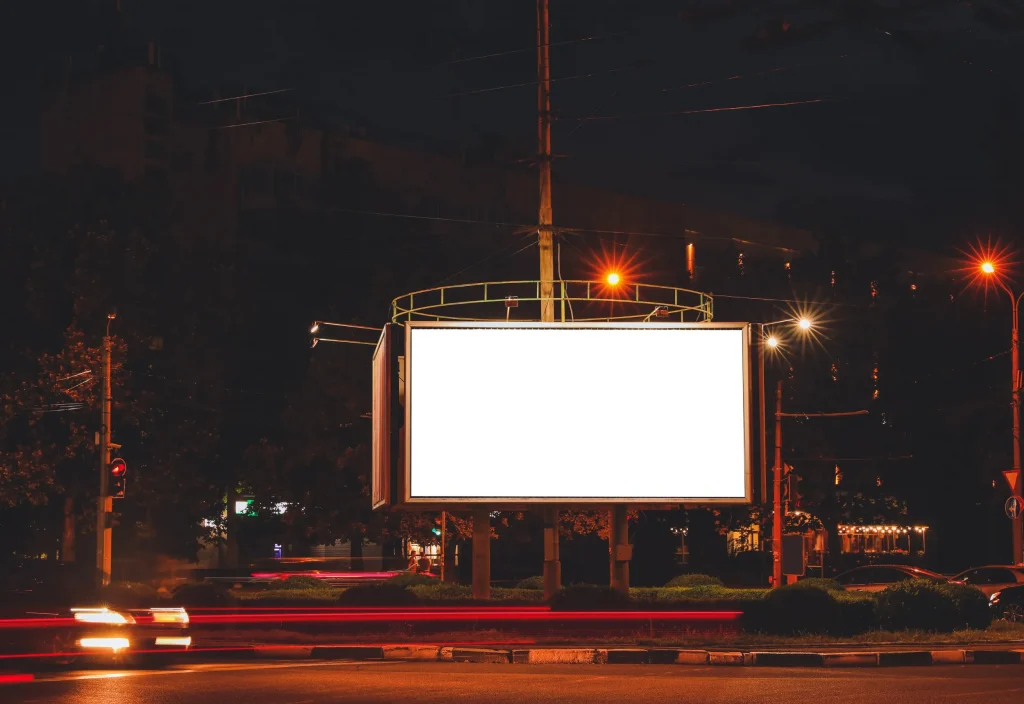
- Outdoor advertising: LED billboards and digital screens operate throughout the night with extremely high brightness levels.
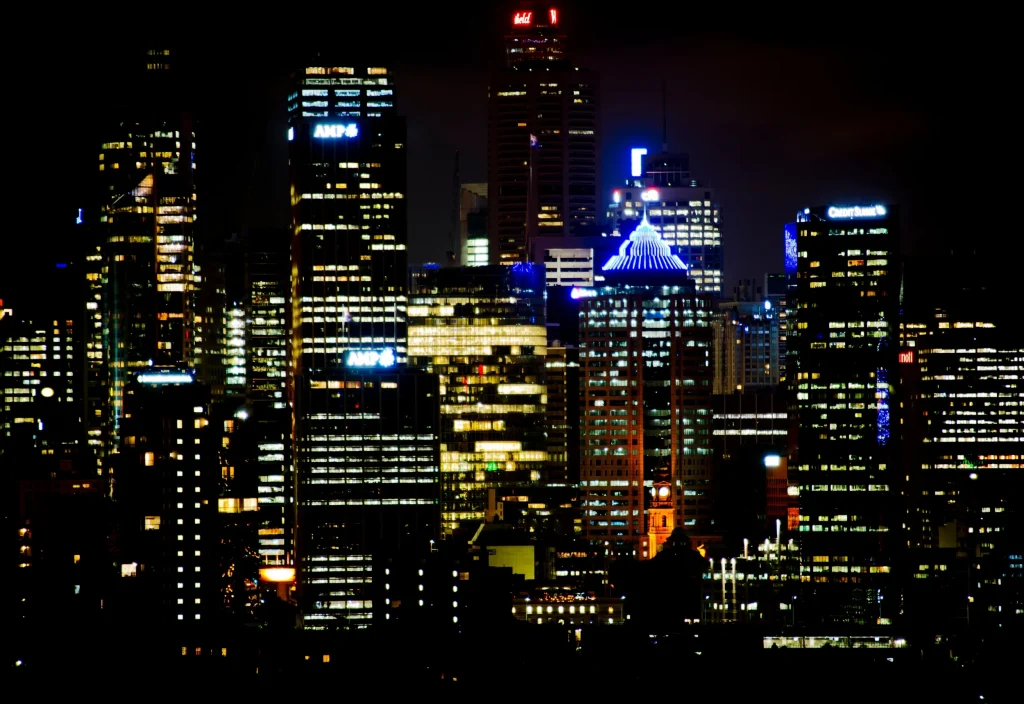
- Urban architecture: High rise buildings and commercial centers use decorative lighting extensively, often remaining illuminated all night.
5. The current state of light pollution in Vietnam
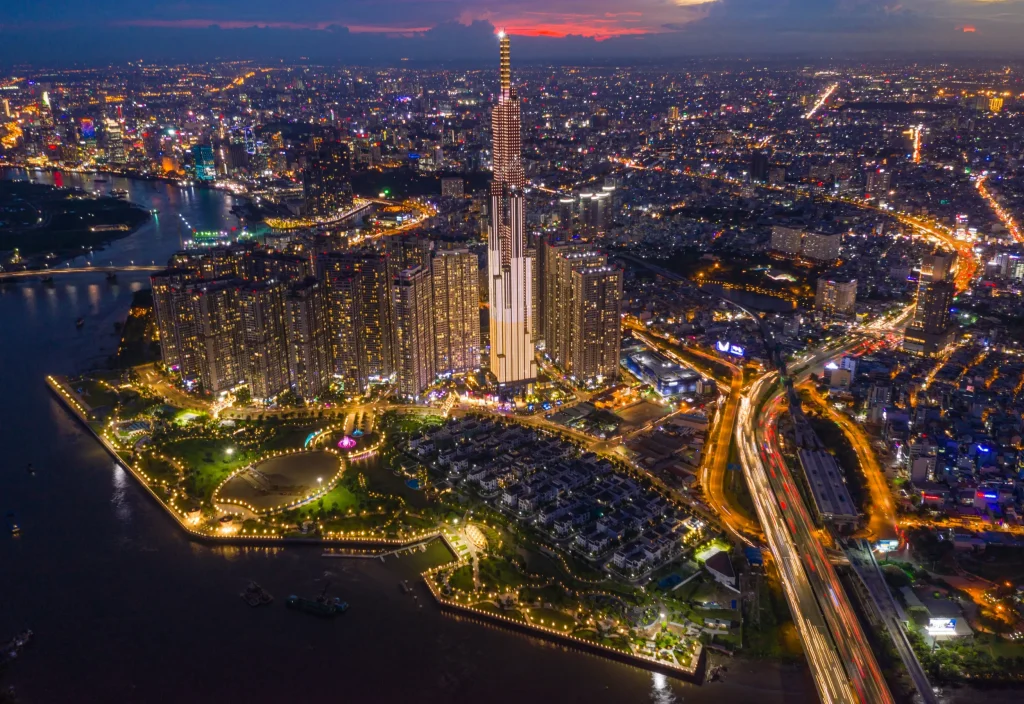
In Vietnam, rapid urbanization has made lighting imbalance increasingly evident. In major cities such as Hanoi and Ho Chi Minh City, light from advertising signs, street lighting, and high rise buildings creates extensive urban skyglow.
Bright LED advertisements often dominate the night environment to the point where natural darkness is almost completely lost. At the same time, public awareness of the negative impacts of light pollution remains limited, meaning the issue has not yet received sufficient attention.
6. Solutions to reduce artificial light pollution
- Smart lighting design: Direct light precisely to where it is needed and avoid unnecessary light spill.
- Application of energy efficient LED technology: Modern LED systems not only reduce energy consumption but also allow control of brightness and color, helping to limit excess lighting.
- Establishing and enforcing lighting standards: Urban areas should define clear regulations regarding lighting intensity, operating hours, and designated zones.
- Raising public awareness: Individuals can contribute by turning off lights when they are not needed and reducing excessive use of outdoor lighting.
7. Conclusion
Light pollution is a modern issue, yet it is far from unfamiliar. It affects human health, the environment, and society as a whole. If no action is taken today, we may end up living in a world that is constantly illuminated while losing the natural beauty of the night.
The solution lies in our hands, from individuals and businesses to public authorities. Light should serve life, rather than becoming another form of pollution.
——
For further consultation, please contact Zegal Vietnam using the information below:
Zegal Hanoi
112 Vo Chi Cong, Nghia Do Ward, Hanoi
Zegal Ho Chi Minh
319–C9 Ly Thuong Kiet, Phu Tho Ward, Ho Chi Minh City
Hotline: +84969 14 6688