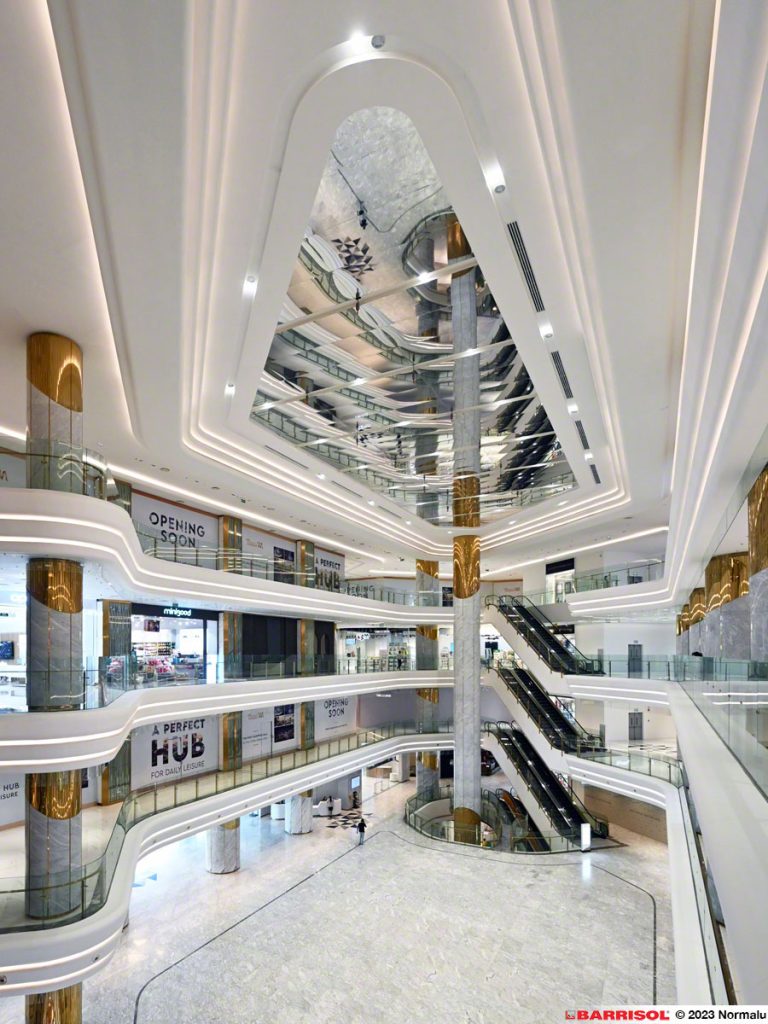


Light intensity has a significant impact on human health, psychology, and work performance. However, not everyone fully understands what light intensity is, how it is measured, and how to optimize it for different spaces.
This article will provide deeper insights into light intensity, the influencing factors, measurement methods, and practical applications. Let’s explore it now!
1. What is light intensity?
Light intensity is a crucial parameter in lighting design. It indicates how strong or weak the light emitted from a source is in a specific direction.
Units of Light Intensity Measurement
When discussing light intensity, it is essential to distinguish between the following common measurement units:
- Candela (cd): Measures light intensity in a specific direction. One candela is roughly equivalent to the luminous intensity of a candle.
- Lumen (lm): Measures the total amount of light emitted from a source in all directions.
Lux (lx): Measures the amount of light falling on a specific area, calculated as:
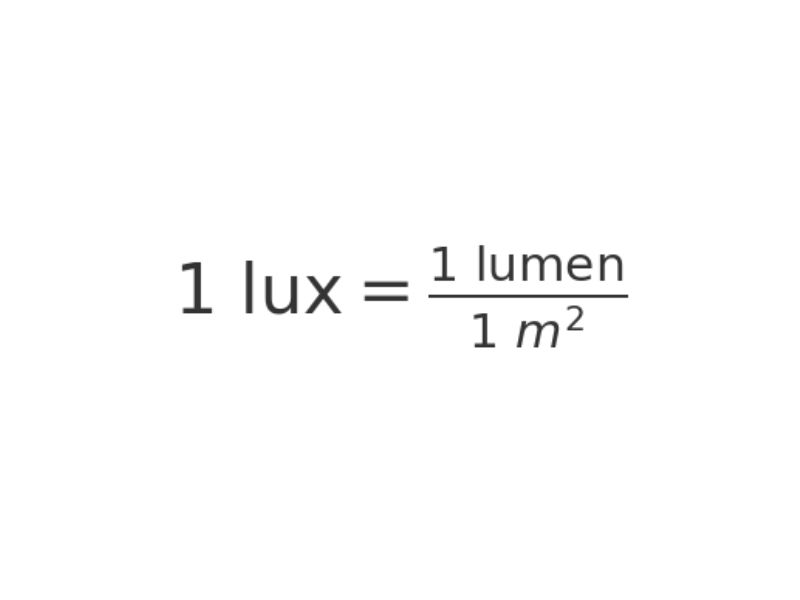
For example, a 1000-lumen light bulb illuminating an area of 10m² will produce 100 lux.
The difference between lumen and lux is crucial: A high-lumen light source does not necessarily mean sufficient illumination if the light is not distributed properly.
2. Factors Affecting Light Intensity
The light intensity in a given space is not solely determined by the power of the light source but is influenced by several other factors.
2.1. Distance from the Light Source
Light intensity decreases with distance from the source. The inverse square law states that:
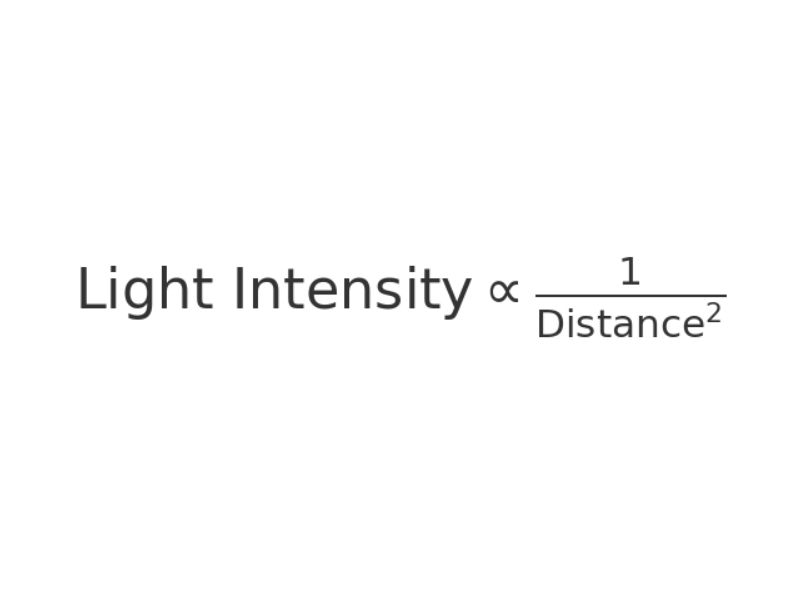
For instance, if you double the distance from a light source, the intensity of the light received will be reduced to one-fourth.
2.2. Light Reflection in the Environment
- Bright-colored walls, ceilings, and floors reflect light effectively, enhancing illumination.
- Dark surfaces or materials that absorb light reduce illumination efficiency, requiring higher-intensity lighting
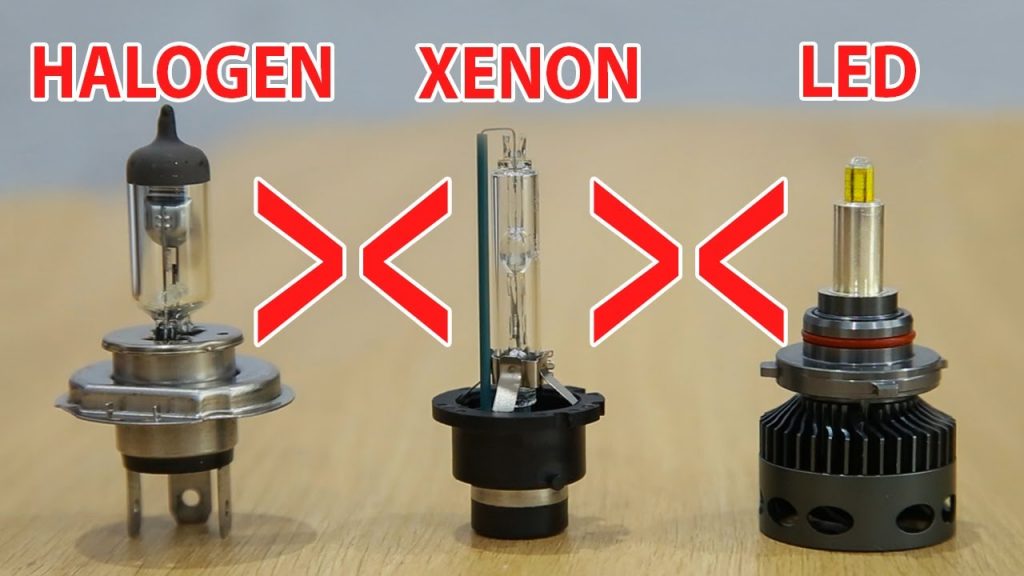
2.3. Type of Light Source
Different types of lights have varying light intensities, even with the same power rating:
- LED lights: High luminous efficiency, energy-saving, and stable light intensity.
- Fluorescent lights: Provide broad illumination but may flicker and degrade over time.
Incandescent bulbs: Offer warm lighting but have low efficiency and generate a lot of heat.
3. Practical Applications of Light Intensity
Choosing the right light intensity is critical in various industries and applications.
3.1. In Interior Design and Architecture
- Bright lighting for kitchens and workspaces enhances productivity.
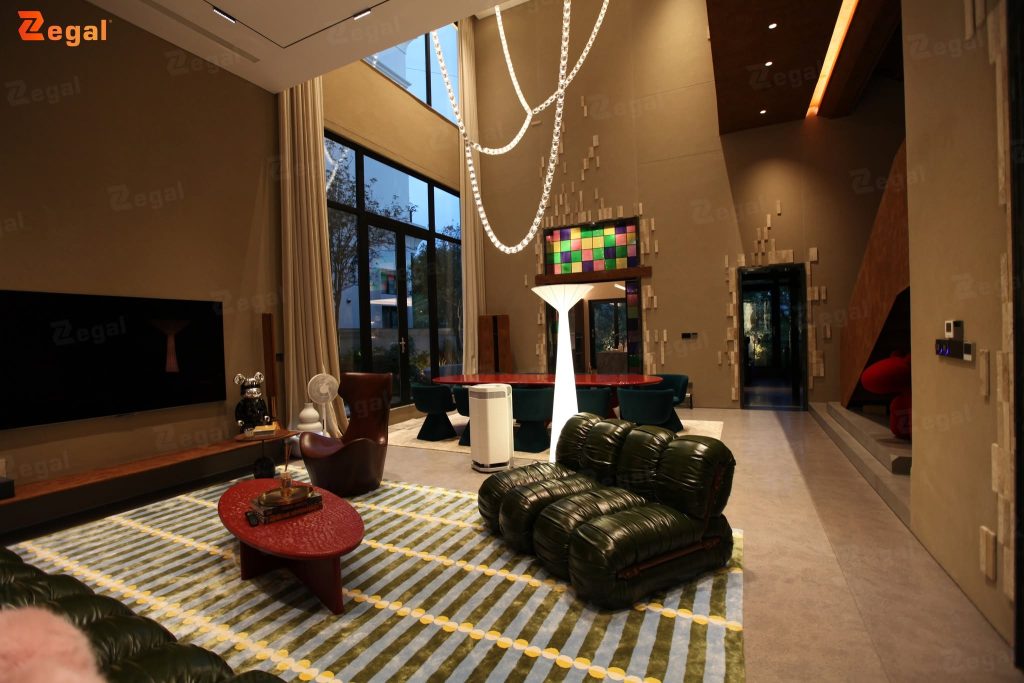
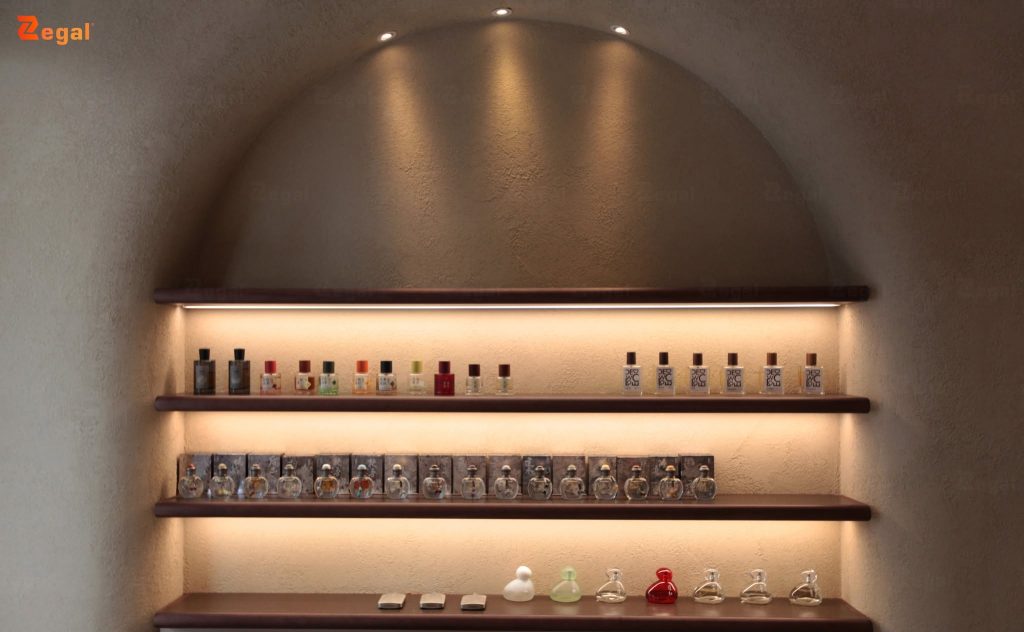
- Soft, ambient lighting for bedrooms and living rooms creates a relaxing atmosphere.
- Dimmable lights allow adjustment to match different activities.
3.2. In Industry, Healthcare, and Education
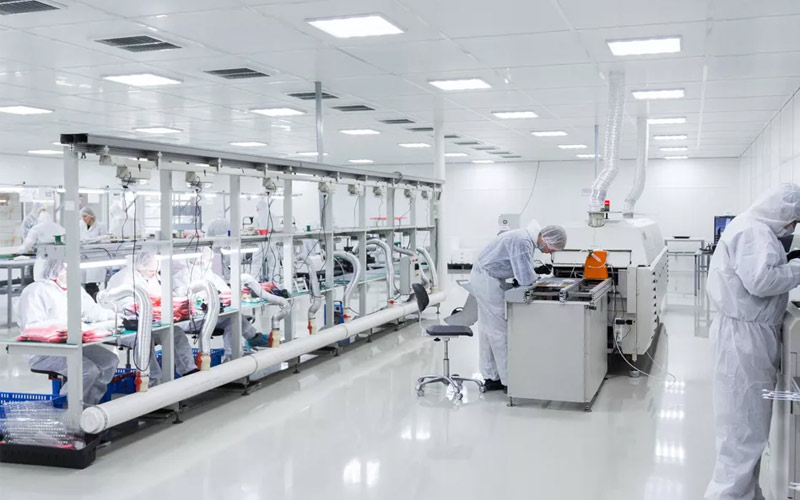
- Factories and workshops: Require strong, evenly distributed lighting for workplace safety.
- Hospitals and operating rooms: Demand high-intensity white lighting (above 1000 lux) for precision.
- Classrooms and offices: Should maintain 300-500 lux to prevent eye strain.
3.3. In Photography and Filmmaking
- Light intensity directly impacts image quality.
- Tools like softboxes and LED studio lights help control lighting precisely.
4. Measuring and Calculating Light Intensity
4.1. Light Intensity Calculation Formula
A simple formula for light intensity (Lux):
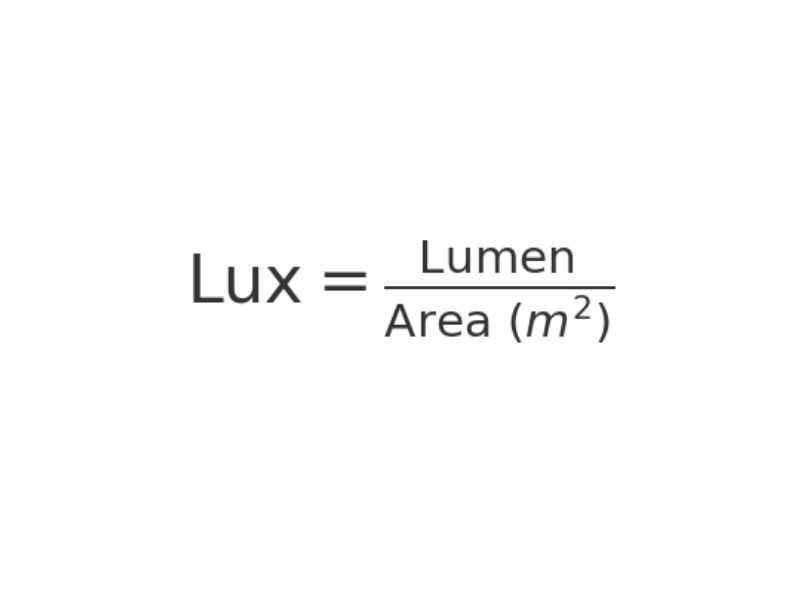
Example: A 20m² room requiring 500 lux will need a total luminous flux of: 500 × 20 = 10,000 lumen
4.2. Tools for Measuring Light Intensity
- Lux meters (light sensors): Used in industrial and architectural applications to verify illuminance.
- Mobile apps for light measurement: Convenient but less accurate.
5. How to Adjust Light Intensity for Optimal Illumination
Lighting should neither be too strong nor too weak. Here are some practical tips:
5.1. Use Dimmable Lights
- Supports adjusting light intensity according to demand.
- Helps save energy and extend the lifespan of the bulbs.
5.2. Arrange Light Sources Properly
- Combine ceiling, wall, and floor lighting to create the best lighting effect.
- Avoid placing lights too high or too far from the area that needs illumination.
5.3. Apply Smart Lighting Technology
- Light sensors: Automatically adjust brightness based on real-time conditions.
- Smart lighting systems: Integrated with IoT to optimize light levels as per user needs.
6. Conclusion
Light intensity is a crucial factor affecting both living and working experiences. Choosing the appropriate light level not only saves energy but also ensures eye health and optimizes work efficiency.
To achieve ideal lighting conditions, consider proper light arrangement, adjustable light intensity, and smart lighting technology.
——
For further consultation, please contact Zegal Vietnam using the information below:
Zegal Hanoi
112 Vo Chi Cong, Nghia Do Ward, Cau Giay District, Hanoi
Zegal Ho Chi Minh
319 – C9 Ly Thuong Kiet, Ward 15, District 11, Ho Chi Minh City
Hotline: +84969 14 6688