

Light is no longer just a tool that allows us to see. In modern architecture, light—especially LED lighting used in architectural design—has evolved into a flexible “material” and a powerful design language in its own right.
If architecture forms the structure of a space, then LED lighting is its soul, shaping emotion, atmosphere, and the rhythm of the environment. Let us take you through the journey of how this transformative form of illumination has redefined the architectural world.
1. The role of LED lighting in modern architecture: more than illumination
Have you ever wondered why LED lighting in architecture has become an irreversible trend? The answer lies in a shift in mindset: light is now considered an integral part of architecture rather than an element added at the end.
LED lighting has opened a new era where illumination becomes more “intelligent” than ever. It allows architects and designers to:
-
Shape spatial flow: Use light to define functional zones—living room, kitchen, workspace—softly and fluidly, without relying on rigid walls.
-
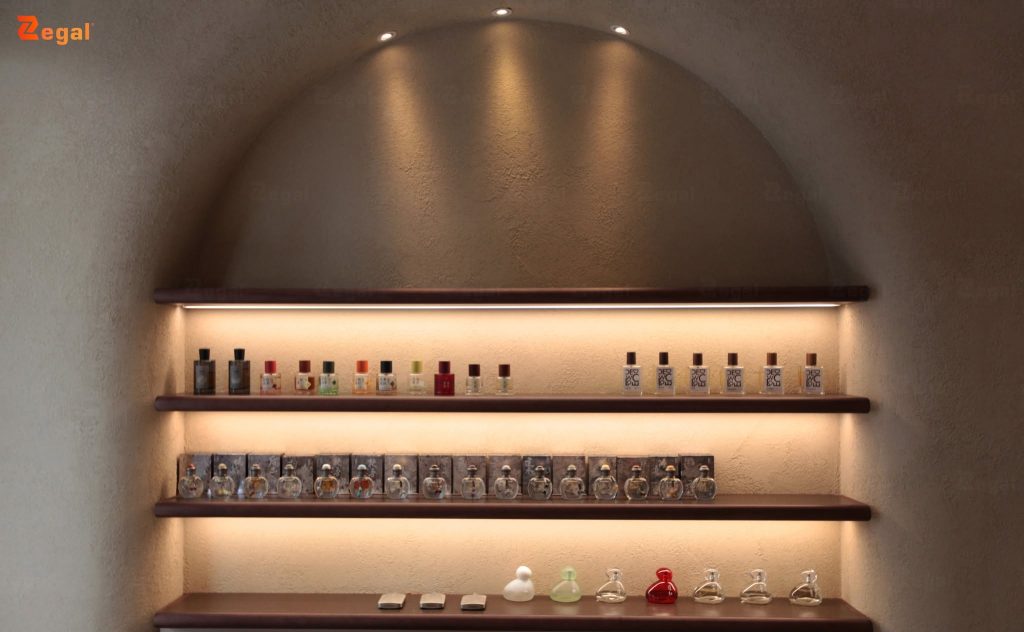
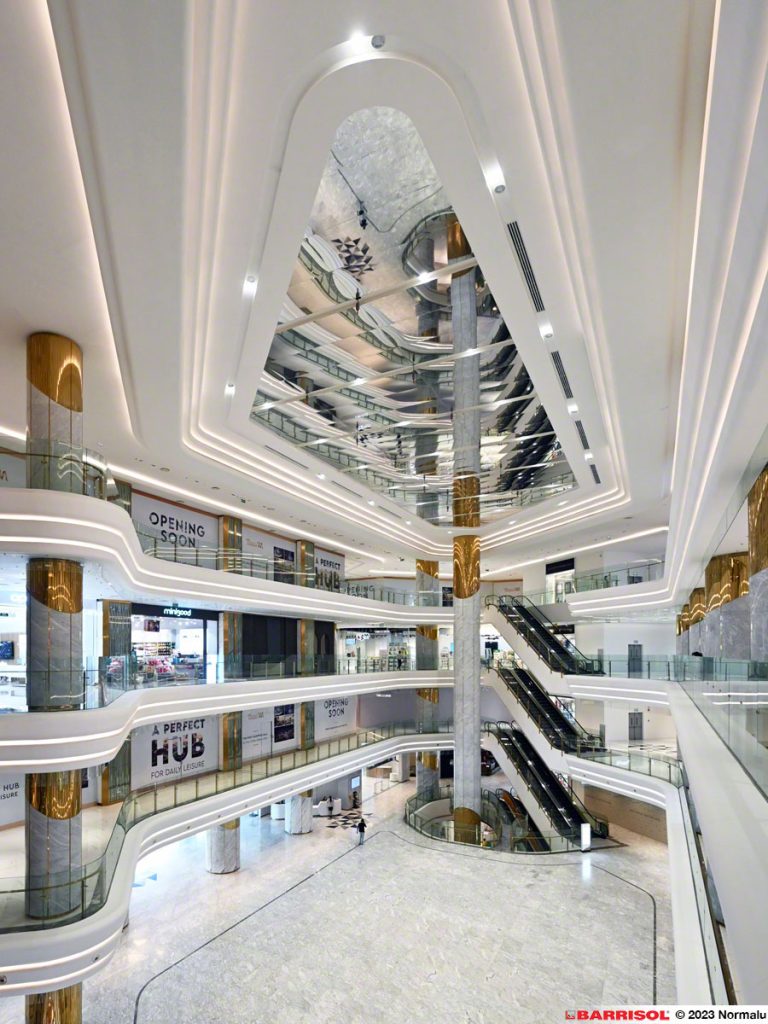
Highlight architecture: Accentuate lines, textures, and distinctive forms, from a raw wooden column to an impressive curved ceiling.
-
Create emotion: Adjust color temperature and intensity to evoke different moods, from warm and relaxing to creative and energizing.
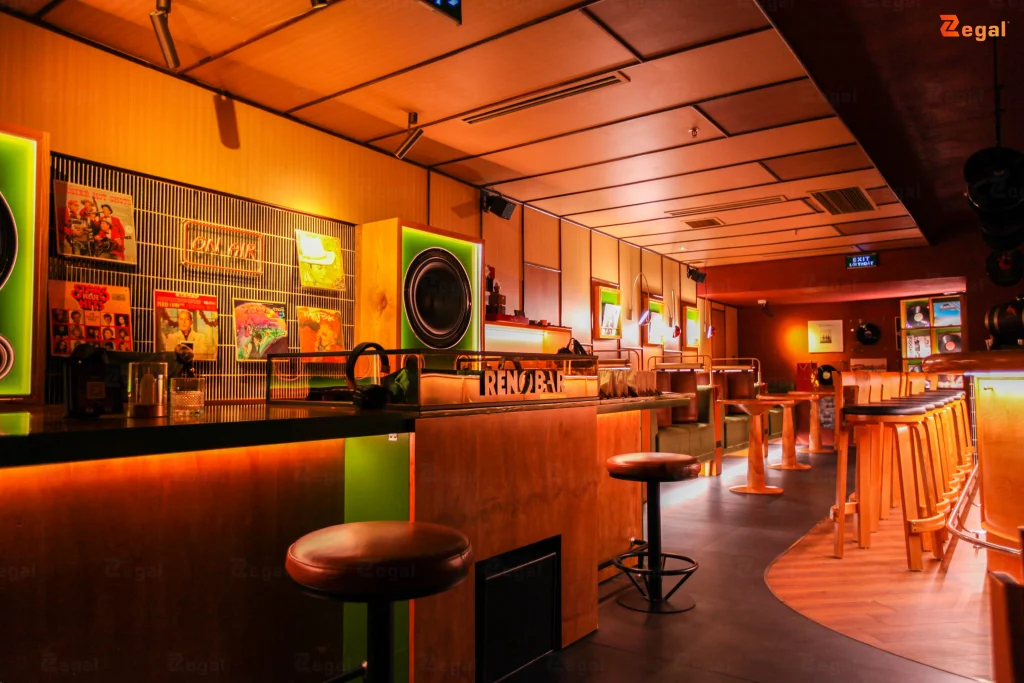
2. Why LED lighting is the number one choice: outstanding advantages
The rise of LED lighting in architecture is no coincidence. It is driven by a set of strengths that older lighting technologies simply cannot match:
-
Exceptional energy efficiency: LED consumes up to 80% less energy than incandescent lamps and about 40% less than fluorescent lighting, significantly reducing operating costs.
-
Long lifespan: With a lifetime of up to 50,000 hours or more, LED lighting nearly eliminates concerns about frequent maintenance or replacement.
-
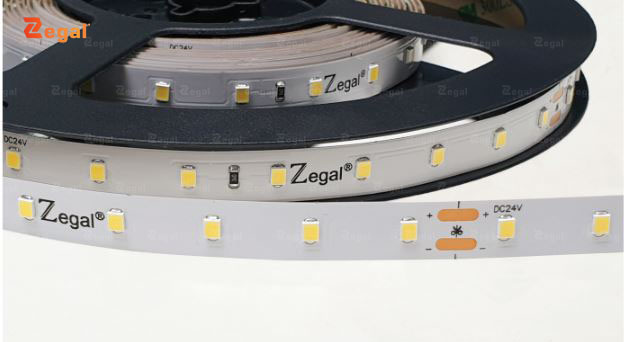
Unmatched flexibility and creativity: LEDs are extremely compact, allowing seamless integration into tight spaces—narrow grooves, staircases, kitchen cabinets, or plaster ceilings. LED strips further expand the boundaries of creative lighting design.
-
Safe and environmentally friendly: LEDs emit very little heat, reducing the risk of overheating or fire and making them safe to touch. They contain no mercury or harmful substances, making them a more sustainable choice.
-
High-quality light output: With a high color rendering index (CRI), LEDs deliver accurate and vibrant colors. Their wide color-temperature range—from candle-warm to neutral or office-cool—supports diverse design needs and creates the desired atmosphere.
3. Applications of LED lighting in architectural design: from interior to exterior
LED lighting in architecture proves effective across all types of spaces, turning design concepts from sketches into tangible experiences.
3.1. LED in interior spaces: bringing a home to life
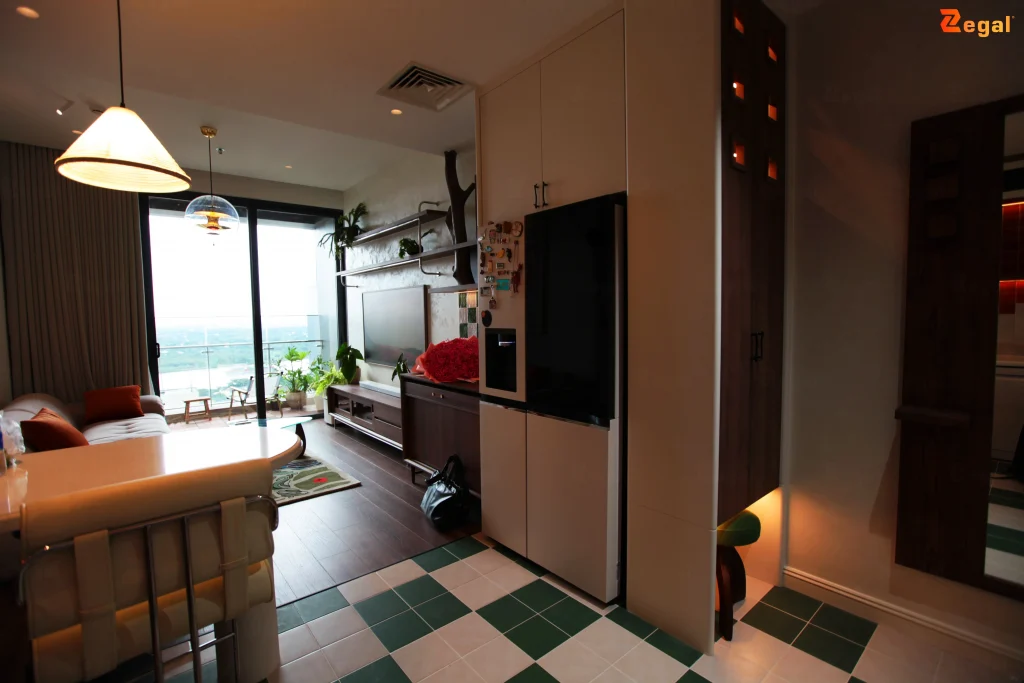
- General lighting: Recessed LED lights combined with downlights or translucent stretch ceilings provide an even, well-balanced ambient illumination.
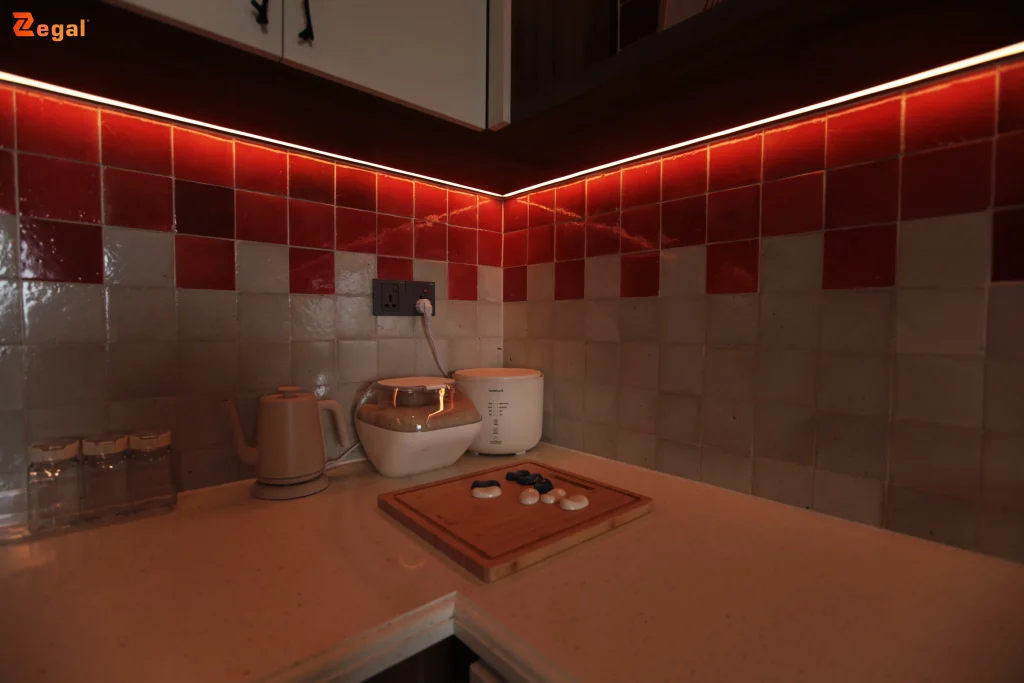
- Task lighting: Under-cabinet LEDs, desk lamps, and spotlights on bookshelves offer focused lighting for specific activities.
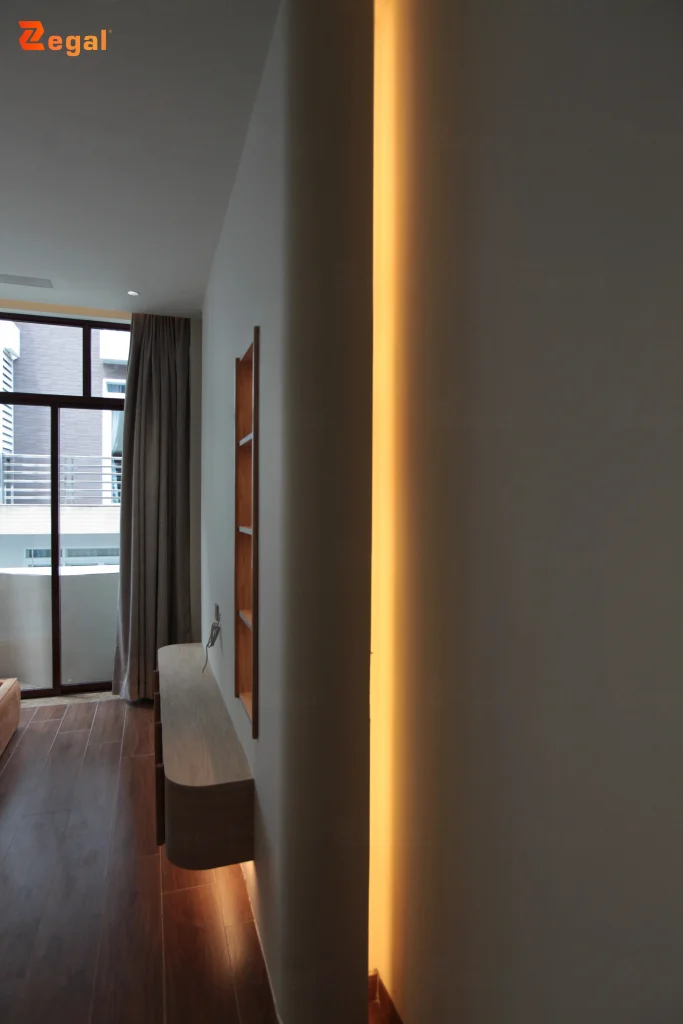
- Accent lighting: LED strips along TV consoles, behind headboards, or beneath bathtubs create a floating effect and add visual depth, emphasizing architectural highlights.
3.2. LED in exterior spaces: enhancing a building’s visual identity
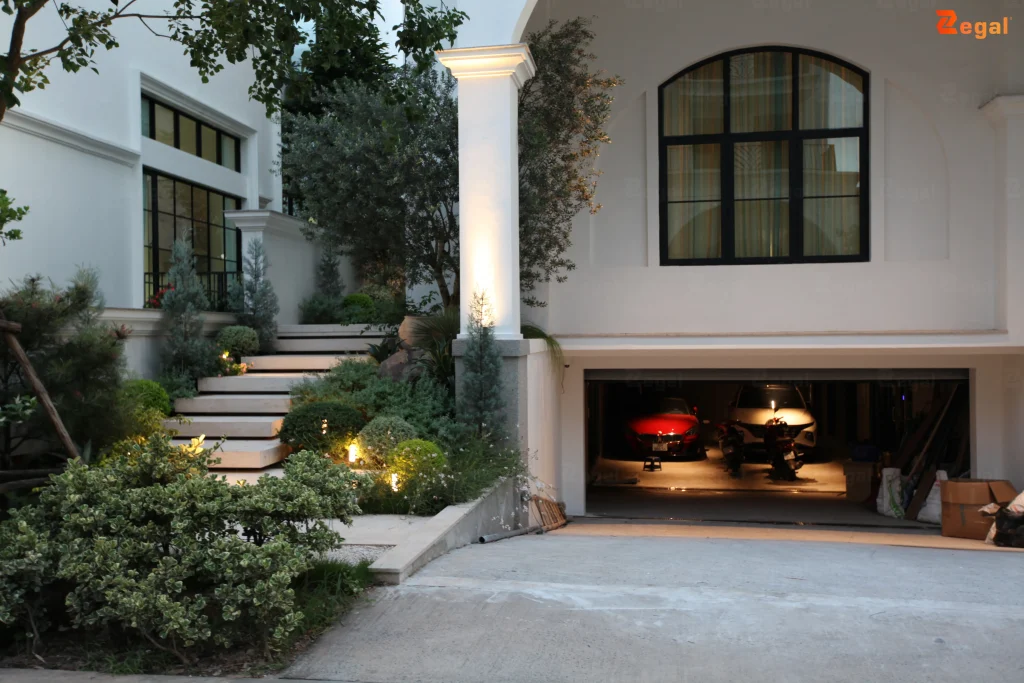
- Landscape and garden lighting: In-ground LEDs, tree uplights, and pathway fixtures create a vibrant nighttime atmosphere and elevate the overall landscape value.
- Façade lighting: LED wall washers and spotlights highlight the architectural character of a building, turning it into a striking visual statement after dark.
3.3. Artistic LED lighting: when illumination becomes art
4. Trends in LED lighting for modern architecture
- Minimalist design: LED lighting is discreetly concealed in grooves or wall recesses, creating clean, pure light lines that embody the “less is more” philosophy.
- Dynamic and multi-color lighting: RGB LED technology allows spaces to shift in character—warm and golden in the evening, vibrant and colorful during gatherings or events.
- Smart lighting integration: When connected to a smart home system, LEDs can be voice-controlled, scheduled, and automatically adjusted based on human circadian rhythms.
- Natural-light replication: Advanced LED technologies can mimic the daily progression of sunlight, supporting well-being and maintaining natural biological rhythms.
5. Key considerations when applying LED lighting in architecture
To maximize the effectiveness of LED lighting, consider the following:
-
Color Rendering Index (CRI): Choose LEDs with a CRI above 80 (ideally above 90) to ensure accurate color representation for both objects and skin tones.
-
Color temperature (Kelvin – K): Match the lighting temperature to its purpose: 2700K–3000K (warm) for bedrooms and living rooms; 4000K–5000K (neutral to cool white) for kitchens, bathrooms, and workspaces.
-
Layered lighting design: Combine ambient lighting, task lighting, and accent lighting to achieve depth, balance, and visual interest.
-
Early integration in design: Incorporate LED lighting plans from the architectural design stage to optimize wiring, placement, and overall aesthetics.
6. Conclusion
——
For further consultation, please contact Zegal Vietnam using the information below:
Zegal Hanoi
112 Vo Chi Cong, Nghia Do Ward, Hanoi
Zegal Ho Chi Minh
319–C9 Ly Thuong Kiet, Phu Tho Ward, Ho Chi Minh City
Hotline: +84969 14 6688