

Light is not only a tool that allows us to see clearly. It also acts as a powerful signal, sending direct messages to the brain and regulating the body’s internal biological clock. Understanding and controlling light color temperature is the key to creating living and working environments that are not only visually appealing, but also healthy and balanced.
1. What is light color temperature?
To better understand this relationship, it is important to clarify the concept of light color temperature. Imagine a piece of metal being heated. At lower temperatures, it emits a red glow, then gradually shifts to orange, yellow, and finally to bluish white as the temperature becomes very high. The concept of light color temperature is derived from this physical phenomenon.

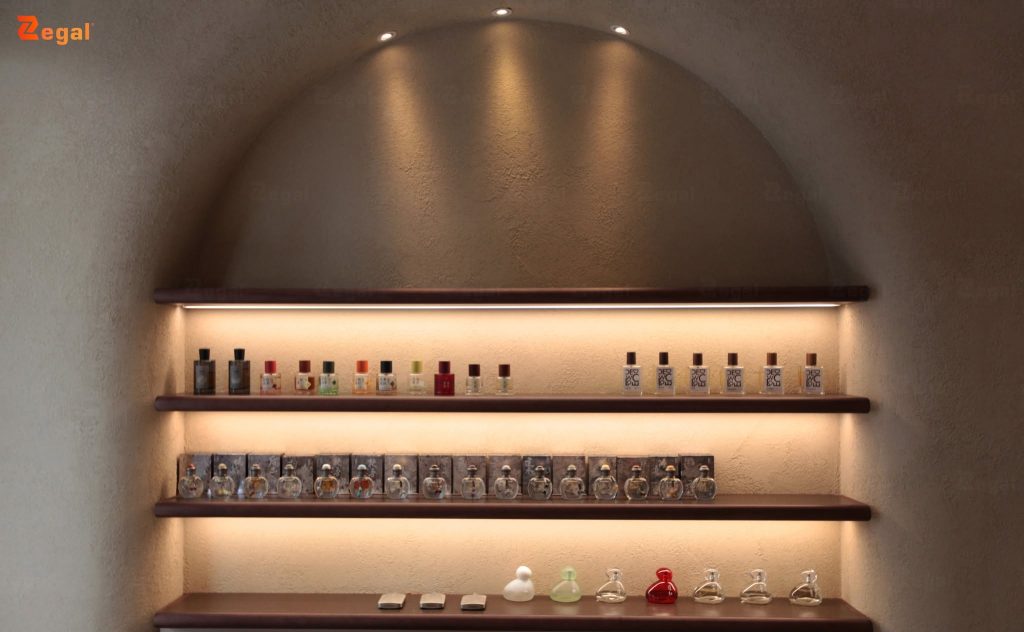
- Warm white light (Warm White 2700K to 3000K): This light has a yellow tone, similar to candlelight or sunset light. It creates a warm, relaxing, and intimate atmosphere.
- Neutral white light (Neutral White 3500K to 4500K): This light closely resembles natural daylight. It provides a balanced and alert feeling without causing glare.
- Cool white light (Cool White 5000K to 6500K): This light has a bluish white tone, similar to midday sunlight. It promotes energy and high levels of concentration, but if used improperly, it may cause tension or discomfort.
2. Impact of light color temperature on circadian rhythm
The circadian rhythm is the body’s internal clock that regulates the sleep wake cycle over a 24 hour period. Light functions as a primary signal, informing the body when to remain alert and when to rest.
2.1 Cool white light and alertness
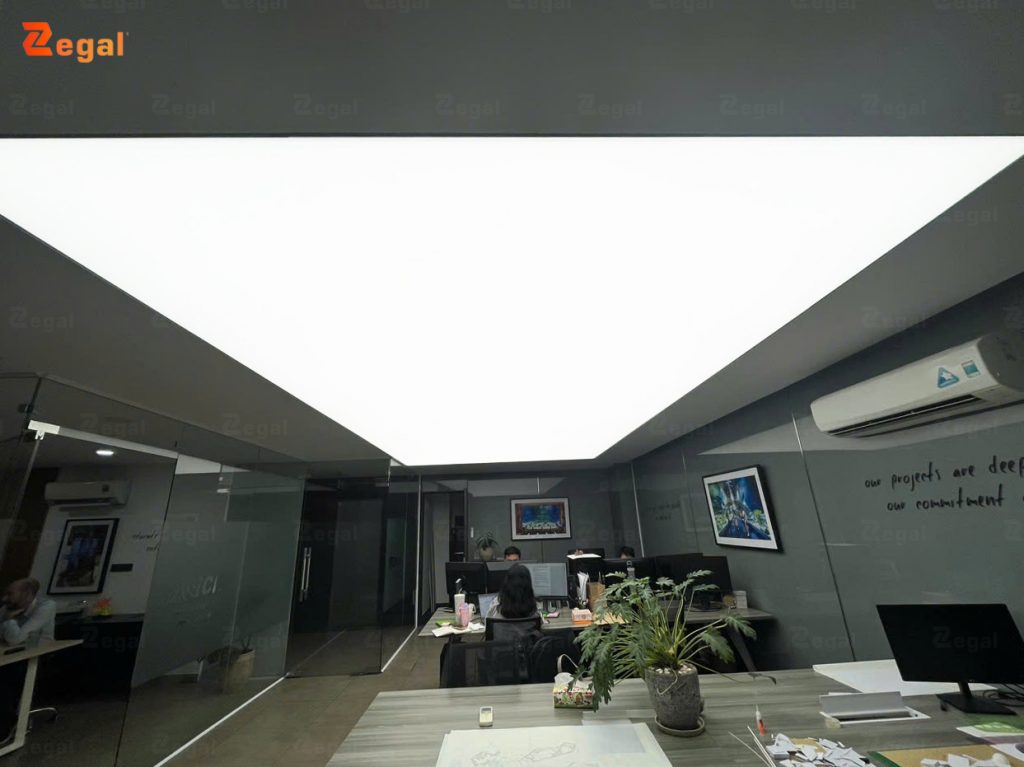
Cool white light, with intensity and wavelength similar to morning and midday sunlight, stimulates specialized light sensitive cells in the retina.
These cells send signals to the area of the brain that regulates the circadian rhythm and suppress the production of melatonin, the hormone responsible for sleepiness. This is why cool white light is highly effective in enhancing focus and work performance during the daytime.
2..2 Warm white light and sleep
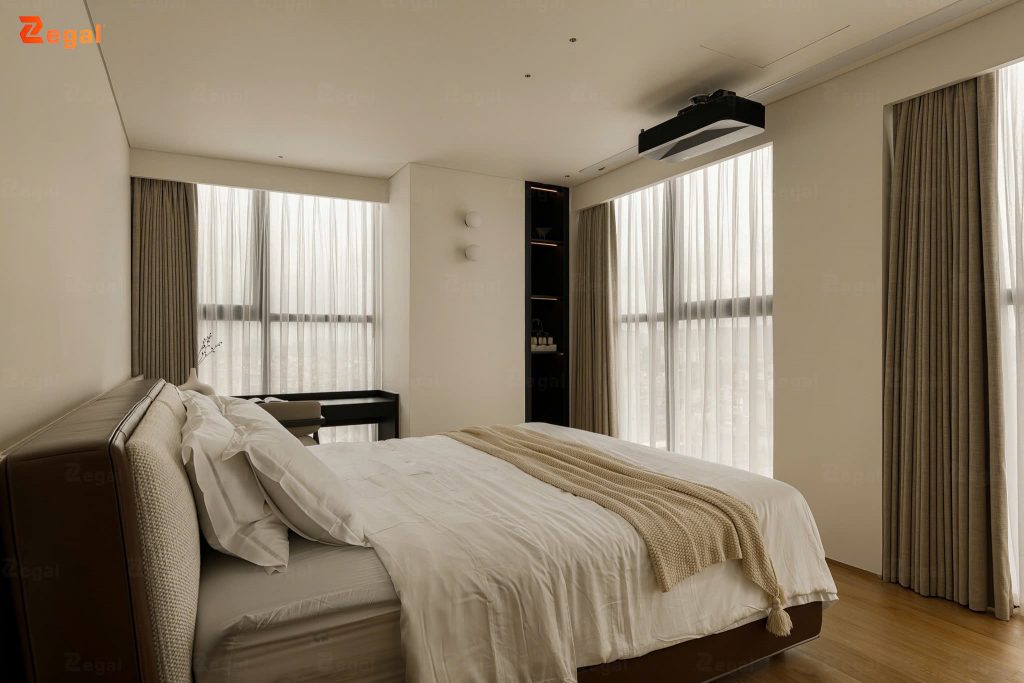
In contrast, when the sun sets, natural light shifts toward warmer yellow tones. This change signals the body that it is time to relax. When exposed to warm white light, the body begins to produce melatonin, helping us feel sleepy and transition more easily into deeper sleep.
Exposure to blue light from screens such as smartphones or computers in the evening disrupts this process, making it harder to fall asleep and reducing overall sleep quality.
3. The influence of light color temperature on emotions and psychology
Beyond its impact on sleep, light color temperature is also a powerful factor that influences human emotions and psychological state.
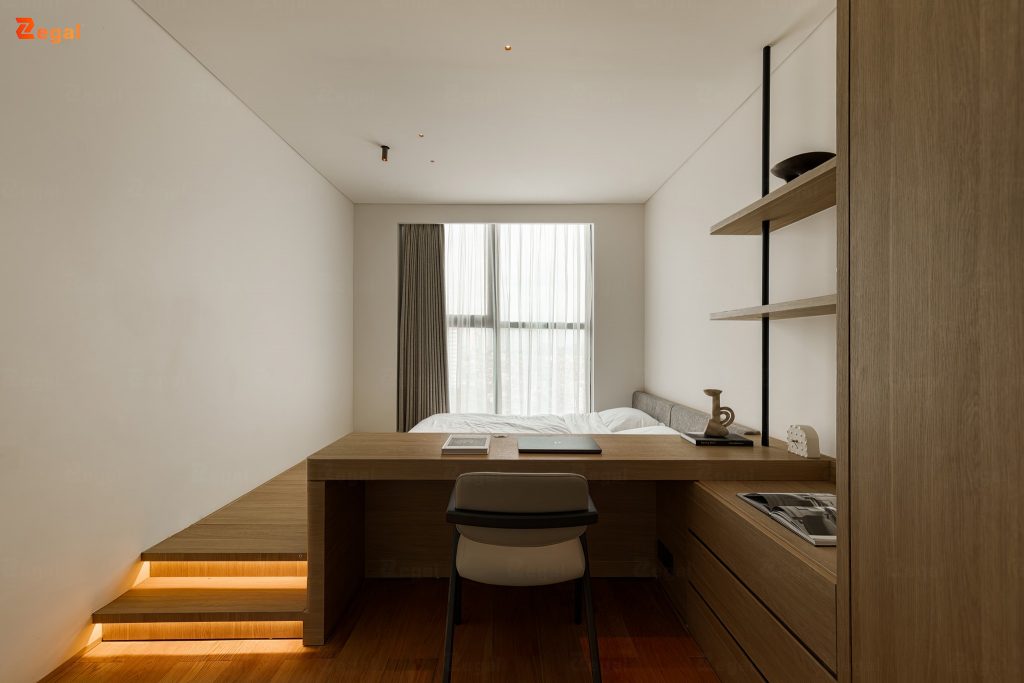
- Warm white light: Commonly associated with warmth, romance, and a sense of calm. It creates an intimate atmosphere, making it ideal for bedrooms, living rooms, or restaurants. This type of light can help reduce stress and anxiety.
- Cool white light: Conveys a feeling of cleanliness, modernity, and energy. It is suitable for workspaces, study areas, and medical environments where alertness and high levels of concentration are required. However, excessive use in living spaces may create a cold or lifeless atmosphere.
4. Recommendations for using light color temperature effectively
To maximize the health benefits of lighting, the following principles should be applied:
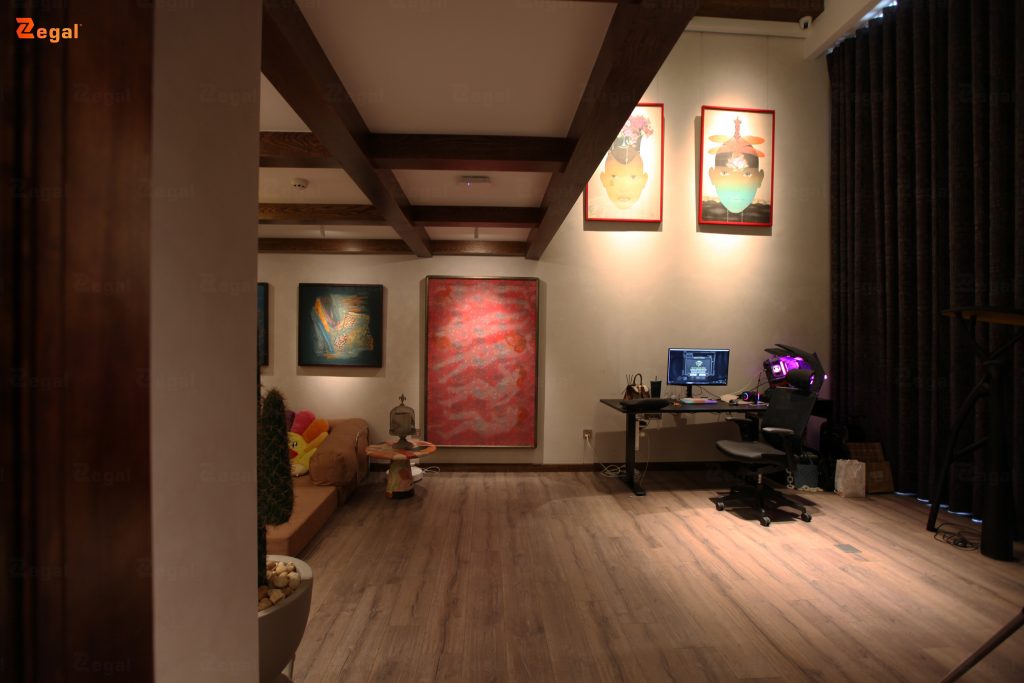
- Daytime – Neutral white light (4000K): Use this light in workspaces and kitchens to maintain alertness and concentration. Prioritize natural daylight by opening curtains.
- Evening – Warm white light (2700K to 3000K): Switch to warm lighting in living rooms, bedrooms, and bathrooms before bedtime. Minimize the use of electronic devices with blue light emitting screens.
- Use smart lighting systems: Smart lighting systems allow flexible adjustment of color temperature at different times of the day. This is an effective solution for synchronizing artificial lighting with your circadian rhythm.
- Combine multiple light sources: Instead of using a single type of fixture, combine ambient, task, and accent lighting with different color temperatures to create a layered and flexible space.
5. Conclusion
Light color temperature is not merely a technical parameter. It is an essential factor that strongly affects health, psychology, and work performance. Choosing and using lighting consciously helps improve sleep quality, enhance concentration, and create a living environment that is truly balanced and relaxing.
Do not focus only on interior design. Start paying attention to lighting, because a properly lit space supports a healthier and happier life.
——
For further consultation, please contact Zegal Vietnam using the information below:
Zegal Hanoi
112 Vo Chi Cong, Nghia Do Ward, Hanoi
Zegal Ho Chi Minh
319–C9 Ly Thuong Kiet, Phu Tho Ward, Ho Chi Minh City
Hotline: +84969 14 6688