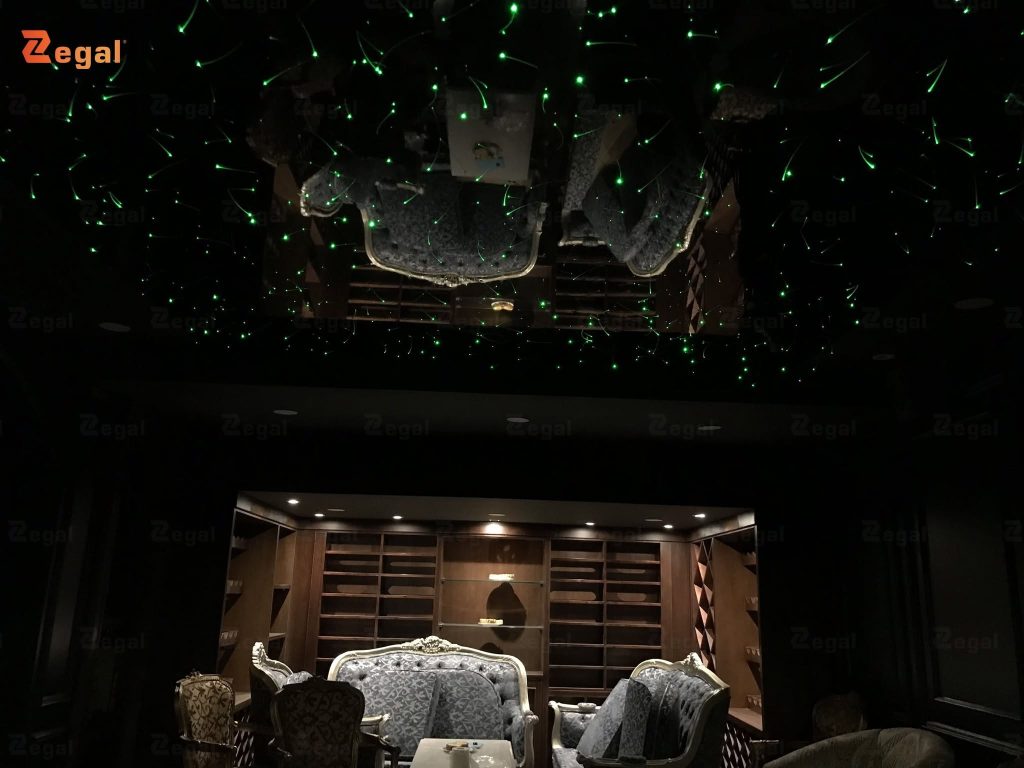


1. How does a lighting control system save electricity?
In many modern buildings, electricity consumption for lighting always accounts for a large percentage. However, many spaces still have lights on continuously even when not really necessary. This is also why lighting control systems are increasingly being used in homes, showrooms, hotels, and offices.
Not only does this solution make the space operate more intelligently, but it also contributes significantly to reducing daily electricity consumption. When lighting is precisely controlled, users can optimize usage efficiency while still ensuring a comfortable visual experience.
Learn more about smart living solutions with LTECH smarthome, here.
2. What is a lighting control system?
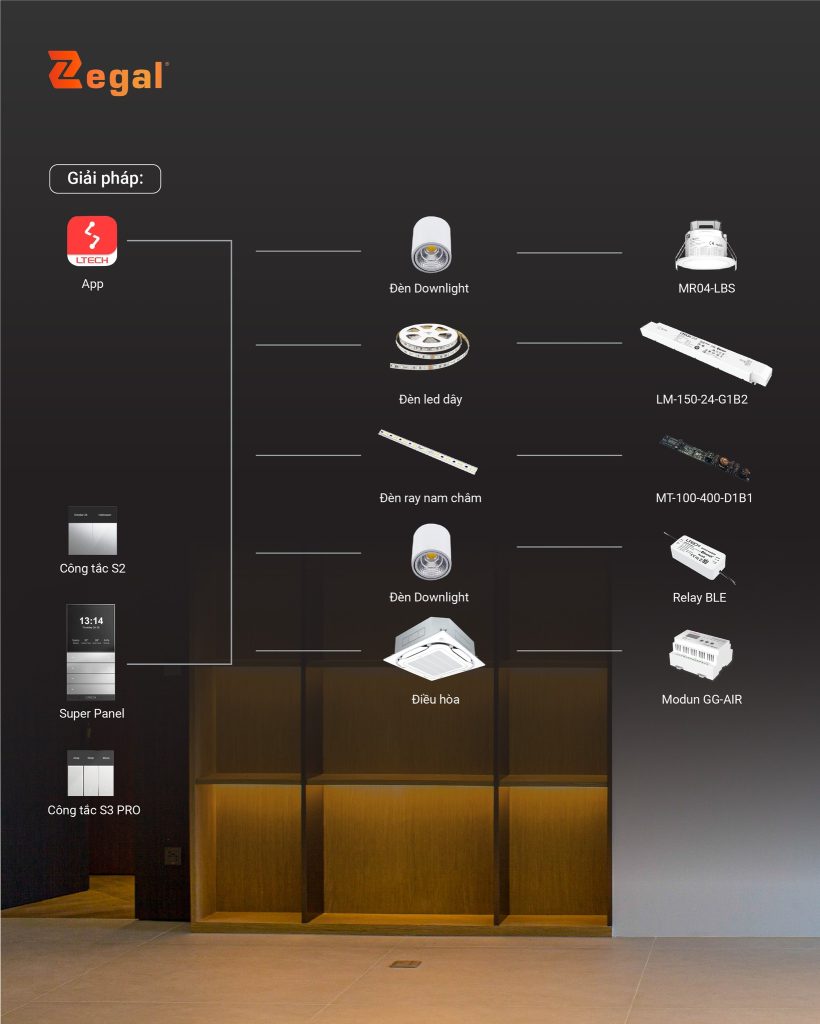
A lighting control system is a solution that allows users to control the intensity, duration, and operating status of lights through smart switches, sensors, or an app.
Instead of manually switching the lights on and off, the system can automatically adjust the lighting according to actual needs. This helps to reduce wasteful electricity usage during operation.
3. How does a lighting control system save electricity?
3.1. Reduced energy consumption through appropriate brightness adjustment
In reality, many spaces don’t need to use 100% power lighting continuously. With dimming technology, the system can reduce brightness at appropriate times while still ensuring sufficient light for daily activities and work.
Just a partial reduction in light intensity can significantly reduce electricity consumption over time.
3.2. Automatic light shut-off when not in use
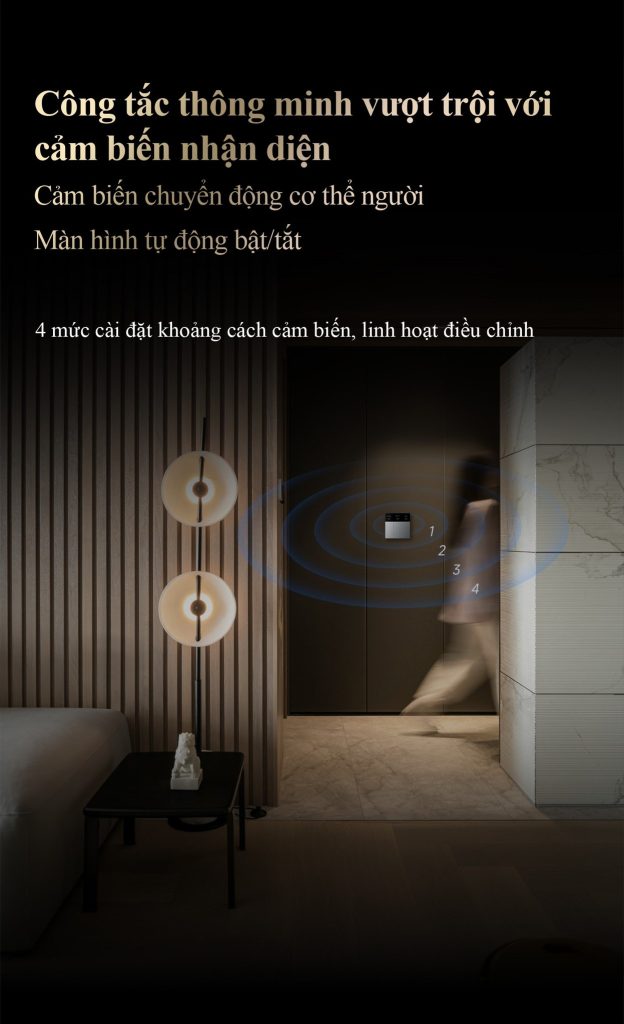
One of the most common causes of wasted electricity is forgetting to turn off the lights. A smart control system can incorporate motion sensors or presence sensors to automatically turn lights on and off based on actual activity.
This solution is particularly suitable for:
• Corridors
• Restrooms
• Offices
• Showrooms
• Public areas
3.3. Optimized lighting for each area
Not all areas require the same level of brightness. The control system allows for separate lighting zones for more efficient control.
For example:
• Display areas require bright lighting
• Rest areas require soft lighting
• Hallways only need basic lighting levels
Zone-by-zone control helps avoid unnecessarily turning on the entire system.
3.4. Dimming Technology Helps Save Electricity Effectively
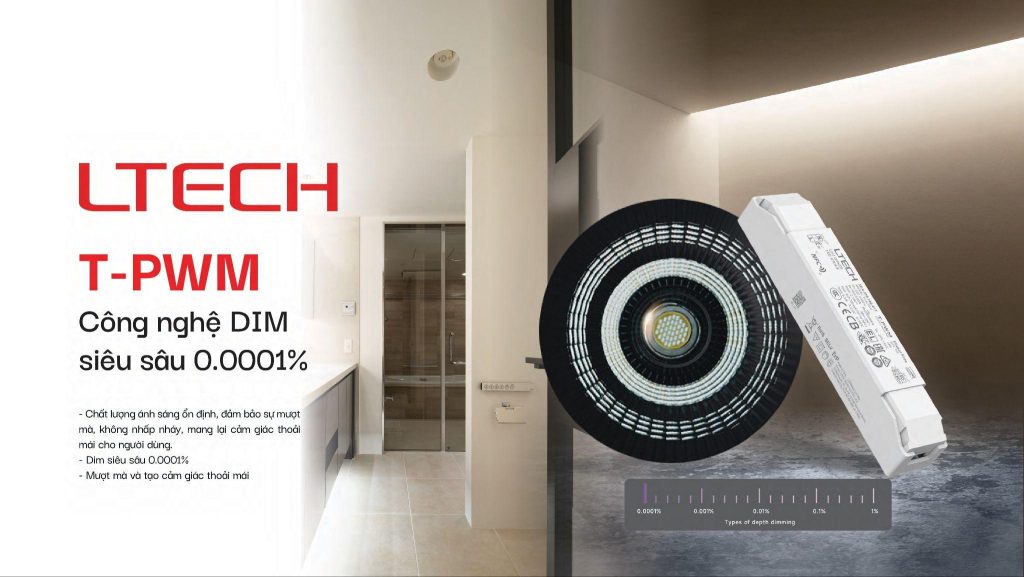
Dimming not only creates a comfortable feeling for the eyes but also helps lighting equipment operate more efficiently.
When power is reduced appropriately:
• Lights consume less electricity
• Lower heat emission
• Reduces system overload
• Increases the lifespan of lighting equipment
This is why many modern buildings prioritize using lighting control systems combined with smart dimming technology.
4. Applications of Lighting Control Systems in Practice
4.1. Smart Homes
Users can set up various lighting scenarios for:
• Living Room
• Bedroom
• Kitchen
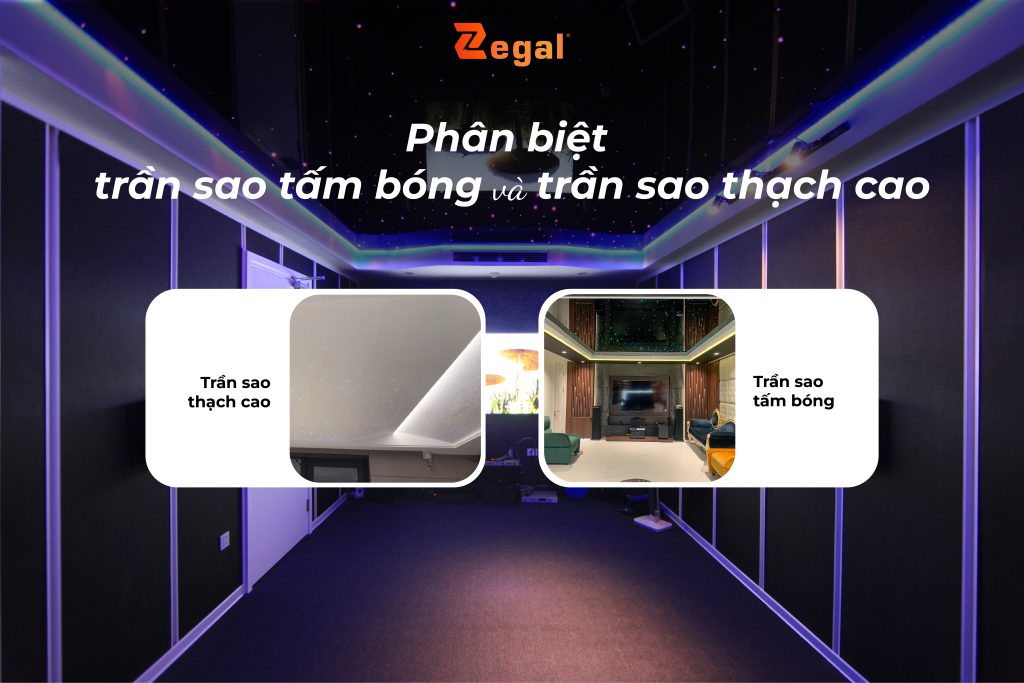
• Home Theater
The system will automatically adjust according to time or usage habits.
Learn more about the leading interior design trends of 2026 here.
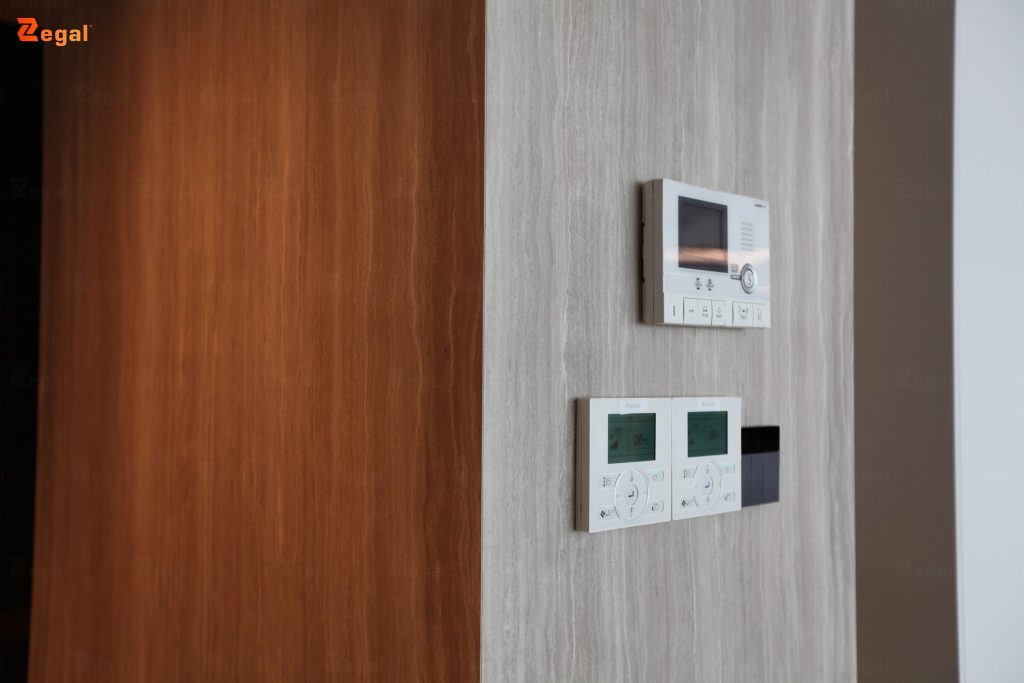
4.2. Showrooms and Commercial Spaces
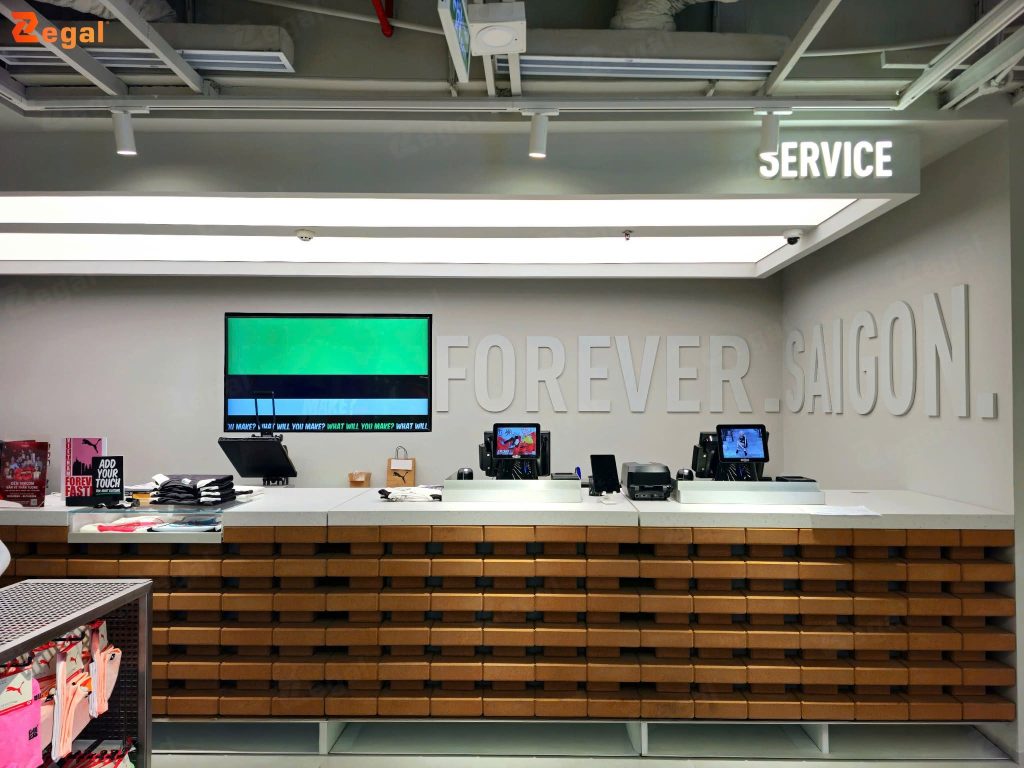
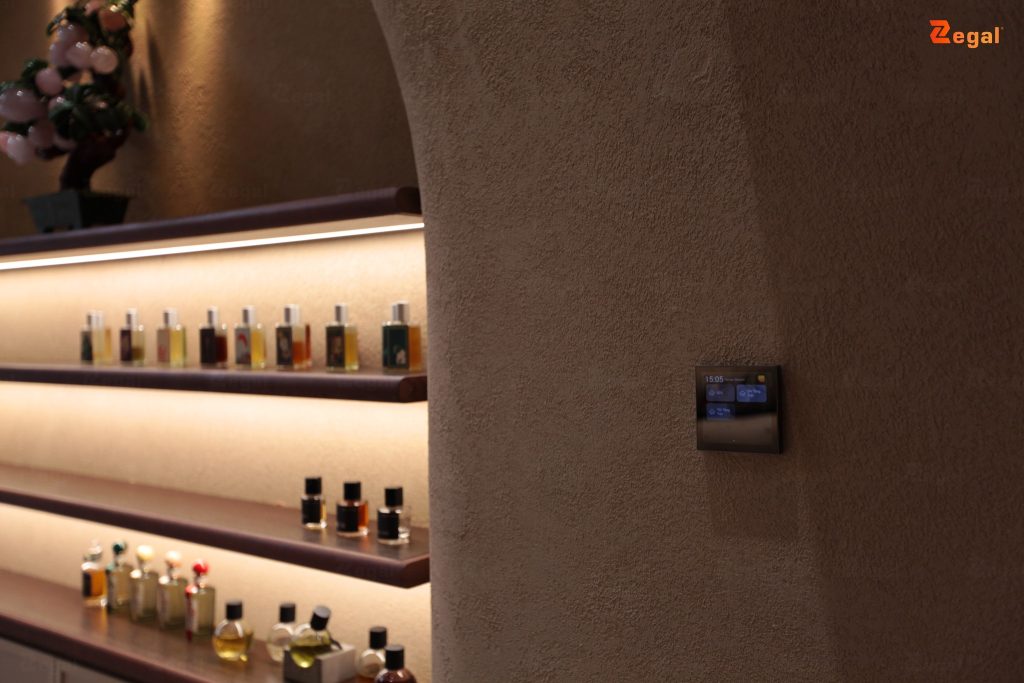
Lighting in showrooms is not only for illumination but also helps to highlight products. The control system optimizes power consumption at different times of operation, minimizing energy waste during off-peak hours.
4.3. Hotels and Resorts
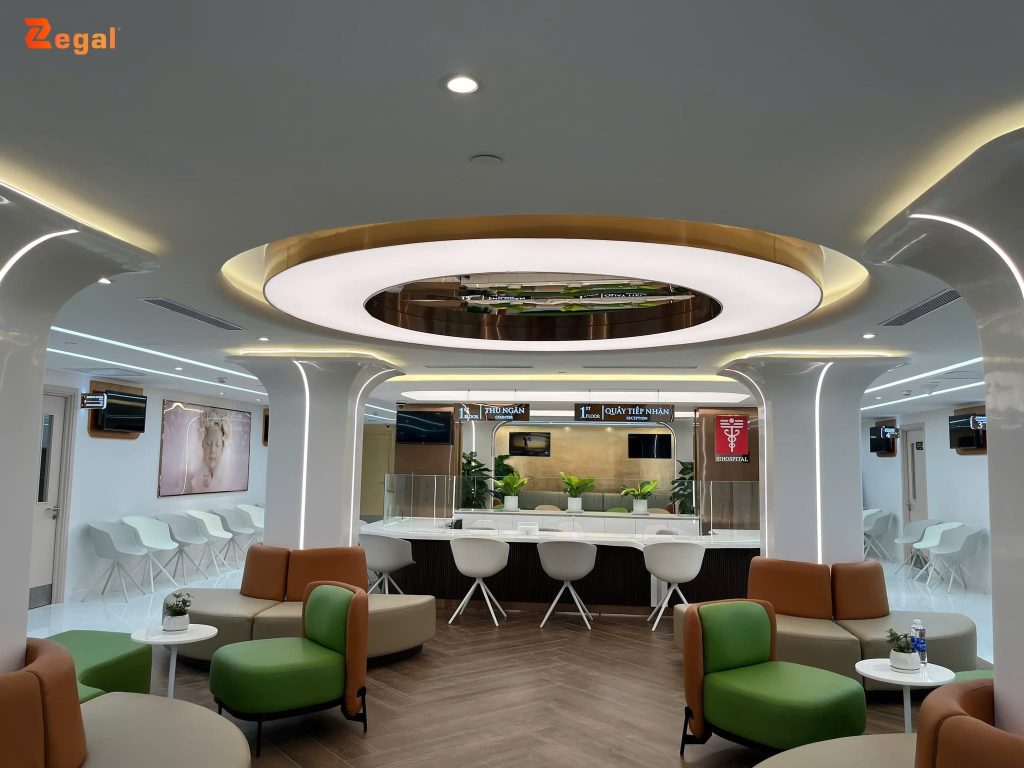
Accommodation establishments often operate lighting systems with high intensity. Automated control significantly reduces monthly electricity costs while maintaining a high-end experience for customers.
5. LTECH and Smart Lighting Control Solutions
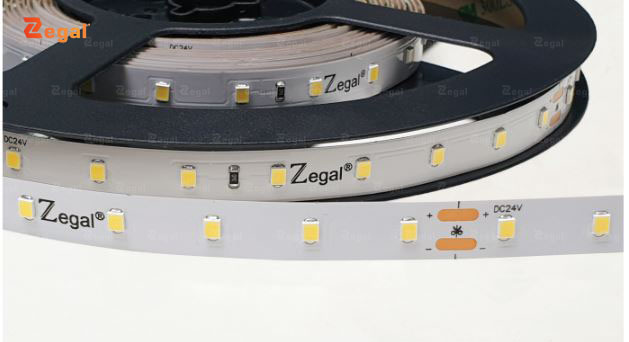
Zegal Vietnam provides smart lighting control solutions from LTECH, meeting the needs of homes, showrooms, hotels, and many modern commercial spaces. The control system supports smooth dimming, precise light control, and compatibility with many high-end lighting systems. The combination of lighting design and smart control technology optimizes operation, especially saving energy and providing a stable, pleasant lighting experience for users.
Looking back at the outstanding projects Zegal has completed here.
6. Conclusion
In modern architectural trends, lighting is no longer just a basic lighting element. A suitable lighting control system helps buildings operate more efficiently, reduces energy consumption, and improves the daily user experience.
This is also a preferred solution for many architects and investors in modern projects due to its ability to optimize costs in the long term.
Contact Zegal today for advice on the right solution for your project.
——
For further consultation, please contact Zegal Vietnam at the information below:
Zegal Hanoi
112 Vo Chi Cong Street, Nghia Do Ward, Hanoi
Zegal Ho Chi Minh City
319-C9 Ly Thuong Kiet Street, Phu Tho Ward, Ho Chi Minh City
Hotline: 0969 14 6688