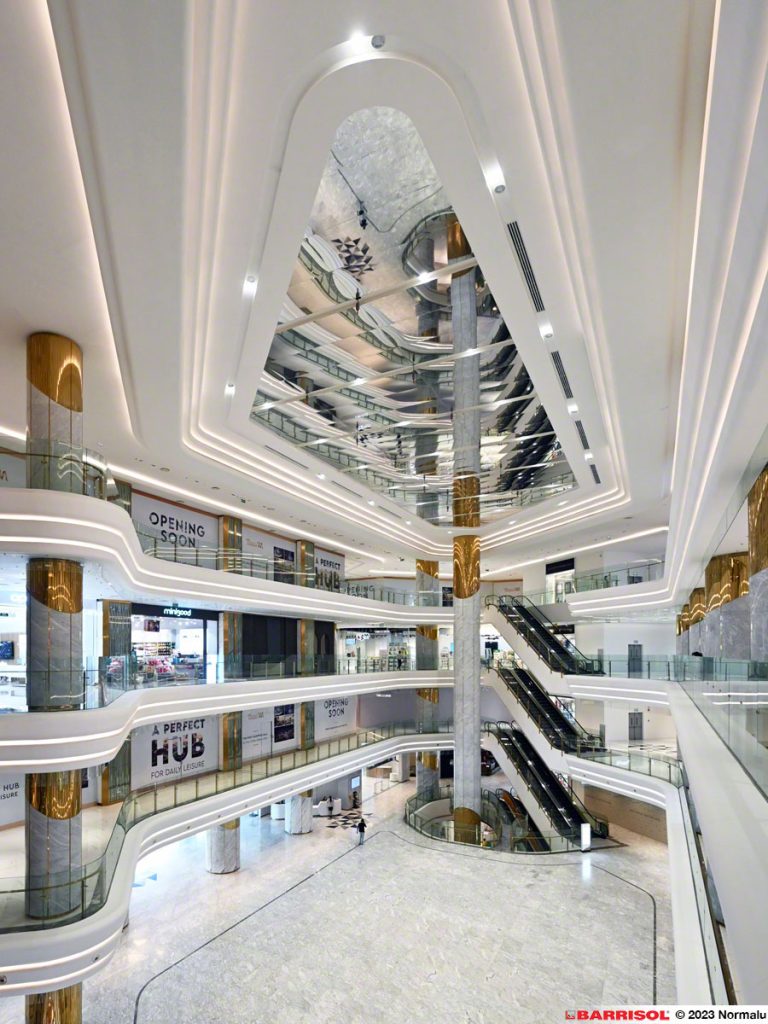


The way LED lighting is arranged in a home directly affects how space is perceived, yet it is often underestimated. Many homes are bright enough but still feel flat, lack depth, or cause visual fatigue due to poorly organized lighting. When the true nature of LED light is properly understood, lighting layout becomes a tool for shaping space effectively, rather than merely providing illumination.
1. The nature of LED lighting in interior spaces
LED lighting is an artificial light source with a very high level of control over intensity, color, and light distribution. Unlike natural light, which constantly changes with time and weather conditions, LED lighting allows designers to intentionally create stable, controlled lighting scenarios.
In modern design, lighting does not serve vision alone. Light influences emotion, circadian rhythm, concentration, and levels of relaxation. Therefore, the way LED lights are arranged in a home cannot be separated from functional use and everyday living behavior.
2. Technical parameters to understand before arranging LED lighting
2.1 Color temperature (CCT) and spatial perception
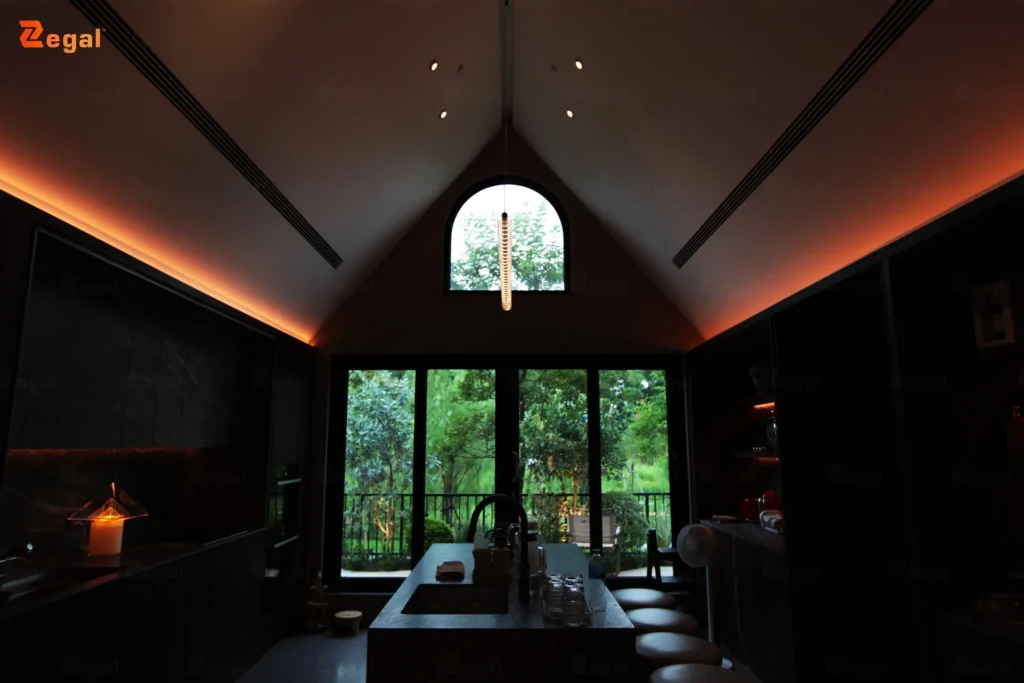
Color temperature determines whether light appears warm or cool. Warm light creates a relaxing atmosphere, neutral light offers balance, while cool light enhances alertness. Living spaces should prioritize visual comfort, so color temperature selection needs to align closely with the function of each area rather than applying a single CCT throughout the entire home.
2.2 2.2 Color rendering index (CRI) and light quality
CRI indicates how accurately a light source reproduces colors compared to natural light. In residential spaces, low CRI lighting can make skin tones look dull and materials appear unnatural. An effective approach to arranging LED lighting in the home always goes hand in hand with choosing light sources that have sufficiently high CRI values for key living areas.
2.3 Glare (UGR) and visual comfort
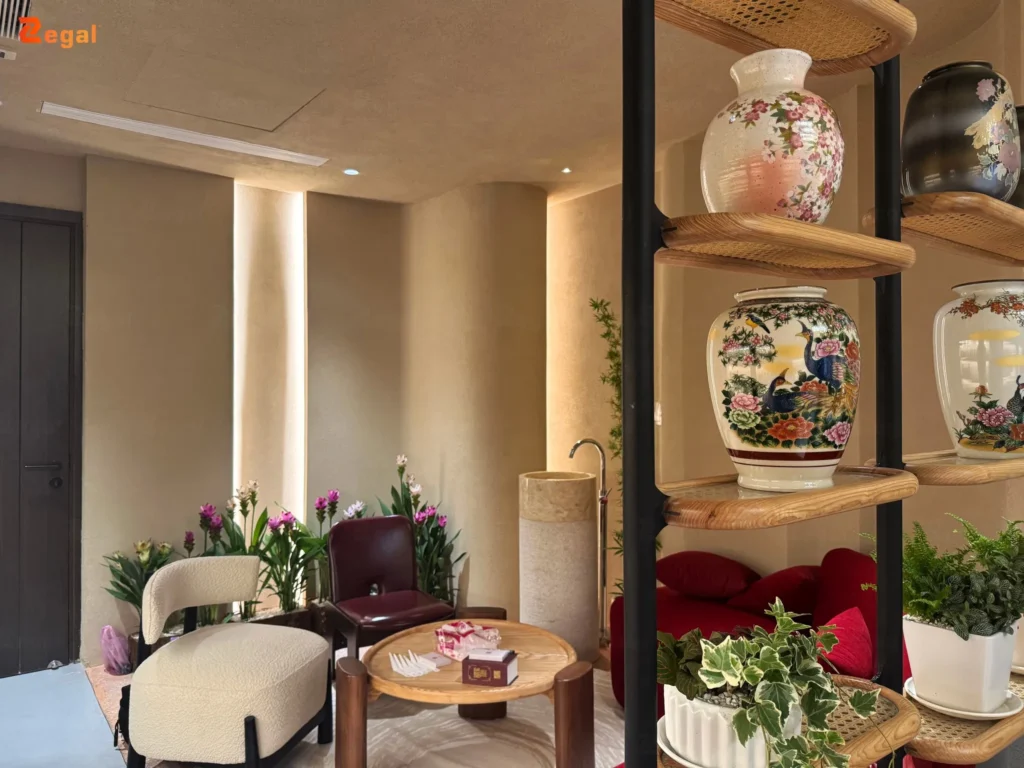
A space with excessive glare causes eye strain and discomfort, even when overall brightness meets standards. Glare is largely influenced by fixture placement, beam angles, and surrounding reflective surfaces. Arranging LED lighting without proper UGR control is a common mistake in many homes today.
2.4 Light distribution and lighting layers
Lighting should be organized in layers: ambient lighting, task lighting, and accent lighting. Relying on a single lighting layer results in flat spaces that lack depth and are difficult to adapt to different usage needs.
3. How to arrange LED lighting in the home by specific spaces
3.1 Guidelines for arranging LED lighting in the bedroom
The role of lighting in the bedroom
The bedroom is a space for rest and recovery, where lighting should support relaxation. Light that is too bright or too cool can disrupt circadian rhythms and negatively affect sleep quality.
How to choose LED lighting for the bedroom
When arranging LED lighting in the home, especially in the bedroom, it is best to prioritize warm or neutral light with moderate output and well diffused illumination. The ability to adjust brightness is a critical factor, allowing the lighting to adapt to different daily activities and moods.
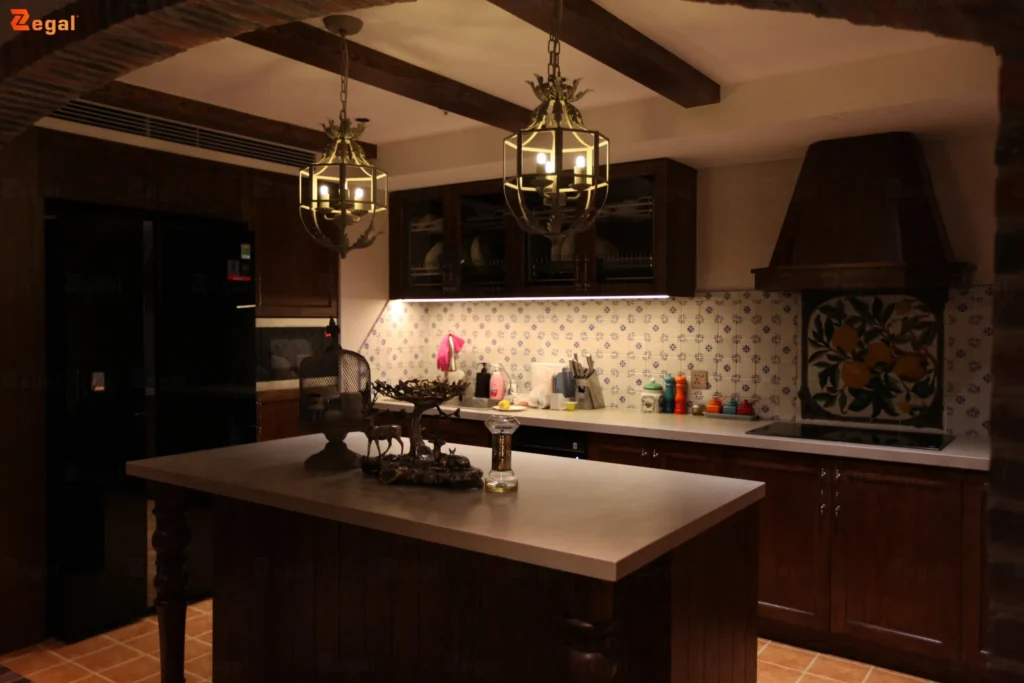
Recommended LED lighting types for the bedroom
- Recessed lights: Recessed downlights provide ambient lighting and should be spaced generously and combined with other light sources to avoid flat, uniform illumination.
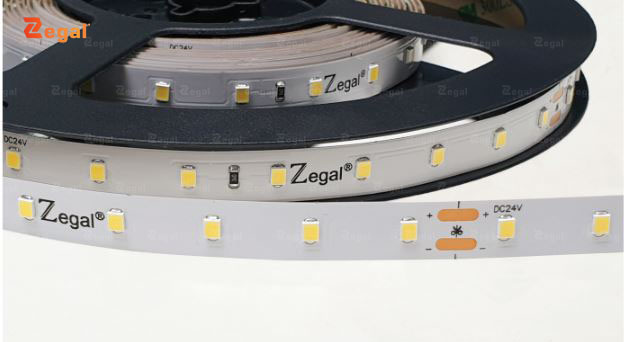
- LED strip lights: LED strips used for cove lighting, headboard backlighting, or wardrobe accents help create softer and more comfortable light.
- Pendant lights and wall lights: These fixtures work well for localized lighting, adding visual interest and personal character to the space.
- Table lamps: Table lamps offer focused light for reading or light tasks, helping avoid the need to illuminate the entire room.
Principles for arranging LED lighting in the bedroom
Lighting should not shine directly onto the bed. Light is best reflected off ceilings or walls. Combining multiple smaller light sources creates a more comfortable and calming atmosphere than relying on a single high output fixture.
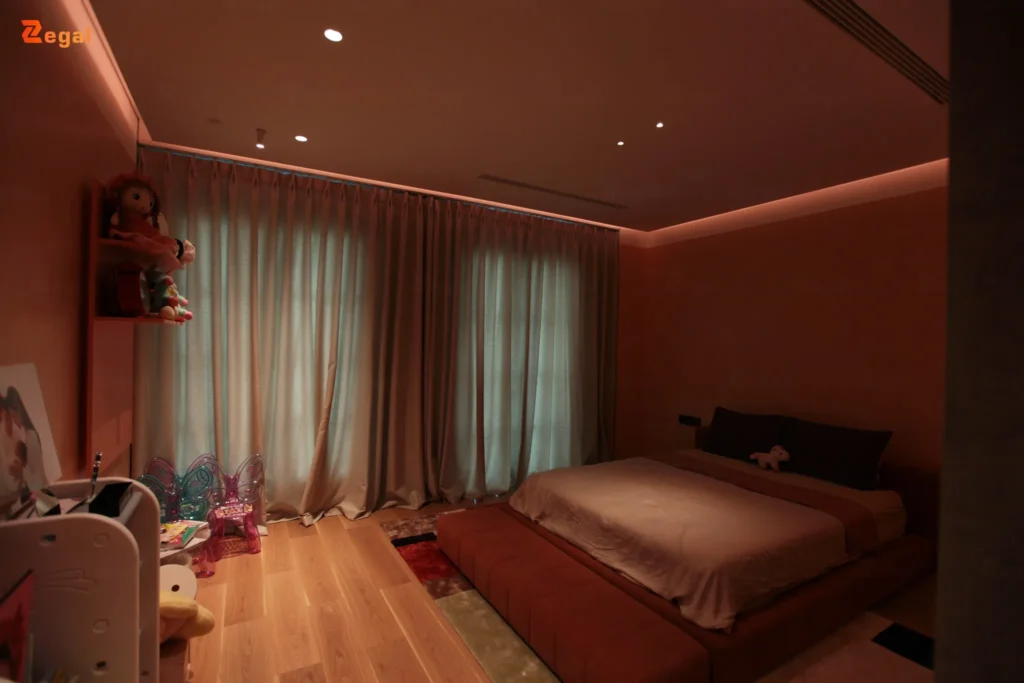
3.2 Effective LED lighting layout for the living room
The role of lighting in the living room
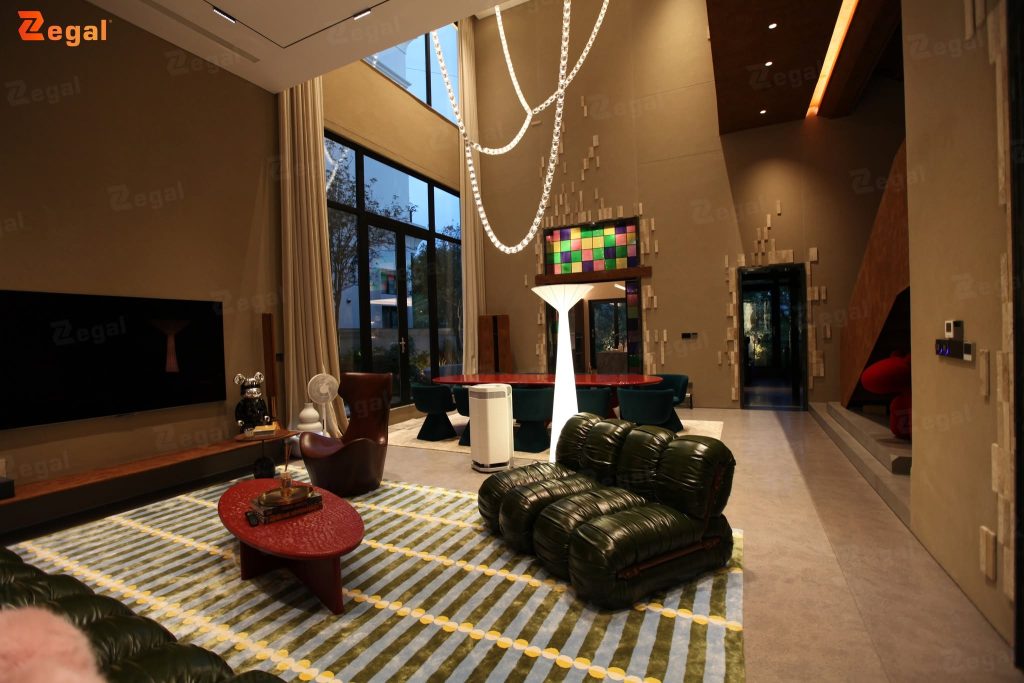
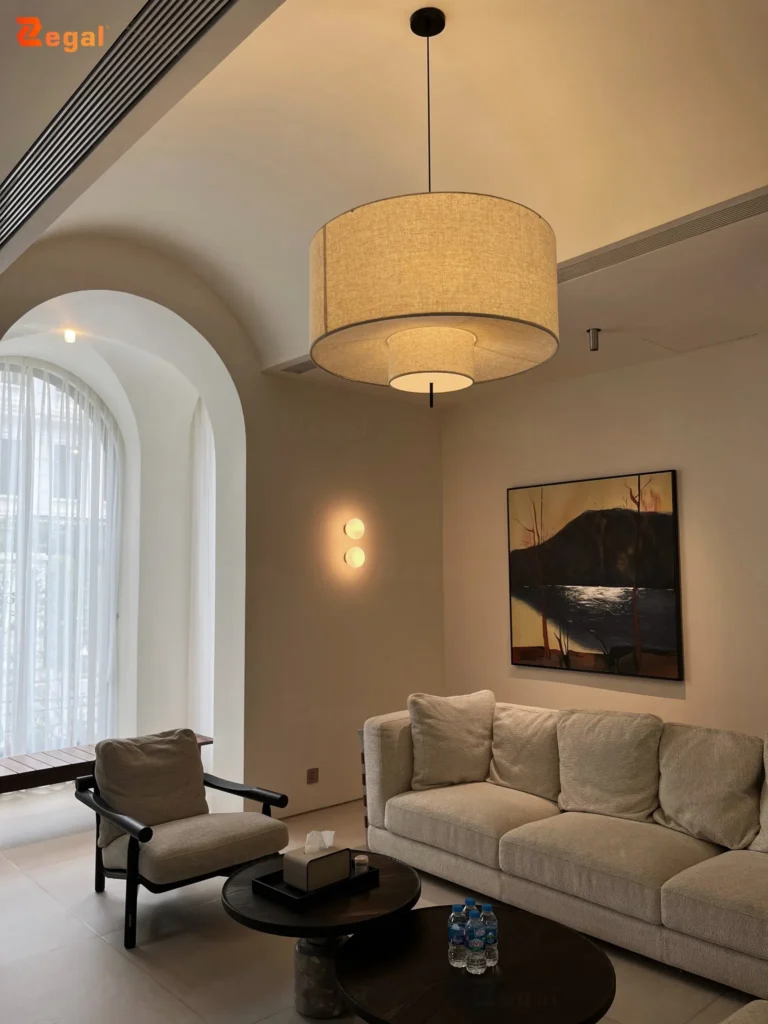
The living room is a multifunctional space used for receiving guests, daily activities, and relaxation. Lighting therefore needs to be flexible, with the ability to shift between different moods and functions throughout the day.
Key principles for arranging LED lighting in the living room
- Highlight wall colors and materials: Cove lighting or angled illumination helps wall finishes and materials gain depth and visual richness.
- Separate lighting circuits: Dividing lighting into multiple circuits allows flexible control of brightness and atmosphere without changing fixtures.
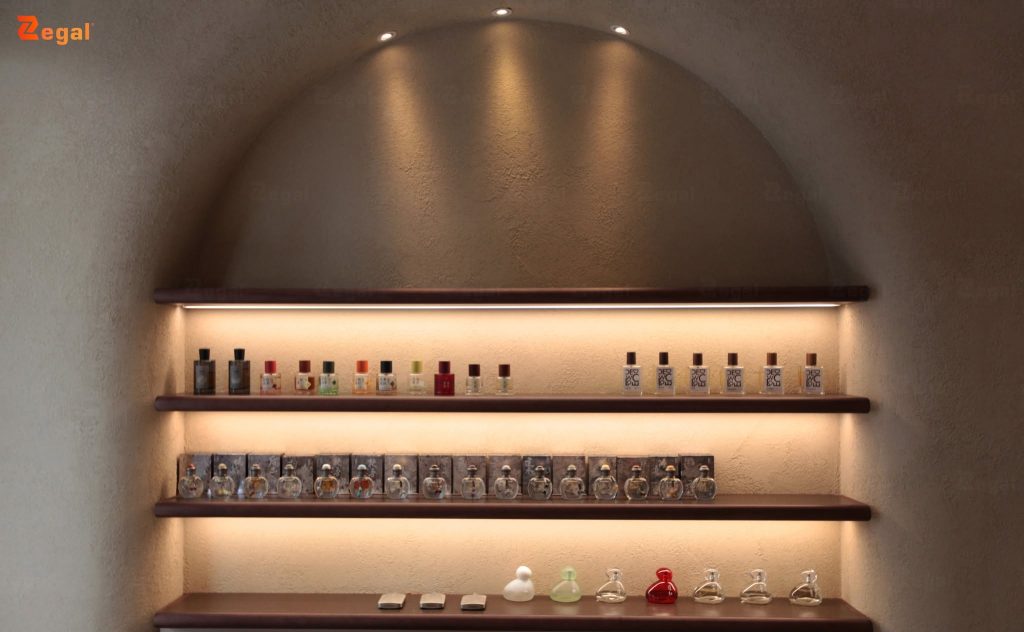
- Create lighting focal points: Accent lighting establishes visual hierarchy, preventing the space from feeling flat, scattered, or monotonous.
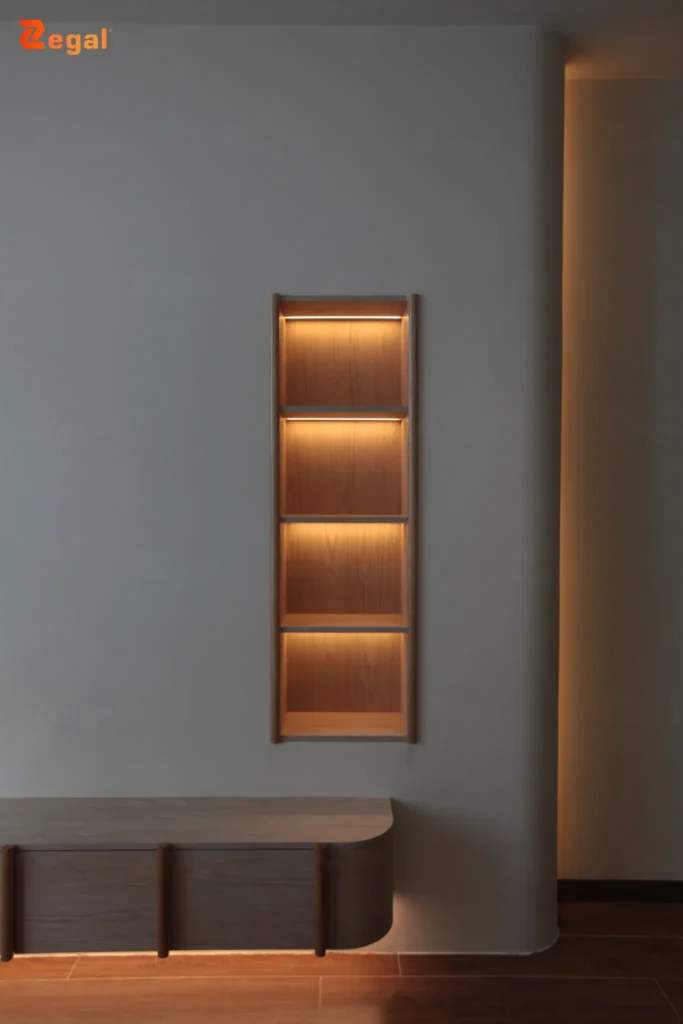
Notes when arranging LED lighting in the living room: The TV area should avoid direct light shining onto the screen. Bar counters or decorative corners should use focused lighting with moderate intensity to create depth.
4. Common mistakes when arranging LED lighting in the home
Many spaces use too many recessed downlights, resulting in flat and glaring illumination. Another common mistake is choosing inappropriate color temperatures, making the space feel cold or visually heavy. Ignoring indirect lighting and failing to consider beam angles also significantly reduces overall lighting quality and user experience.
5. General principles for arranging LED lighting in the home
Always think of lighting in layers, not in the number of fixtures:
- Prioritize indirect lighting for living spaces.
- Choose high quality light sources before considering wattage.
- Let lighting work with the architecture, not against it.
An effective LED lighting layout is one where light blends naturally into the space, never drawing unnecessary attention yet always present at the right moment.
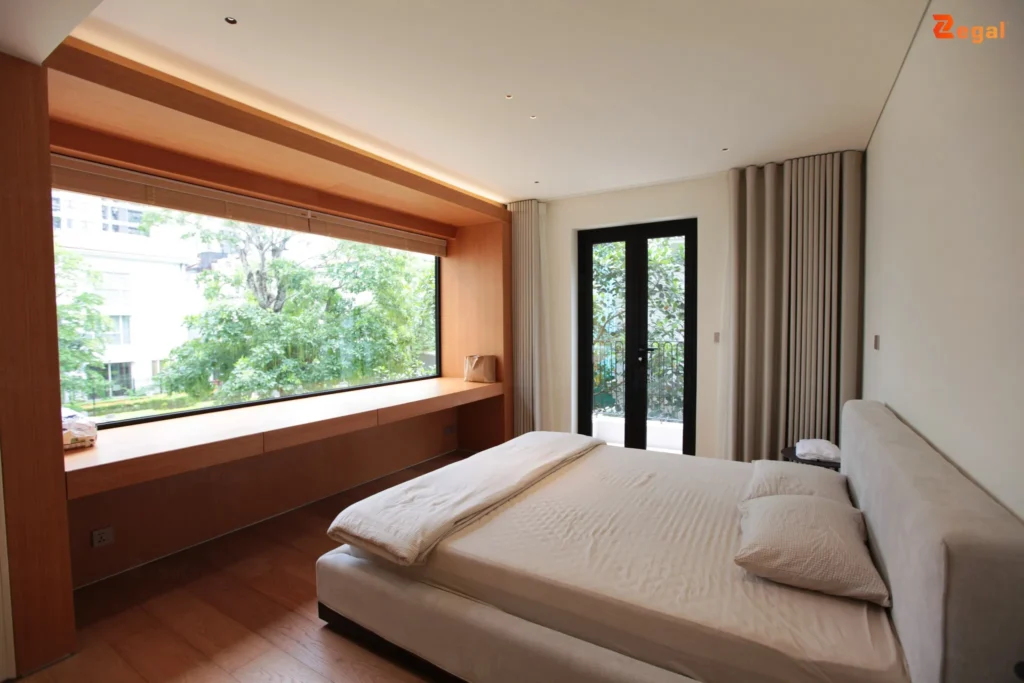
Arranging LED lighting in the home is not a fixed formula, but a process of understanding light, understanding space, and understanding the people who use it. When lighting is organized correctly, a home does not just become brighter, but also more comfortable to live in, warmer, and richer in depth. This is the core value of lighting design in modern interior architecture.
——
For further consultation, please contact Zegal Vietnam using the information below:
Zegal Hanoi
112 Vo Chi Cong, Nghia Do Ward, Hanoi
Zegal Ho Chi Minh
319–C9 Ly Thuong Kiet, Phu Tho Ward, Ho Chi Minh City
Hotline: +84969 14 6688