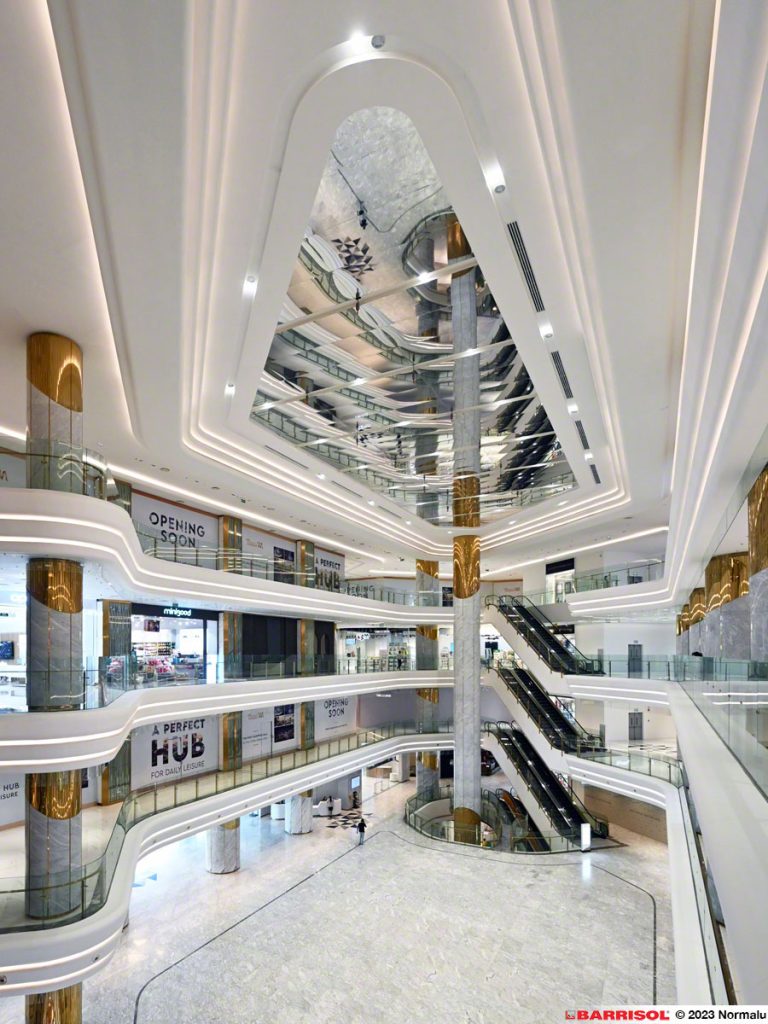


Modern lighting design focuses on creating a layered, flexible, and intelligent lighting environment. It addresses visual requirements while also considering human emotions, behavior, and circadian rhythms. This is why new trends continue to emerge, ranging from the use of natural light to lighting systems capable of adjusting throughout the day.
1. What is human centric lighting design?
Human centric lighting design is a design philosophy in which light is adjusted to align with the natural biological rhythms of the human body.
Both natural and artificial light can influence our biological rhythms, also known as the circadian rhythm, a 24 hour cycle that regulates sleep, alertness, and other physiological functions.
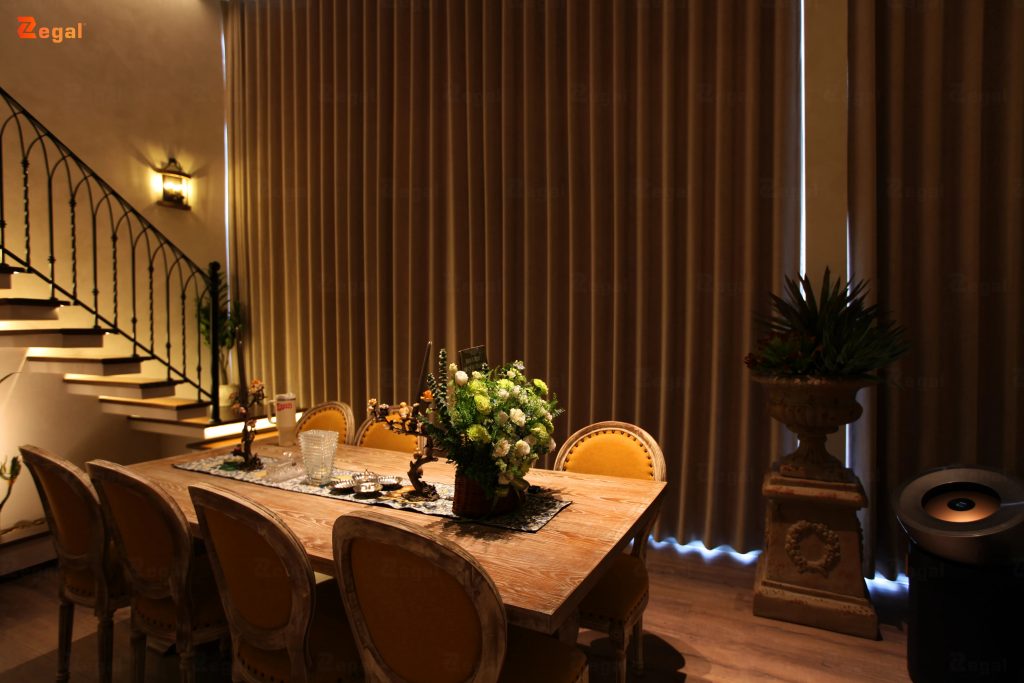
At its core, human centric lighting design does not focus solely on providing sufficient illumination. It also ensures that light has the appropriate color temperature and intensity for different times of the day. For example:
- Morning: Cool white light, similar to early daylight, supports alertness and helps the body feel energized at the start of the day.
- Daytime: Neutral white light is an ideal choice for working environments, as it enhances concentration and overall performance.
- Evening: Warm white light encourages the body to produce melatonin, promoting relaxation and making it easier to fall asleep.
This philosophy goes beyond the limitations of traditional lighting design by placing people at the center of all considerations, rather than treating them as a secondary factor.
2. Core elements of an effective lighting design system
To create a well balanced lighting design system, professionals typically focus on the following elements:
2.1 Ambient lighting
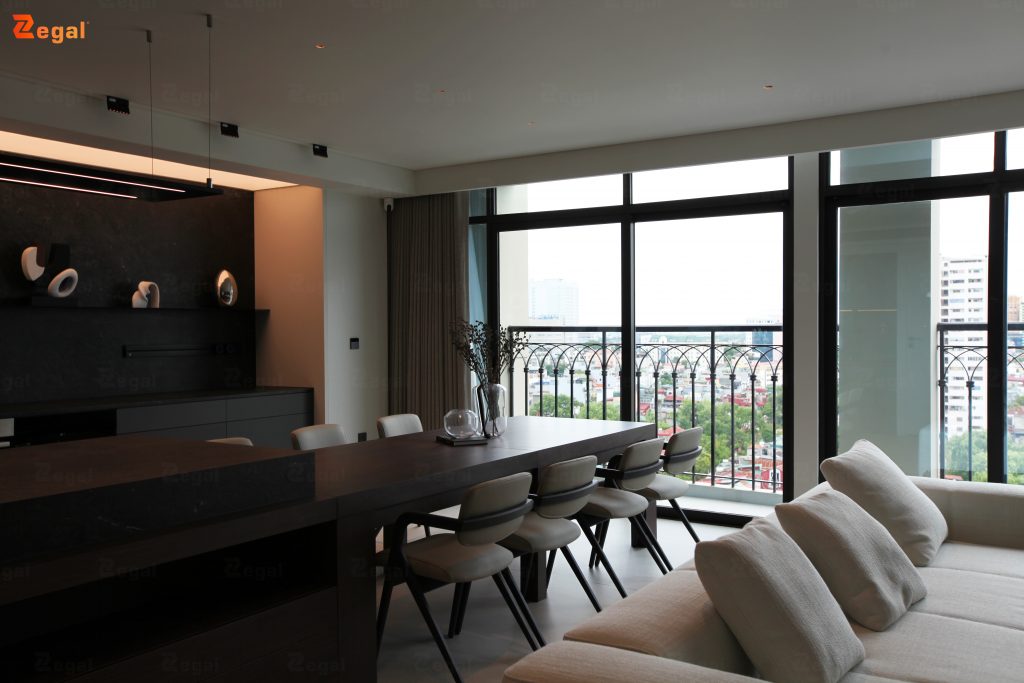
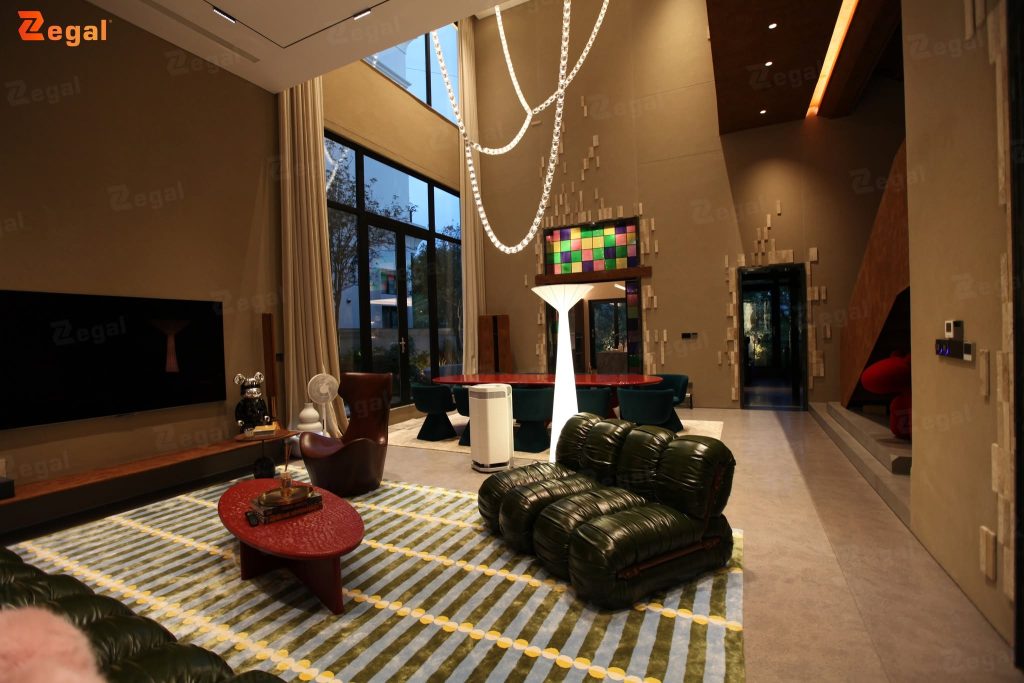
This is the base lighting layer that provides general illumination for the entire space. Ambient lighting should be evenly distributed, avoiding excessive shadows or areas of glare. Recessed lights, surface mounted ceiling lights, or indirect ceiling lighting are common options, creating a sense of openness and spatial clarity.
2.2 Task lighting
This type of lighting is designed to focus on specific work areas. Examples include desk lamps for workstations, under cabinet lighting in kitchens, or floor lamps for reading. Task lighting supports daily activities by improving accuracy, ease of use, and reducing eye strain.
2.3 Accent lighting

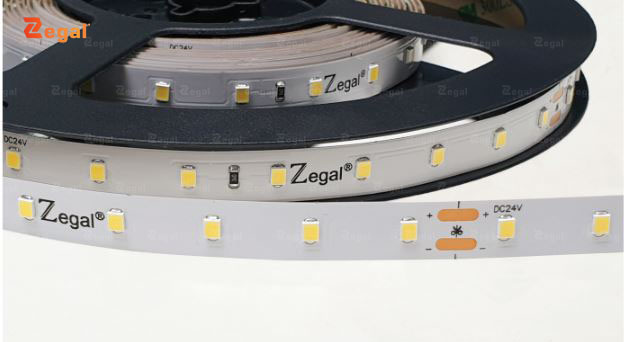
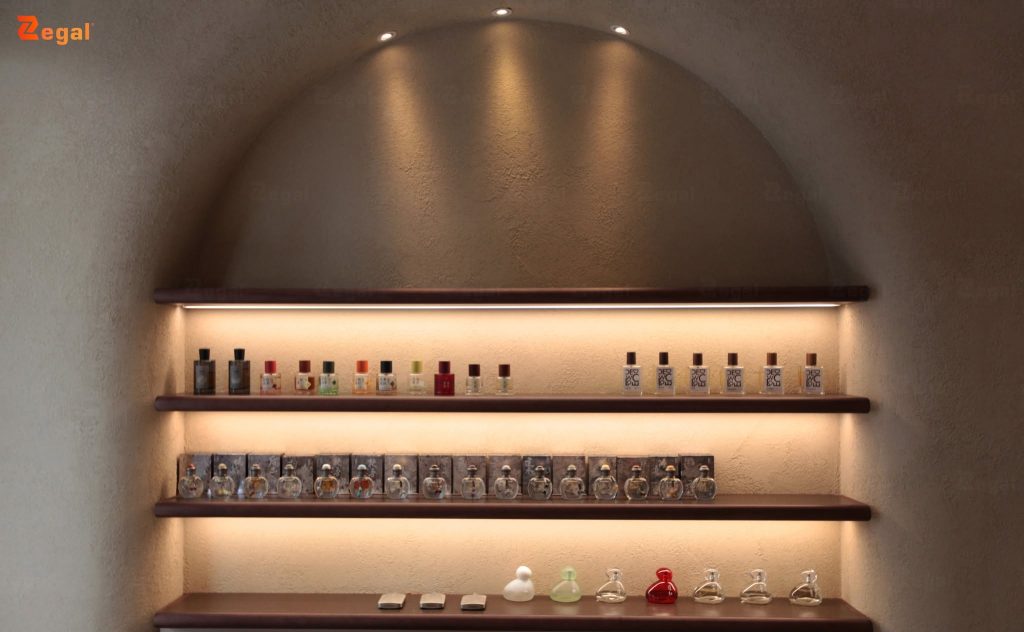
This is the artistic dimension of lighting design. Accent lighting is used to highlight architectural elements, artworks, or distinctive decorative details. Spotlights, LED strip lights, or wall lights can create strong visual effects, adding depth and character to the space.
2.4 Smart lighting control
In the era of Industry 4.0, smart lighting control systems are an essential component. Light intensity and color temperature can be adjusted, and automated lighting scenes can be set according to time or activity. This provides a high level of flexibility and convenience, allowing lighting to be tailored to different moments throughout the day.
3. The impact of lighting design on health and emotions
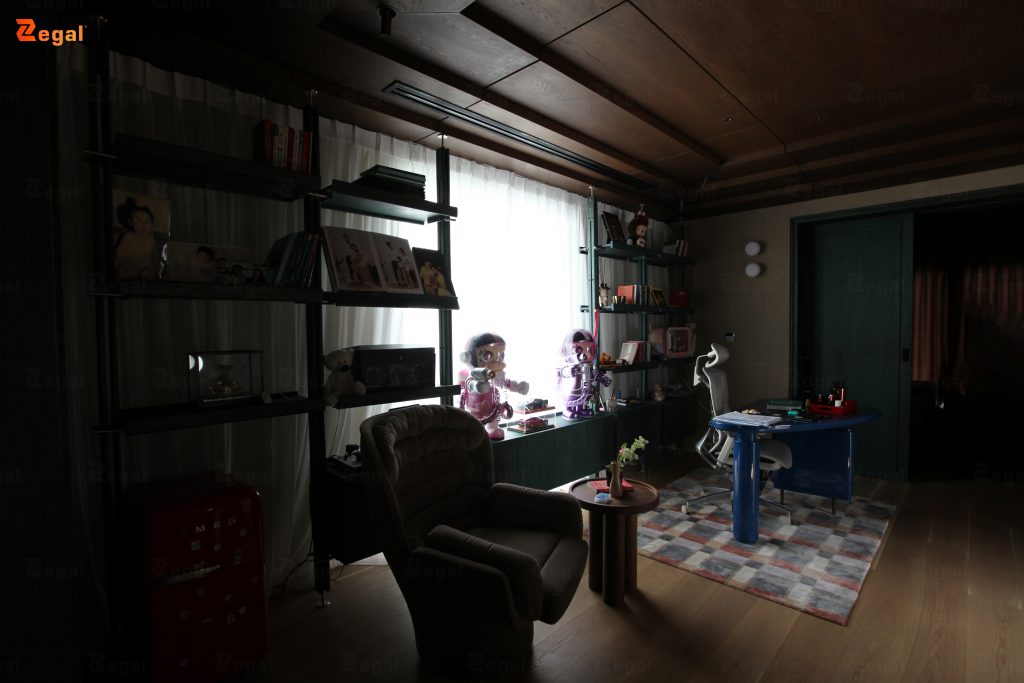
A carefully considered lighting design system can deliver significant benefits:
- Improved sleep quality: Blue light from electronic devices and cool white lighting in the evening can suppress melatonin production and disrupt sleep patterns. Human centric lighting design supports a transition to warmer light toward the end of the day, signaling to the body that it is time to rest.
- Enhanced alertness and concentration: Neutral white light during the daytime has been shown to improve alertness, support cognitive function, and increase work performance.
- Improved mood: Light has a strong influence on emotional state. Insufficient or inappropriate lighting can lead to feelings of fatigue or low mood. In contrast, a well lit environment promotes a positive, energized, and motivated state of mind.
- Visual comfort and protection: Working under poor lighting conditions forces the eyes to continuously adjust, leading to eye strain and headaches. Proper lighting design minimizes these effects and helps protect vision over the long term.
4. Selecting appropriate lighting fixtures for lighting design
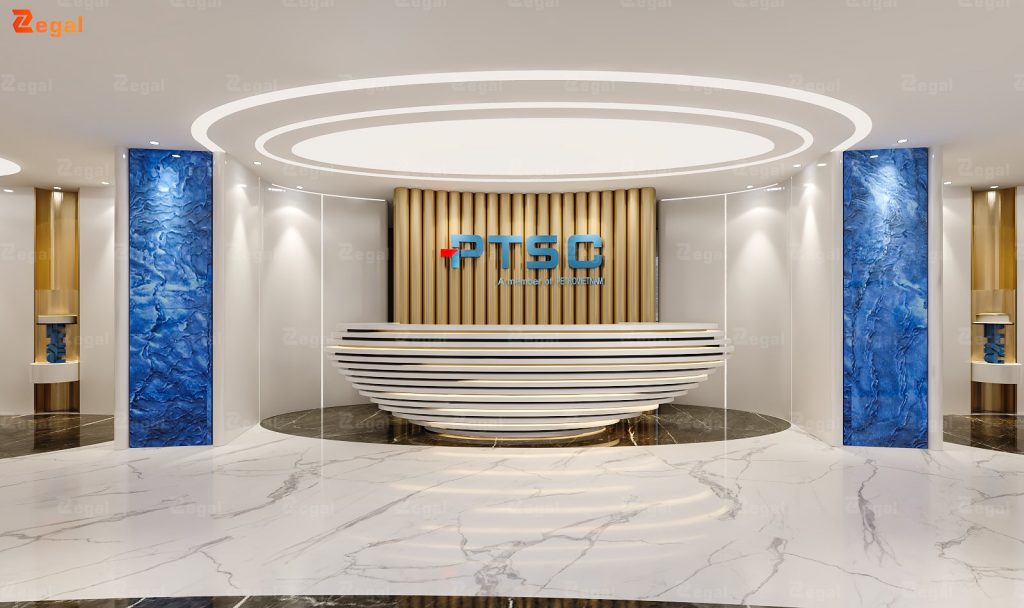
With the advancement of technology, a wide range of lighting options is now available. LED lighting represents the most advanced solution today, not only for its high energy efficiency but also for its flexibility in adjusting color and intensity. Recessed LED lights, LED strip lighting, spotlights, and LED panel lights all deliver strong lighting performance while maintaining a refined visual quality.
In addition, translucent ceiling systems such as Barrisol offer a breakthrough solution. Translucent ceilings provide uniform general illumination and realistically simulate natural light, while also allowing color changes to create distinctive lighting effects. This makes them an ideal choice for spaces that require a high level of artistic expression and flexibility.
5. Conclusion
Lighting design is no longer a secondary aspect of architecture and interior design. It has become a key factor that directly influences quality of life. By applying a human centered design approach, spaces can be created that are visually balanced, supportive of health, and conducive to inspiration and long term well being.
A well designed and intelligent lighting system is a worthwhile investment in health, productivity, and overall comfort. Thoughtful lighting choices support daily activities and enhance the way people experience their living and working environments.
——
For further consultation, please contact Zegal Vietnam using the information below:
Zegal Hanoi
112 Vo Chi Cong, Nghia Do Ward, Hanoi
Zegal Ho Chi Minh
319–C9 Ly Thuong Kiet, Phu Tho Ward, Ho Chi Minh City
Hotline: +84969 14 6688