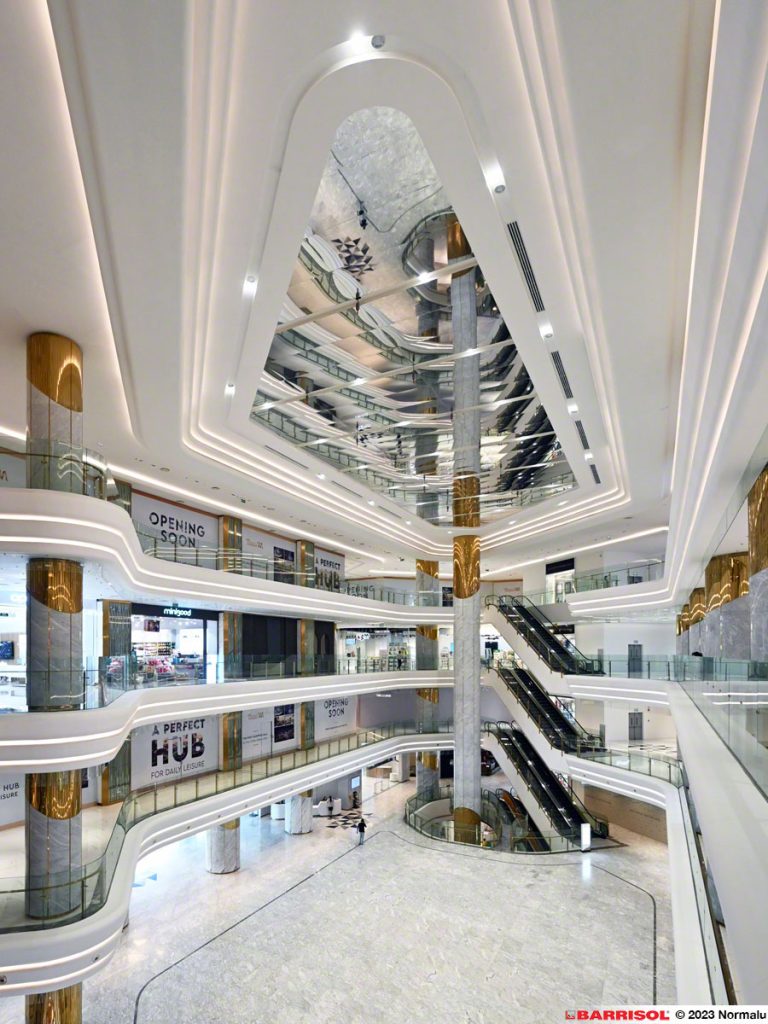


The year 2025 marks a clear turning point for smart homes in Vietnam. Smarthome solutions are no longer a collection of isolated technological devices, but are increasingly becoming part of an integrated design mindset, where lighting, materials, and technology operate in parallel to enhance the living experience.
1. HTT Tower
At HTT Tower, the smart home system is seamlessly integrated into the interior design, where LTECH control panels blend into the wall colors and materials. When not in use, the devices almost disappear from sight, yet they remain the central hub for coordinating lighting and other apartment systems.
Each area is programmed with its own dedicated scenes, allowing flexible transitions between lighting layers through an intuitive interface. This approach preserves visual continuity throughout the space while ensuring fast and effortless control, even within complex lighting layouts.


2. Le Jardin
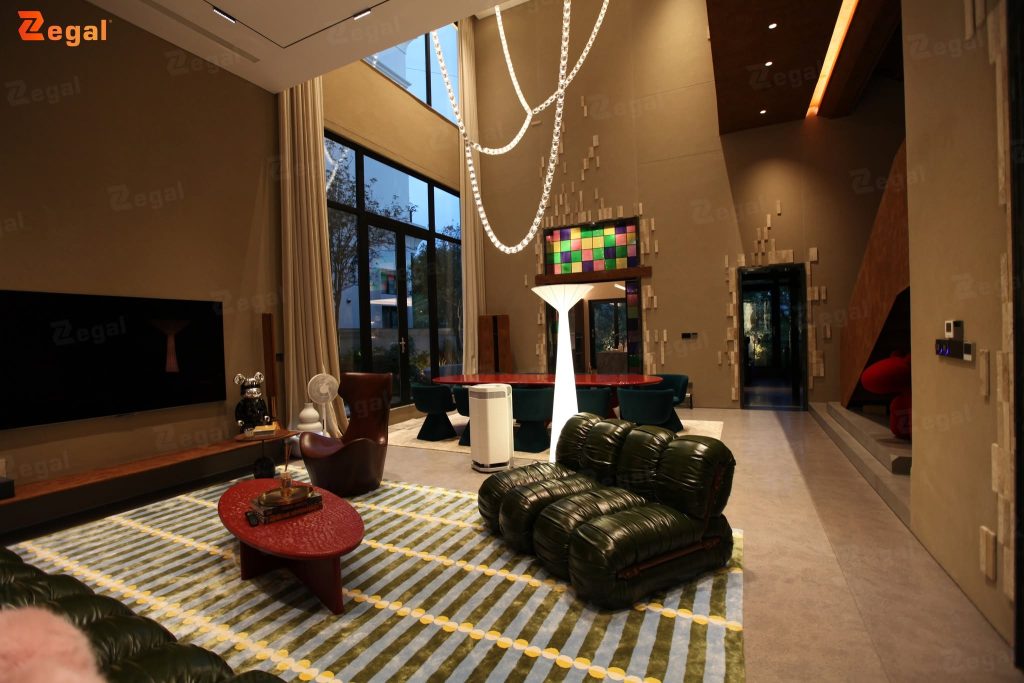
Le Jardin is a representative example of how smart home solutions are applied in projects with high aesthetic demands. The space is divided into multiple functional zones, defined by free flowing forms and a warm color palette, requiring a control system refined enough to preserve the design language without disruption.
The lighting system is set around a 3000K tone, combined with flexible dimming layers tailored to each area. In this context, smarthome technology goes beyond basic lighting control, actively contributing to spatial depth and creating a sense of relaxation that aligns with the homeowner’s lifestyle.


3. Ngoai Giao Đoan
The Ngoại Giao Đoàn project is shaped by the Japandi style, where minimalism and warmth form the core design principles. Smart home technology here is intentionally understated, serving as a supporting layer that allows natural light and artificial lighting to blend harmoniously.
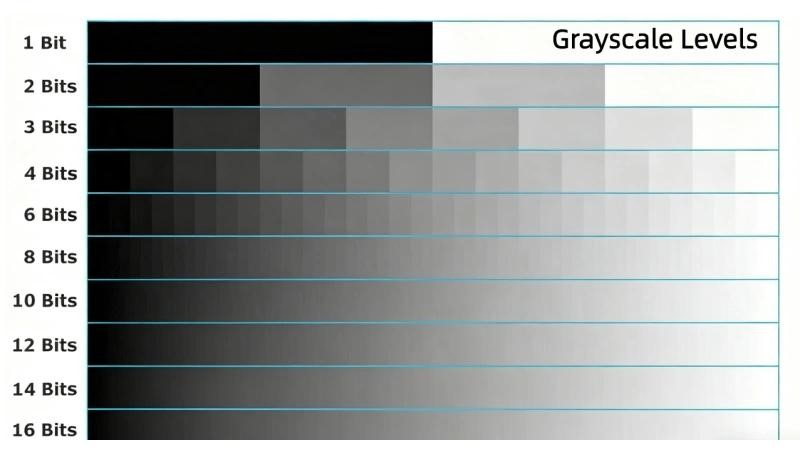
DIM TPWM technology enables smooth and precise light adjustment, eliminating glare and maintaining consistent lighting quality. As a result, the space retains visual calm true to the Japandi spirit, while users remain fully in control of the entire system in an intuitive and effortless way.


4. Pent Studio
Pent Studio follows a Mediterranean style blended with rustic influences, featuring a palette of warm brown wood, beige tones, and earthy golden hues. The smart home system is designed to be minimal and discreet, concealed within natural materials so it does not interrupt the emotional flow of the space.
Lighting is adjusted within the 2700K–3000K range, preserving material tones and creating a sense of warmth and intimacy. Here, smarthome technology plays the role of controlling “emotional lighting,” where light is not only functional but also guides everyday moods and experiences.


5. Sunshine Riverside
At Sunshine Riverside, smart home solutions are implemented to achieve a balance between comfort and aesthetics. Lighting is organized into multiple layers, gently weaving through each corner to create a relaxed atmosphere within a modern living environment.
LTECH control panels feature a minimalist design and neutral color palette, allowing the smarthome system to blend seamlessly with the interior without an overly technological feel. This approach represents a common direction among smart home projects in 2025.


6. LUMIÈRE Riverside
With a modern contemporary spirit, LUMIÈRE Riverside apartments use neutral lighting layers in the 3000K–3500K range to balance the color scheme and highlight interior materials. The smarthome system is configured consistently by zone, ensuring lighting that is gentle enough for relaxation while remaining precise enough to accentuate details.
Lighting does not seek attention, but quietly completes the emotional quality of the space. This is a clear expression of the new generation of smart homes, where technology remains behind the experience.


7. Floraison Showroom
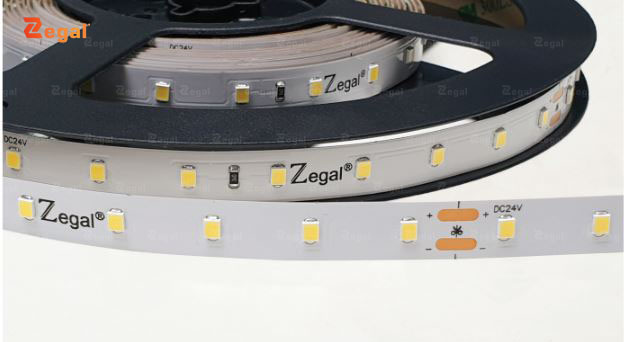
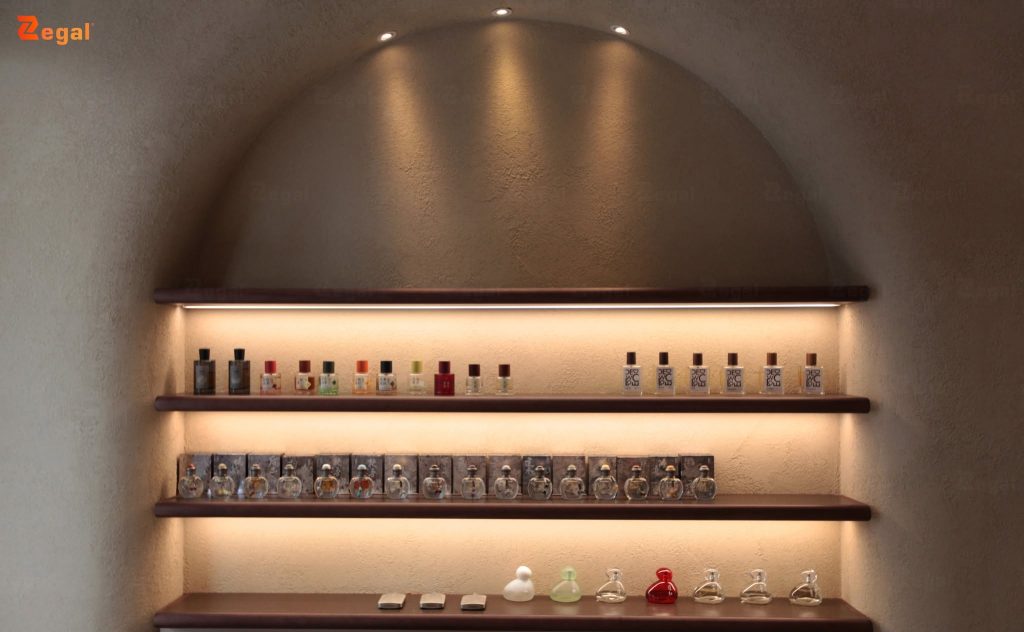
Floraison is a hybrid project combining showroom and living space. In the retail area, dimmable LED strip lighting allows smooth transitions from cool white to warm light, highlighting each perfume collection.
In the residential areas, lighting is restrained, high in CRI, and organized indirectly to ensure long term comfort. The entire smarthome system enables flexible adjustments by time of day, keeping the space consistent while maintaining a sense of privacy.


8. Réno Bar
Réno Bar embodies a retro funky spirit, where lighting is the soul of the space. The LTECH smarthome system is configured to control RGBCW lighting by zone, allowing multiple lighting layers to blend and shift subtly between different moods.
Here, smart home technology does not merely support operations. It actively participates in storytelling, guiding emotions and memories for every guest.


9. Khan Thuc Restaurant
Khan Thuc is a restaurant project inspired by minimalist Northern Vietnamese and Zen aesthetics. The smarthome system focuses on intentional lighting control, highlighting folk artworks and traditional materials.
Lighting is carefully moderated to maintain visual calm, turning each meal into a mindful experience where technology steps back and emotion takes the lead.


10. House of Barbaard
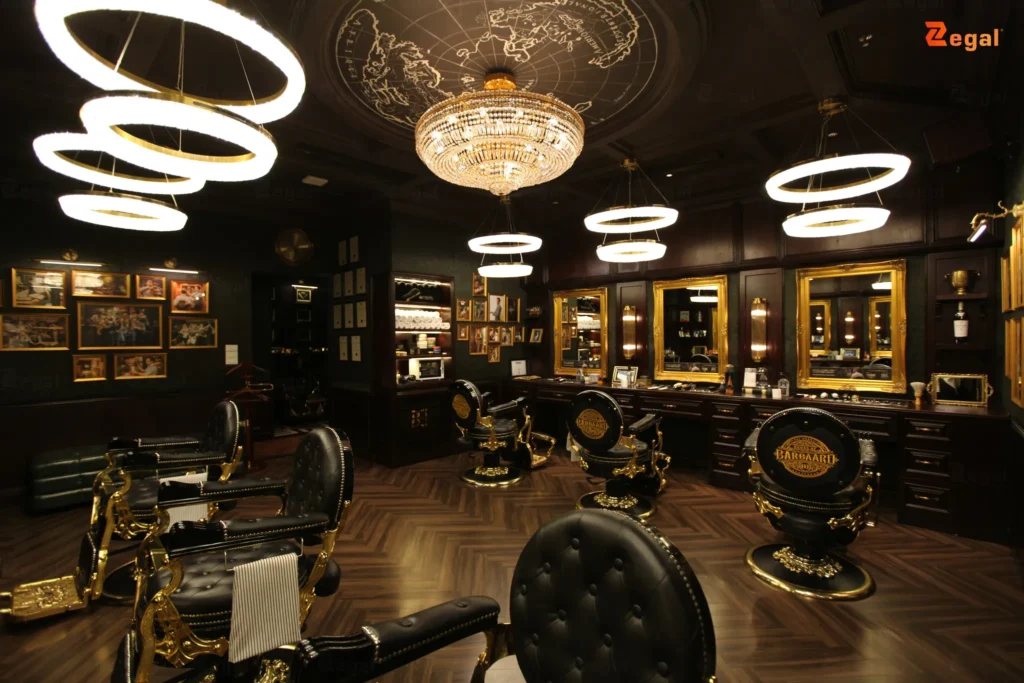
House of Barbaard integrates smarthome systems with DMX to synchronize lighting with music, creating a dynamic and rhythmic experience. Lighting is organized in multiple layers, from ambient illumination to accent highlights, ensuring smooth transitions between zones.
Smarthome technology here goes beyond lighting control. It becomes a tool for adding spatial depth and elevating the overall brand experience.


11. Conclusion
Smart home projects in 2025 clearly reveal a defining trend: technology is being integrated more subtly and thoughtfully into architecture and interior design. When smarthome systems are designed correctly, smart living is no longer about showcasing technology, but becomes a foundation that allows living spaces to operate smoothly, feel emotionally rich, and adapt naturally to individual lifestyles.
——
For further consultation, please contact Zegal Vietnam using the information below:
Zegal Hanoi
112 Vo Chi Cong, Nghia Do Ward, Hanoi
Zegal Ho Chi Minh
319–C9 Ly Thuong Kiet, Phu Tho Ward, Ho Chi Minh City
Hotline: +84969 14 6688