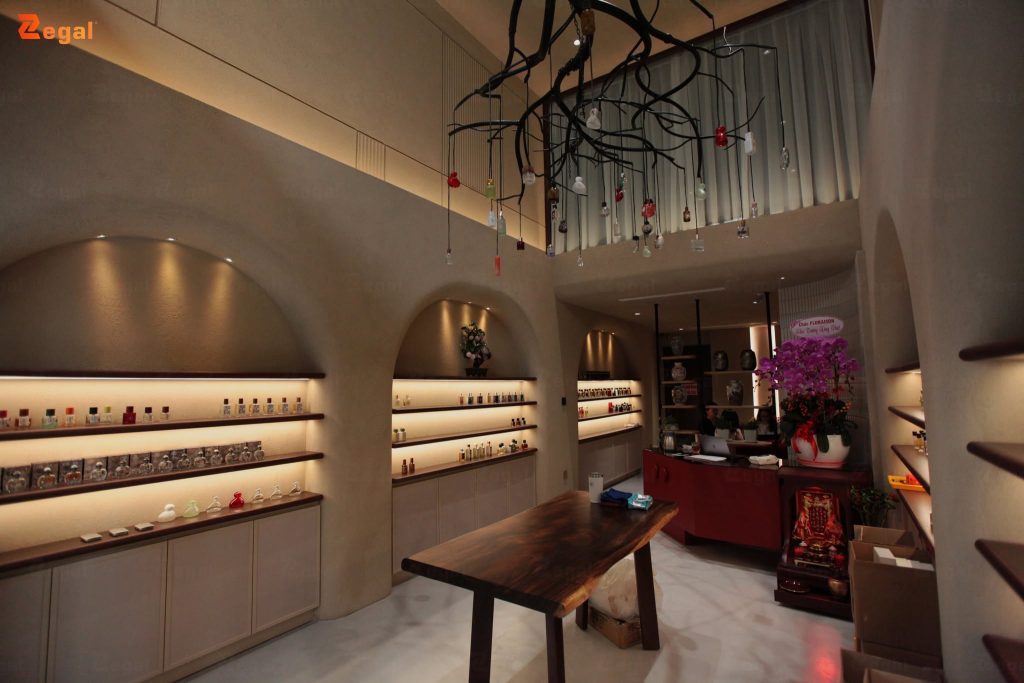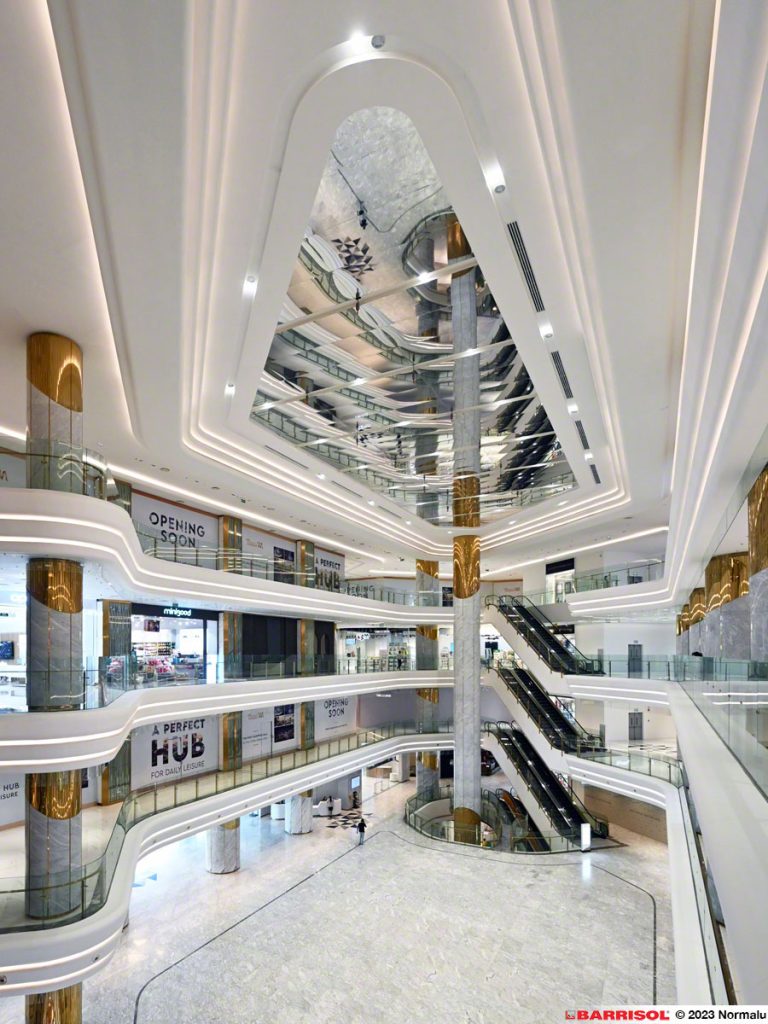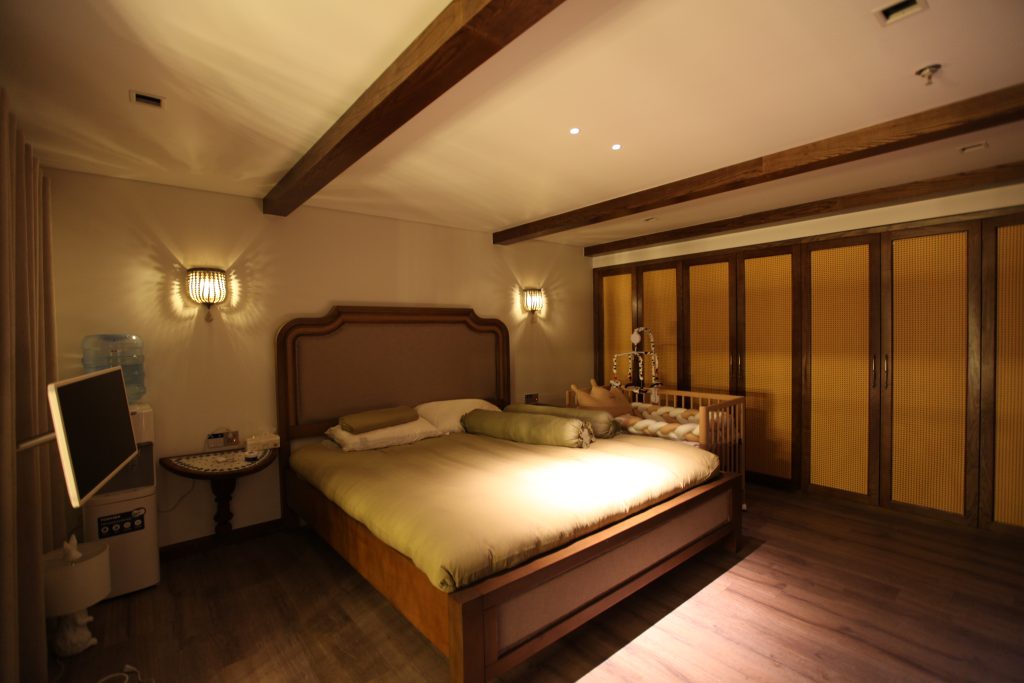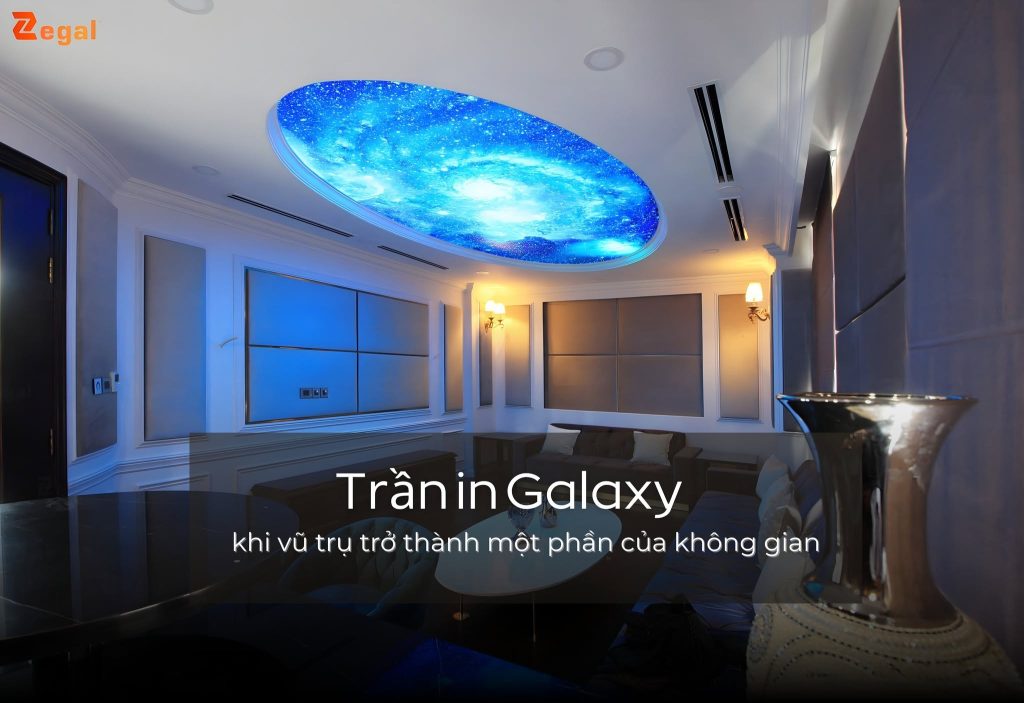


A mirror ceiling is not a passing decorative trend. It is an architectural solution that has been around for a long time in luxury hotels, shopping malls, restaurants, and is increasingly being selectively applied in modern residential designs.
The core feature of a mirror surface lies in its ability to reflect light and images, which expands the perception of space in terms of height and depth without altering the building’s structural integrity.
1. Structure and Operation Principle of Mirror Ceilings
1.1 Mirror Surface and Materials Used
Mirror ceilings typically use specialized mirrors for interior construction, with the most common types being silver-coated glass, tea-colored mirrors, smoky mirrors, or black mirrors. Some high-end projects use acrylic mirrors to reduce weight and enhance safety, particularly in larger areas.
The mirror surface used for ceilings is always treated to reduce image distortion and minimize optical distortion when viewed from various angles. This is a critical technical factor, as ceilings are indirectly observed surfaces, and light often enters at an oblique angle rather than directly, as with wall mirrors.
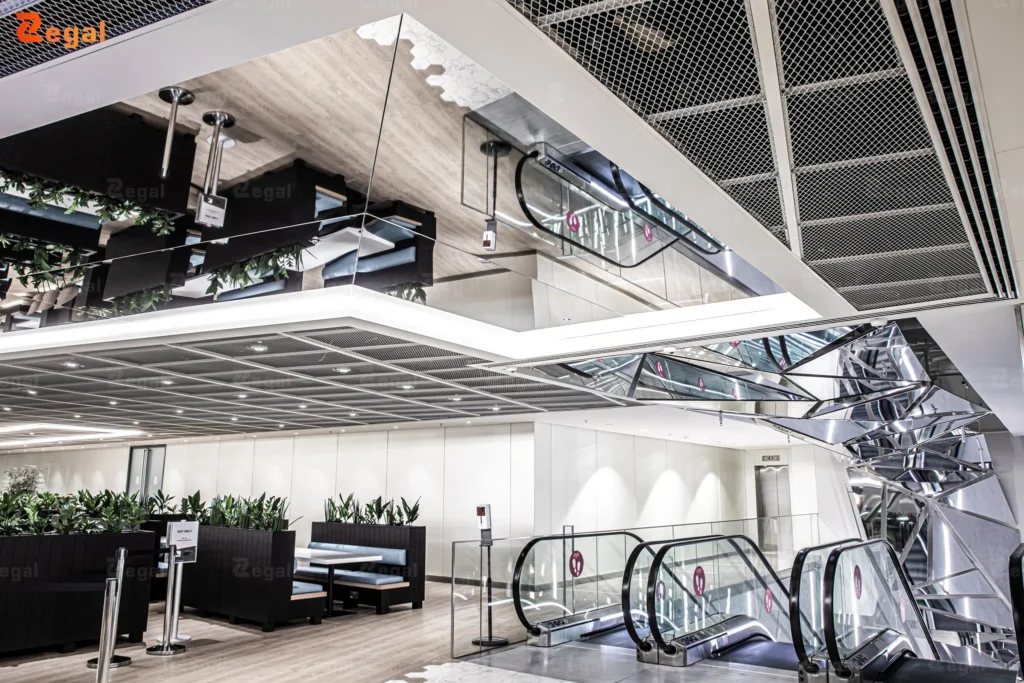
1.2 Framework and Installation Methods
Mirror ceilings are not installed directly onto the raw structure. A metal or aluminum frame system is used to secure the mirror panels, ensuring flatness and long-term load-bearing capacity. The technical gap above the ceiling system allows for the placement of lights, air conditioning systems, sprinkler heads, or other technical equipment.
The operating principle of this reflective ceiling solution is simple yet effective. Light from lamps is projected downward, reflected off the mirror surface, and bounced back into the space. The interior images below are vertically doubled, creating the illusion of a higher ceiling.
2. The Role of Mirror Ceilings in Lighting Design
2.1 Amplifying Indirect Lighting
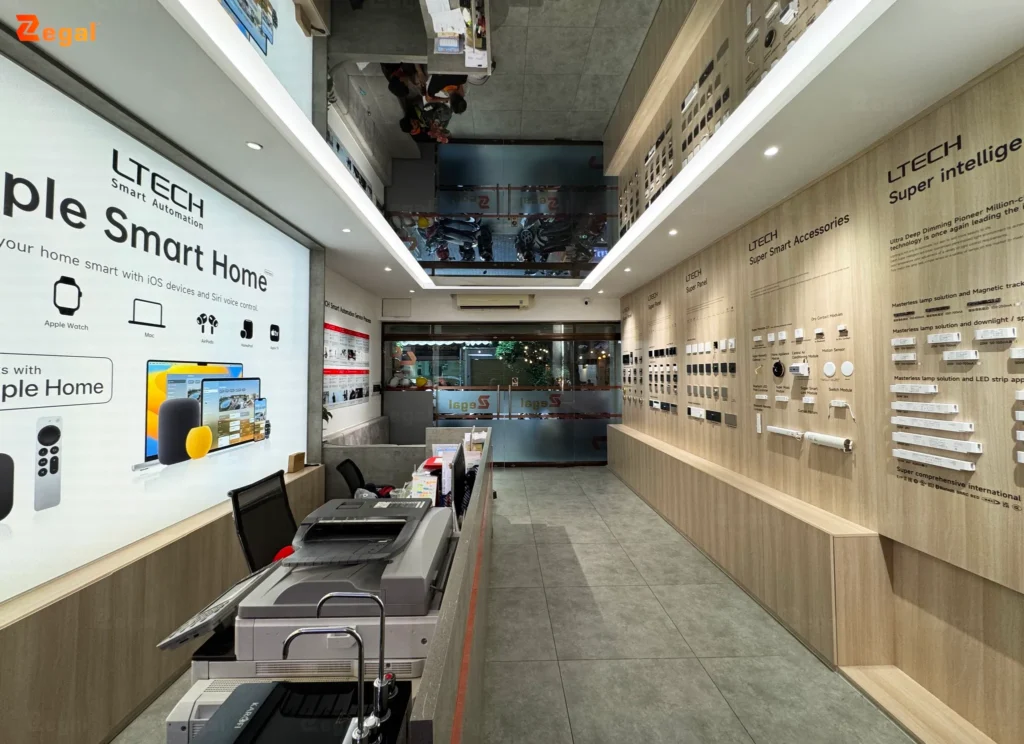
In spaces that use indirect lighting such as ceiling-mounted lights, light strips, or wall washers, the ceiling surface acts as a secondary reflective surface. Instead of light being absorbed by matte painted surfaces, the mirror helps distribute light more evenly, increasing perceived brightness without requiring higher lamp power.
This is especially beneficial in spaces with limited ceiling height. Instead of adding more lights, a mirror ceiling optimizes the existing light.
2.2 Creating Visual Depth in Space
A narrow corridor, a low-ceilinged lobby, or a small bar area can feel more spacious. As light and images are continuously reflected, the physical boundaries of the space blur. Users no longer perceive the exact end point of the ceiling, creating a sense of greater height.
3. Applications of Mirror Ceilings in Different Spaces
3.1 In Luxury Hotels and Restaurants
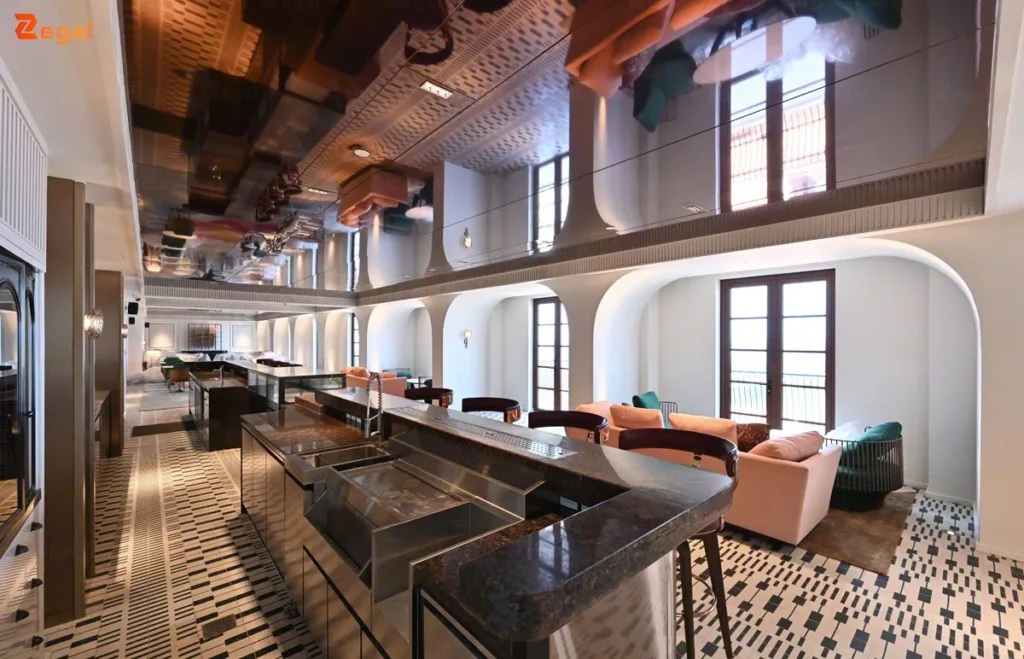
In hotel lobbies, the ceiling system using reflection effects is often combined with chandeliers or uniquely shaped decorative lights. The reflective effect helps double the light’s appearance, creating a sense of luxury and depth.
In restaurants and lounges, the reflective ceiling system enhances the visual dynamism of the space, particularly at night when artificial lighting dominates.
3.2 In Shopping Malls and Showrooms
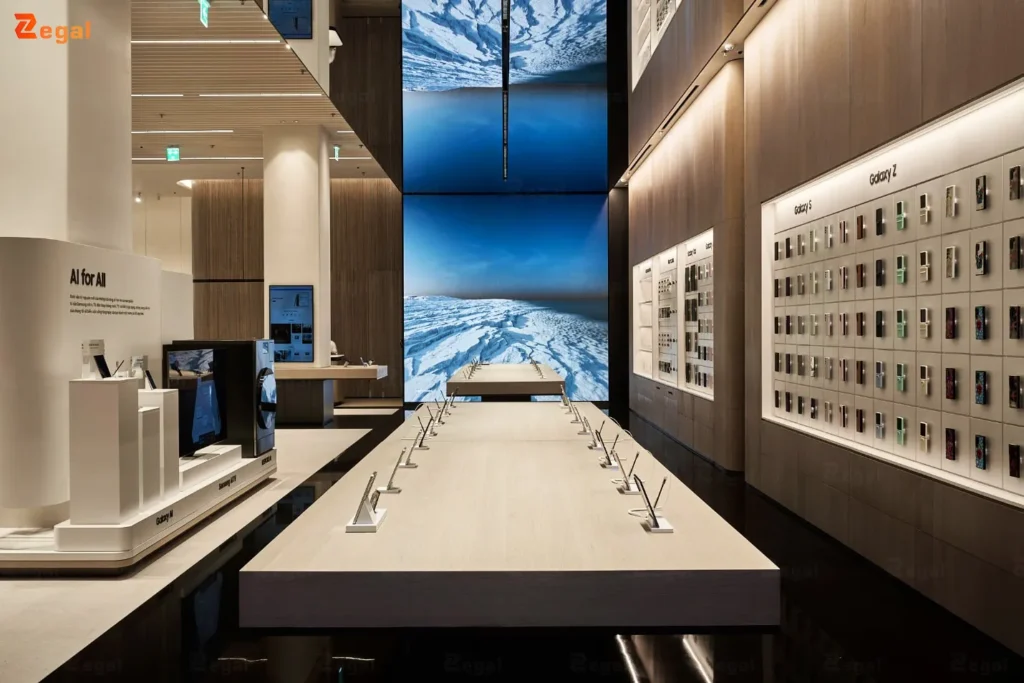
Product showrooms often need to create a strong visual impression in a short amount of time. The mirror ceiling reflects products from multiple angles, increasing their appeal without needing to increase display density.
In shopping malls, this ceiling system is often found in hallways, elevator lobbies, or high-end restroom areas, where space is limited but a feeling of openness and brightness is required.
3.3 In Residential Spaces
In homes, the reflective ceiling solution is used more selectively, typically in dining rooms, dressing rooms, or hallways. Overuse of the reflection effect in main living spaces can create a cold or visually cluttered feel if light and interior layout are not carefully controlled.
4. Advantages and Limitations of Mirror Ceilings
4.1 Outstanding Advantages
The ceiling system helps expand space without structural intervention. It optimizes existing lighting, creates a luxurious effect, and clearly stands out from traditional ceiling types. Aesthetic-wise, the reflective surface gives a sense of sophistication and modernity, especially suited to contemporary and luxury styles.
4.2 Considerations and Limitations
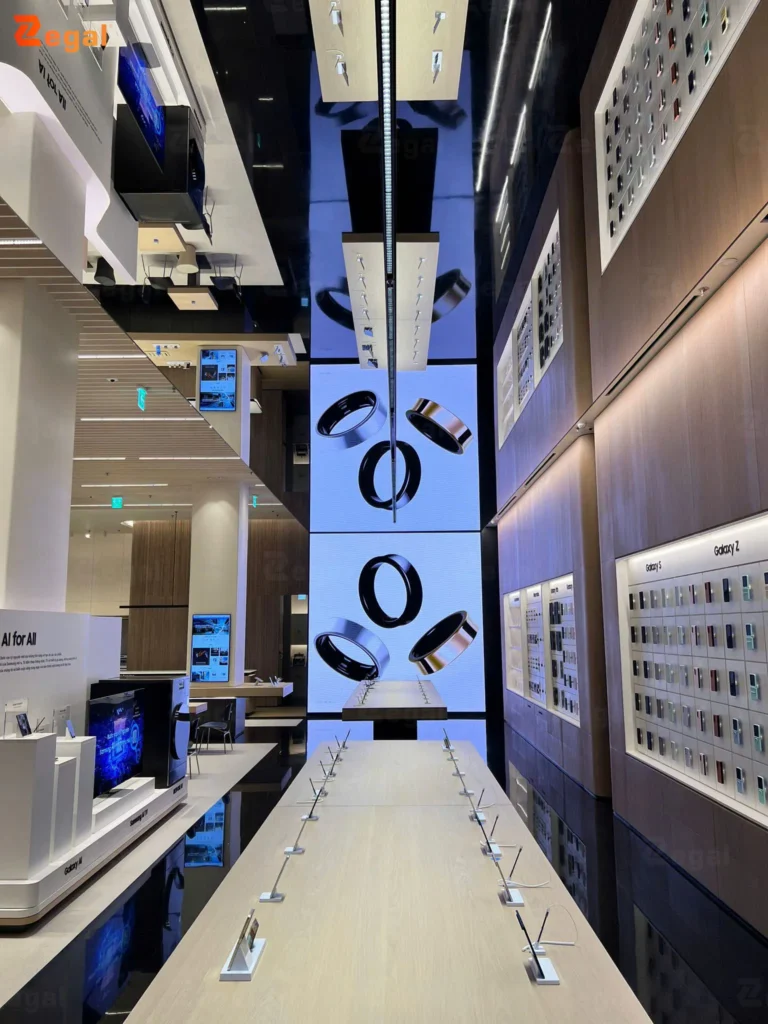
The mirror surface requires regular cleaning to prevent dust and water spots. The mirror ceiling also reflects the entire lighting system and equipment below, so a high level of tidiness is required in technical design. If lighting is not properly arranged, glare or excessive reflection may occur.
5. Technical Considerations in Designing and Installing Mirror Ceilings
Before choosing a light-reflective ceiling system, it is important to clearly define its purpose. Does the space need to expand in height, or simply create a focal point? The lighting system must be designed in parallel with the ceiling grid to avoid installing lights afterward and then managing the reflection.
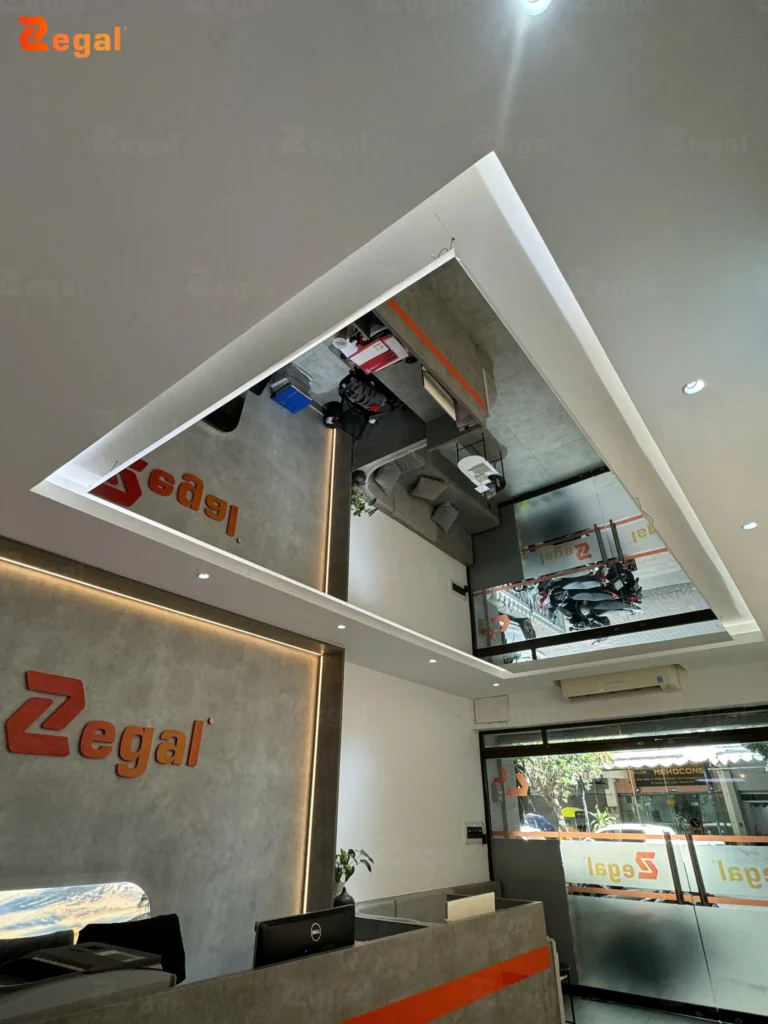
It is also crucial to select an experienced contractor. The mirror ceiling requires high precision in installation, from the framework to surface alignment, to ensure long-term safety and aesthetics.
6. Conclusion
The mirror ceiling is a strategic architectural solution, not just a decorative material. Its value lies in its ability to expand space, optimize lighting, and elevate the visual experience. When placed in the right context, this light-reflection solution becomes a subtle focal point, distinct enough to make an impression while still harmonizing with the overall space design.
——
For further consultation, please contact Zegal Vietnam using the information below:
Zegal Hanoi
112 Vo Chi Cong, Nghia Do Ward, Hanoi
Zegal Ho Chi Minh
319–C9 Ly Thuong Kiet, Phu Tho Ward, Ho Chi Minh City
Hotline: +84969 14 6688