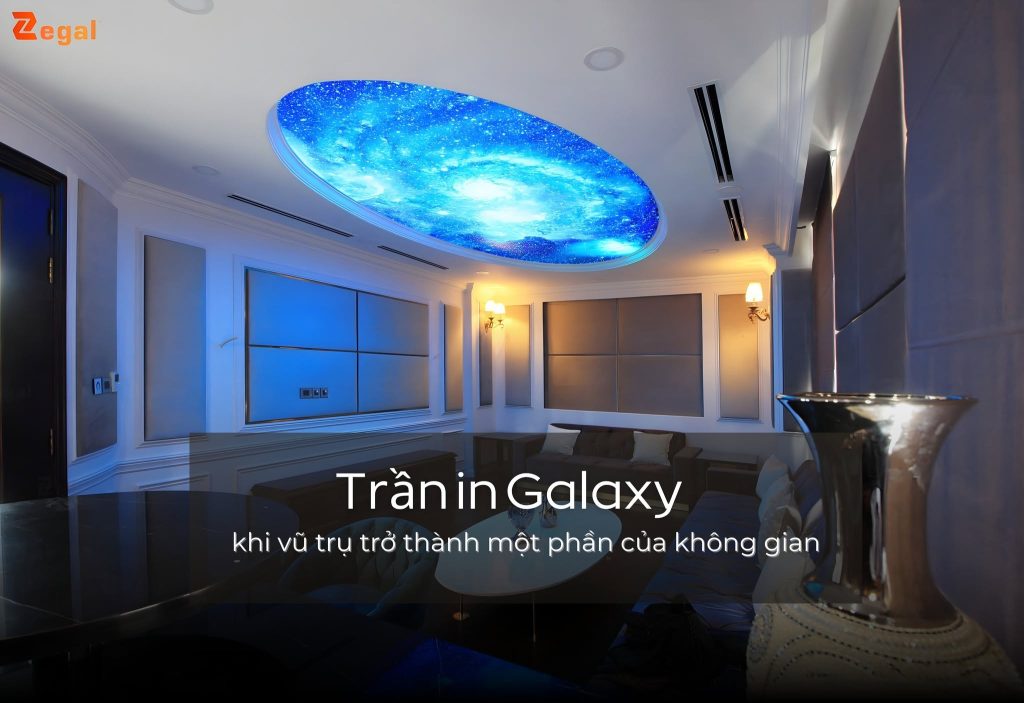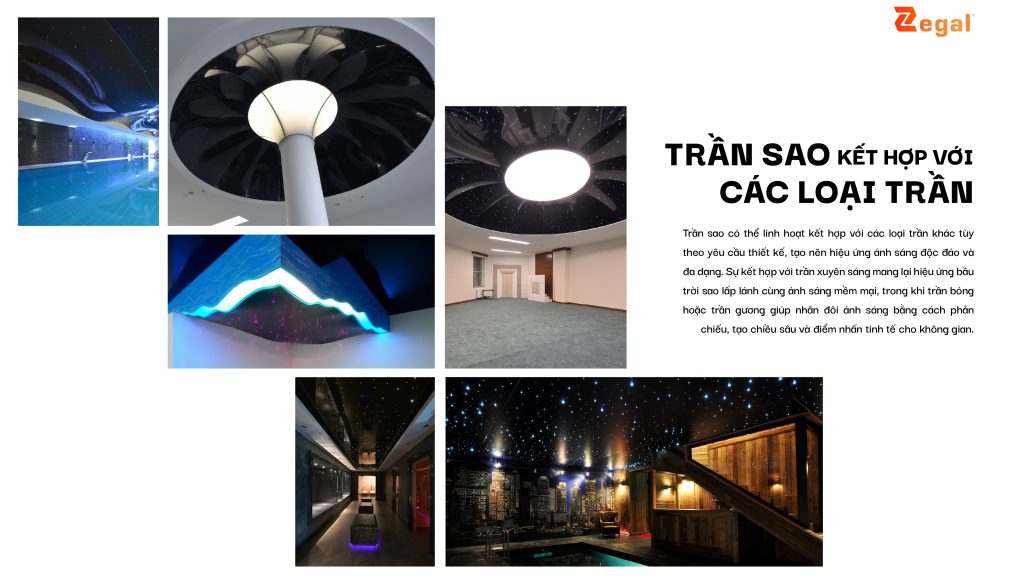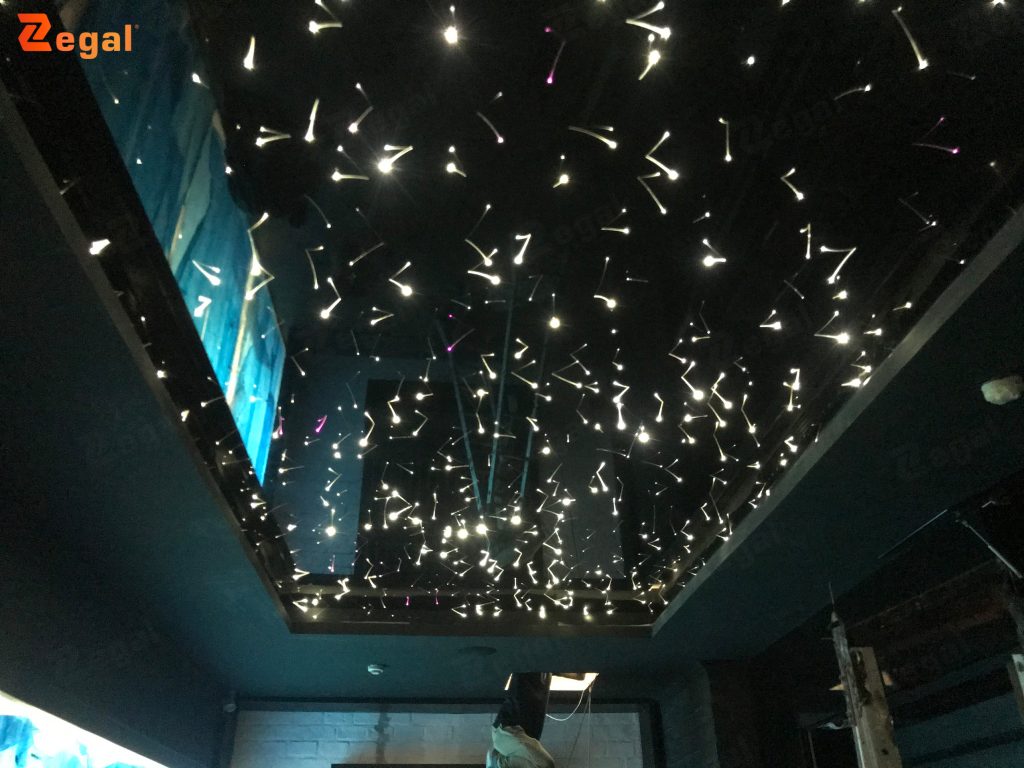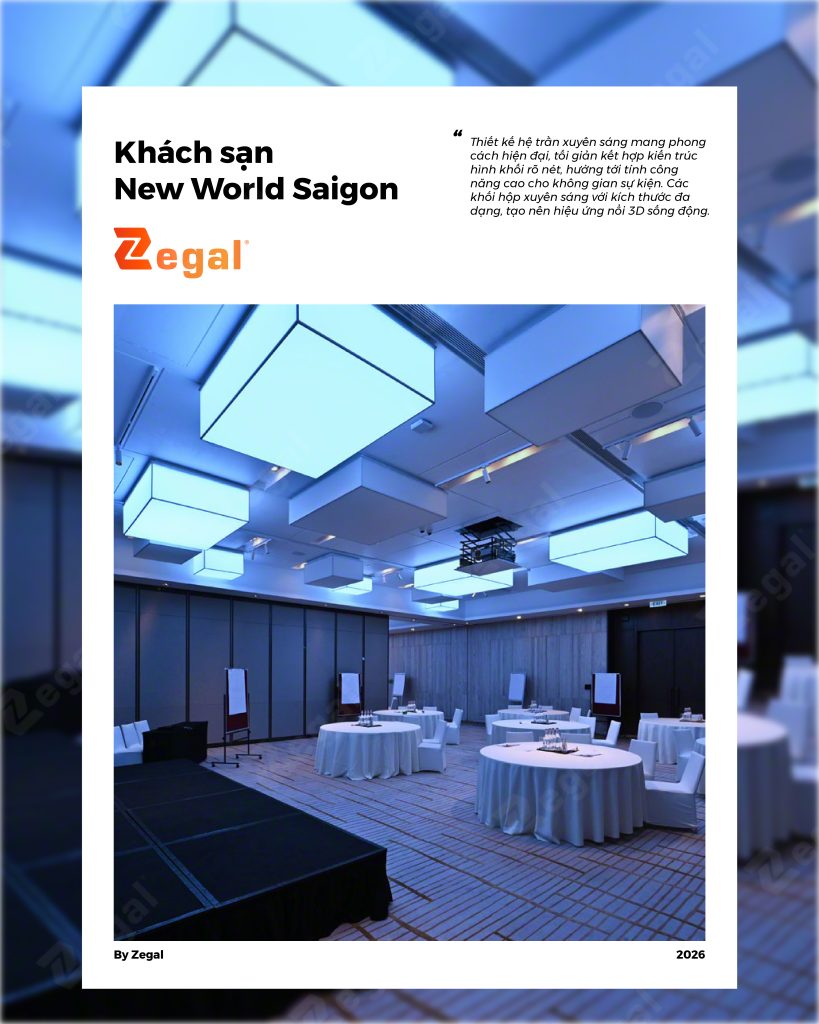


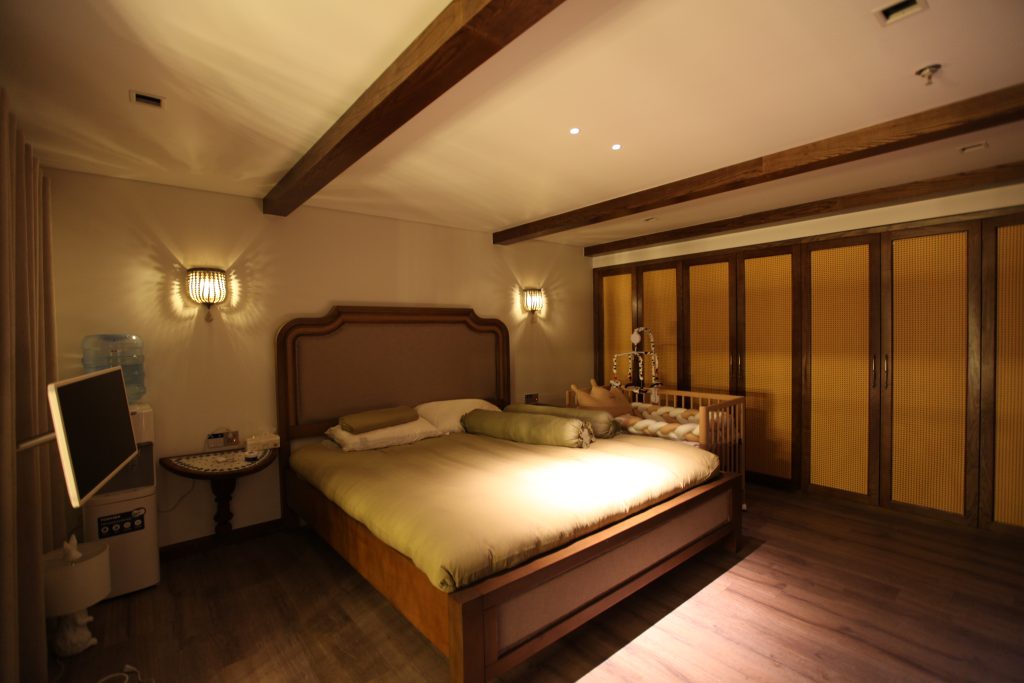
Lighting does more than just ensure visibility; it shapes emotions and defines the spatial experience. In 2026 design trends, lighting scenarios have emerged as a crucial solution. This approach combines multiple layers of illumination with flexible control capabilities, allowing a space to transform its atmosphere to suit specific activities.
From homes and hotels to showrooms and offices, lighting design is receiving increasing attention. An effective lighting scenario balances functionality, aesthetics, and operational efficiency. So, how can one arrange a lighting system that is modern, convenient, and rich in depth?
1. What is a lighting scenario? Why is it becoming increasingly important?
A lighting scenario is a method of configuring and combining light sources to meet specific usage needs. Each scenario allows for adjustments to intensity, color, and light groupings. Users can switch between modes via wall switches, control panels, or mobile apps.
Instead of turning on all lights simultaneously, the system allows for the selection of appropriate lighting. A space can shift from a work mode to a relaxation mode with a single action. This enhances the user experience and adds flexibility to daily life.
Learn more about modern lighting trends here.
1.1. Optimizing functionality for specific activities
Different areas have distinct lighting requirements. Living rooms need versatile lighting for entertaining guests, watching movies, and resting. Kitchens require bright, clear light in food preparation areas. Bedrooms prioritize a soothing atmosphere conducive to rest.
Lighting scenarios allow the system to be divided into separate control groups. Users can illuminate only the necessary areas without affecting the entire room. This layout also minimizes wasted light.
1.2. Creating Depth and Elevating Aesthetics
Lighting has the power to accentuate forms, materials, and architectural details. Combining direct and indirect lighting creates intentional contrast, allowing walls, ceilings, or furniture pieces to serve as visual focal points.
High-end projects, in particular, often emphasize the interplay between light and shadow. Lighting need not be uniform across every area; instead, layered lighting schemes are arranged to create depth and a sense of luxury.
2. Lighting Design Trends for 2026
In 2026, lighting design will focus on flexibility, personalization, and connectivity. New solutions prioritize the user experience rather than simply increasing the number of fixtures. Below are some notable trends.
2.1. Layered Lighting to Create Spatial Depth
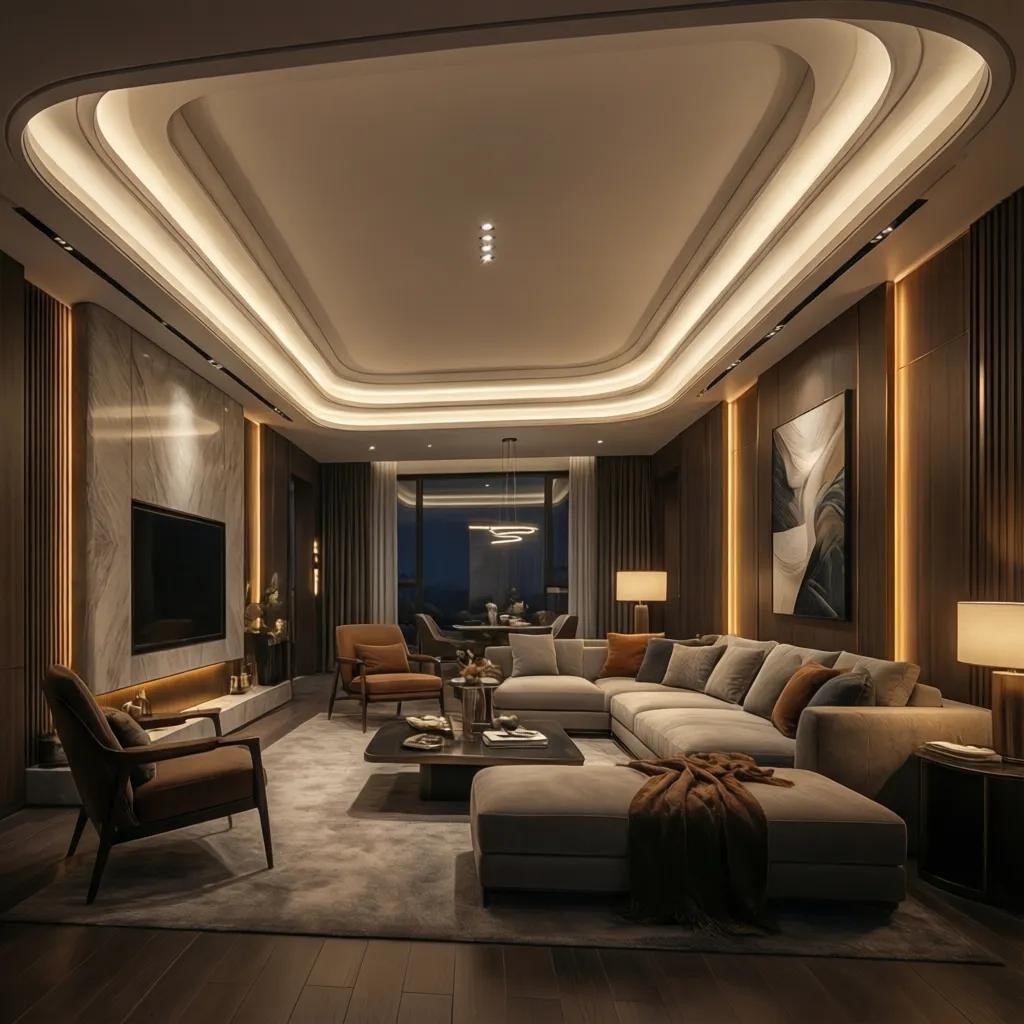
Layered lighting involves combining multiple light sources, each serving a distinct purpose. Instead of relying on a single central overhead light, the design employs various complementary layers of light. This approach offers greater flexibility for different activities within the space.
The three commonly used lighting layers are:
Ambient lighting: Provides general illumination for the entire area.
Task lighting: Focuses light on specific areas for reading, cooking, or working.
Accent lighting: Highlights artwork, materials, decorative objects, and architectural details.
When combined effectively, these layers create visual balance. Users can activate individual layers or combine them depending on the situation. This also serves as the foundation for creating diverse lighting scenarios.
2.2. Smart and personalized lighting control
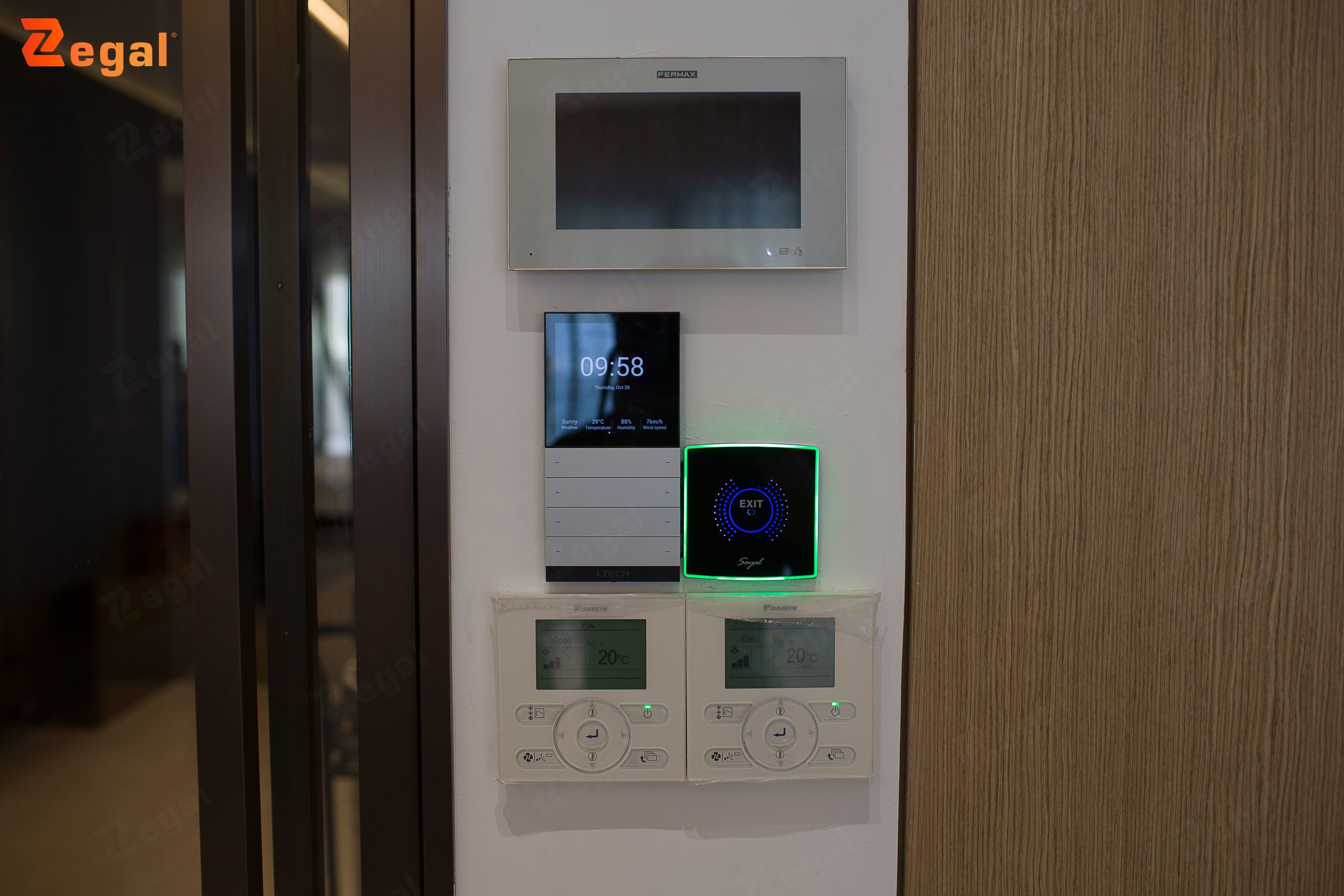
Smart lighting systems allow users to control multiple groups of lights simultaneously. Settings can be customized to suit the habits and needs of individual household members, and a single action can adjust the brightness across various pre-configured zones.
Modern control systems also support continuous dimming. Some solutions can adjust color temperature based on specific lighting scenarios, enabling the space to adapt to various activities throughout the day.
2.3. Combining natural and artificial lighting
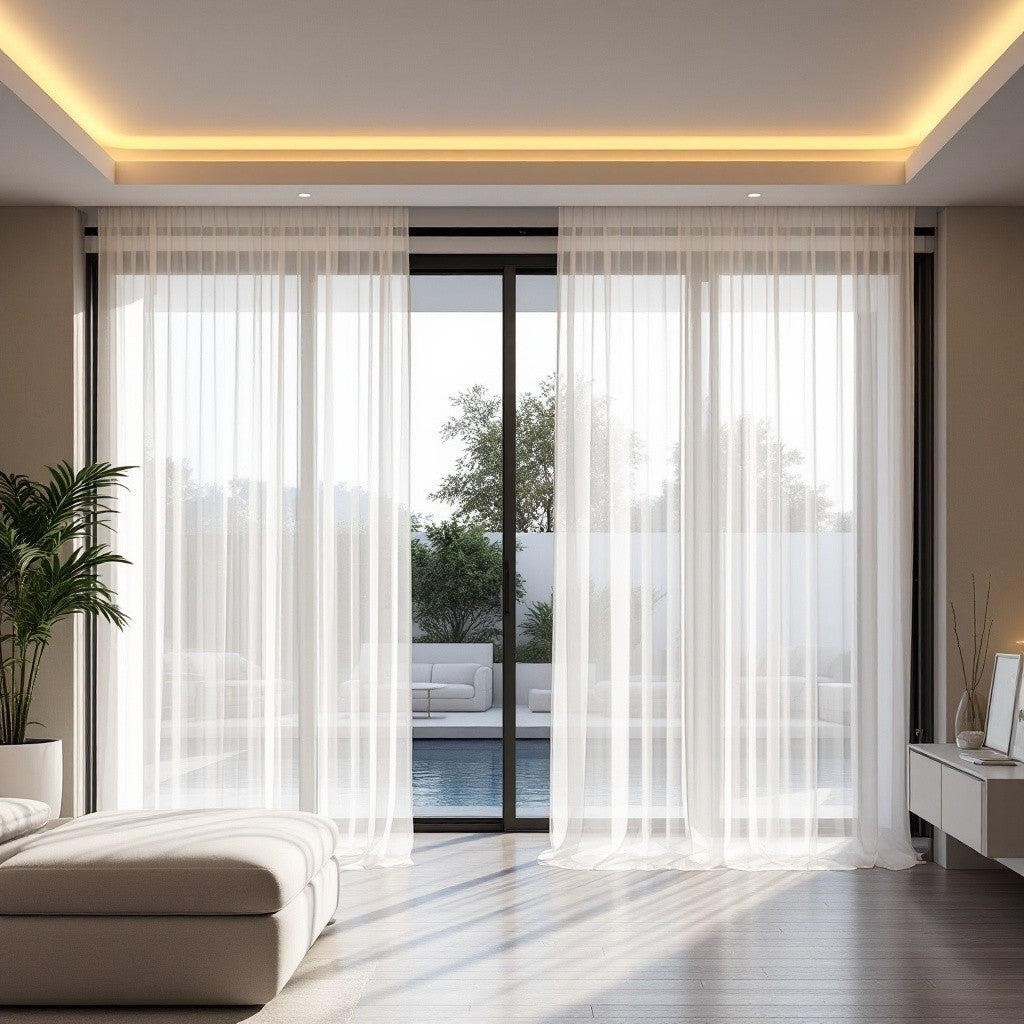
Natural light is increasingly prioritized in modern interior design. Large glass windows, adjustable blinds, and strategic interior layouts help maximize the use of daylight. After dark, artificial lighting systems maintain the desired illumination.
Lighting scenarios can integrate smart blinds with the lighting system. As natural light levels shift, users can adjust both blinds and lights to suit their needs. Such solutions should be tailored based on the building’s orientation, local climate conditions, and user habits.
2.4. Lighting design focused on emotion and experience
Lighting serves not only functional purposes but also helps shape the atmosphere. Warm, soft lighting can foster a sense of intimacy during relaxing evenings, while brighter lighting is better suited for tasks requiring concentration.
In commercial spaces, lighting also helps convey the brand image. Accent lighting can highlight specific products and materials, thereby shaping the customer experience through the strategic arrangement of light.
3. Suggested lighting scenarios for specific spaces
Each area requires a lighting layout suited to its function. Defining intended activities in advance facilitates the creation of clear, user-friendly lighting scenarios. The following suggestions are applicable to both residential and commercial projects.
3.1. Living room: Flexibility for hosting and relaxation
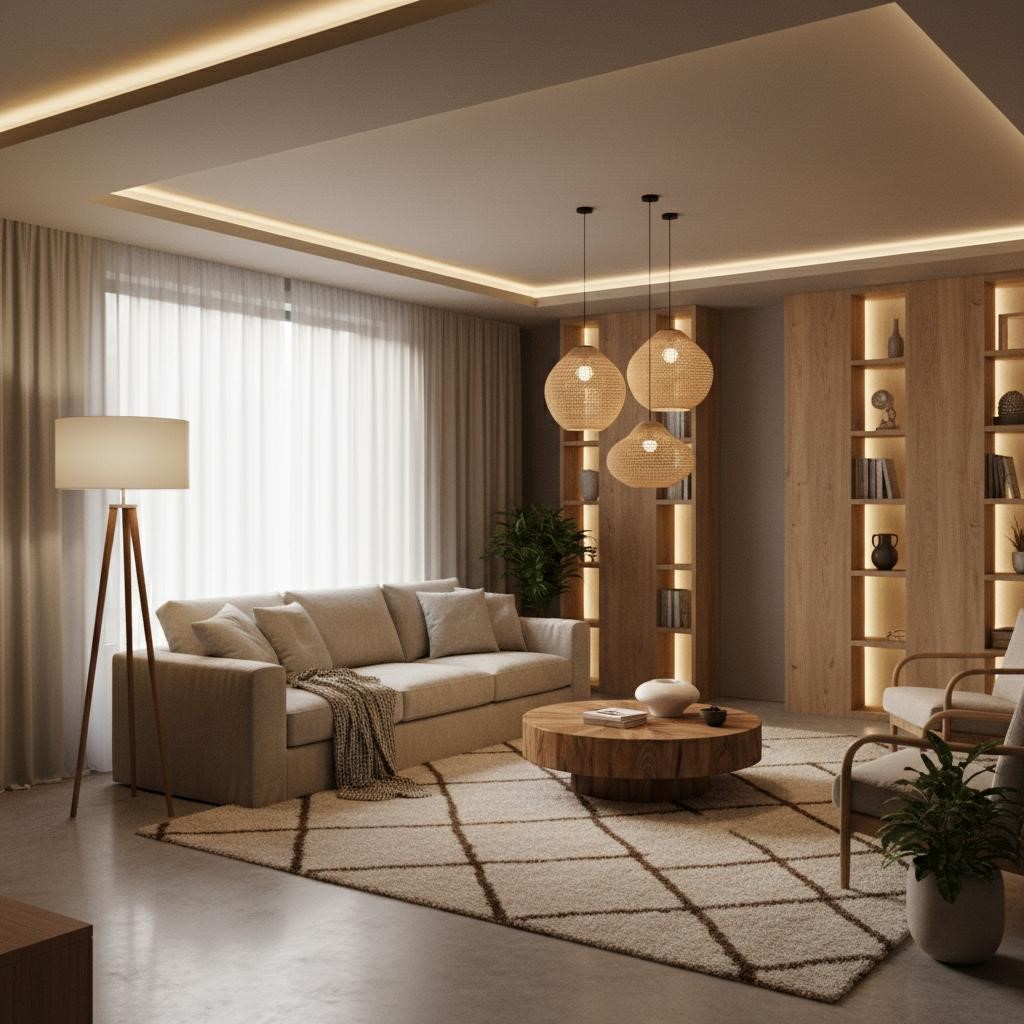
The living room often serves multiple functions within a single space; therefore, the lighting system needs to be versatile. The following lighting scenarios can be set up:
Receiving guests: Turn on general lighting combined with accent lights in decorative areas.
Watching movies: Dim the overhead lights while maintaining soft ambient or indirect lighting in key areas.
Relaxing: Use warm, moderate-intensity lighting focused on the seating or relaxation area.
Cleaning: Switch on the general lighting system at high brightness to ensure clear visibility.
If a translucent stretch ceiling is used, homeowners can combine backlighting with decorative fixtures. The control system must be designed to match the lighting configuration; this ensures stable operation and prevents unwanted brightness imbalances.
3.2. Bedroom: Soft, comfortable lighting
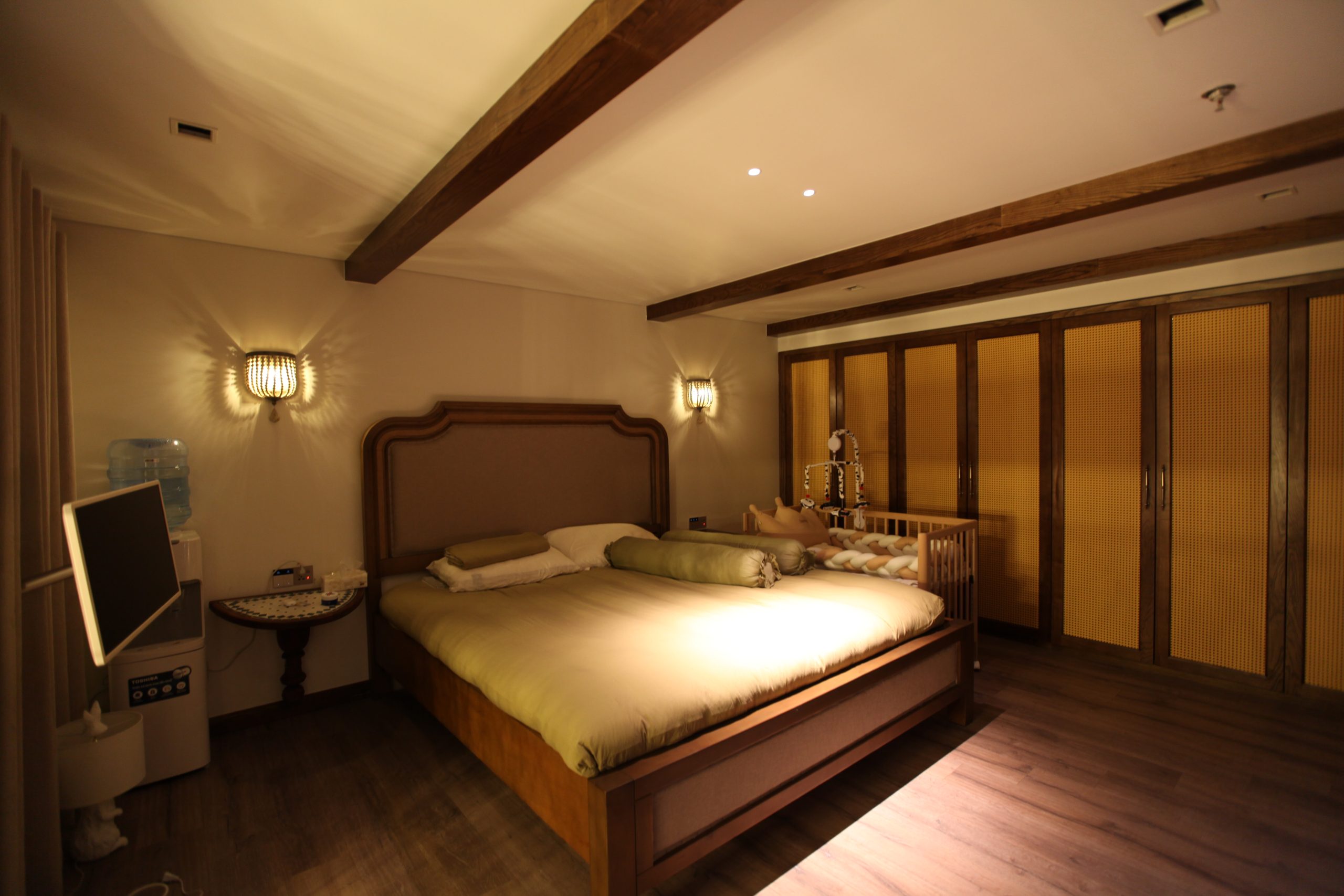
Bedrooms require a combination of general and task lighting. Adjustable light sources allow users to control brightness levels. Four main lighting scenarios can be set up:
Wake-up: Gradually increase brightness (if the system supports time-based adjustment).
Reading: Turn on bedside lamps or focused reading lights.
Relaxation: Dim the lights and use warm lighting.
Bedtime: Turn off main lights, keeping only a nightlight on if necessary.
Bedside switches offer convenient control before sleep. Motion sensors can also be used in areas requiring automatic lighting. However, direct light shining into the eyes while resting should be avoided.
3.3. Kitchen: Ensuring adequate lighting for specific zones
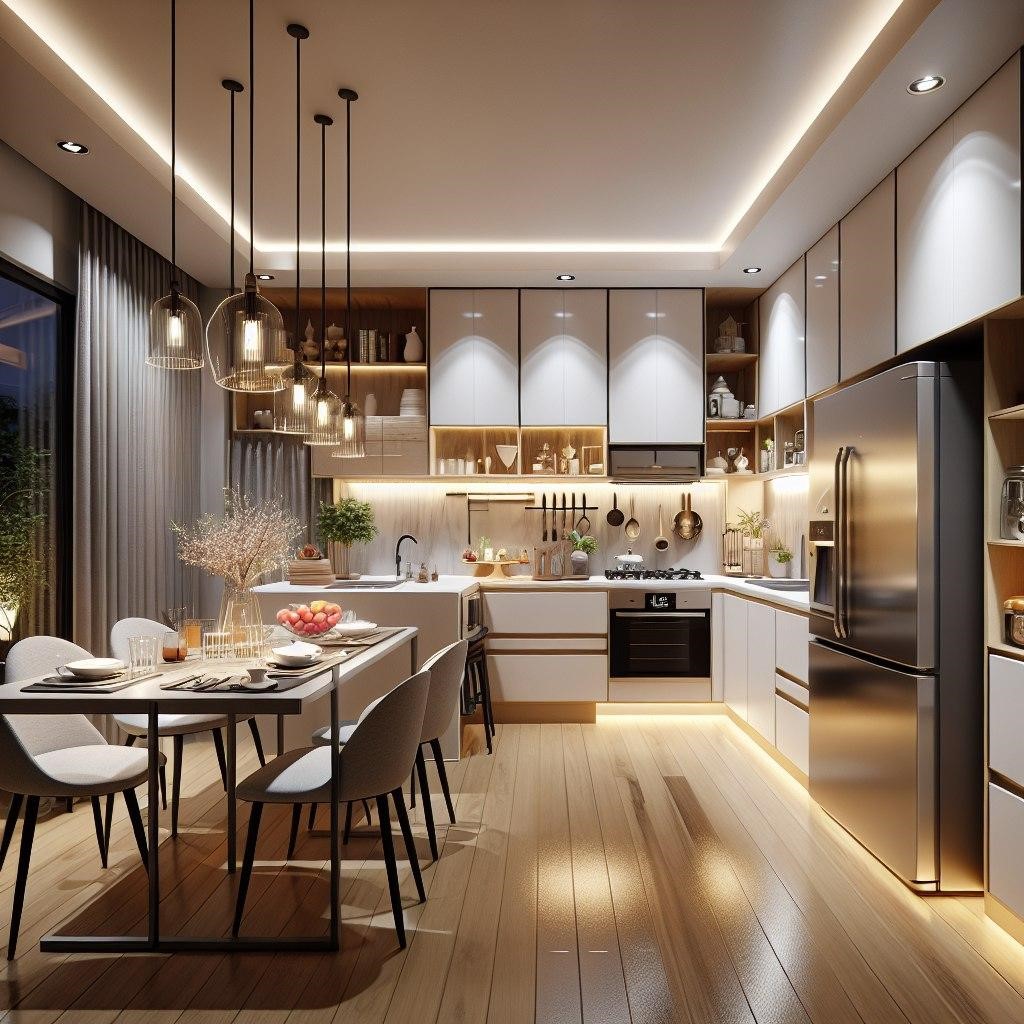
The kitchen requires bright, clear lighting in food preparation, cooking, and cleanup areas, whereas the dining table benefits from softer lighting. Categorizing lights into distinct groups helps accommodate these varied activities.
Suitable lighting scenarios include:
Cooking: Activate general overhead lighting and under-cabinet task lighting.
Dining: Dim the kitchen area lights and focus illumination on the dining table.
Cleanup: Turn on all necessary lighting groups.
Nighttime: Use directional or motion-sensor lights along walkways.
Countertop lighting should be positioned to minimize shadows. Fixtures should be selected with a Color Rendering Index (CRI) suitable for accurately viewing food. Installation locations must also comply with electrical safety standards.
4. Conclusion
Designing lighting scenarios based on 2026 trends goes beyond mere modern aesthetics; it is a solution that enhances the user experience and the space’s adaptability. A combination of layered lighting, smart controls, and functional design ensures each area operates effectively.
Achieving the desired outcome requires planning the lighting scheme from the very beginning. Equipment selection, lighting grouping, and control programming must be executed in a coordinated manner. When carefully planned, lighting becomes an integral part of both the architecture and the living experience.
——
For further consultation, please contact Zegal Vietnam using the details below:
Zegal Hanoi
112 Vo Chi Cong, Nghia Do Ward, Hanoi
Zegal Ho Chi Minh City
319 – C9 Ly Thuong Kiet, Phu Tho Ward, Ho Chi Minh City
Hotline: 0969 14 6688