

In modern interior design, lighting is not just for illumination but also greatly influences emotions and spatial experiences. However, many people still don’t clearly distinguish between direct and indirect lighting.
Each type of lighting plays a specific role in architecture and needs to be used correctly to achieve the best visual effect. Understanding the characteristics of each type of lighting will help create a harmonious, comfortable, and energy-efficient space.
Learn more about the role of lighting in modern spaces here.
1. What is Direct Lighting?
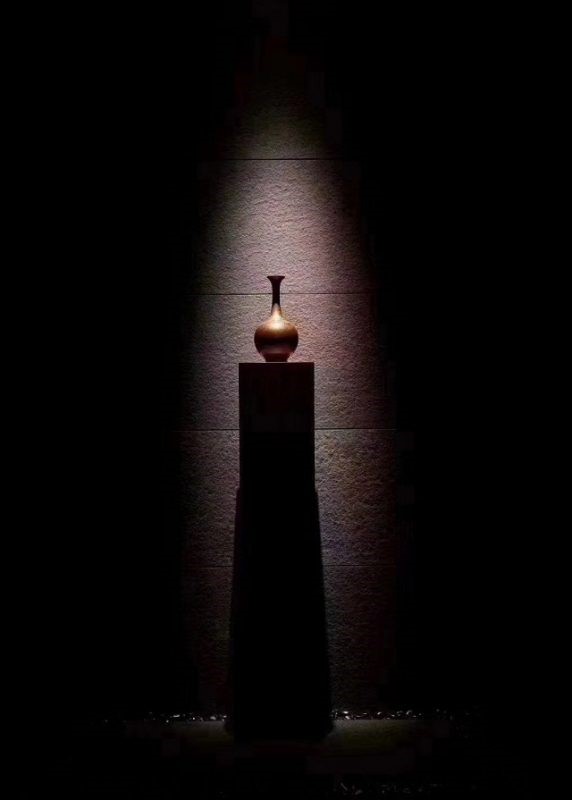
Direct lighting is a type of lighting where the light source shines directly onto the area to be illuminated. This type of lighting is usually highly concentrated and creates sharp clarity for objects.
Downlights, spotlights, or track lights are common examples of direct lighting systems.
Characteristics of Direct Lighting:
- Clearly focuses light
- Increases detail visibility
- Highlights objects
- High lighting efficiency
- Can cause glare if not properly positioned
2. What is Indirect Lighting ?
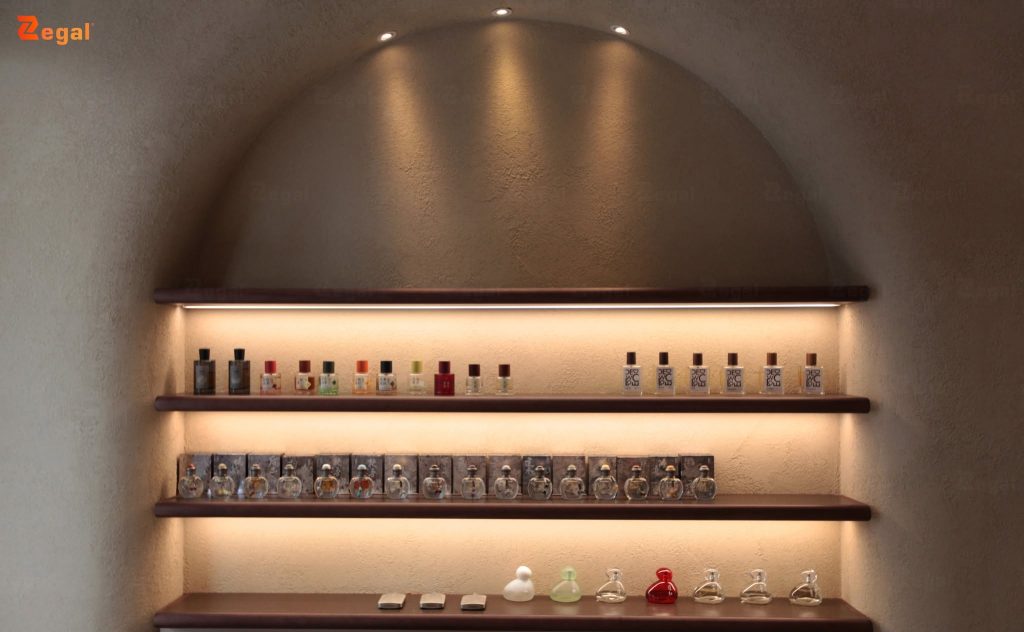
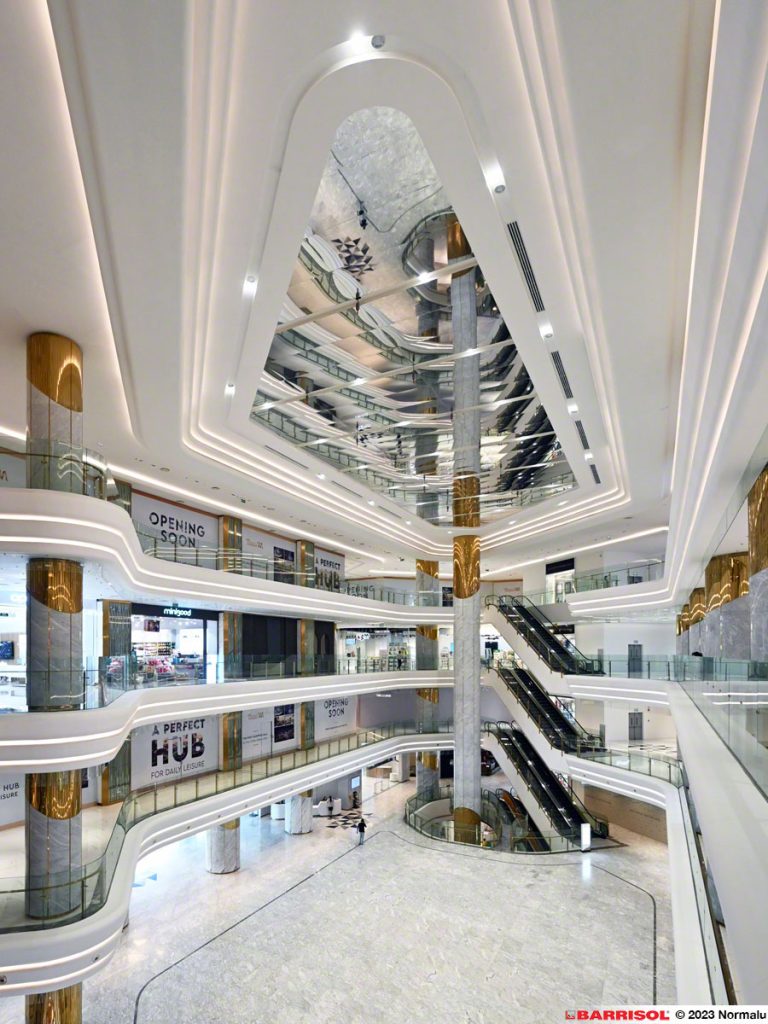
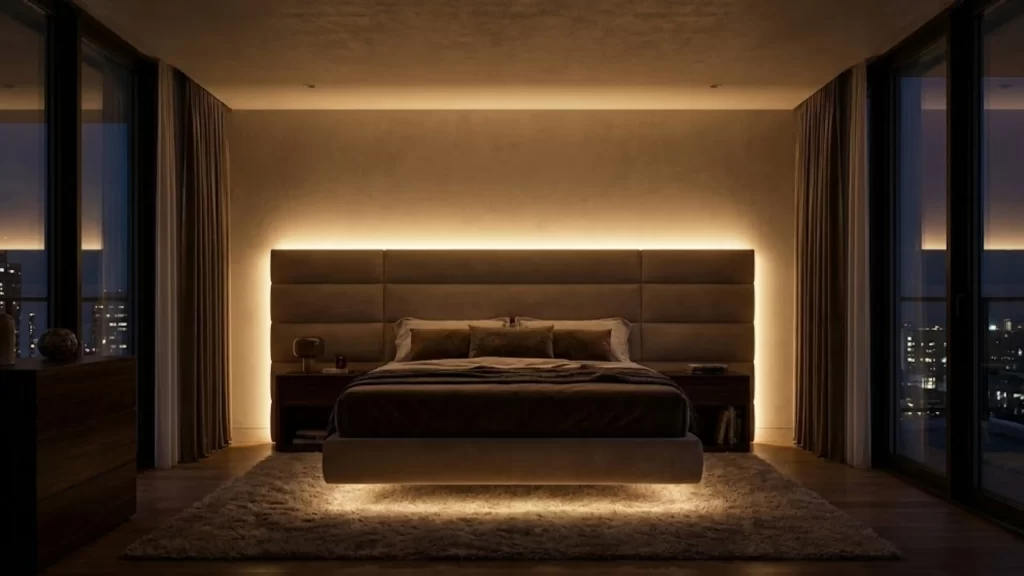
Indirect lighting is a type of lighting where light is reflected off the ceiling, walls, or other surfaces before spreading into the space.
This type of lighting often creates a soft, pleasant feeling and reduces glare. It’s also a popular solution used in hotels, villas, and high-end resorts.
Characteristics of Indirect Lighting:
- Softer and more even light
- Reduced glare
- Increased spatial depth
- Creating a relaxing atmosphere
- Suitable for modern design
- Suitable for modern design
3. How do direct and indirect lighting differ?
3.1. Differences in light distribution
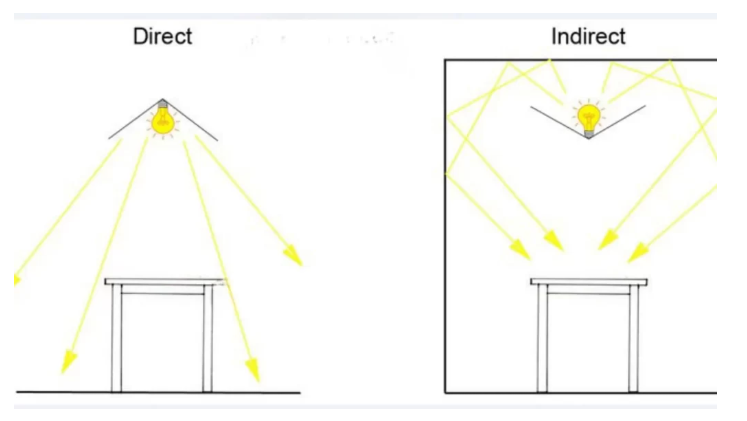
Direct lighting shines directly onto the object or area to be illuminated. In contrast, indirect lighting reflects off the surface before spreading throughout the space. This creates a distinct difference in visual perception and spatial effect.
3.2. Differences in Spatial Emotion
Direct lighting generally creates a sharper, stronger, and more focused feeling. Conversely, indirect lighting creates a softer and more relaxing feeling for the user.
This is why resort spaces often prioritize indirect lighting over using too many direct lights.
3.3. Differences in Practical Application
Each type of lighting is suitable for different purposes.
- Direct lighting is suitable for:
- Work areas
- Dining tables
- Showrooms
- Exhibition spaces
- Areas requiring high concentration
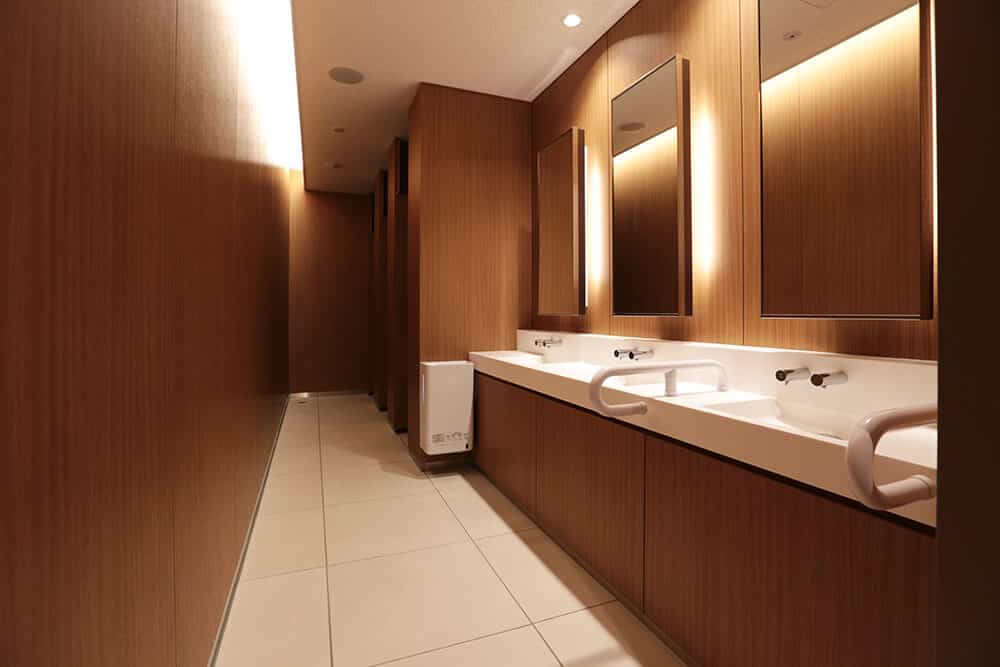
4. Should you combine both types of lighting?
In modern lighting design, combining both types of lighting helps create a more balanced and deeper space. Direct lighting supports the main lighting function. Meanwhile, indirect lighting enhances emotions and creates a more pleasant atmosphere.
A proper combination will help:
• Make the space more beautiful
• Reduce glare
• Increase architectural depth
• Optimize the visual experience
• Save energy more effectively
Learn more about modern lighting design criteria here.
5. In Summary
Both direct and indirect lighting play important roles in modern lighting design. While direct lighting enhances visibility and creates clear focal points, indirect lighting provides a softer and more relaxing feel to the space.
Combining both types of lighting correctly helps balance functionality, aesthetics, and emotion in a project. This is also a solution widely used by architects in modern homes, showrooms, hotels, and commercial spaces.
Contact Zegal today for advice on the right lighting solution for your project.
——
For further consultation, please contact Zegal Vietnam at the following information:
Zegal Hanoi
112 Vo Chi Cong Street, Nghia Do Ward, Hanoi
Zegal Ho Chi Minh City
319 – C9 Ly Thuong Kiet Street, Phu Tho Ward, Ho Chi Minh City
Hotline: 0969 14 6688