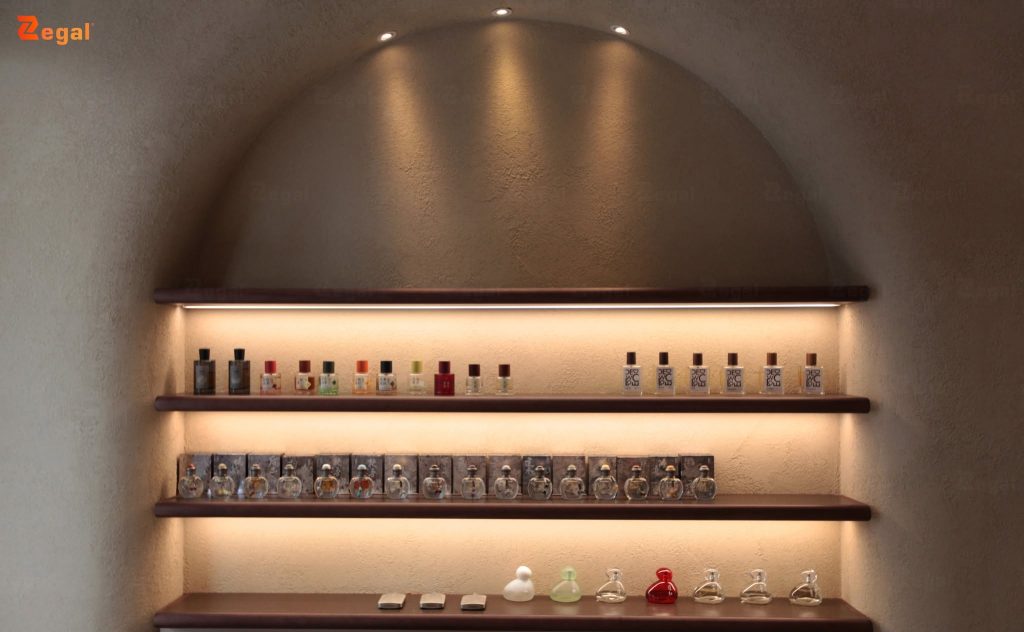


In the modern era, kitchen lighting is an art form, a refined balance of functionality, aesthetics, and emotion. A smart lighting system not only makes cooking easier and safer, but also transforms the kitchen into a warm, elegant, and inspiring space.
In this article, we will explore the most up to date trends in modern kitchen lighting, examine the essential role of light in this area, and highlight the key factors that help you illuminate your dream kitchen with confidence.
1. The importance of lighting in the modern kitchen
Before diving into the trends, let us take a step back and look at the true role of kitchen lighting. Why is it so important?
- Ensuring safety and efficiency while cooking: This is the most fundamental role. Would you want to chop vegetables in the dark, or turn food without clearly seeing its doneness? Proper and well positioned lighting allows you to see every detail clearly, work with precision, and avoid unnecessary accidents involving knives or hot surfaces.
- Enhancing aesthetics and spatial perception: Lighting has a remarkable transformative power. Even a small kitchen can feel more spacious and open with the right lighting design. Thoughtfully placed light accents highlight architectural details, materials, and decorative elements, turning a purely functional area into a space with strong artistic appeal.

- Creating a warm and inviting atmosphere: Light has the power to shape emotion. Soft warm light in the dining area can set the mood for a romantic dinner, while bright, clean white light in the food preparation zone enhances focus and hygiene. Well designed kitchen lighting encourages you and your family to spend more time together in this space.
- Supporting the multifunctional role of the kitchen: Today’s kitchen is no longer just for cooking. It is also a place for working, studying, or even entertaining. A flexible lighting system allows you to easily transition from high intensity task lighting to soft, relaxing illumination, accommodating every activity with ease.**
2. Factors influencing kitchen lighting
To achieve a perfect kitchen lighting system, multiple factors need to be considered. Understanding these elements will help you make the right decisions and achieve optimal results:

2.1 Basic lighting layers
An effective lighting system always consists of three fundamental layers that work in harmony:
- Ambient lighting: This is the base layer that provides overall illumination for the entire kitchen. It typically comes from recessed lights, surface mounted ceiling lights, or chandeliers, ensuring the space is never left in darkness.
- Task lighting: Extremely important in the kitchen. This lighting layer focuses on specific work areas such as countertops for food preparation, the sink, or the cooking zone. Under cabinet lights, pendant lights over kitchen islands, or spotlights are commonly used for this purpose, helping you see clearly and work safely during food preparation and cooking.

- Accent lighting: This layer of light is used to highlight architectural features, decorative elements, or curated kitchenware displays. LED strip lights inside glass cabinets, picture lights, or recessed floor lights can create striking visual effects, adding depth and a refined sense of sophistication to the space.
2.2 Color Temperature
Color temperature, measured in Kelvin K, directly affects how a space is perceived and how it influences mood.
- Warm white light (2700K to 3000K) creates a cozy and relaxing atmosphere, making it ideal for dining areas or spaces where you want to foster a sense of intimacy and comfort.
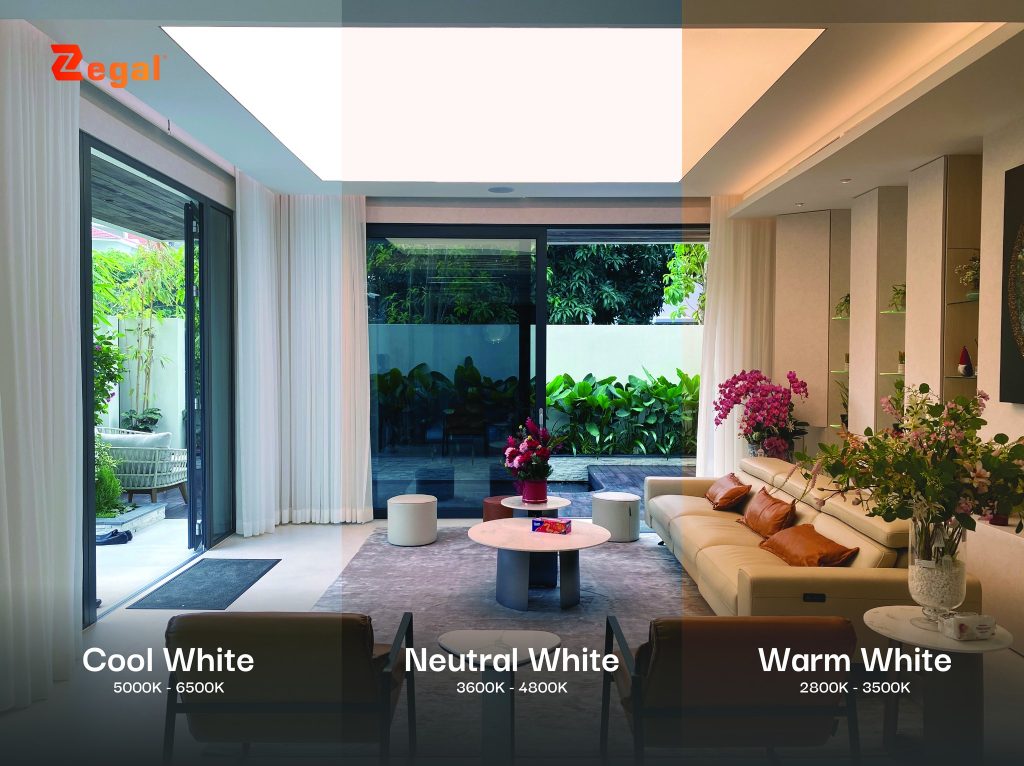
- Neutral white light (3500K to 4500K) replicates natural daylight, allowing food colors to appear most accurate. It is an ideal choice for cooking and food preparation areas where clarity and precision are essential.
- Cool white light (5000K to 6500K) creates a bright and energetic feel and is often used in industrial or minimalist modern spaces. However, it should be used sparingly on its own in kitchens to avoid a cold or sterile atmosphere.
You can combine light sources with different color temperatures across lighting layers to achieve greater flexibility and balance.
2.3 CRI – Color Rendering Index

CRI measures how accurately a light source renders the colors of objects compared to natural light. In the kitchen, a high CRI of 80 or above, ideally 90 plus, is extremely important.
Lighting with a low CRI can make food appear dull, distorted in color, and less appetizing. Prioritize kitchen lighting design by using high CRI LED fixtures so food colors remain fresh and vibrant from every angle.
2.4 Smart lighting control

- Dimmer controls: Allow you to adjust light intensity easily, shifting the atmosphere from active cooking to dining or relaxation.
- Motion sensors: Offer added convenience when entering or leaving the kitchen with your hands full.
- Smart lighting systems: Connect to smartphones or virtual assistants, enabling remote control, scheduled on and off operation, and even color temperature adjustments based on preset lighting scenes.
3. Modern kitchen lighting design trends
The world of design is constantly evolving, and kitchen lighting is no exception. Below are the styles and solutions that are currently most favored:
3.1 Minimalism and integration
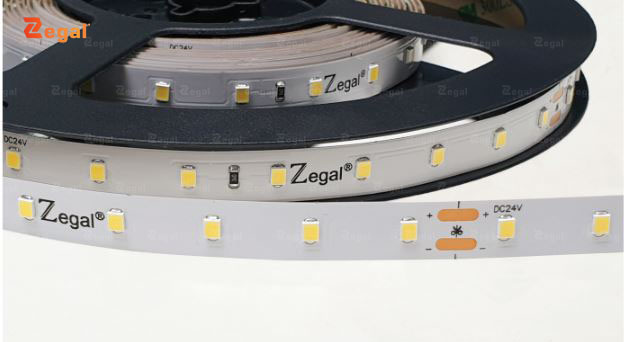
This trend focuses on concealing light sources to create lighting effects without visibly exposed fixtures. Ultra slim recessed LED lights, hidden LED strips beneath kitchen cabinets, and recessed wall lights are ideal choices. The result is a clean, seamless, and modern feel throughout the space.

3.2 Decorative pendant lighting: an artistic focal point
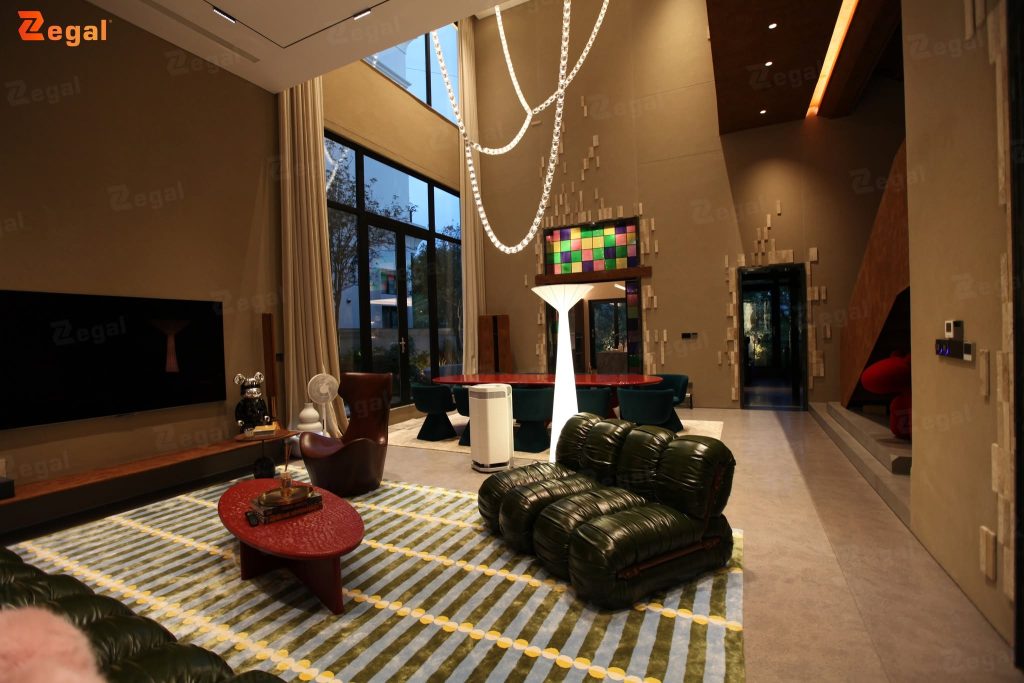
Pendant lights do more than provide illumination; they act as works of art. With distinctive designs ranging from minimalist Scandinavian to bold industrial or elegant classic styles, pendant lights suspended above kitchen islands or dining tables become striking focal points that draw every eye.

3.3 Layered and flexible lighting
Rather than relying on a single light source, modern kitchen lighting prioritizes the use of multiple lighting layers as mentioned above. More importantly, these layers can be adjusted independently in intensity and sometimes even in color temperature, allowing homeowners to easily change the kitchen’s atmosphere and function with a single touch.

3.4 Cabinet and drawer lighting
This trend not only enhances aesthetics but also improves practicality. LED strip lights or sensor activated lights installed inside cabinets and drawers make it easier to find kitchen items while adding a subtle, sparkling visual effect to storage spaces.

3.5 Integrating natural light
Nothing compares to natural sunlight. Modern kitchen lighting always makes the most of natural light from large windows, skylights, or balcony doors. Artificial lighting is designed to complement and harmonize with daylight, creating a vibrant and lively kitchen space throughout the day.
3.6 Using translucent ceilings
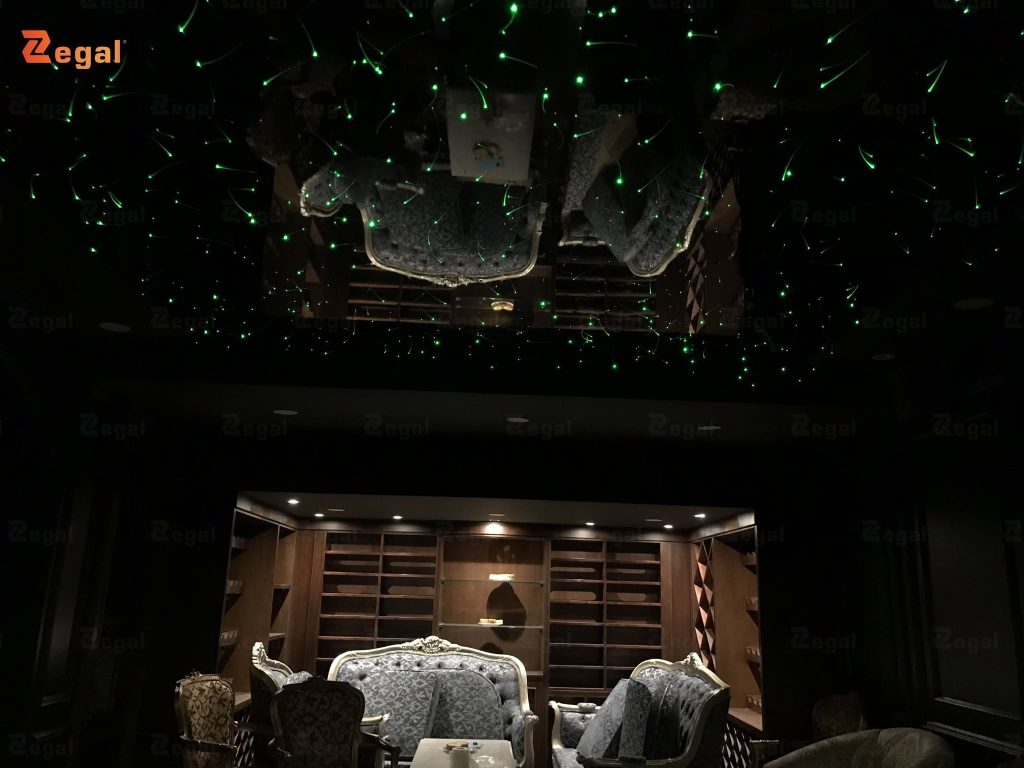
A breakthrough trend that is increasingly being applied in modern kitchen lighting is the translucent ceiling. Instead of acting as a point light or indirect light source, a translucent ceiling transforms the entire ceiling surface into a large luminous panel.

4. Conclusion
Kitchen lighting is no longer a secondary detail but has become a core element of modern interior design. A well invested lighting system not only ensures safety and convenience during cooking, but also serves as the “soul” that brings personality, style, and warmth to your kitchen space.
Be bold in experimenting with new trends, intelligently combine different lighting layers, and choose the most suitable solutions to transform your kitchen into a work of art filled with light and inspiration.
——
For further consultation, please contact Zegal Vietnam using the information below:
Zegal Hanoi
112 Vo Chi Cong, Nghia Do Ward, Hanoi
Zegal Ho Chi Minh
319–C9 Ly Thuong Kiet, Phu Tho Ward, Ho Chi Minh City
Hotline: +84969 14 6688