

The color temperature of LED lights is a critical factor in lighting design, directly influencing the ambiance and user experience of a space. Choosing the right color temperature not only creates a comfortable environment but also sets the mood for various activities. Let’s explore the ideal color temperature for your home with Zegal!
1. What is LED light color temperature?
Color temperature is a key aspect of lighting design, especially when selecting LED lights. Measured in Kelvin (K), it indicates the hue of light emitted from a light source. Low color temperatures (below 3,000K) typically produce warm yellow light, while high color temperatures (above 5,000K) emit cool white or blue light.
Warm yellow light, like candlelight, creates a cozy and inviting atmosphere. On the other hand, cool white light, akin to daylight, promotes alertness and clarity. Choosing the appropriate color temperature significantly affects the living space and user experience.

>>> Learn more: What is interior lighting? Its roles, effects, and applications
2. Types of light colors
LED lighting can be adjusted to various color temperatures, suitable for different purposes and specific spaces:
- Warm light (2,700K – 3,000K): Creates a friendly, relaxing ambiance, ideal for living rooms or bedrooms.
- Neutral light (3,500K – 4,000K): Suitable for areas like kitchens or offices, providing focus while maintaining warmth.
- Cool light (4,500K – 6,500K): Resembling natural daylight, it is ideal for spaces requiring high brightness, such as bathrooms, workspaces, or outdoor areas.
3. Detailed LED color temperature chart
When purchasing LED lights, checking the technical specifications to determine the color temperature is crucial. This information is usually displayed on the product packaging or user manuals.

Look for terms like “CCT” (Correlated Color Temperature) or “Color Temperature” accompanied by Kelvin (K) values. This helps identify whether the light is warm, neutral, or cool.
Additionally, consider other related specifications such as brightness (lumens) and energy efficiency to ensure the chosen LED light meets your lighting and energy-saving needs.

| Color Temperature (K) | Type of Light | Application |
| 1.500K – 2.700K | Warm light | Living rooms, bedrooms |
| 3.000K – 4.000K | Neutral light | Kitchens, offices |
| 4.500K – 6.500K | Cool white light | Bathrooms, outdoor spaces |
4. How to choose the right LED color temperature for your space
Selecting the right color temperature involves considering the space and desired ambiance for each area in your home. Here are some tips to help you choose effectively:
4.1 Ideal color temperature for LED lights in living rooms
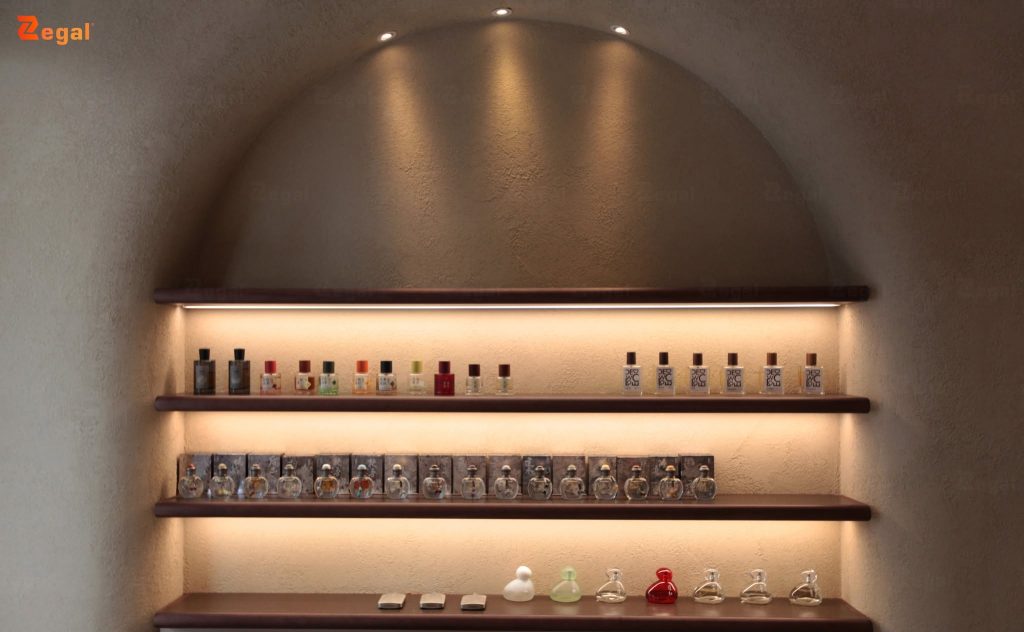
Living rooms, often used for hosting guests or relaxing, benefit from LED lights with warm yellow light (2,700K – 3,000K). This creates a cozy, comfortable, and friendly atmosphere while highlighting materials like wood, fabric, or warm-toned furniture.

4.2 Suitable color temperature for LED lights in kitchens
Kitchens require sufficient lighting without being too harsh. Neutral light (3,500K – 4,000K) is an ideal choice, providing clarity and focus for cooking and food preparation while keeping the space clean and airy.

4.3 Choosing LED color temperature for bedrooms
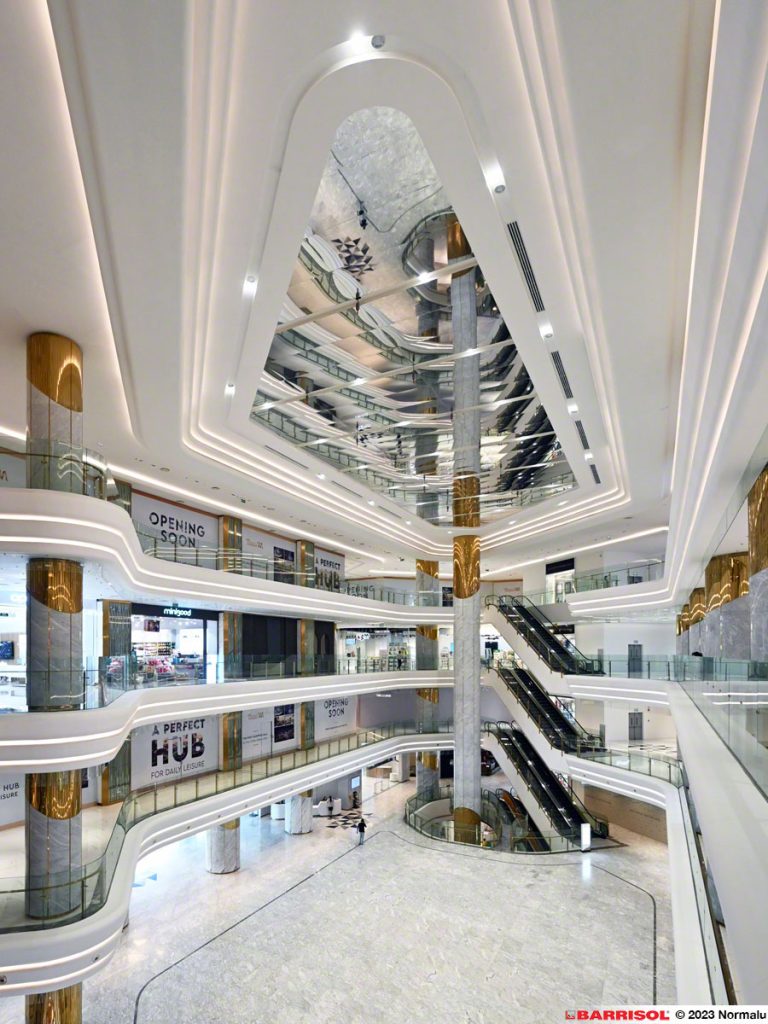
Bedrooms, as spaces for rest and relaxation, are best illuminated with warm light (around 2,700K – 3,000K). Additionally, soft light from LED stretch ceilings like Barrisol can create a soothing and gentle ambiance, promoting better sleep.

4.4 LED color temperature for bathrooms
Bathrooms need bright, accurate lighting for activities like grooming or shaving. Cool white light (4,500K – 5,000K) ensures clarity and sharpness while making the bathroom appear clean and modern.

4.5 LED color temperature for balconies and staircases
Spaces like balconies or staircases need sufficient lighting for safe navigation at night. Neutral light (3,000K – 4,000K) is an excellent choice, providing clear visibility while maintaining a comfortable ambiance.

5. Conclusion
The color temperature of LED lights not only determines aesthetics but also directly impacts the mood and perception of the space. Understanding how to choose the right color temperature for LED lights helps you optimize lighting in each area, creating a perfect living environment tailored to daily needs. LED lights offer energy efficiency and a wide range of light color options, providing flexibility in lighting design.
For further consultation, please contact Zegal Vietnam at the following locations:
Zegal Hanoi
112 Vo Chi Cong, Nghia Do Ward, Cau Giay District, Hanoi
Zegal Ho Chi Minh
319 – C9 Ly Thuong Kiet, Ward 15, District 11, Ho Chi Minh City
Hotline: +84969 14 6688