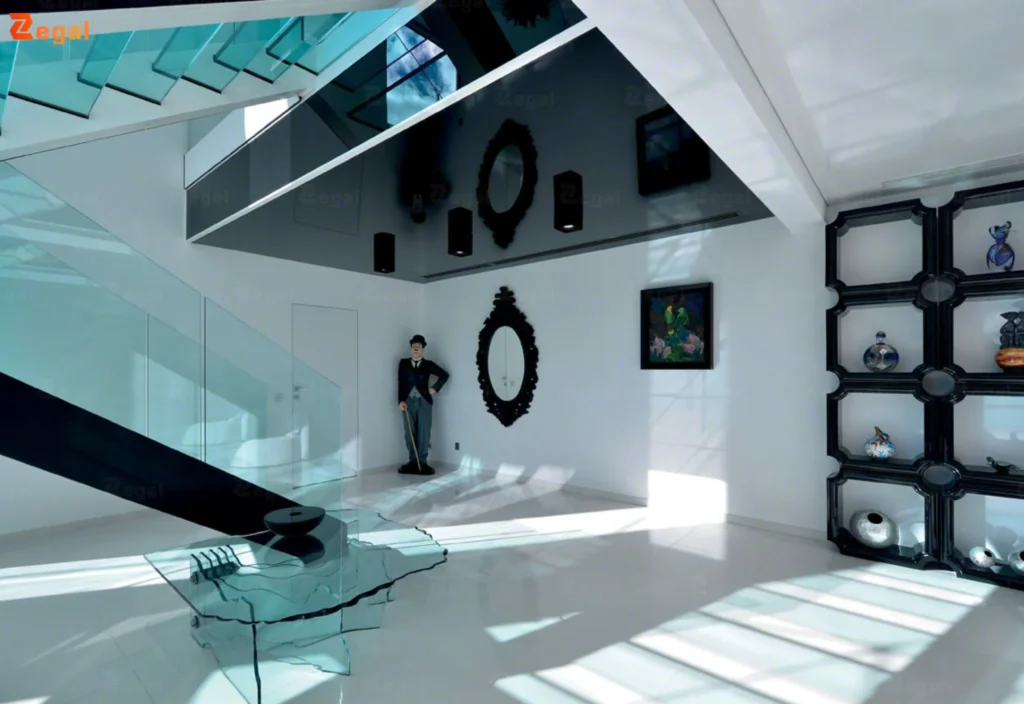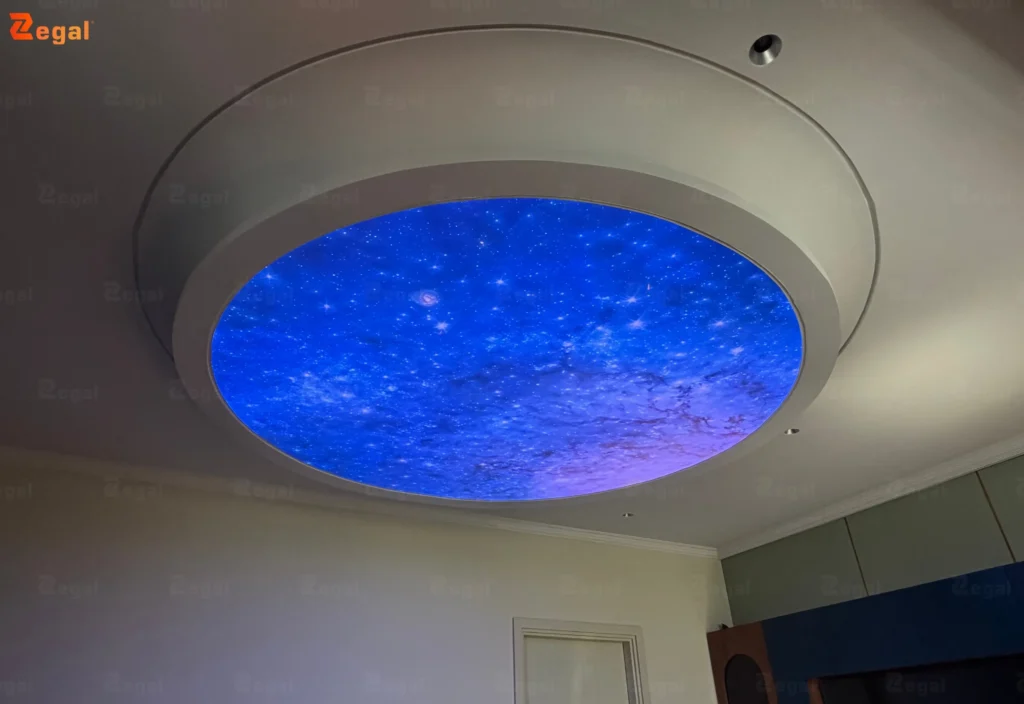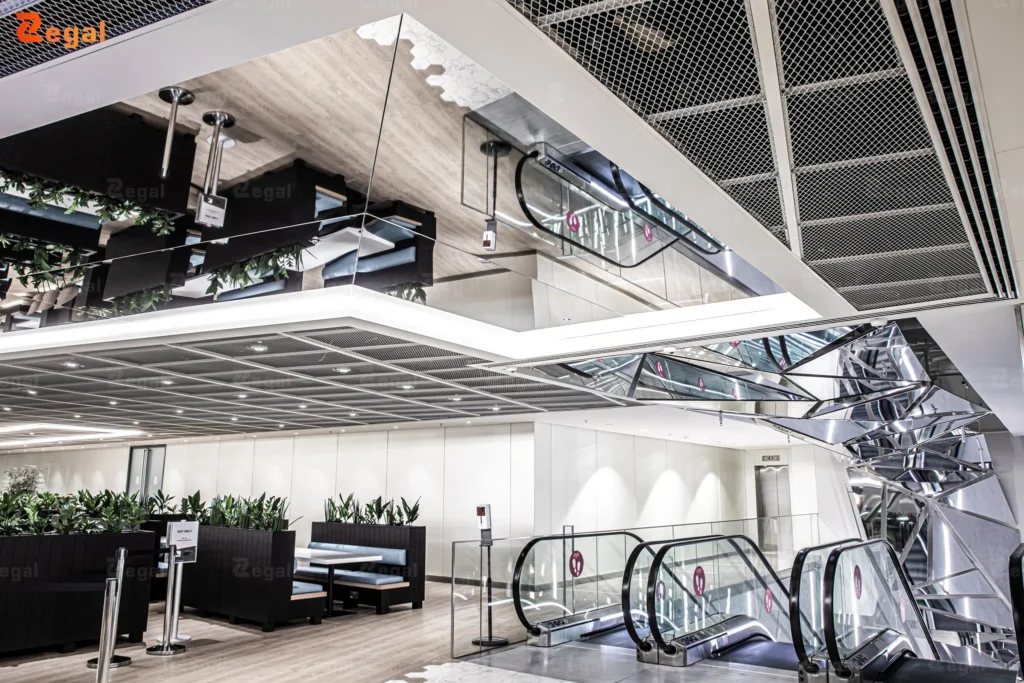


Outdoor translucent ceilings present a different challenge compared to indoor ones. Beyond aesthetics and lighting, this solution must also withstand rain, sun, humidity, wind, and continuous temperature changes.
When designed and installed with the correct techniques, a translucent ceiling not only serves as a protective cover but also becomes an architectural light layer, making semi-outdoor spaces clearer, more luxurious, and usable both during the day and at night.
1. What is an Outdoor Translucent Ceiling?
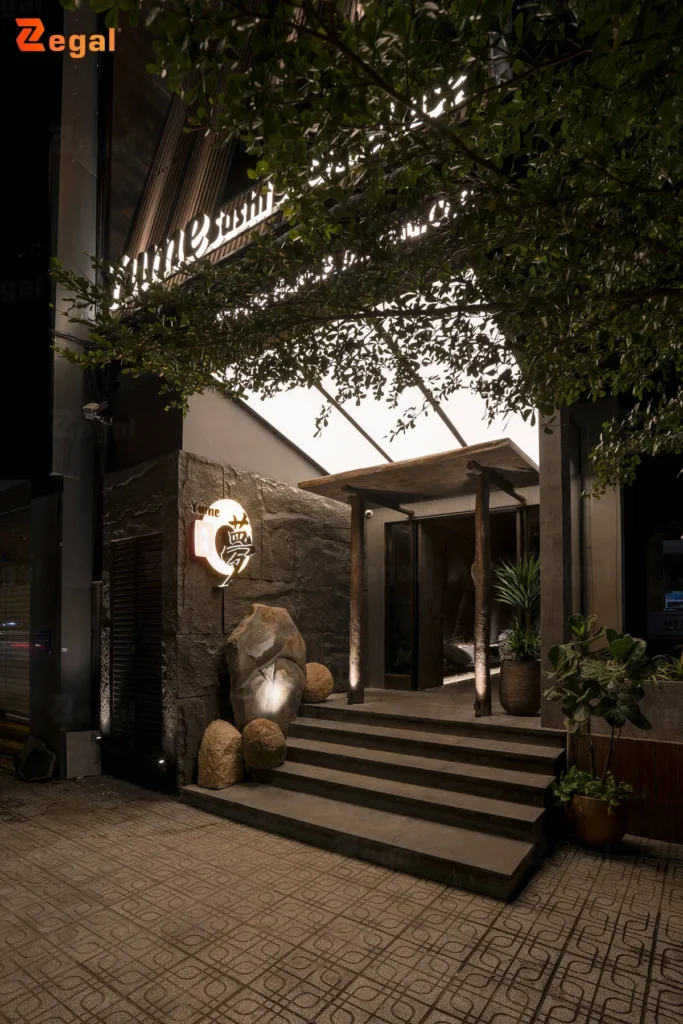
An outdoor translucent ceiling is a system that uses specialized translucent materials combined with a lighting system placed behind, designed for installation in open or semi-open spaces. Unlike indoor ceilings, this system must meet two requirements simultaneously: efficient light transmission and environmental durability.
Common applications for translucent canopy ceilings include verandas, entry lobbies, open corridors, pool areas, covered garden spaces, outdoor F&B areas, or transitional spaces between indoor and outdoor environments.
2. Structure of Outdoor Translucent Ceilings
2.1 Specialized Translucent Panels
Not all translucent panels are suitable for outdoor use. The panels must have the following properties:
- UV resistance to prevent discoloration
- Ability to withstand temperature fluctuations
- Not brittle or prone to shrinking over time
- Easy to clean when dust or rainwater accumulates
For many high-end projects, outdoor translucent panels are chosen for their material stability and long lifespan.
2.2 Corrosion-Resistant Aluminum Frame System
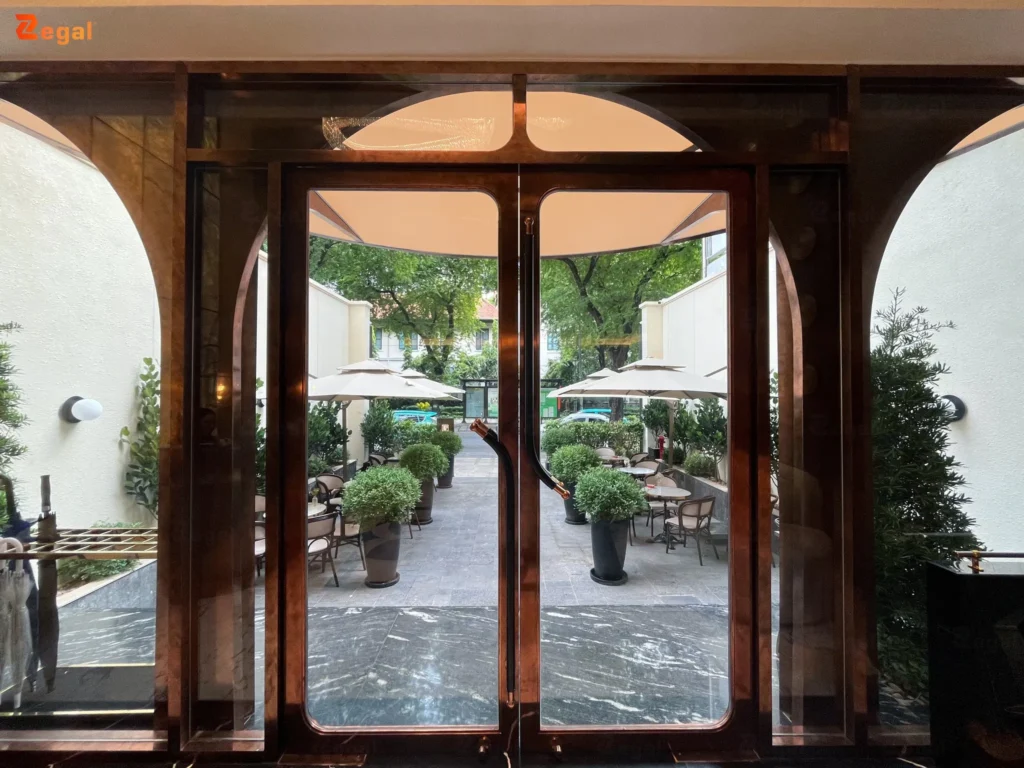
The frame of an outdoor ceiling often uses anodized aluminum or surface-treated materials to resist oxidation. The frame not only supports the panels but also withstands wind, vibration, and environmental loads.
The frame design must account for water drainage, thermal expansion gaps, and permissible deflection to avoid distortion during weather changes.
2.3 Outdoor-Standard Lighting System
LEDs used for outdoor translucent ceilings must meet waterproof and dustproof standards. Drivers and power supplies should be placed in sealed technical boxes with proper ventilation to prevent heat accumulation.
The placement of LEDs requires more careful consideration than indoor systems, as outdoor lighting is often affected by competing ambient light sources.
4. Advantages of Outdoor Translucent Ceilings
4.1 Providing Uniform Light for Open Spaces
Instead of using multiple spotlights or scattered pendant lights, outdoor translucent ceilings create a large luminous surface that distributes light evenly, without glare or harsh shadows.
4.2 Enhancing Architectural Aesthetics
The glowing ceiling surface gives a light, airy, and modern feel. At night, the ceiling becomes an architectural light layer, helping define the space, instead of merely being a roof cover.
4.3 Flexible Use Day and Night
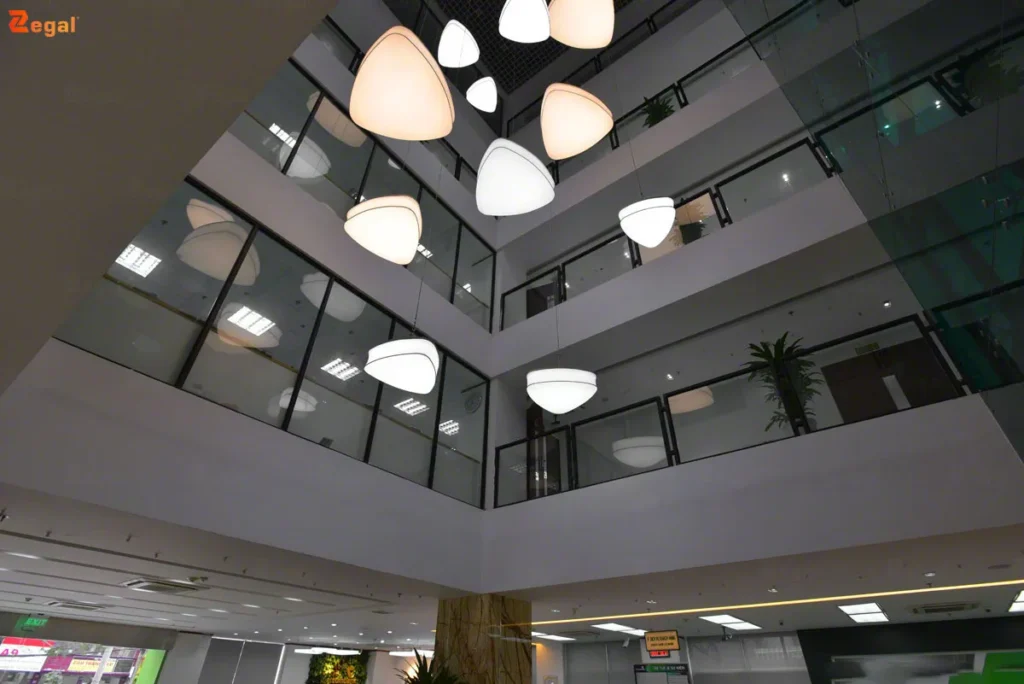
During the day, the translucent ceiling shields from sunlight and softens natural light. At night, the backlighting system helps extend the use of the space, increasing the property’s utility.
4.4 High Durability When Properly Installed
When designed and installed correctly, outdoor translucent canopy ceilings have a long lifespan, require minimal maintenance, and maintain stable light quality for years.
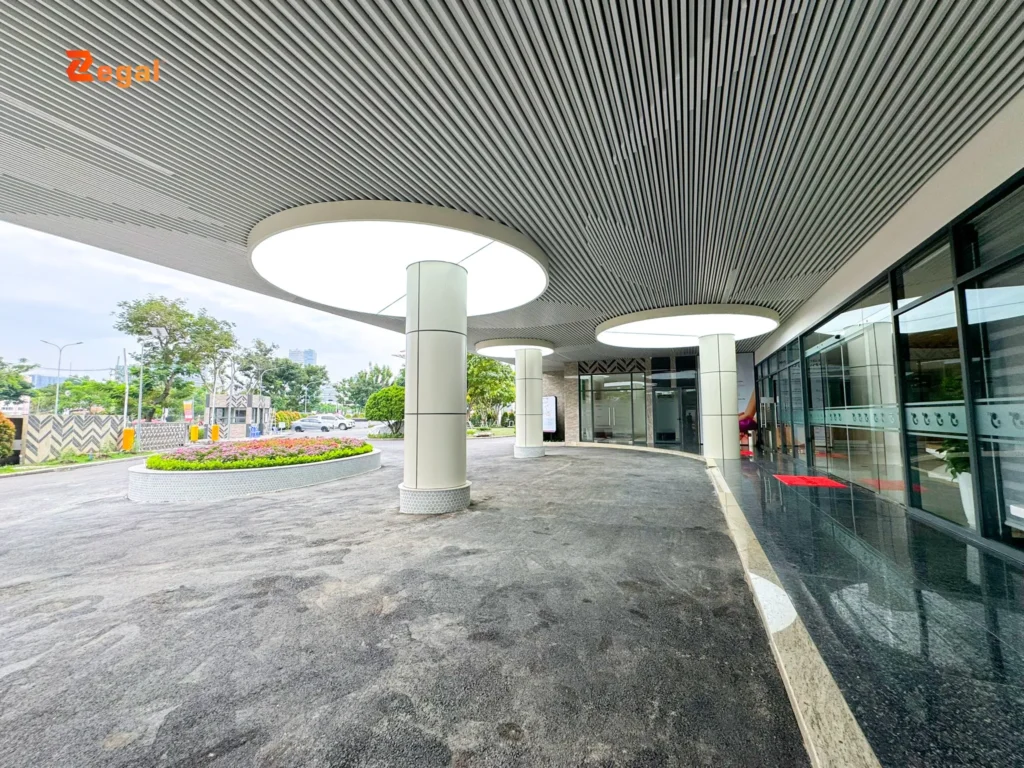
5. Practical Applications of Outdoor Translucent Ceilings
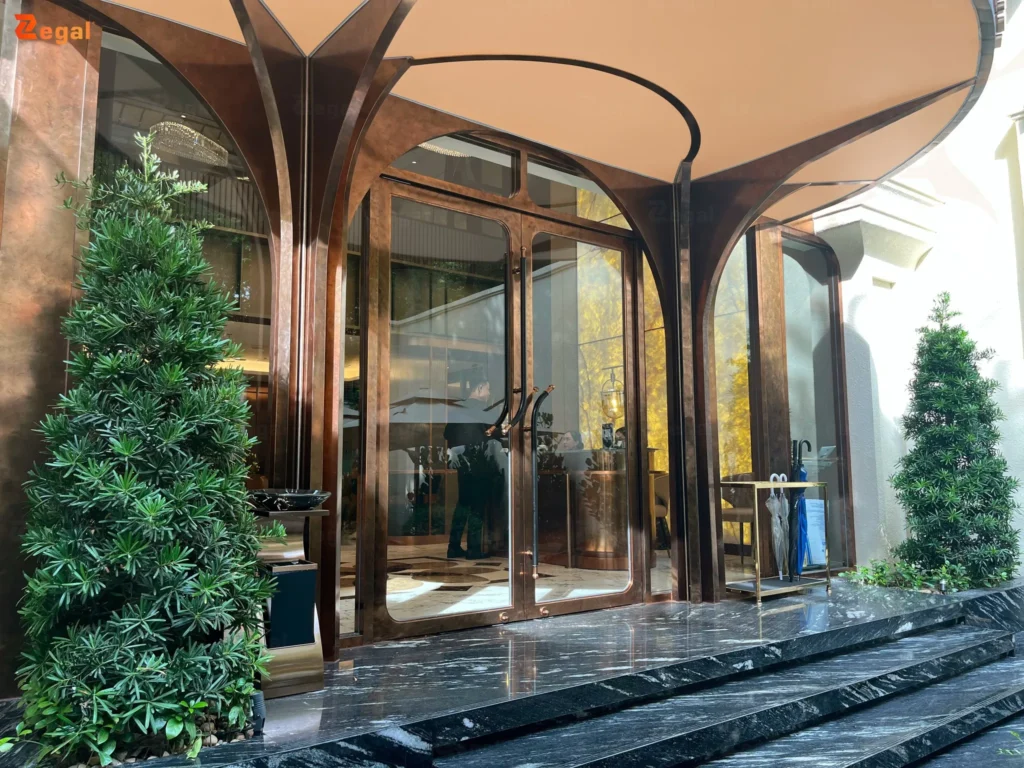
5.1 Entry Lobbies and Building Entrances
An outdoor translucent ceiling helps make the entry lobby area clearer, more luxurious, and easy to identify from a distance, especially at night.
5.2 Outdoor Pool and Spa Areas
Soft light from the translucent ceiling creates a relaxing ambiance, free from glare, making it ideal for luxury resorts and high-end spas.
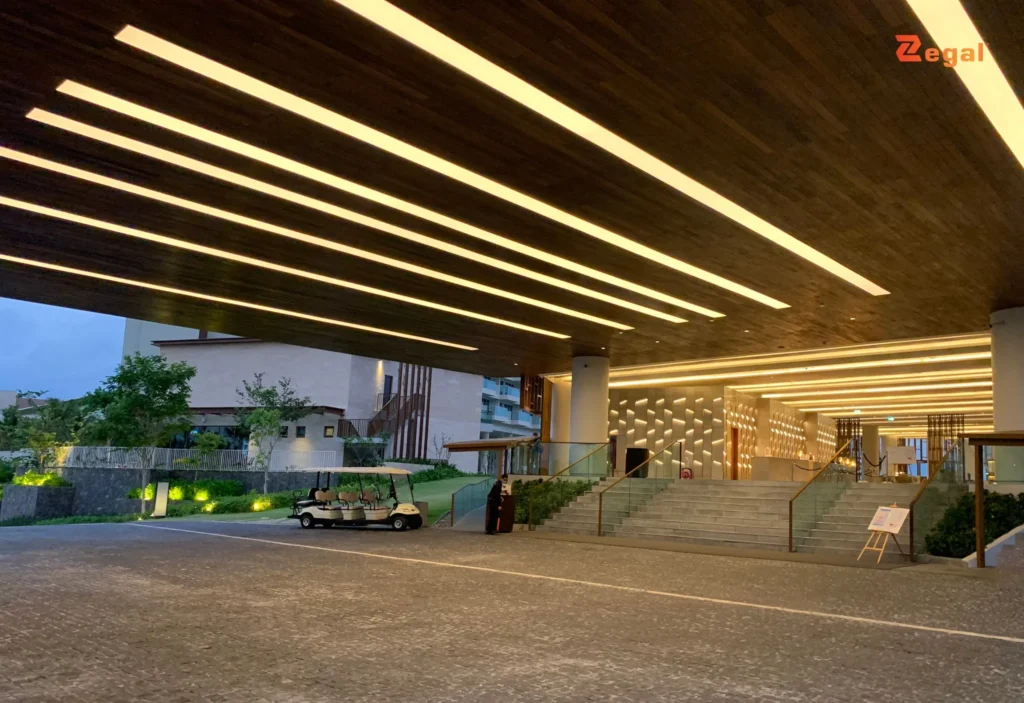
5.3 Outdoor Restaurants and Cafes
This solution helps outdoor F&B spaces function smoothly at night, while also serving as a visual focal point to attract customers.
6. Key Technical Considerations When Installing Outdoor Translucent Ceilings
Installing an outdoor translucent ceiling is not just about stretching the panels and placing lights. Key considerations include:
- Water drainage solutions for the ceiling frame
- Thermal expansion gaps in the materials
- Placement of drivers and technical boxes
- Maintenance and replacement of LEDs
- Calculating appropriate brightness relative to the surrounding environment
Neglecting any of these factors can directly affect the system’s longevity and effectiveness.
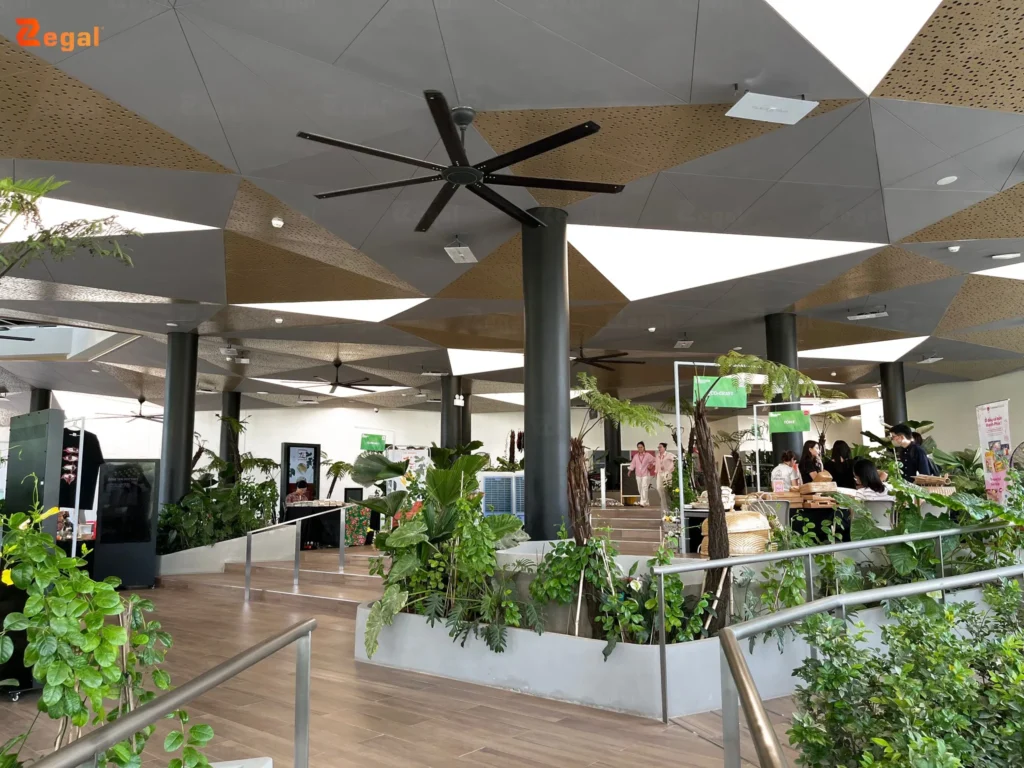
7. Is an Outdoor Translucent Ceiling Suitable for Your Project?
If your project includes outdoor spaces and requires a solution that combines lighting, shielding, and architectural aesthetics, an outdoor translucent canopy ceiling is worth considering. However, this solution should be designed and installed by an experienced team and cannot be applied mechanically like indoor ceilings.
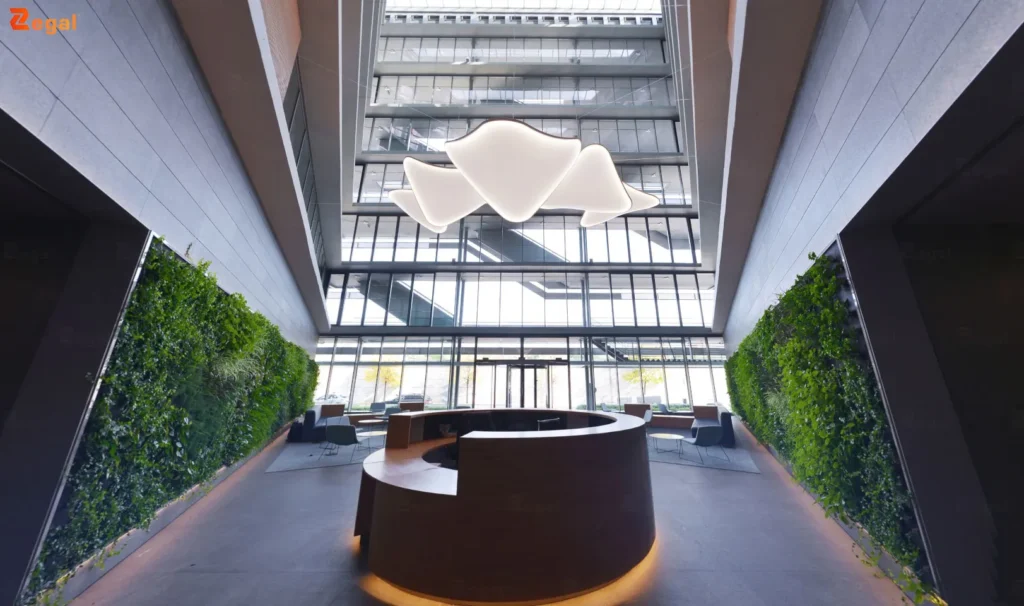
8. Conclusion
Outdoor translucent ceilings are a long-term architectural lighting solution that makes open spaces more functional and aesthetically pleasing. When implemented correctly, this ceiling system is not only durable against the elements but also enhances the spatial experience both day and night.
——
For further consultation, please contact Zegal Vietnam using the information below:
Zegal Hanoi
112 Vo Chi Cong, Nghia Do Ward, Hanoi
Zegal Ho Chi Minh
319–C9 Ly Thuong Kiet, Phu Tho Ward, Ho Chi Minh City
Hotline: +84969 14 6688