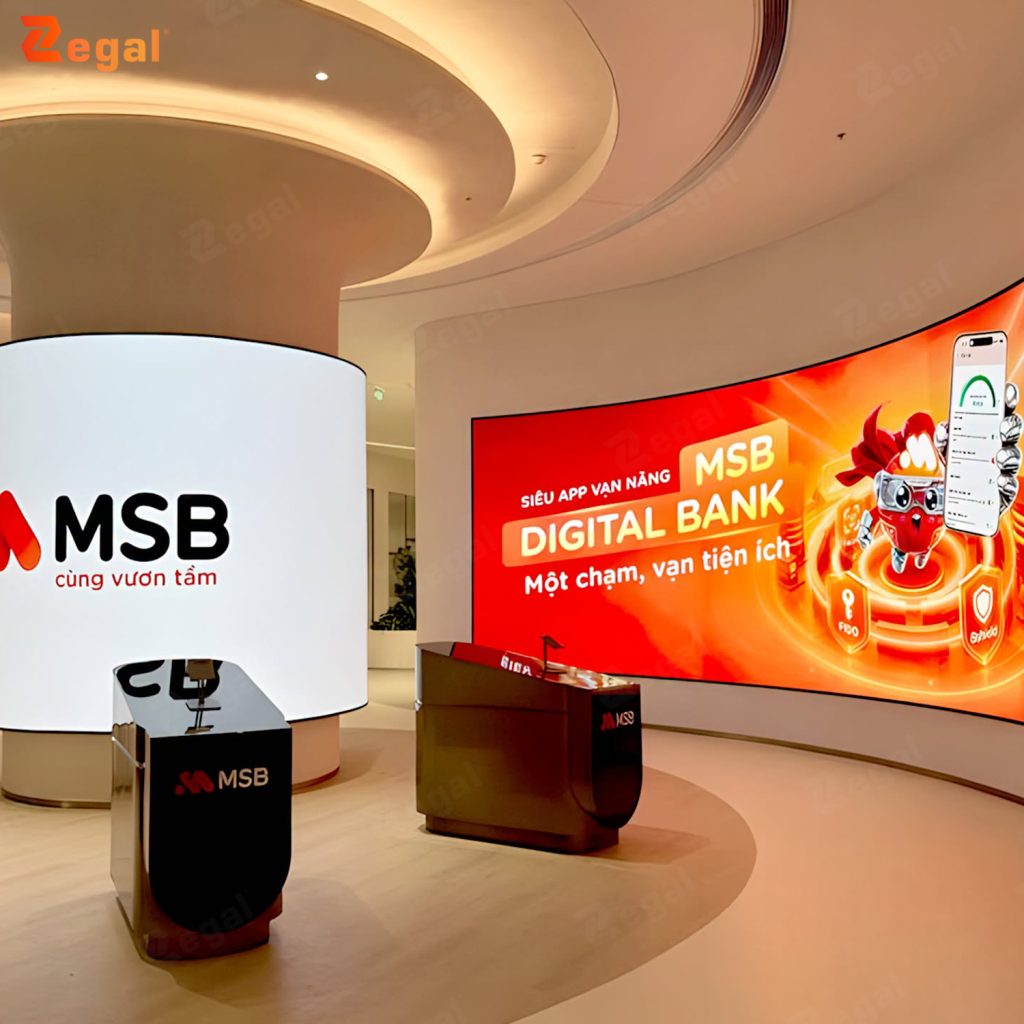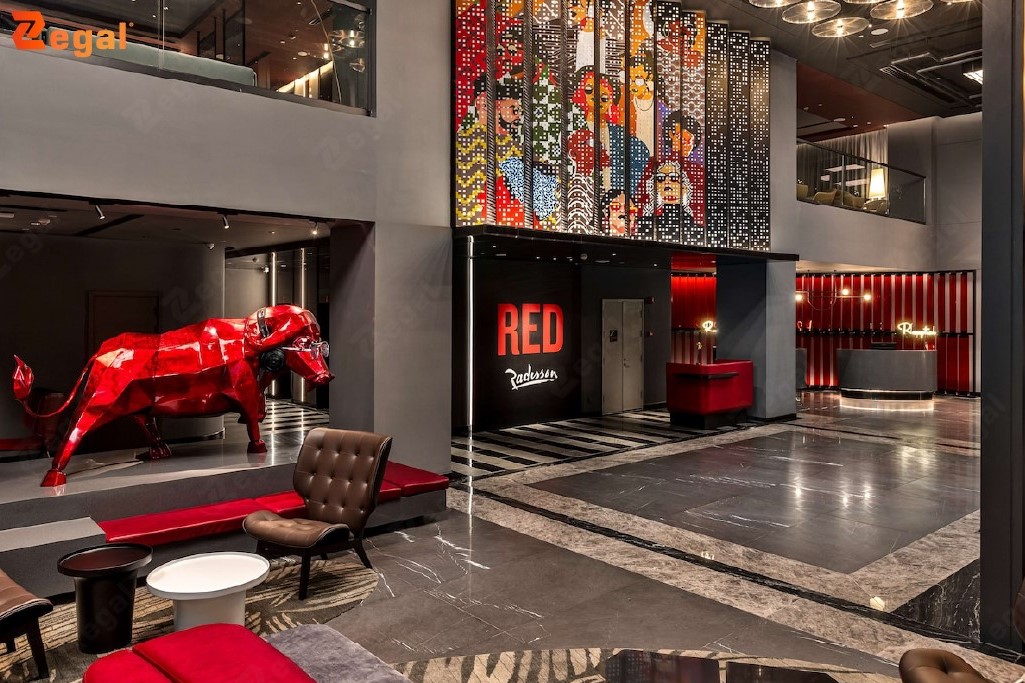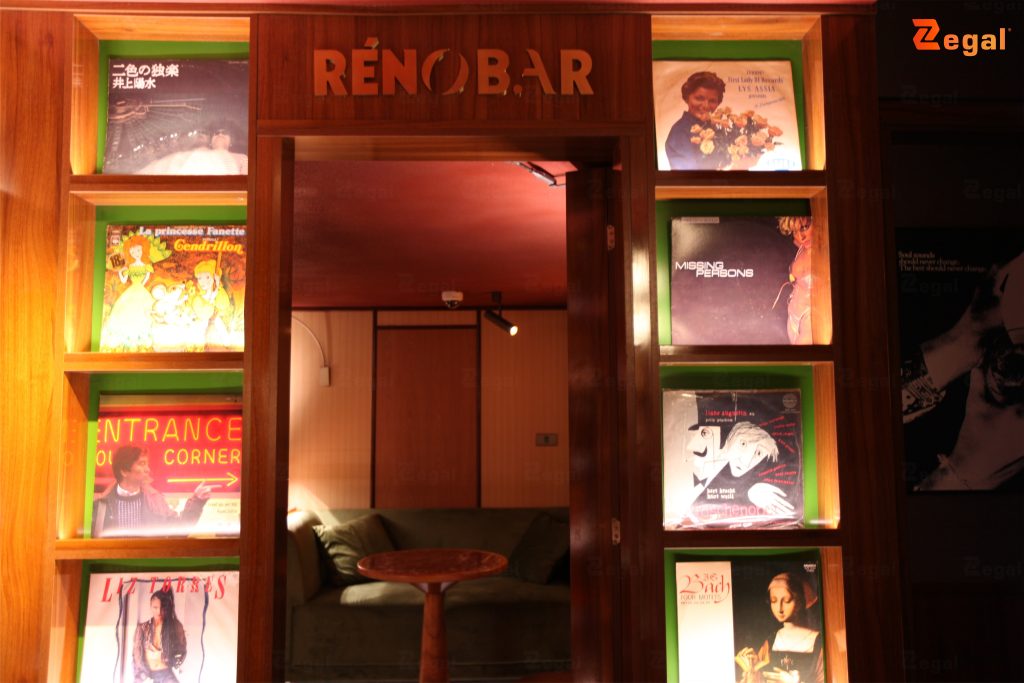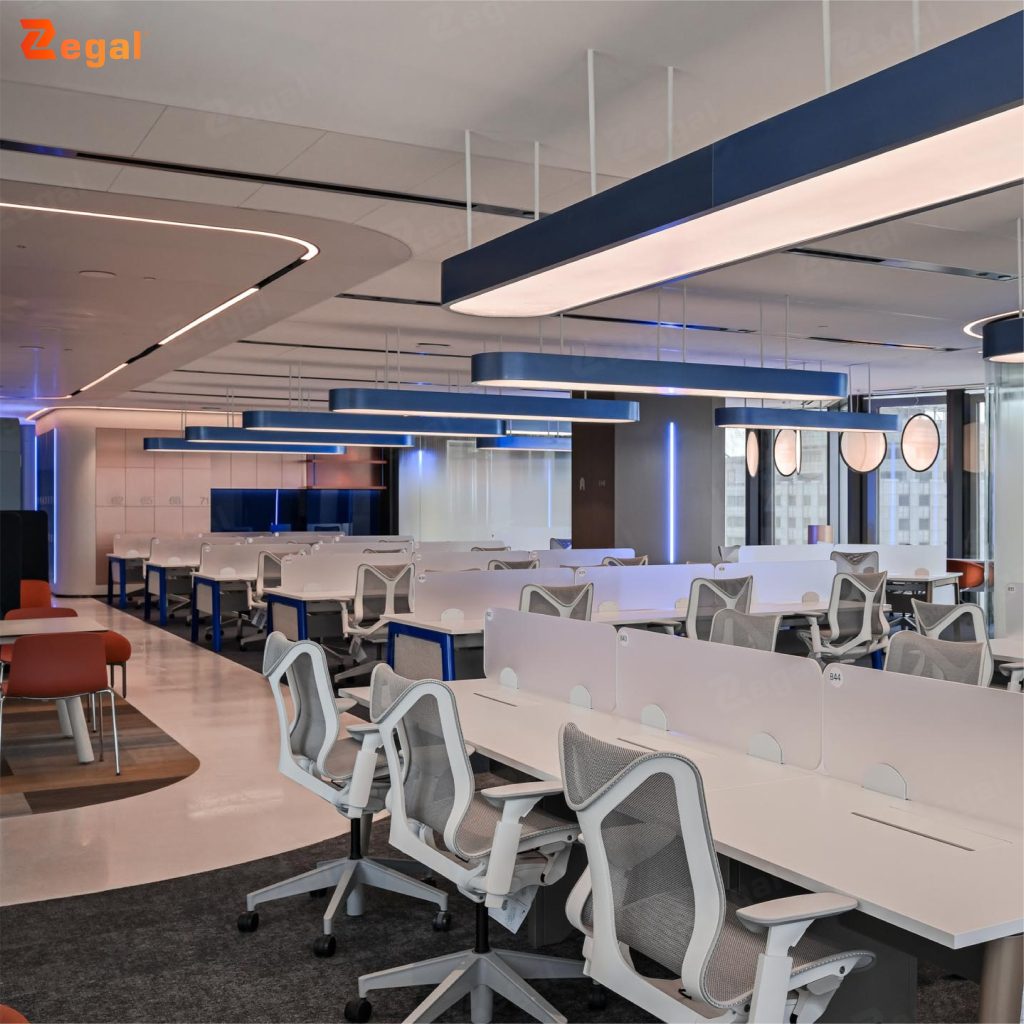


Translucent printed ceilings are entering a new phase in interior design. While ceilings once served only as lighting or decorative effects, by 2026, printed ceilings are seen as a storytelling surface where patterns, light, and emotions come together.
This shift clearly reflects contemporary design trends, where light is not just for visibility but also for feeling, and ceilings are no longer the forgotten void in the spatial layout.
1. Printed Translucent Ceilings and Their Role in Modern Interior Design
A printed translucent ceiling is a system that uses a translucent film with printed patterns combined with a backlighting system, creating a ceiling surface that both illuminates and carries visual content. Unlike plain translucent ceilings, printed ceilings have the ability to guide visual emotions and provide clear focal points within a space.
In modern architecture that values experience, printed ceilings are not just a finishing material but a design language. Patterns on the ceiling can soften the space, expand depth, or give a unique character to each project.
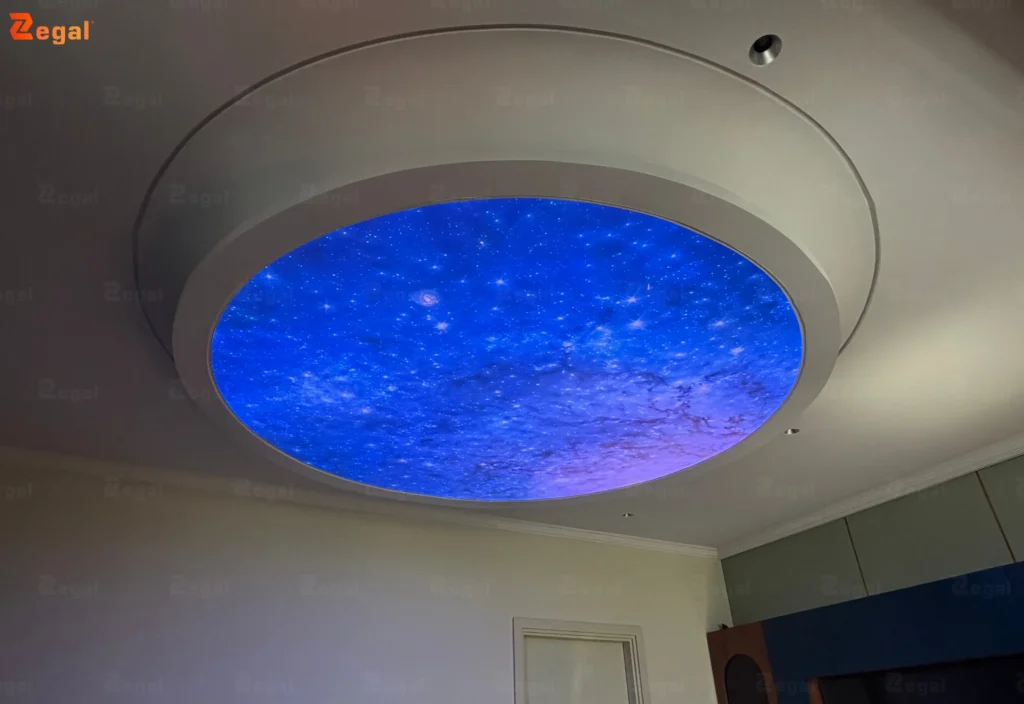
2. Why the Trend of Printed Translucent Ceilings in 2026 Focuses on Patterns
The development of high-resolution printing technology allows ceiling patterns to achieve much better detail and visual depth compared to before. At the same time, users are increasingly concerned with the emotional atmosphere of a space, not just the aesthetic surface.
2026 marks a clear shift from decorative ceilings with purely ornamental purposes to those with content, where patterns are selected intentionally, linked to functionality, brand identity, or the homeowner’s personality.
3. Notable Ceiling Pattern Trends in 2026
3.1 Sky and Natural Light Patterns
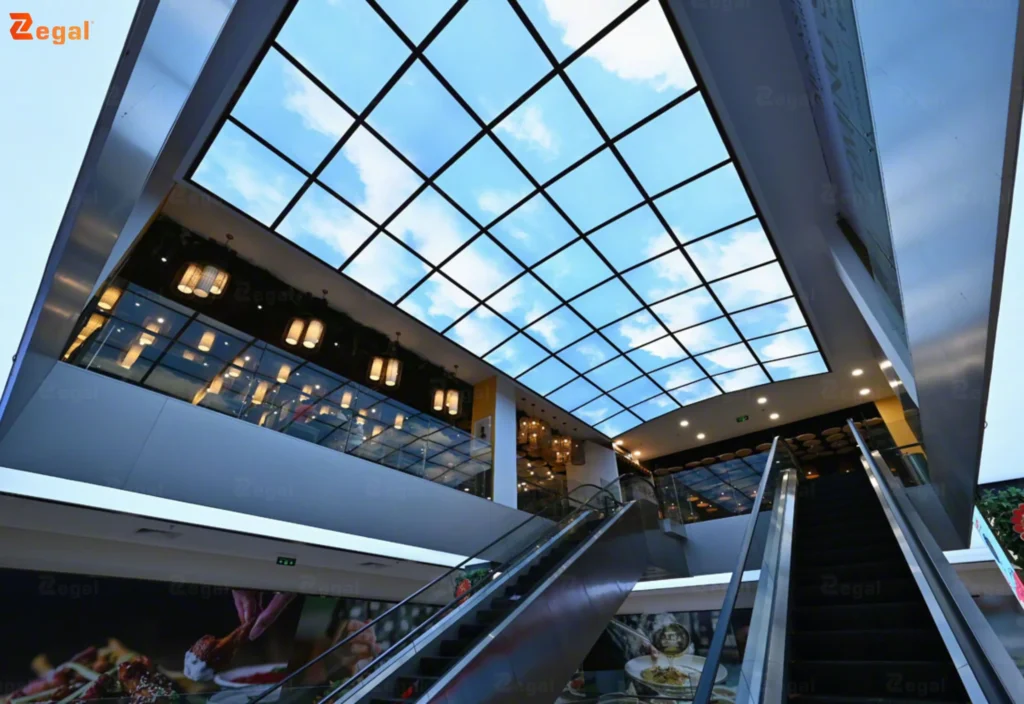
Sky patterns continue to hold an important position in printed translucent ceilings in 2026, but now they go beyond simple cloud images. The new trend focuses on minimalist skies, soft diffused light, gentle color tones, and natural color transitions.
Ceilings with sky patterns are often used in spaces that require relaxation, such as bedrooms, living rooms, spas, or rest areas in hotels. The light passing through these patterns creates a more natural lighting effect compared to standard ceiling lights.
3.2 Abstract Nature Patterns
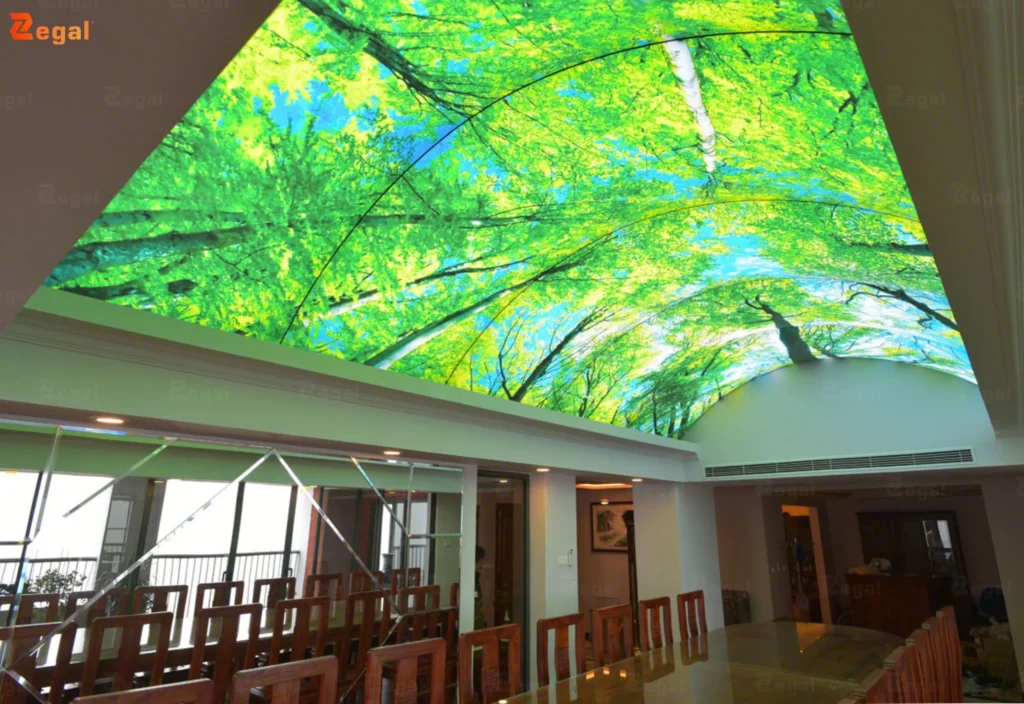
Rather than printing clear images of trees or flowers, the 2026 trend favors abstracted nature patterns. These could include water movements, stone veins, mist, or organic structures.
These patterns help make printed ceilings more refined, avoiding overly direct decoration while being easy to integrate with various interior styles.
3.3 Soft Geometric Patterns and Light Movement
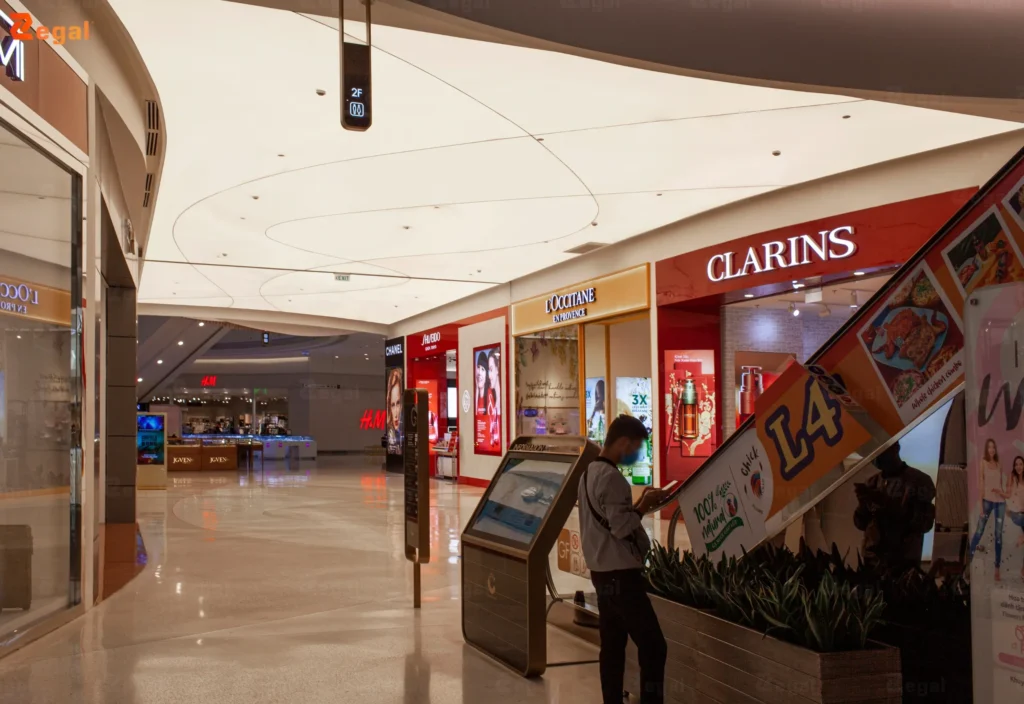
Geometry remains part of contemporary design, but in 2026’s printed translucent ceilings, geometry is handled more softly. Curves, layers, and gentle color transitions replace hard-edged shapes.
When combined with backlighting, these geometric patterns create a light movement effect, preventing the ceiling from appearing static and flat like a typical printed surface.
3.4 Personalized Patterns for Space and Brand Identity
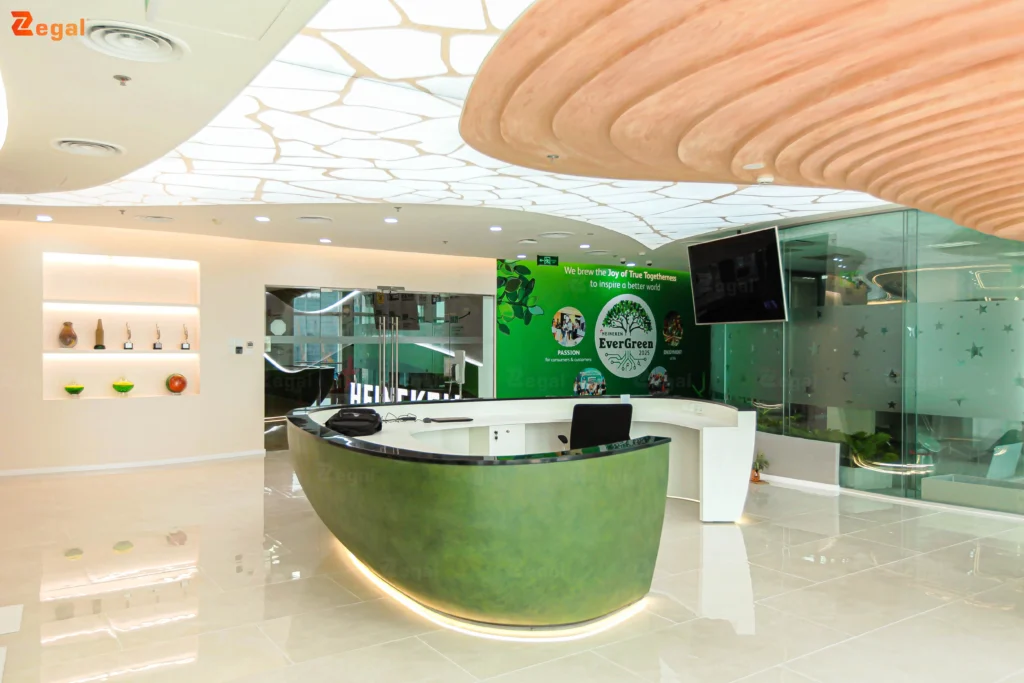
Personalization is a clear trend in 2026 ceiling patterns. Instead of choosing pre-made designs, many projects opt for custom patterns that reflect brand identity or tell a space’s story.
In showrooms, offices, or hotels, printed translucent ceilings become part of the brand language, helping create a distinct and easily recognizable space.
4. Important Considerations When Choosing Printed Ceiling Patterns for 2026
Trends are not about applying designs mechanically. When choosing a printed ceiling pattern, consider:
- The functional purpose of the space
- The area and height of the ceiling
- The required lighting intensity
- The overall interior style
5. Conclusion
The 2026 trend of printed translucent ceilings reflects a shift from simple decoration to design rich in emotion and personalization. When chosen and implemented correctly, printed ceilings not only enhance the aesthetic of a space but also help define living and working experiences in a subtle and sustainable way.
——
For further consultation, please contact Zegal Vietnam using the information below:
Zegal Hanoi
112 Vo Chi Cong, Nghia Do Ward, Hanoi
Zegal Ho Chi Minh
319–C9 Ly Thuong Kiet, Phu Tho Ward, Ho Chi Minh City
Hotline: +84969 14 6688