

Lighting in hospitals not only serves the purpose of illumination but also significantly impacts medical efficiency, psychological well-being, and the health of both patients and staff. In this article, we will delve deeper into the standards for hospital lighting, key technical factors, and how to design optimal lighting systems.
1. The Role of Lighting in Hospitals
Hospital lighting affects both the performance of medical staff and the mood and recovery process of patients. The key roles include:
- Supporting accurate diagnosis and treatment: Standard-compliant lighting allows doctors and healthcare workers to perform precise procedures, especially in demanding fields such as surgery, laboratory work, or medical imaging.
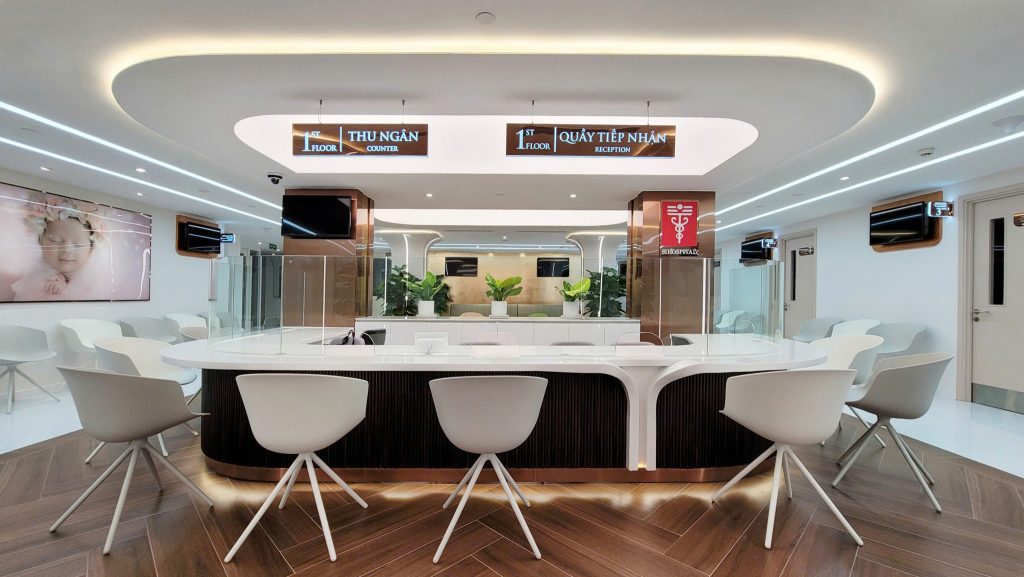
- Enhancing psychological comfort: According to hospital lighting standards, a bright, friendly space helps patients feel at ease, reducing anxiety and accelerating recovery. Studies show that well-designed natural or artificial lighting can improve patients’ sleep and mood.
- Improving safety: Adequate lighting in areas like corridors, walkways, and parking lots minimizes accidents and enhances the sense of security for both patients and staff.
2. Hospital Lighting Standards by Area
2.1 Examination and Treatment Rooms
- Illuminance: 500–750 Lux.
- Sufficient brightness to allow doctors to conduct examinations and treatments effectively without glare.
- Color temperature: 4000–5000K (neutral light).
This type of lighting reproduces the natural color of skin and other body parts, aiding in accurate diagnosis.
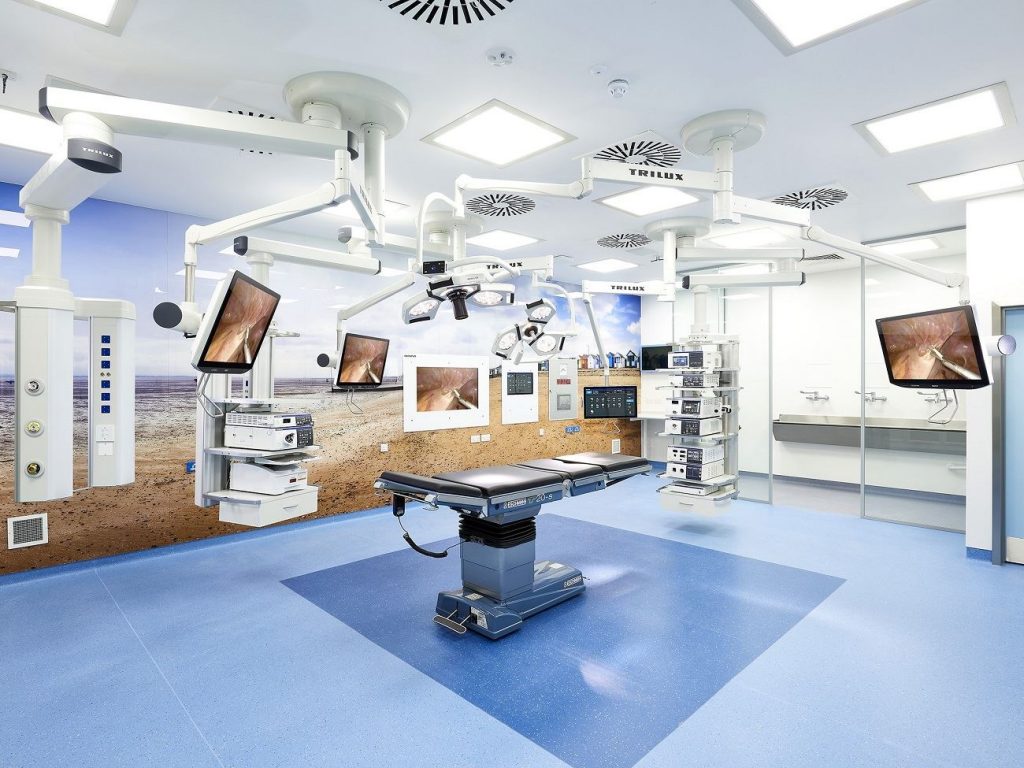
2.2 Operating Rooms
- Illuminance: 1000–1600 Lux.
- High brightness ensures the clarity of the smallest details during surgeries.
- Color temperature: 4000–4500K.
Avoid overly warm or cool light to reduce eye fatigue during extended procedures.
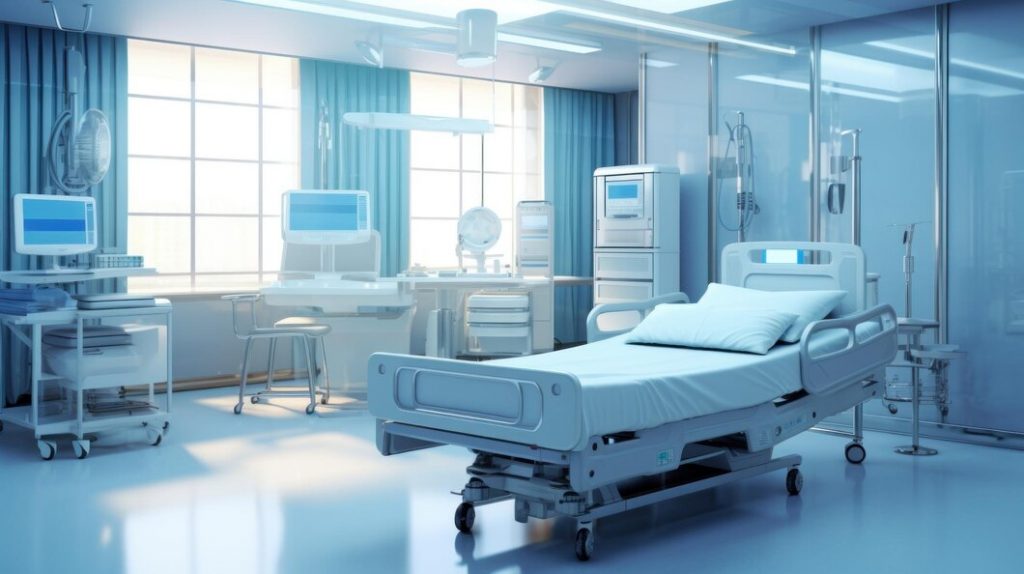
2.3 Patient Rooms
- Illuminance: 150–300 Lux.
- Gentle, non-glare lighting provides a relaxing atmosphere.
- Color temperature: 2700–3500K (warm light).
Suitable for rest areas, facilitating better sleep for patients.
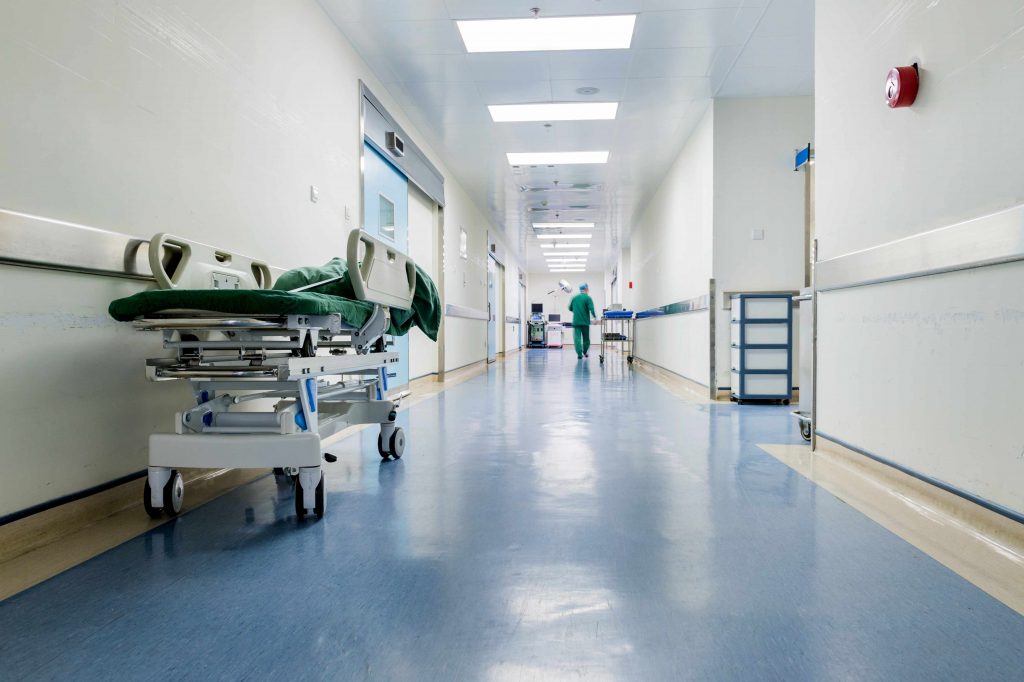
2.4 Corridors and Walkways
- Illuminance: 100–200 Lux.
- Lighting that is not overly bright but sufficient for safe movement by patients and staff.
- Color temperature: 3000–4000K (warm-neutral light).
This combination balances aesthetics, functionality, and comfort for those passing through these areas.
3. Benefits of Adopting Hospital Lighting Standards
- Enhancing the performance of medical staff: An optimized lighting environment minimizes errors and facilitates more precise actions.
- Improving patient experience: A well-designed lighting system can reduce stress and provide patients with greater peace of mind during their stay.
- Saving energy: Using LED lights and smart technologies reduces operational costs while protecting the environment.

4. Considerations When Designing Hospital Lighting
- Avoid glare: Use anti-glare lamps or diffusers to minimize eye strain.
- Careful placement of lights: Ensure even distribution of light, avoiding dark spots or overly bright areas.
- Choose high-quality equipment: Opt for lights from reputable suppliers to ensure durability and performance.
5. Barrisol translucent ceiling is an optimal solution for healthcare spaces
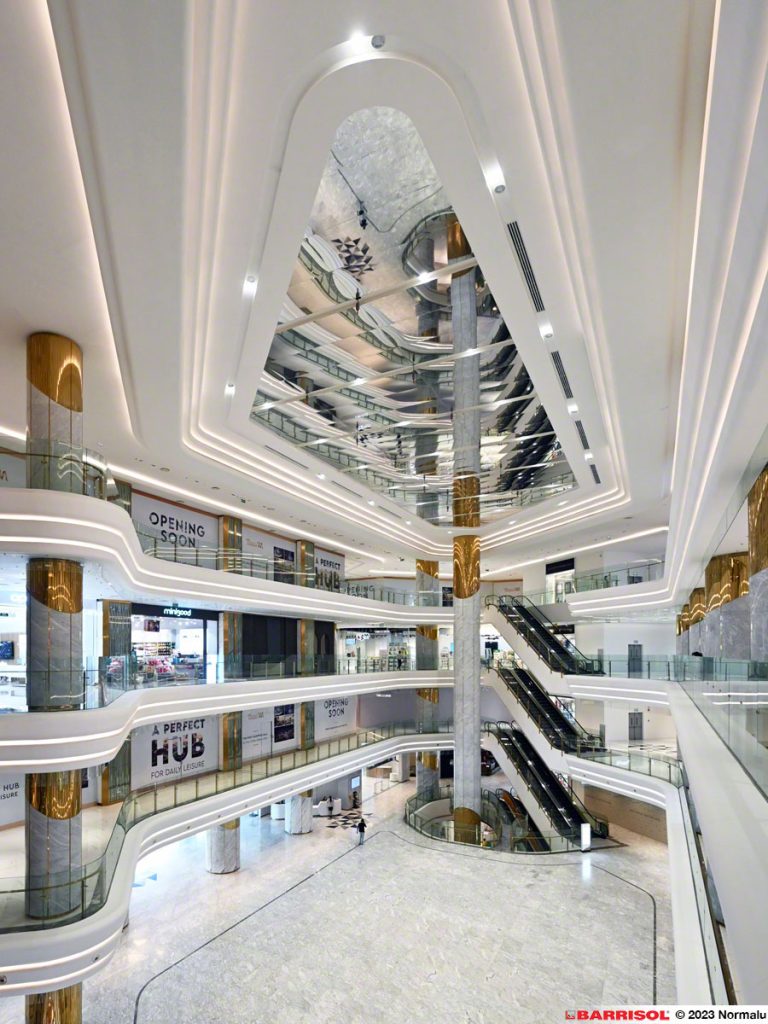
Not only does it bring a modern aesthetic, but Barrisol translucent ceilings also meet strict safety and performance requirements. With excellent fire resistance, this product is certified to comply with fire prevention and firefighting standards (PCCC), ensuring maximum protection for sensitive areas such as hospitals, operating rooms, and emergency rooms. Barrisol ceilings also have good soundproofing and thermal insulation properties, creating a comfortable and effective medical environment. This system is easy to install and maintain, while also enhancing the space’s elegance and providing a relaxing atmosphere for patients.
6. Conclusion
Hospital lighting standards are more than just technical figures; they carry profound humanitarian significance. A compliant lighting system improves healthcare service quality, supports patient recovery, and optimizes the performance of medical staff. Invest wisely to make lighting the “key” to unlocking a perfect healthcare environment.
——
For further consultation, please contact Zegal Vietnam using the information below:
Zegal Hanoi
112 Vo Chi Cong, Nghia Do Ward, Cau Giay District, Hanoi
Zegal Ho Chi Minh
319 – C9 Ly Thuong Kiet, Ward 15, District 11, Ho Chi Minh City
Hotline: +84969 14 6688