

In a living space, lighting design goes beyond simply arranging lights to ensure sufficient illumination. It plays a crucial role in determining the aesthetics, ambiance, and functionality of the space. Proper lighting has the power to transform spaces, highlight or conceal interior details, and set different moods. Here are five essential standards for creating a perfect living space through lighting.
1. Distributing light evenly
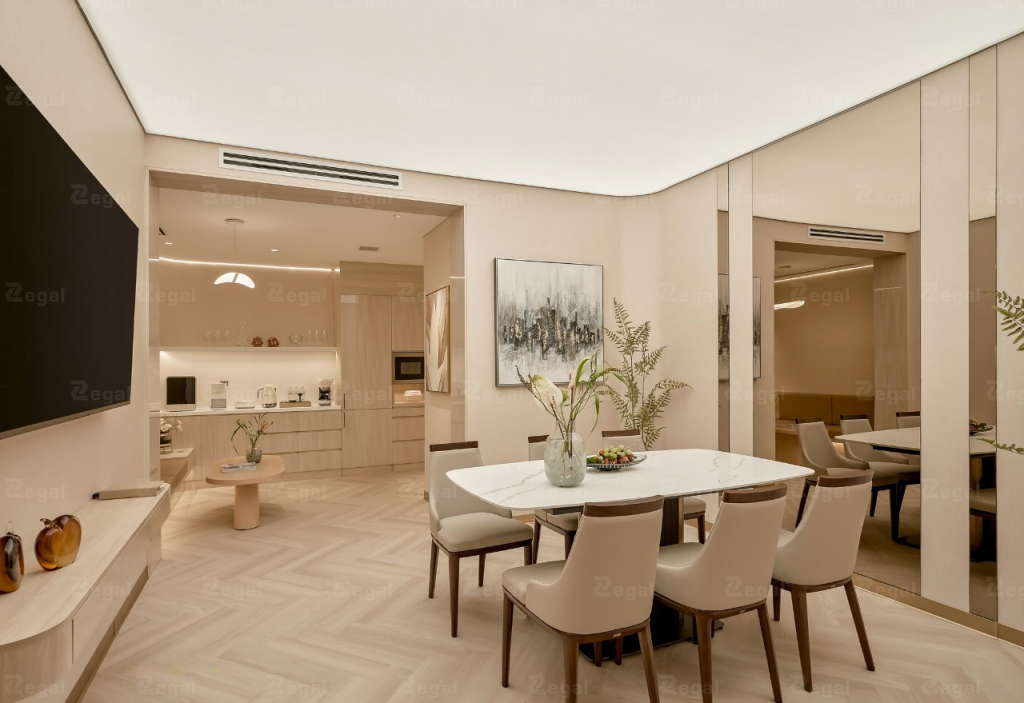
The most fundamental standard in lighting design is ensuring even and appropriate light distribution. Uneven lighting can cause discomfort, forcing the eyes to adjust constantly and leading to fatigue. Combining general lighting from primary sources and accent lighting from supplementary fixtures is essential.
- Primary light sources include ceiling lights or downlights to illuminate the entire space.
- Supplementary light sources like table lamps, wall lights, or decorative lights provide highlights and targeted illumination.
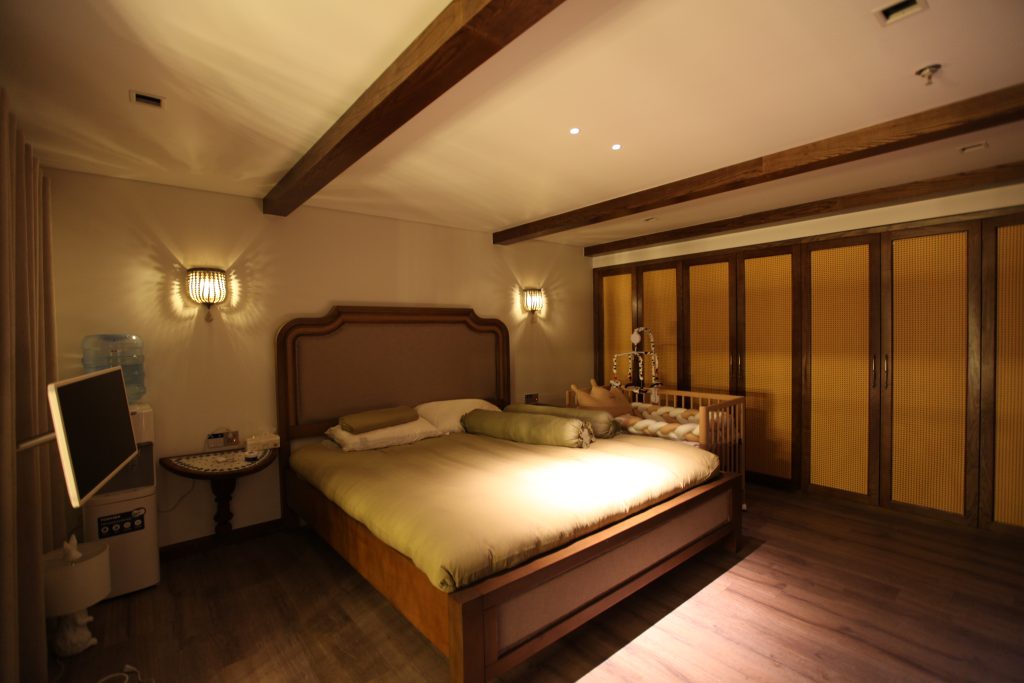
Proper light distribution also considers factors such as wattage, color temperature, and the purpose of each area. For example, living rooms require strong, even lighting, while bedrooms benefit from softer lighting for a warm and relaxing atmosphere.
2. Choosing the right color temperature
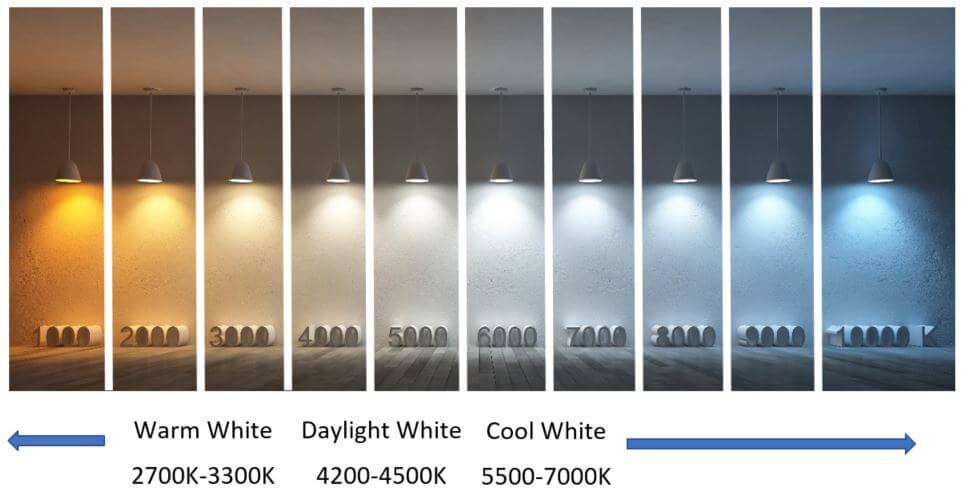
Color temperature significantly affects human emotions and experiences. Each temperature range creates a distinct effect.
- Warm yellow light (2700k–3000k) suits cozy spaces like bedrooms, living rooms, or dining areas, promoting relaxation and warmth.
- Neutral white light (3500k–4500k) is ideal for work or study areas, enhancing focus and productivity.
- Cool white light (5000k–6500k) works well in industrial spaces, offices, or areas requiring precision, such as kitchens.
Selecting the appropriate color temperature ensures that each room serves its intended purpose effectively.
3. Creating accents and unique styles
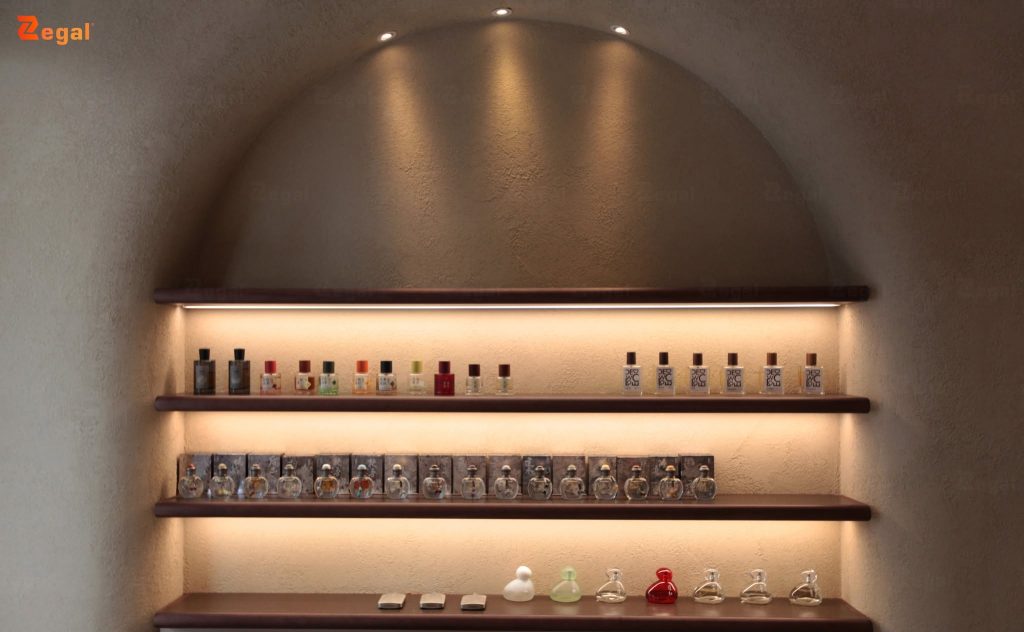
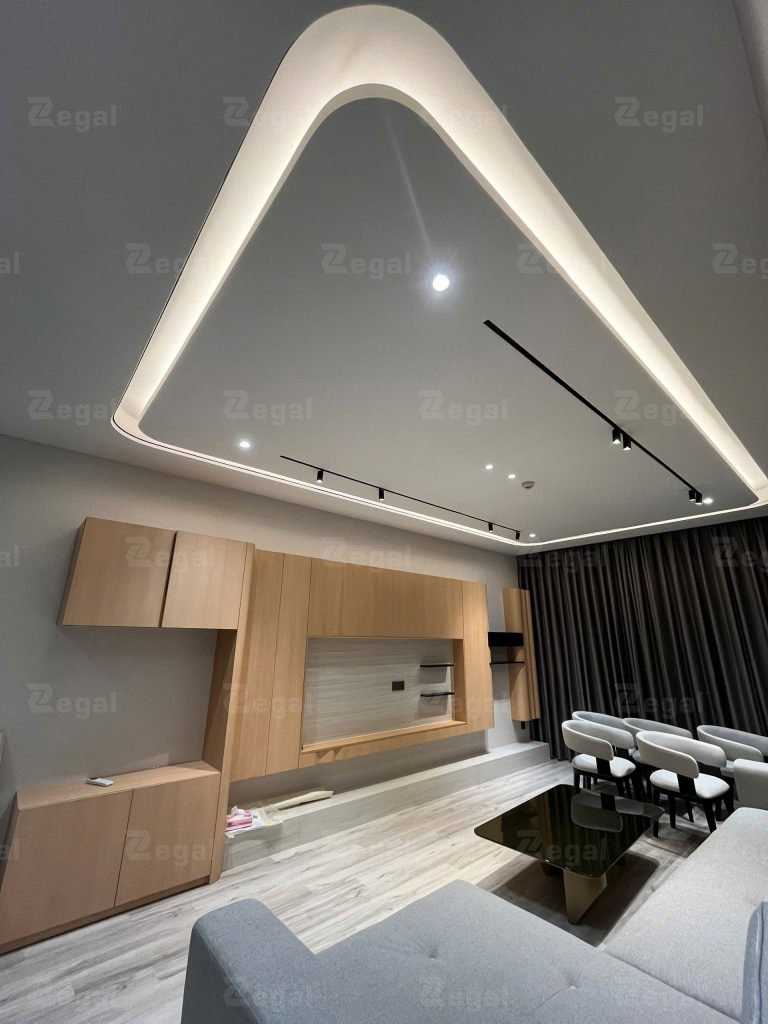
Lighting is not only functional but also an integral part of interior design, contributing to the style and focal points of a space. Choosing fixtures that align with the overall decor creates harmony and enhances aesthetics.
- Minimalist spaces benefit from sleek, neutral-colored lighting fixtures.
- Classic interiors are elevated with crystal chandeliers or vintage-style lamps.
- Outdoor spaces can use appropriate lighting to highlight gardens or balconies, enhancing safety and beauty.
4. Ensuring energy efficiency and sustainability
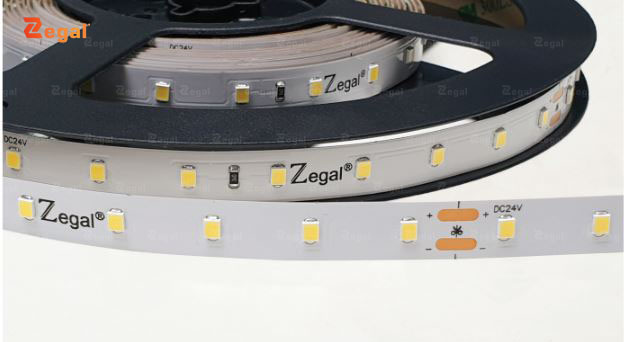
Modern lighting design emphasizes energy efficiency and sustainability. Replacing traditional bulbs with LED lights reduces energy consumption significantly.
- Led lights consume less energy and have a lifespan of up to 50,000 hours, minimizing maintenance and replacement costs.
- Smart lighting systems, including motion or natural light sensors, automatically adjust light intensity based on needs, avoiding unnecessary energy use.
Combining these technologies with thoughtful design creates eco-friendly and efficient living spaces.
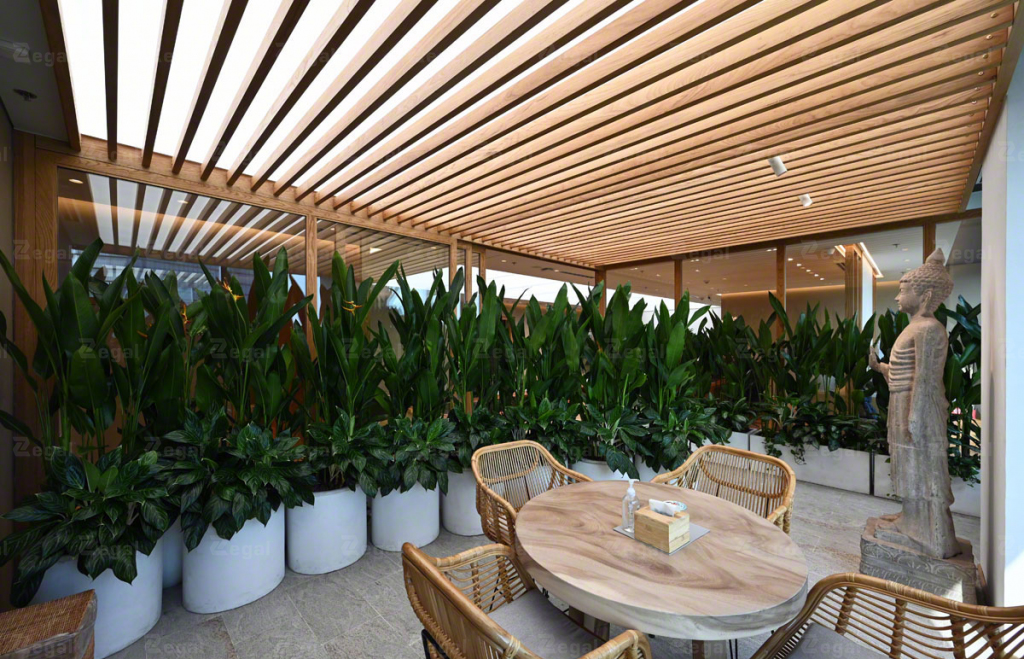
5. Prioritizing safety and convenience
Safety is crucial in lighting design, especially in areas like kitchens or bathrooms where higher safety standards are necessary. Electrical systems and lighting fixtures should meet technical standards to avoid accidents.
Modern lighting systems also enhance convenience. Remote-controlled lighting or smart home integrations allow users to adjust brightness or switch lights on and off, even when away from home.
6. Maximizing natural light
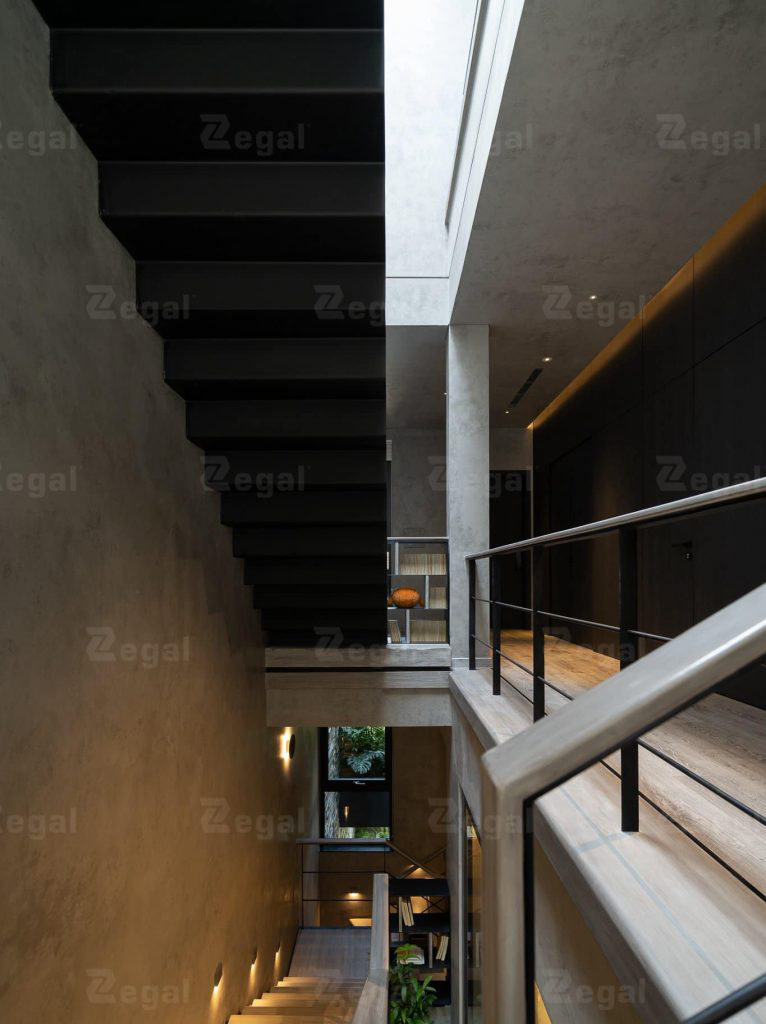
Incorporating natural light into living spaces complements artificial lighting. Natural light saves energy, provides ventilation, and positively impacts well-being. Large windows, sheer curtains, or strategically placed mirrors are effective ways to optimize natural light.
Combining natural and artificial light ensures a balanced, functional, and aesthetically pleasing environment.
Conclusion
Lighting design is an art that blends technology, aesthetics, and functionality. To create the perfect living space, carefully consider light distribution, color temperature, design style, energy efficiency, and safety. A well-lit environment not only enhances comfort but also adds aesthetic and functional value to the home.
For further consultation, please contact Zegal Vietnam:
Zegal Hanoi
112 Vo Chi Cong, Nghia Do Ward, Cau Giay District, Hanoi
Zegal Ho Chi Minh
319 – C9 Ly Thuong Kiet, Ward 15, District 11, Ho Chi Minh City
Hotline: +84969 14 6688