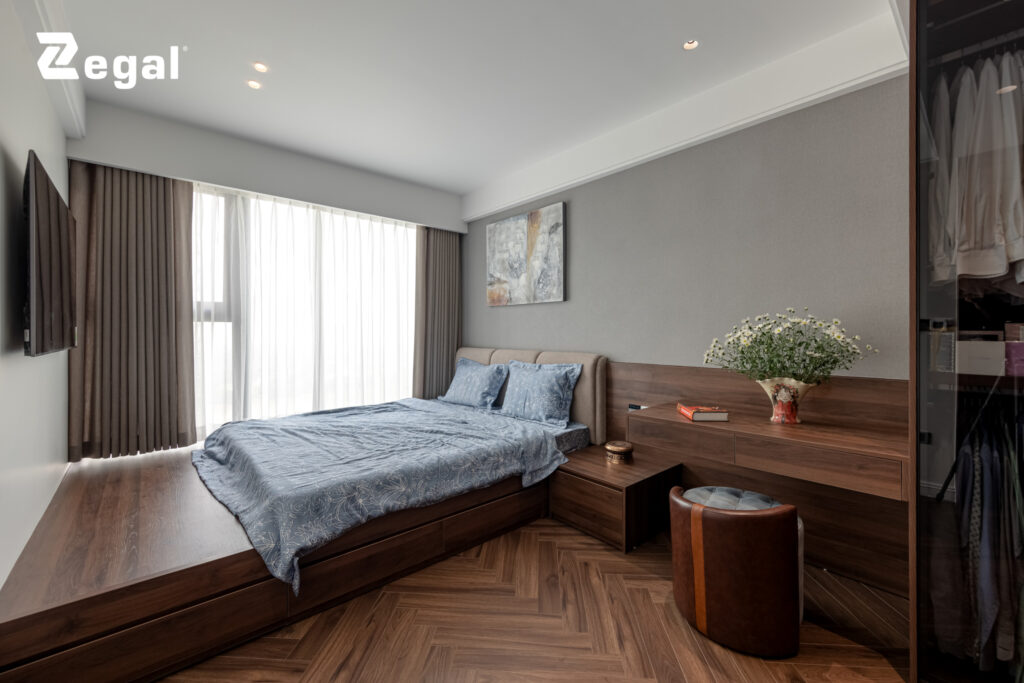


Light pollution is becoming a growing issue in modern cities. The more widespread artificial lighting becomes, the more carefully it must be controlled to avoid glare, light spill, wasted luminous flux, and negative impacts on human circadian rhythms.
When the true nature of light is properly understood, designers can optimize lighting for its intended purpose while maintaining visual safety and spatial quality.
1. What is light pollution?
Light pollution describes the condition in which artificial light exceeds actual needs or is directed incorrectly. This results in glare, light trespass, and visual discomfort, disrupting the eye’s ability to adapt. Spaces lose their natural contrast, urban skies are obscured by luminous haze, and ecosystems are forced to adapt to unnatural lighting cycles.
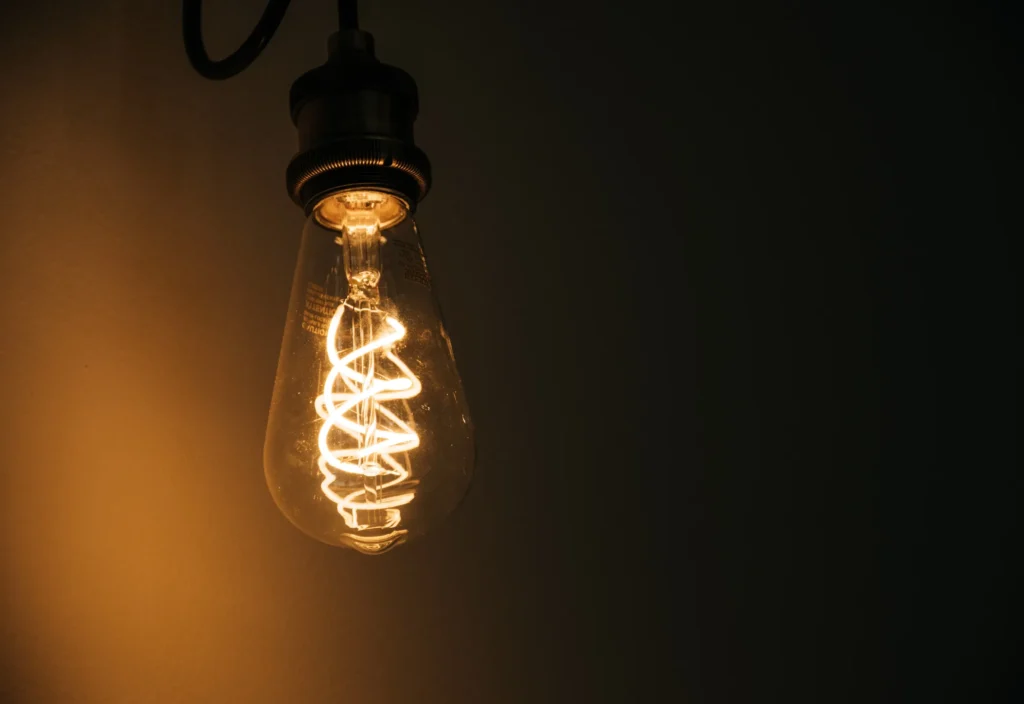
In architectural lighting, light does more than provide visibility; it shapes perception and emotion. Therefore, light distribution must be based on technical parameters such as CCT, CRI, UGR, and photometric distribution curves. Errors in these parameters are direct causes of light pollution.
2. The optical nature of light pollution
Light pollution originates from poor optical control. When a light source has an overly wide distribution curve or its beam is not properly limited by reflectors or optical components, light escapes beyond the intended area. High UGR values force the visual system to constantly adjust, leading to discomfort.
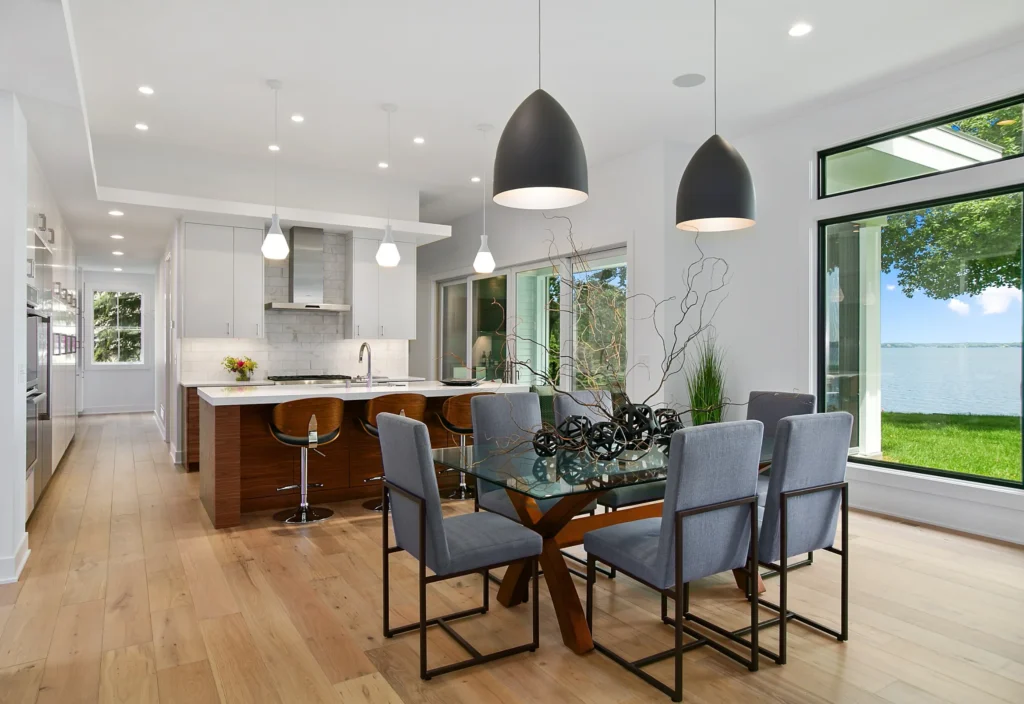
If CRI is too low, the eye loses its ability to perceive natural colors. If CCT is too cold for the context, the light becomes overly stimulating. These mismatches are common in both residential and commercial spaces today.
Optical principles consistently show that appropriate lighting relies on the balance between illuminance, luminance, and visual guidance. When this balance is disrupted, light pollution emerges.
3. Common causes of light pollution
3.1 Incorrect beam direction in interior design
Luminaires placed incorrectly, installed inconsistently, or specified with excessive wattage cause light to miss its intended target. For example, using a 15 degree spotlight in a space that requires wide distribution leads to light spilling onto ceilings and walls, reducing contrast and causing visual clutter.
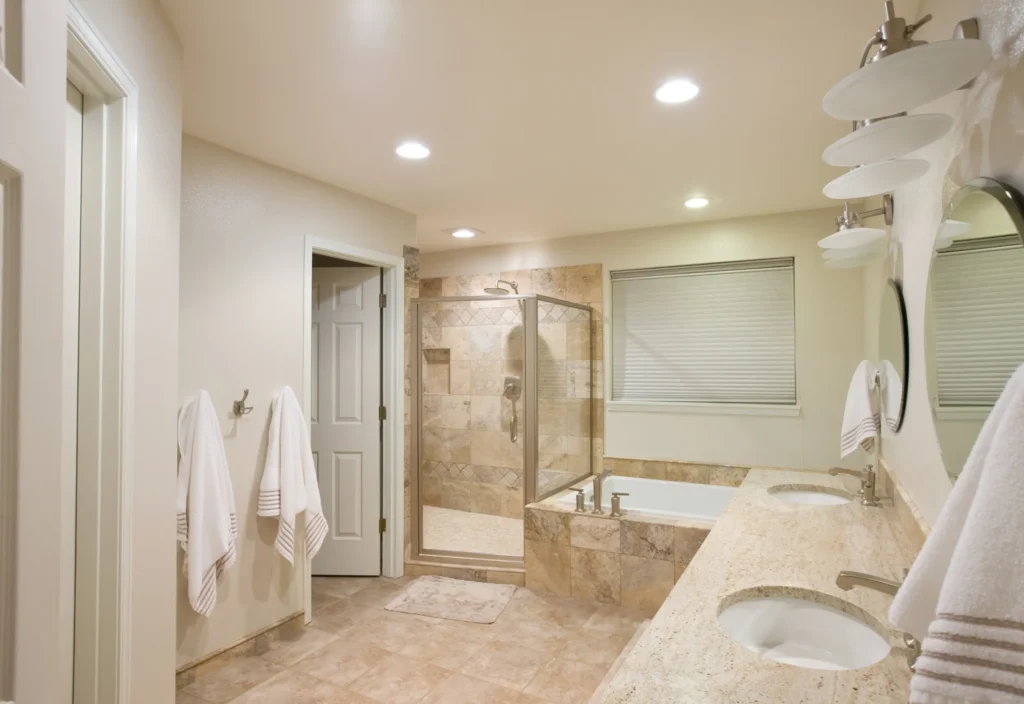
3.2 Excessive glare beyond acceptable UGR limits
In office environments, UGR must remain low to prevent eye strain. Luminaires with large exposed emitting surfaces and no cut off structures produce direct glare and significantly contribute to light pollution.
3.3 Inappropriate CCT for the context
Overly cool light disrupts circadian rhythms in the evening. Excessively warm light reduces visual clarity in spaces that require precision. Selecting the wrong CCT is a primary reason spaces feel visually uncomfortable and emotionally misaligned.
3.4 Overspecifying power for small areas
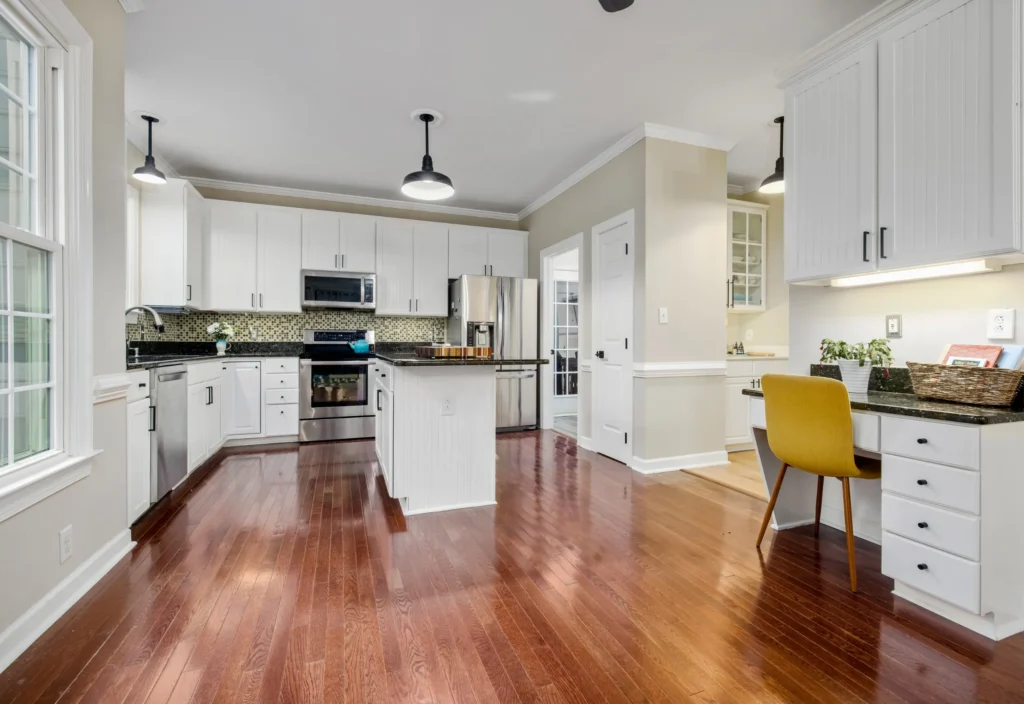
Using high power luminaires in limited spaces creates excessive illuminance. The eyes become overstimulated and the space feels harsh and rigid. This is a common form of light pollution in residential settings.
4. Impacts of light pollution on people and the environment
Light pollution directly affects quality of life. Melatonin production is suppressed in the evening, making relaxation difficult and disrupting sleep. Poor sleep quality leads to long term health decline. In work environments, excessive glare reduces concentration and productivity.

Environmentally, skyglow obscures natural night skies and disrupts astronomical observation. Wildlife becomes disoriented by artificial lighting, affecting migration and behavioral patterns. These effects highlight how uncontrolled lighting disturbs natural balance.
5. Common lighting design mistakes that lead to light pollution
The most frequent mistake is prioritizing brightness over light quality. Increasing wattage is often mistaken as a solution for dark spaces, but in reality it creates glare. Another common error is choosing luminaires based on appearance rather than photometric performance. When optical distribution does not match function, light becomes chaotic.
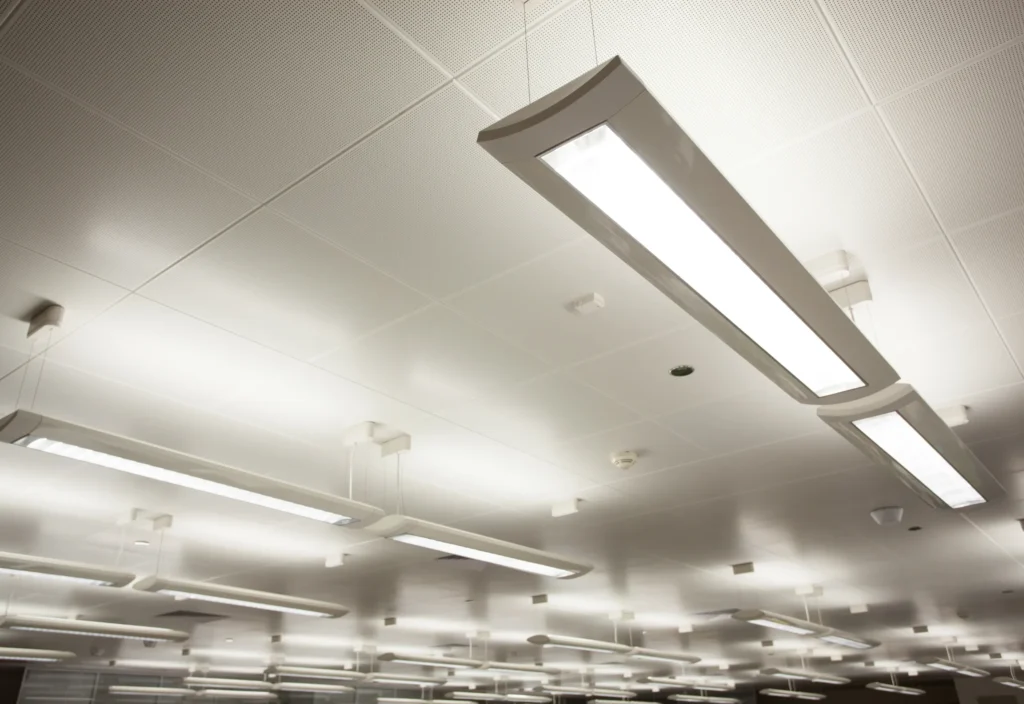
Ignoring CRI is another major oversight. Low CRI distorts surface perception and forces the eyes to work harder, leading to rapid visual fatigue.
6. Solutions to reduce light pollution in residential and commercial projects
6.1 Control light distribution
Use optical accessories such as louvers and lenses to manage beam angles. This effectively reduces glare and keeps luminous flux where it is needed. Properly directed light results in cleaner and more comfortable spaces.
6.2 Select CCT and CRI based on function
Residential spaces benefit from warmer light. Offices require neutral tones to support alertness. High CRI ensures accurate color rendering and adds spatial depth.
6.3 Reduce glare from emitting surfaces
Luminaires with deep reflectors help lower UGR, improving long term visual comfort. This is especially critical in workspaces and showrooms.
6.4 Apply smart lighting controls
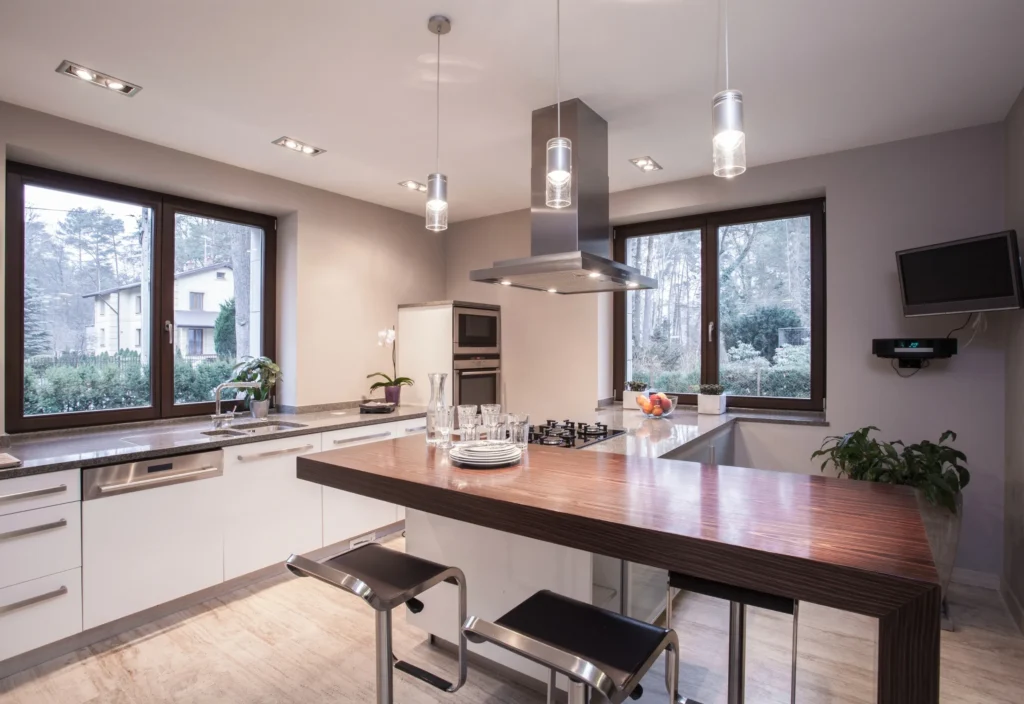
Dimmers and sensors reduce output when full brightness is unnecessary. Light appears only when occupants are present and fades when spaces are vacant. This approach lowers energy consumption and significantly reduces light pollution.
7. Conclusion
Light pollution is the result of inadequate control in lighting design and operation. When optical parameters are managed correctly, light enhances spatial quality instead of disrupting visual comfort. This forms the foundation for harmonious interaction between architecture, interior design, and lighting, creating balanced and sustainable experiences.
——
For further consultation, please contact Zegal Vietnam using the information below:
Zegal Hanoi
112 Vo Chi Cong, Nghia Do Ward, Hanoi
Zegal Ho Chi Minh
319–C9 Ly Thuong Kiet, Phu Tho Ward, Ho Chi Minh City
Hotline: +84969 14 6688