

Brightness level is one of the key factors to consider when designing lighting for different areas of the home. Each space requires a different level of illumination depending on its function, activities, and visual needs.
Therefore, designing a lighting system according to standards for each area of the house is crucial to ensuring comfort, safety, and enhancing the aesthetic value of the living space.
1. What is the Illumination Level ?
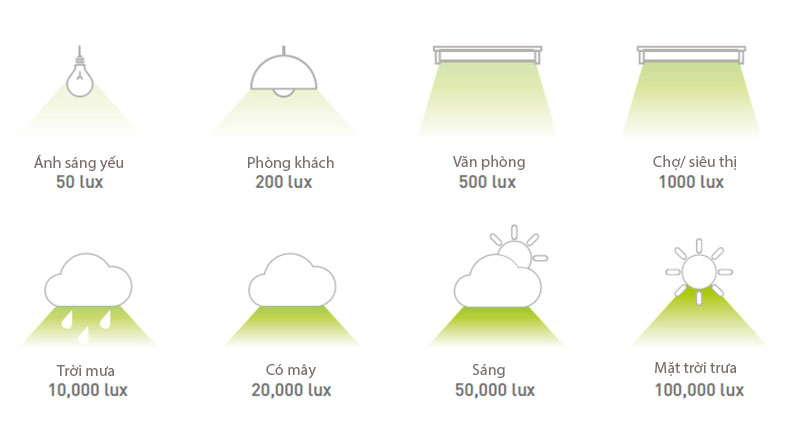
The illumination level is measured in Lux (lx), representing the amount of light distributed over a given area. Each area of the house will have different illuminance requirements depending on its function.
2. Standard Brightness Level for the Living Room
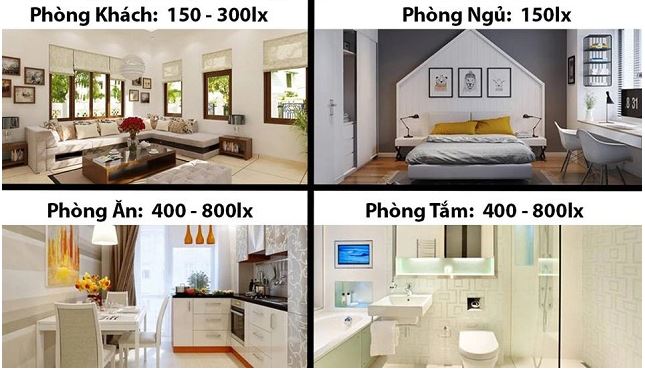
2.1. Living Room
The living room is the common living space, for entertaining guests and relaxing for the family.
Recommended illuminance: 150 – 300 Lux
To create a warm and luxurious feel, combine multiple layers of lighting such as:
- General lighting from recessed or pendant lights
- Accent lighting from cove lighting, picture lights, or decorative light
- Indirect lighting to add depth to the space
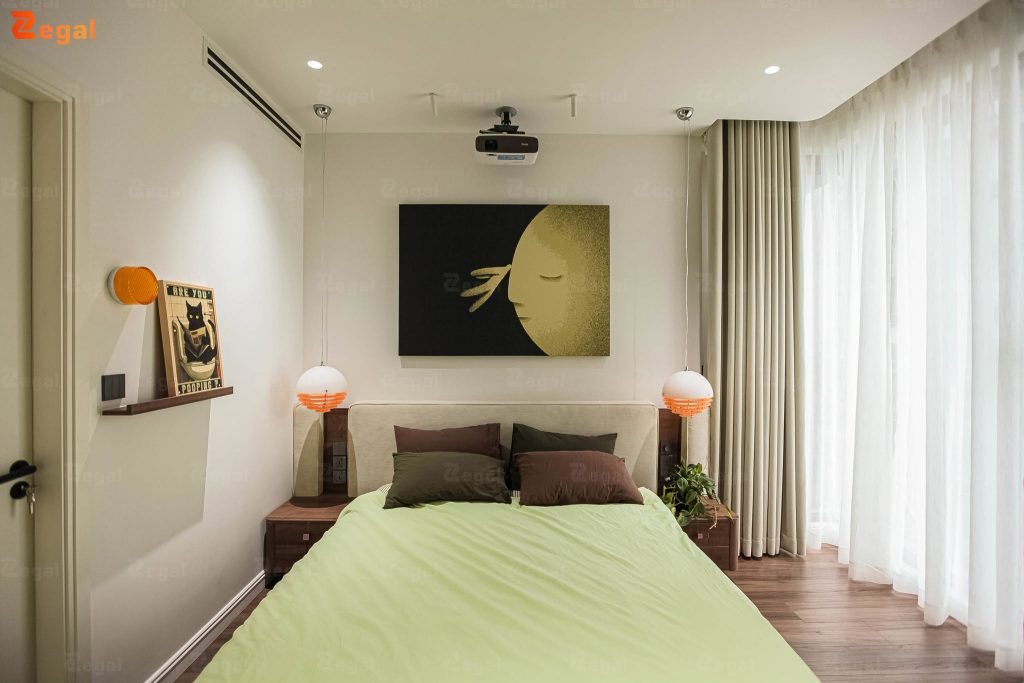
2.2. Bedroom
The bedroom needs to provide a relaxing and comfortable feeling.
Recommended illuminance: 100 – 200 Lux
The headboard or dressing table area can have additional lighting with higher illuminance to serve reading or personal care needs.
Warm yellow light from 2700K – 3000K is preferred to create a relaxing atmosphere and support sleep.
2.3. Kitchen
This area requires high precision in food preparation.
Recommended illuminance: 300 – 500 Lux
Areas such as kitchen countertops, preparation areas, or kitchen islands need focused lighting to minimize shadows and increase safety.
Recommended illuminance: 150 – 300 Lux
Pendant lights above the dining table are a popular choice to create an aesthetic focal point and enhance the connection within the space.
2.4. Home Office
A home office requires sufficient lighting to maintain concentration.
Recommended illuminance: 300 – 500 Lux
Desks should be supplemented with desk lamps or localized lighting to reduce eye strain during long work sessions.
2.5. Bathroom
Bathrooms need clear lighting to ensure safety and convenience.
Recommended illuminance: 200 – 300 Lux
Specifically, the mirror area should have an illuminance of 300 – 500 Lux to support activities such as applying makeup or shaving.
2.6. Hallways and Staircases
These are indoor traffic areas, so sufficient lighting is essential for safe movement.
Recommended illuminance: 100 – 150 Lux
Motion-activated lights or recessed LED stair lights can be used to enhance convenience and save energy.
2.7. Gardens and Outdoor Areas
Outdoor lighting serves both navigational needs and architectural highlights.
Recommended illuminance: 50 – 150 Lux
Combining garden lights, in-ground lights, tree uplights, and facade lighting will make the building stand out at night.
Learn more about modern lighting design criteria for 2026 here.
3. Factors Affecting Lighting Levels
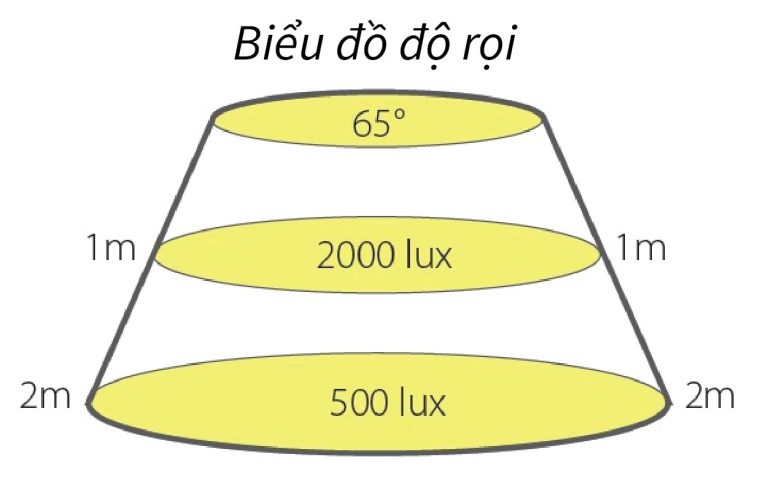
Not every space requires a fixed Lux level. When designing lighting, factors such as:
- Space area
- Interior colors and finishing materials
- Ceiling height
- Natural light sources
- Purpose of each area
Especially in villas, luxury apartments, or smart homes, smart lighting control systems like DALI or KNX can help adjust brightness flexibly according to time and usage needs.
4. Modern Lighting Design Trends
Today, lighting is not just about providing light, but also plays a crucial role in architectural and interior design.
Notable trends include:
Layered Lighting
Human-Centric Lighting
Smart Lighting Control
Indirect Lighting to Create Spatial Depth
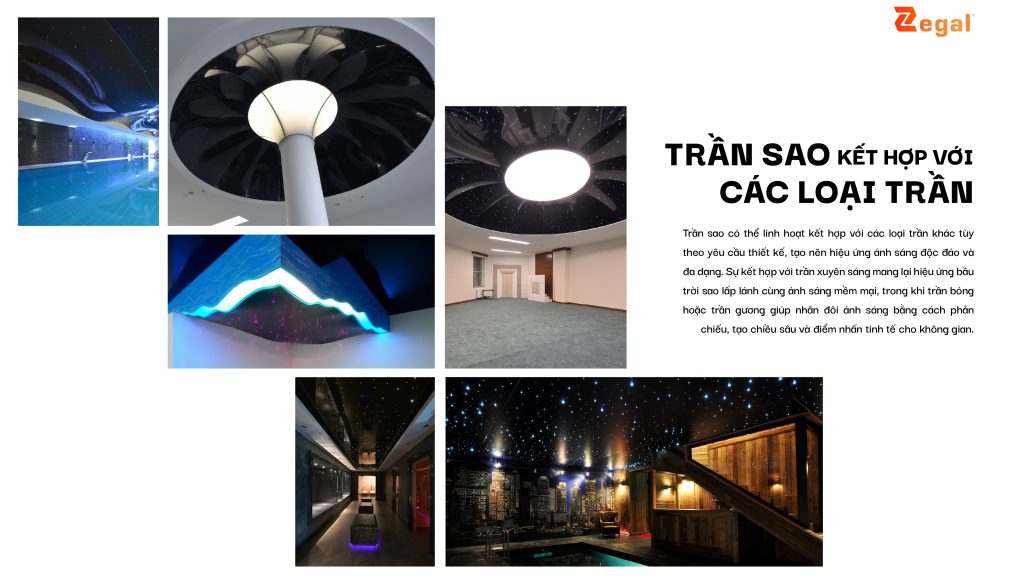
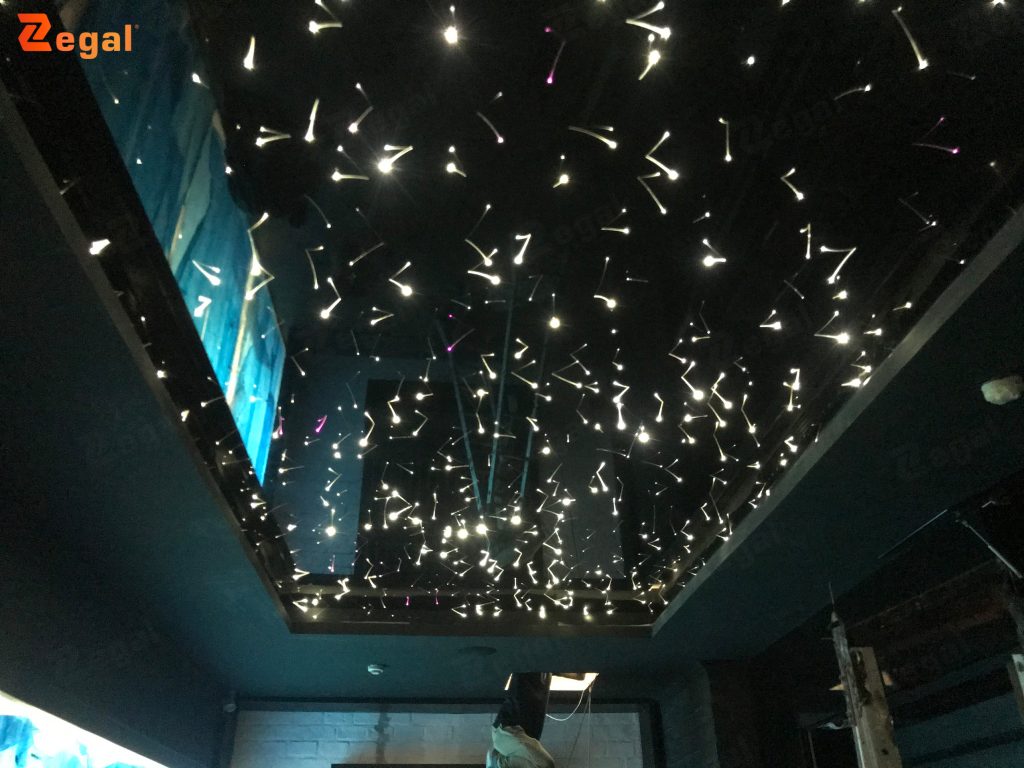
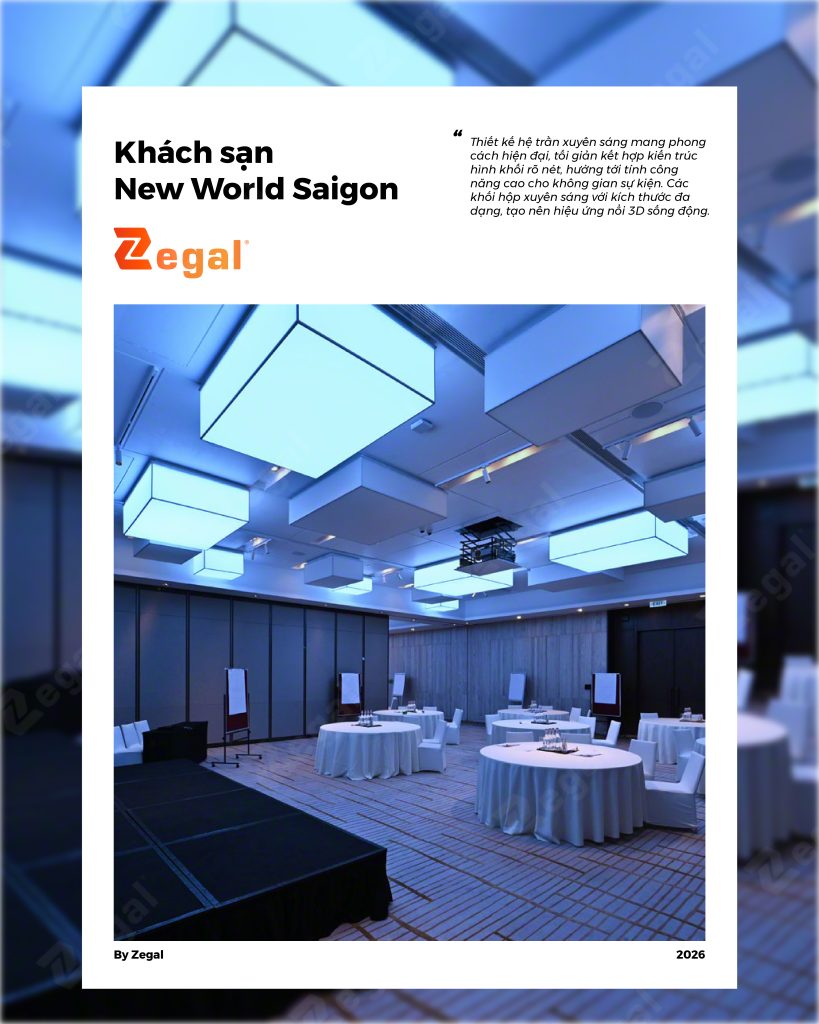
Combining Translucent Ceilings and Modern LED Lighting Systems
These solutions help create luxurious, comfortable spaces and optimize the user experience.
Learn more about translucent ceilings – a top-tier material solution in modern lighting design here.
5. Conclusion
Choosing the right level of lighting for each area of the house is a crucial factor in improving quality of life, protecting eyesight, and enhancing the aesthetic value of the building. A well-designed lighting system not only meets functional needs but also contributes to creating a unique atmosphere and personality for each space.
If you are looking for professional lighting design and installation solutions for your home, villa, or high-end project, combining lighting design, smart control technology, and modern materials such as translucent ceilings will deliver outstanding results in both functionality and aesthetics.
Contact Zegal today for advice on the right lighting solution for your project.
——
For further consultation, please contact Zegal Vietnam at the information below:
Zegal Hanoi
112 Vo Chi Cong Street, Nghia Do Ward, Hanoi
Zegal Ho Chi Minh City
319 – C9 Ly Thuong Kiet Street, Phu Tho Ward, Ho Chi Minh City
Hotline: 0969 14 6688