

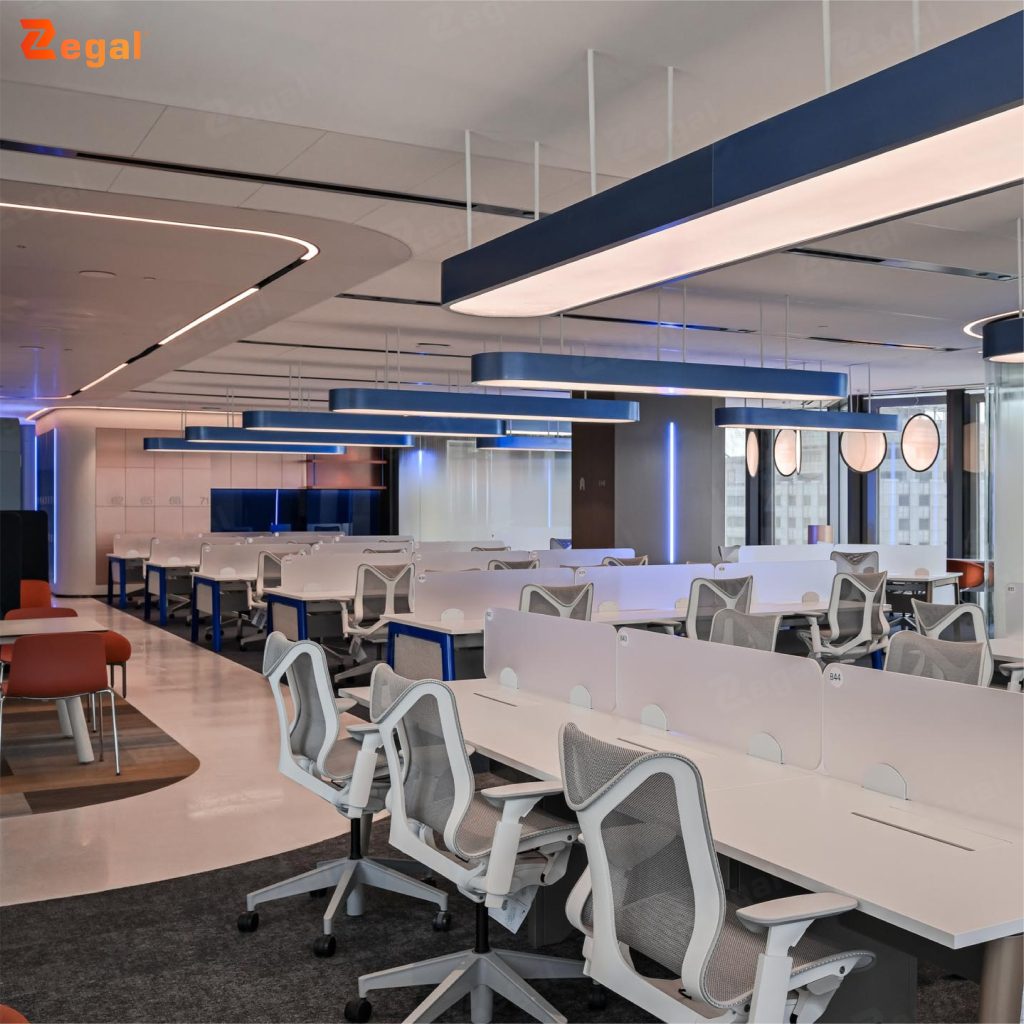
In modern architectural and interior design, stretch ceilings—or “translucent ceilings”—are increasingly being used in residential homes, offices, showrooms, hotels, and commercial centers. Beyond providing uniform illumination, these ceiling systems offer vast creative possibilities in terms of shape, color, and decorative imagery.
However, to ensure a stretch ceiling is aesthetically pleasing, durable, and meets all technical requirements, selecting a reputable installation provider is crucial. So, what are the advantages of stretch ceilings, what does the installation process entail, and what should you keep in mind when choosing a contractor?
1. What is a stretch ceiling?
A stretch ceiling is a decorative ceiling system that utilizes a specialized, light-transmitting PVC membrane, combined with an LED lighting system positioned behind it. When the lighting is activated, light passes through the membrane, creating a uniform, luminous effect across the entire ceiling surface.
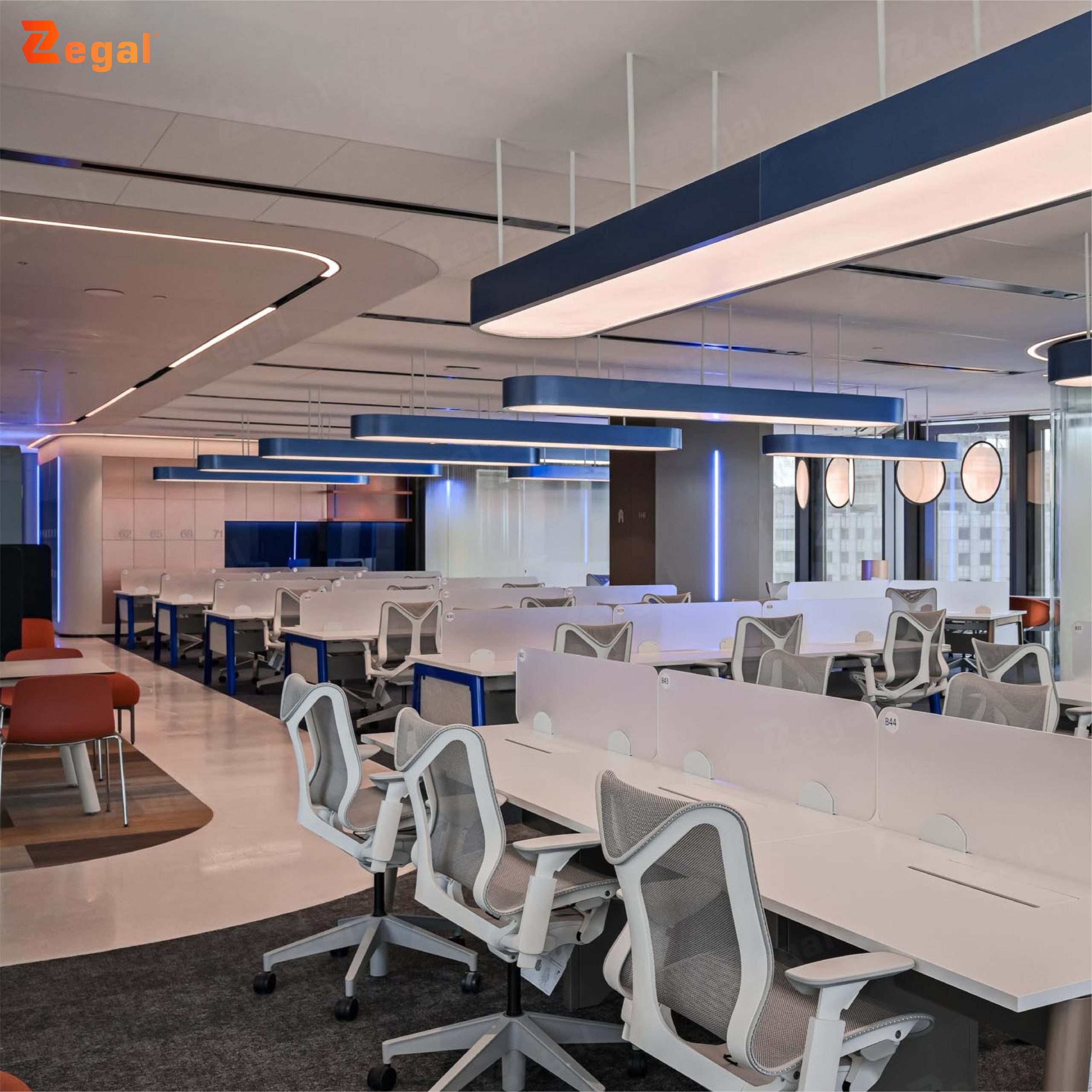
Unlike traditional ceilings, translucent (light-permeable) ceilings do more than just finish an architectural surface—they also function as an integral part of an interior lighting system. Depending on the intended use and design style, these ceilings can be implemented in various forms:
Monochromatic translucent ceilings: Create a minimalist, luminous surface, ideal for modern spaces.
Printed translucent ceilings: Utilize printing technology to display patterns, logos, or brand imagery on the translucent membrane.
3D translucent ceilings: Feature complex shapes, curves, and multi-dimensional spatial effects.
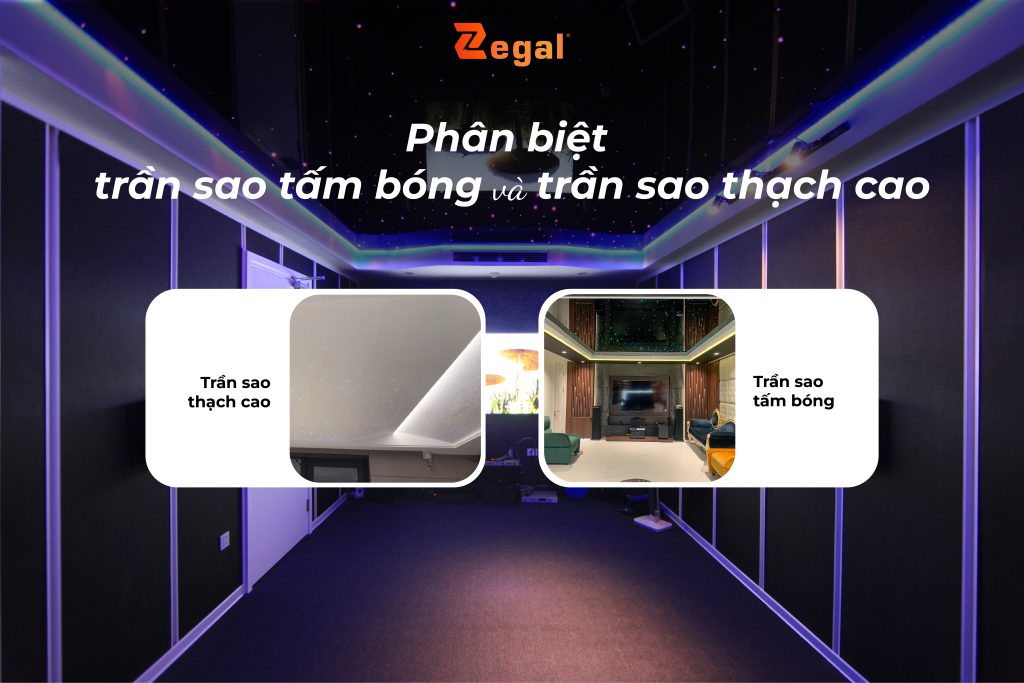
Starry-sky ceilings: Incorporate optical fibers to replicate the appearance of a starry night sky.
2. Why choose translucent ceilings for projects in Hanoi?
Hanoi is home to a high concentration of architectural, commercial, and service-oriented projects that demand exceptional aesthetics. In this context, translucent ceilings have become a preferred choice for developers and architects, as they seamlessly combine lighting with decorative elements.
2.1. Optimized lighting efficiency
An LED system positioned behind the translucent membrane ensures light is distributed across a broad area, preventing it from being concentrated in a single spot. This results in a soft, uniform, and comfortable lighting effect throughout the space.
2.2. Enhanced architectural aesthetics
Translucent ceilings offer great flexibility in shaping—ranging from simple, flat surfaces to intricate designs featuring curves, tiered levels, or a combination of various geometric forms.
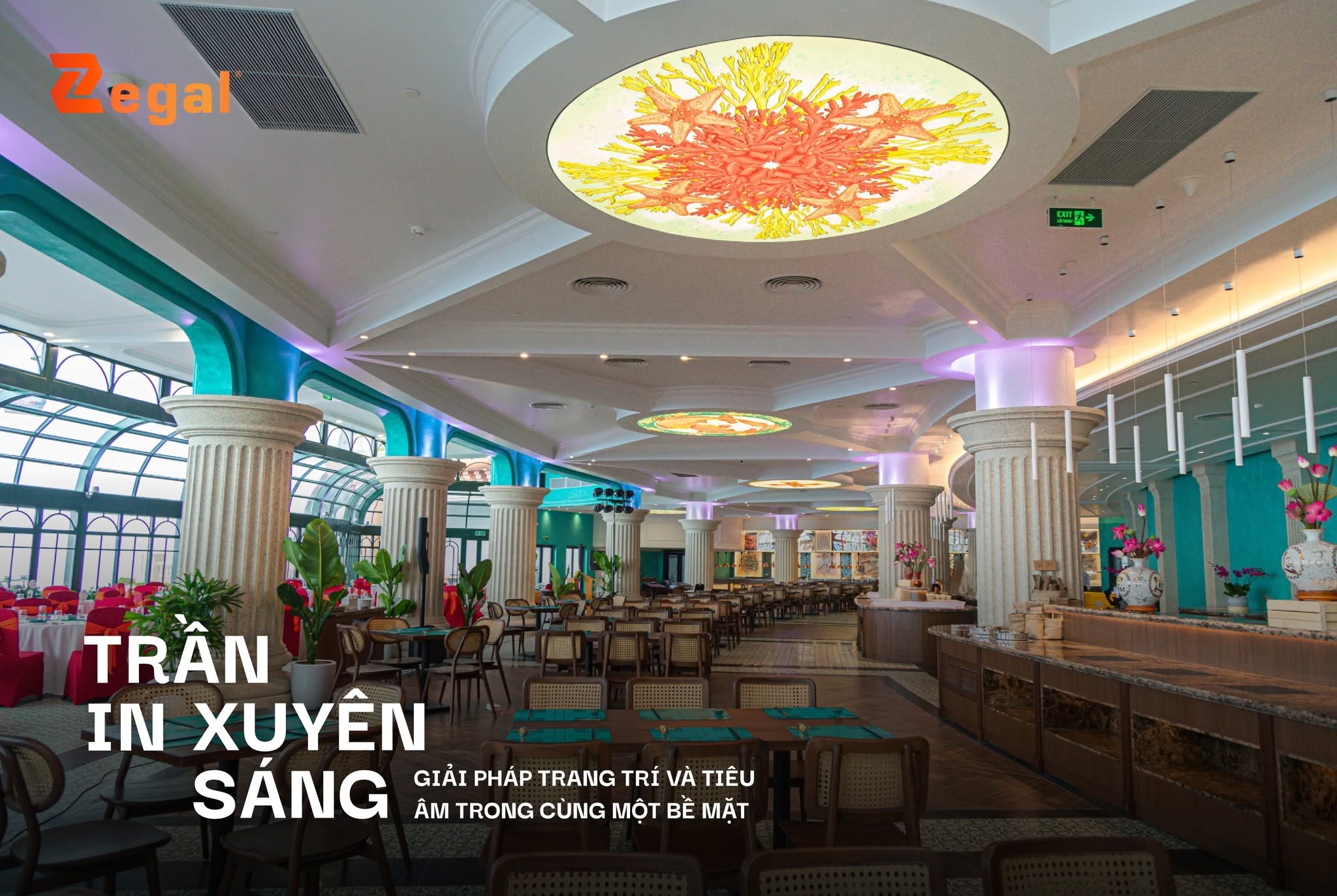
In particular, printed translucent ceilings allow for the display of custom imagery, enabling architects to create a unique focal point for any project.
2.3. Flexible integration with various design styles
From modern apartments and luxury villas to hotels, restaurants, and showrooms, translucent ceilings can be tailored—in terms of color, shape, and light intensity—to harmonize with the overall architectural design.
2.4. Seamless integration with smart control systems
The LED lighting system can be paired with lighting control solutions, allowing for adjustments to intensity, color temperature, or lighting effects based on the specific design requirements and equipment used.
3. Common types of translucent ceilings in Hanoi
Depending on functional needs, budget, and design vision, project owners can choose from a variety of translucent ceiling options.
3.1. Barrisol translucent ceilings
Barrisol is a renowned French brand of stretch ceilings, recognized for its specialized PVC membrane systems and diverse design solutions.
Barrisol translucent ceilings provide a uniform, luminous surface while supporting a wide range of architectural shapes and finishes. These products are frequently used in hotels, shopping centers, offices, and high-end spaces.
3.2. Printed translucent ceilings
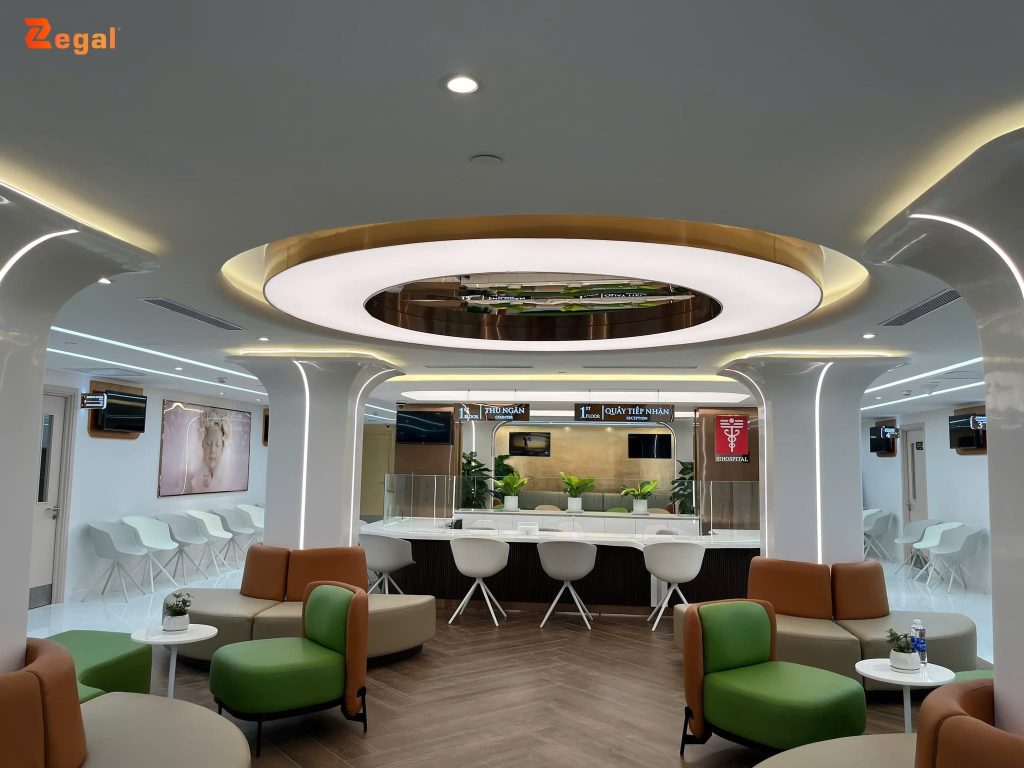
Printed translucent ceilings feature membranes customized with specific images, patterns, or motifs. This is an ideal choice for projects that aim to combine lighting with brand identity, such as showrooms, retail stores, restaurants, hotels, or reception lobbies.
3.3. 3D translucent ceilings
3D translucent ceilings utilize specialized framing systems to create surfaces defined by complex forms, curves, and multi-layered structures.
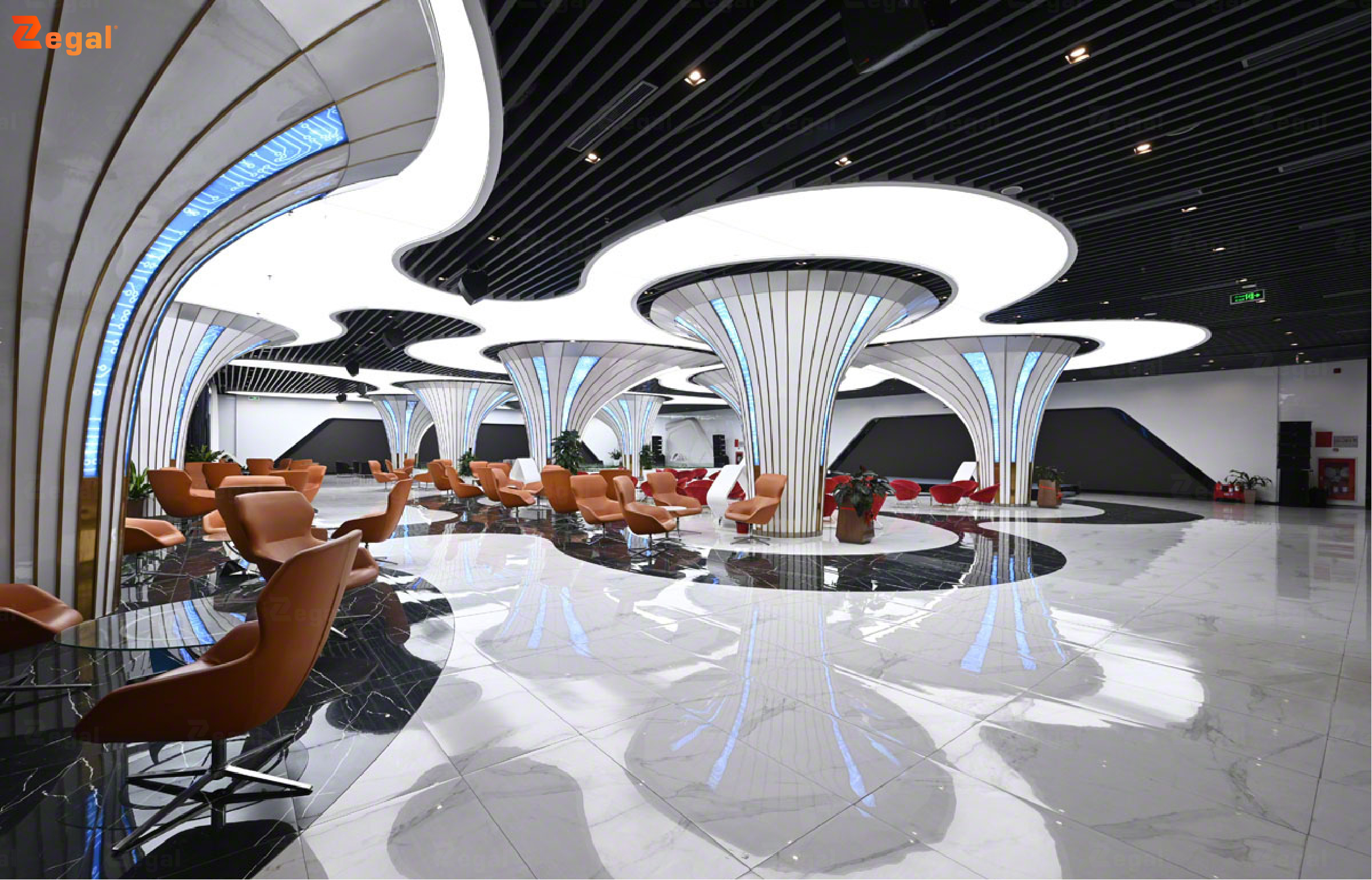
This solution enlivens the space, adds visual depth, and introduces a distinctive architectural touch.
3.4. Starry-sky ceiling
A starry-sky ceiling is a solution that combines translucent panels with a fiber-optic system to create an effect of light points resembling a night sky.
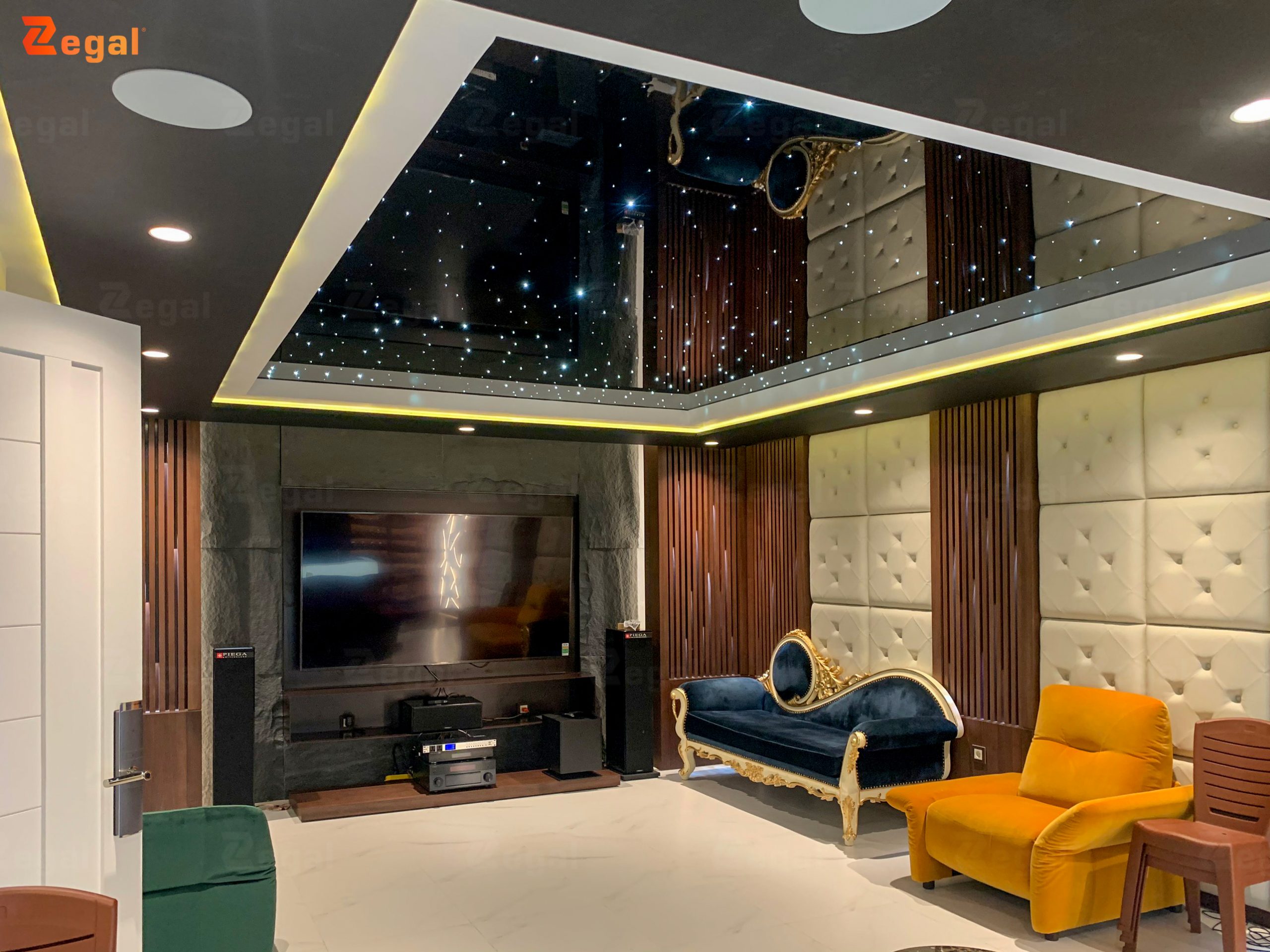
This type of ceiling is commonly used in bedrooms, entertainment rooms, villas, hotels, or any space where a unique visual experience is desired.
4. Professional Installation Process for Translucent Ceilings
A high-quality translucent ceiling project must be executed following a clear technical process, spanning from initial site assessment to final completion and inspection.
Step 1: Site Assessment
The installation team evaluates the area, ceiling height, existing ceiling structure, electrical systems, and other factors that may impact the installation. This information serves as the basis for determining the design approach, the placement of LED lights, and the required distance between the light source and the translucent membrane.
Step 2: Consultation and Design
Based on the client’s requirements, the installation team proposes the appropriate membrane type, color, shape, and lighting scheme. The design must clearly detail the framework structure, LED system, power supply, and other relevant technical specifications.
Step 3: Material Fabrication and Preparation
The translucent membrane is fabricated to match the actual dimensions and shape of the project. Simultaneously, the framework, LED lights, power supplies, and accessories are prepared according to the agreed-upon design.
Step 4: Installation of the Framework and Lighting System
The technical team secures the mounting framework, installs the LED lights, and connects the electrical system. During this stage, the spacing between LED strips, their density, and the uniformity of the light source must be carefully calculated to prevent visible LED “hotspots” or uneven light distribution (bright and dark patches).
Step 5: Membrane Tensioning and Completion
The translucent membrane is installed into the specialized framework, following precise technical procedures. Following this, the installation team inspects the membrane surface, tension, seams, and finishing details.
Step 6: Inspection and Acceptance
The system undergoes testing for operational functionality, light uniformity, color accuracy, and electrical safety before being handed over to the client.
5. Key Factors Determining the Quality of Stretch Ceiling Installations
Not all stretch ceiling projects yield the same results. The quality of the finished installation depends on a combination of several technical factors.
5.1. Quality of the Stretch Ceiling Membrane
The membrane must provide appropriate light transmission, feature a uniform surface, and meet the specific requirements of the project. Material selection should be based on design objectives, the installation environment, and relevant technical standards.
5.2. LED System and Layout Density
LEDs are the primary component determining the lighting performance of the ceiling system. If the LED density is too low or the spacing is improper, the membrane surface may exhibit uneven brightness—appearing as patches of light and shadow—or individual LED points may become visible.
Therefore, the type of LED, power output, layout spacing, and the distance between the LEDs and the membrane must be carefully calculated during the design phase.
5.3. Frame Structure and Installation Technique
The frame structure must be precisely shaped according to the design, ensuring the membrane is securely anchored and remains stable over time. For designs involving curves, rounded corners, or multi-level configurations, the requirements for precision in both fabrication and installation are significantly higher.
5.4. Competence of the Installation Contractor
A professional installation contractor does more than just perform the physical installation; they should also be capable of providing expert consultation, calculating lighting systems, addressing technical challenges, and offering post-handover maintenance support. This is a key factor in helping to minimize potential issues and ensuring that the project meets the quality standards of the original design.
6. What factors influence the cost of installing a stretch ceiling in Hanoi?
There is no fixed price for stretch ceiling installations, as costs vary from project to project based on the materials used, the scale of the project, and the complexity of the design.
Key factors affecting the price include:
Type of stretch ceiling membrane: Prices vary depending on whether the membrane is solid-colored, printed, or a specialized type.
LED lighting system: The choice between single-color LEDs, RGB, RGBW, or smart control systems will impact the total cost.
Installation area: The scale of the project and the number of areas requiring installation determine the quantity of materials and labor needed.
Design complexity: Flat ceilings are generally simpler to install than curved, 3D, or multi-level designs.
Site conditions: Factors such as ceiling height, installation location, and the existing structural framework may necessitate adjustments to the installation approach.
To obtain an accurate quote, clients should provide design drawings or request an on-site survey. This allows the installation team to precisely determine the required materials, technical approach, and final project costs.
7. Zegal – A reputable and professional stretch ceiling installation provider in Hanoi
With a technical team boasting over 14 years of experience in the fields of lighting and stretch ceilings, Zegal offers comprehensive design, consulting, and installation services for a wide range of projects.
As the exclusive authorized partner of Barrisol in Vietnam, Zegal provides stretch ceiling solutions featuring materials imported from France, integrated with LED lighting systems specifically engineered for the requirements of each individual project. Advantages of choosing Zegal:
Diverse solutions: Consultation and implementation of stretch ceilings (translucent, printed, or starlight), translucent wall systems, and architectural lighting solutions.
Quality materials: Provision of genuine Barrisol translucent membrane systems, along with materials tailored to specific design requirements.
Expert technical team: Highly experienced in site surveying, design, installation, and addressing technical challenges throughout the construction process.
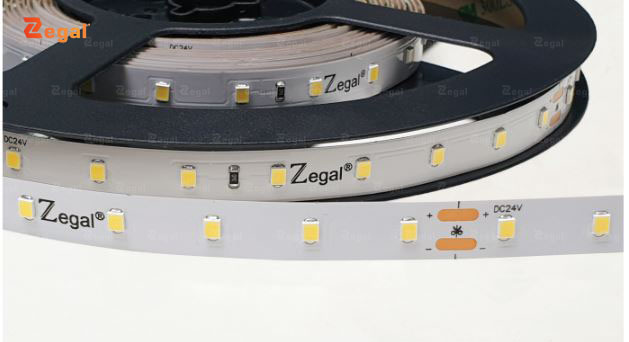
Specialized LED systems: Utilization of LED strip solutions designed to optimize light distribution across the membrane surface.
Warranty and after-sales support: Warranties of up to 10 years (depending on the category), with ongoing maintenance and cleaning services available subject to applicable terms.
Beyond aesthetics, Zegal focuses on creating ceiling systems that simultaneously meet requirements for lighting, functionality, and long-term durability.
For projects in Hanoi, Zegal provides comprehensive support—from site surveys and solution consulting to full-scale installation.
8. Contact us for translucent ceiling consultation and installation in Hanoi
A high-quality translucent ceiling system requires careful planning—from the selection of materials and the design of the lighting system to the precision of the installation. Partnering with an experienced provider ensures better control over the final quality and long-term performance of the installation.
If you are seeking translucent ceiling solutions in Hanoi for a residence, office, showroom, hotel, or commercial space, Zegal is ready to provide expert advice on options tailored to your project’s architecture and budget.
——
For further consultation, please contact Zegal Vietnam using the information below:
Zegal Hanoi
112 Vo Chi Cong, Tay Ho District, Hanoi
Zegal Ho Chi Minh City
319 – C9 Ly Thuong Kiet, Phu Tho Ward, Ho Chi Minh City
Hotline: 0969 14 6688