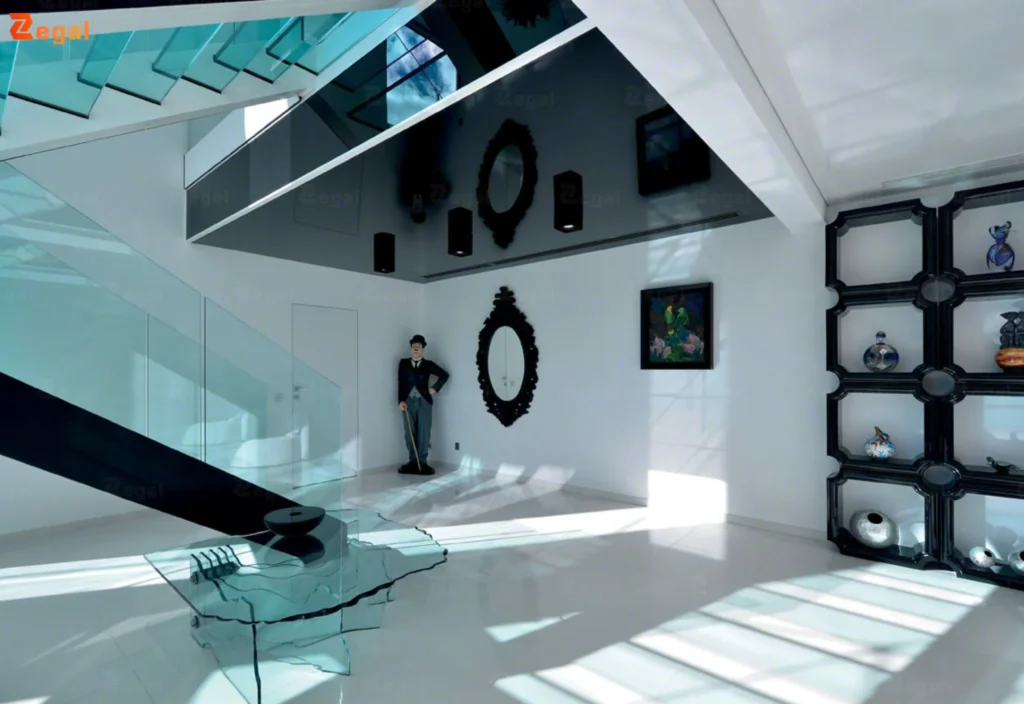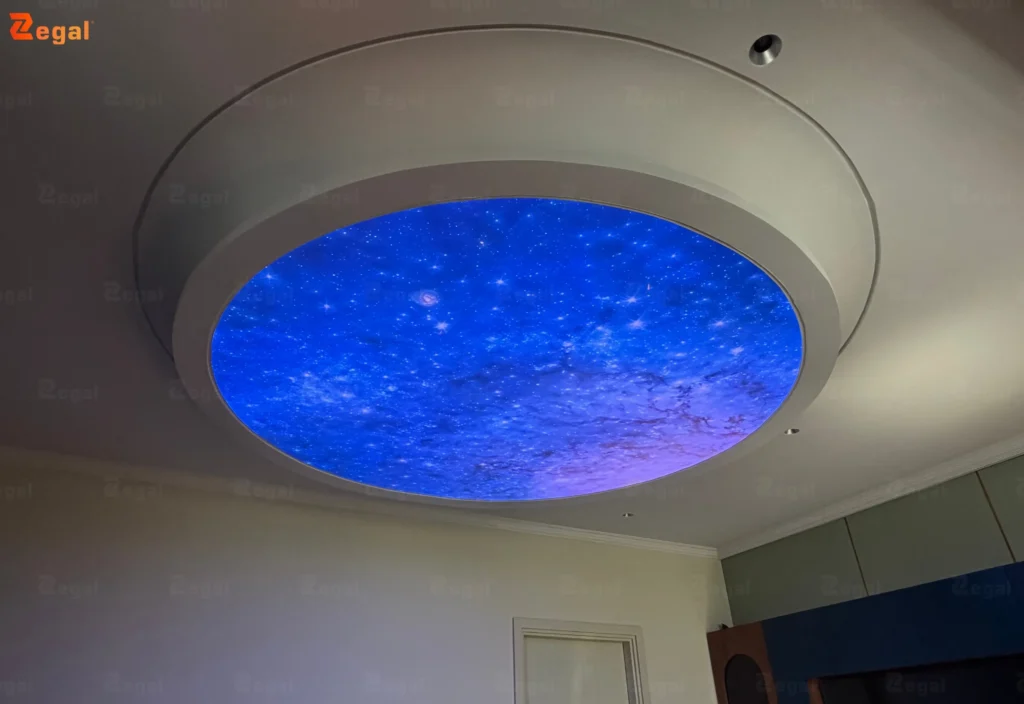


In a bedroom, lighting that is too bright can wake you up at any moment, while lighting that is too dim can feel gloomy and unsafe. For this reason, bedroom lighting is not simply about turning on a light to make the space bright enough, but a deliberate lighting design process aimed at creating an environment that supports relaxation, rest, and quality sleep.
1. What is bedroom lighting and why does it need proper design
Bedroom lighting is a lighting system designed to meet three main needs: daily activities, relaxation, and sleep. Each need requires a different lighting level. For example, lighting for changing clothes or cleaning cannot be the same as lighting used to relax before sleep.
In addition, light directly affects the body’s circadian rhythm. Blue light or cool white light can suppress melatonin, the hormone related to sleep. In contrast, warm light helps the body relax and adjust more easily between sleep and wake cycles.
When you understand this principle, it becomes clear why a bedroom needs precise lighting design rather than relying on a single default ceiling light.
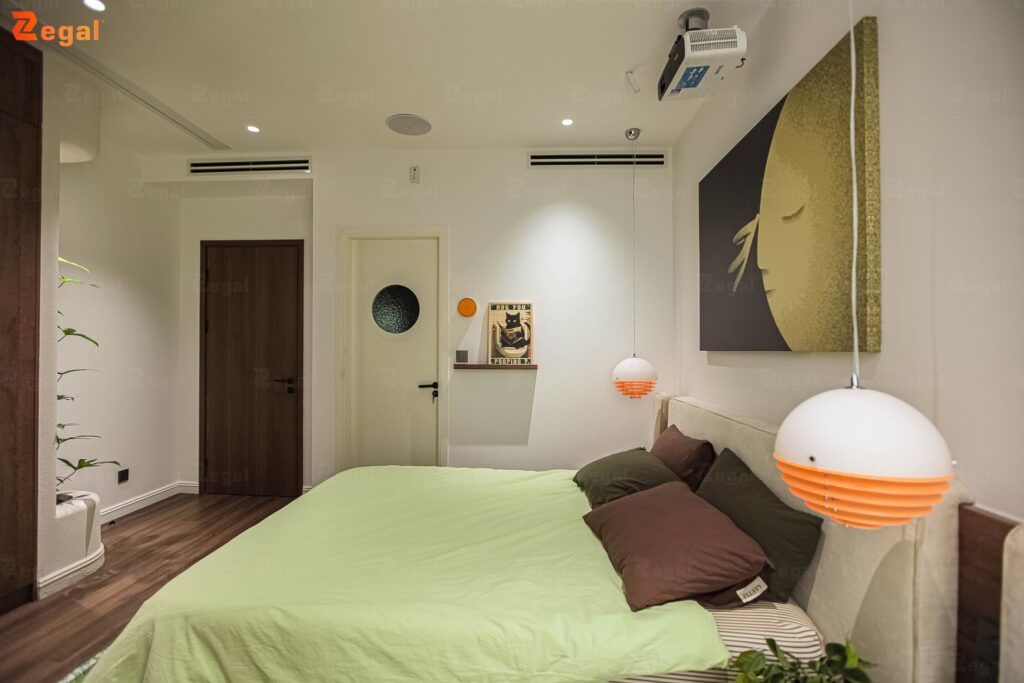
2. Lighting principles in the bedroom: soft, warm, and clearly layered
A well-lit bedroom is always based on three core principles: non-glare lighting, warm light, and clear lighting layers.
First, bedroom lighting should be soft and should not cause direct glare to the eyes. Strong light points on the ceiling or walls can overstimulate the brain, making it harder to relax. This is why cove lighting, indirect lighting, and bedside lamps are popular choices in modern design.
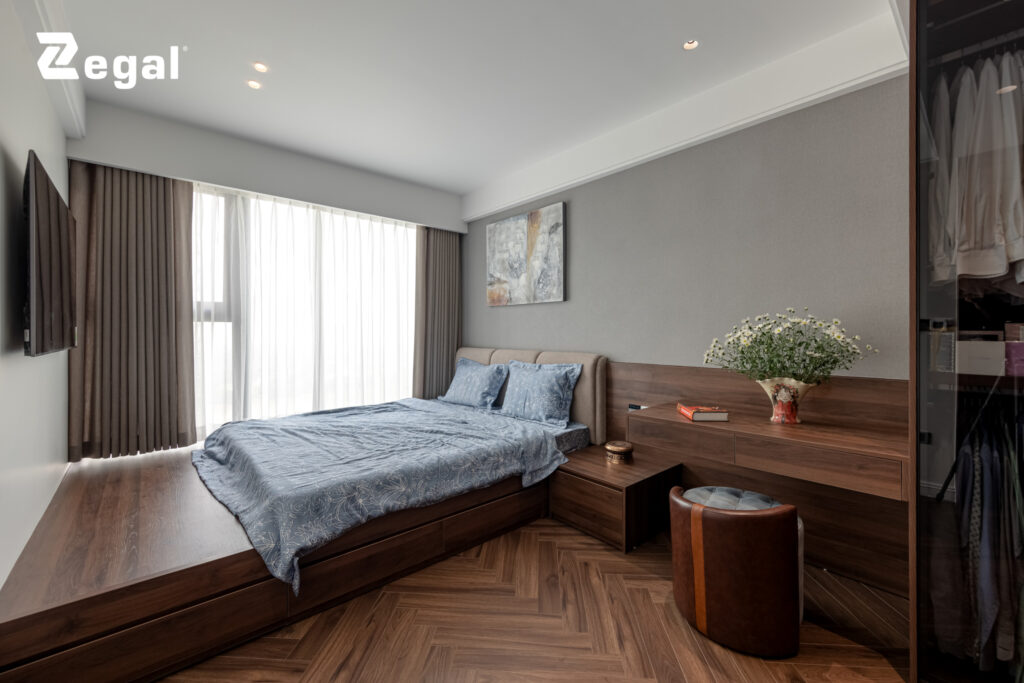
The ideal color temperature usually falls between 2700K and 3000K. Warm light in this range is close to natural light in the evening and helps the body transition into rest mode.
Finally, lighting layers are essential. A bedroom needs a combination of ambient lighting, accent lighting, and decorative lighting. When these three layers work together harmoniously, the space feels calm, has visual depth, and supports different activities.
3. Common mistakes in bedroom lighting
Many bedrooms suffer from improper lighting without the user realizing it. A common mistake is using lights with a color temperature that is too cool. Lighting at 5000K–6500K may be suitable for offices or work areas but is completely unsuitable for bedrooms because it makes the space feel overly bright and reduces relaxation.
Another issue is relying on only one light source. This makes the bedroom feel flat, lacking depth, and often creates uncomfortable shadows.
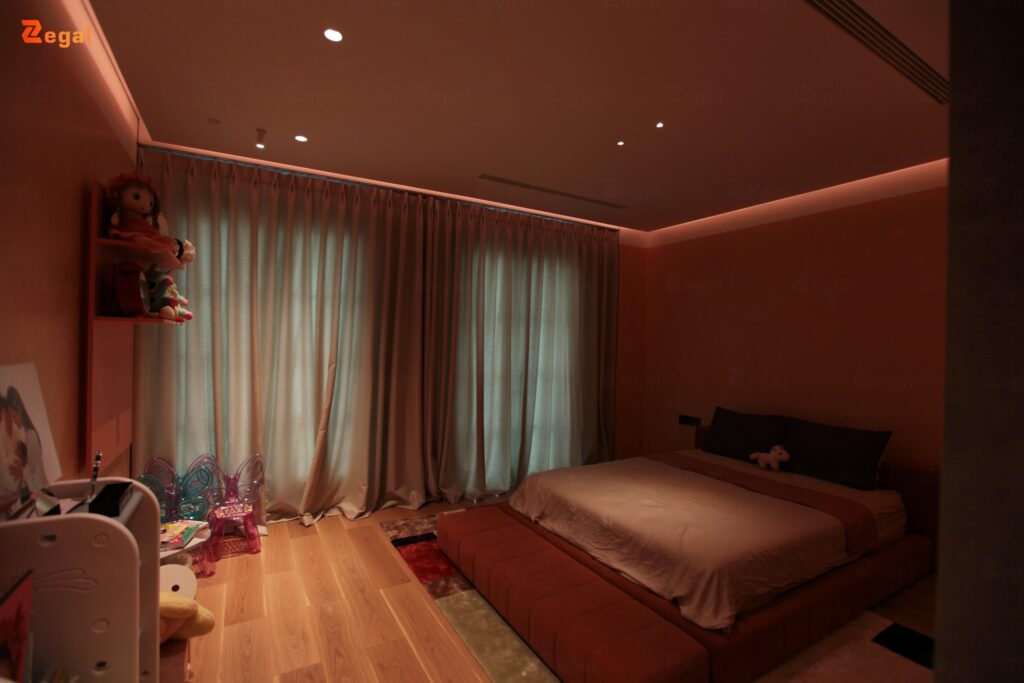
In addition, direct ceiling light shining straight onto the bed can create a feeling of being “spotlighted,” especially when lying on your back. This is an unpleasant experience and should be avoided in bedroom design.
4. Important lighting criteria in bedroom design
When designing bedroom lighting, several technical parameters should be carefully considered. Bedroom illuminance does not need to be high. A level of around 100–150 lux for ambient lighting is sufficient for light daily activities. Task lighting at wardrobes or vanity areas can be higher, around 300 lux, to ensure clear visibility.
A color rendering index (CRI) of 80 or higher helps objects appear in their true colors, reducing color distortion in small enclosed spaces. This is particularly important in bedrooms with wooden furniture or fabric materials.
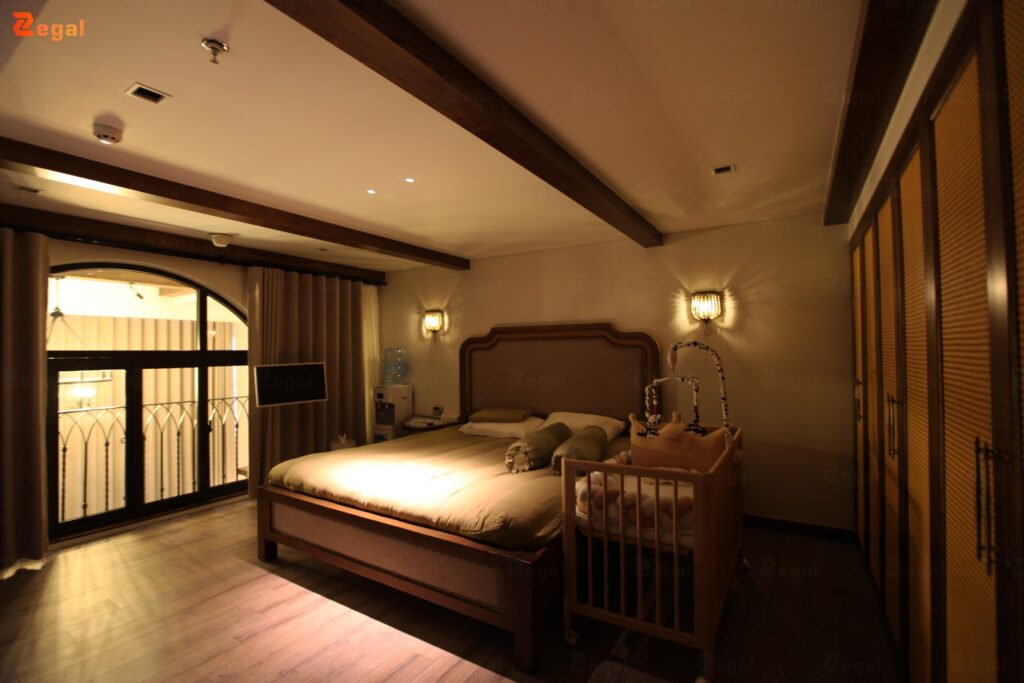
Warm color temperature is almost a mandatory factor. When light has a soft yellow tone, walls and furnishings appear more gentle, and the space feels wrapped in a sense of calm.
5. Lighting solutions for different activities in the bedroom
Each activity in the bedroom requires a specific lighting solution. For example, reading before sleep should use warm, focused light that is not too strong, typically around 2700K with low intensity but sufficient brightness for reading.
Ambient lighting should be indirect so that it does not shine directly into the eyes. Cove lights, recessed strip lights, or wall lamps help create a gentle atmosphere.
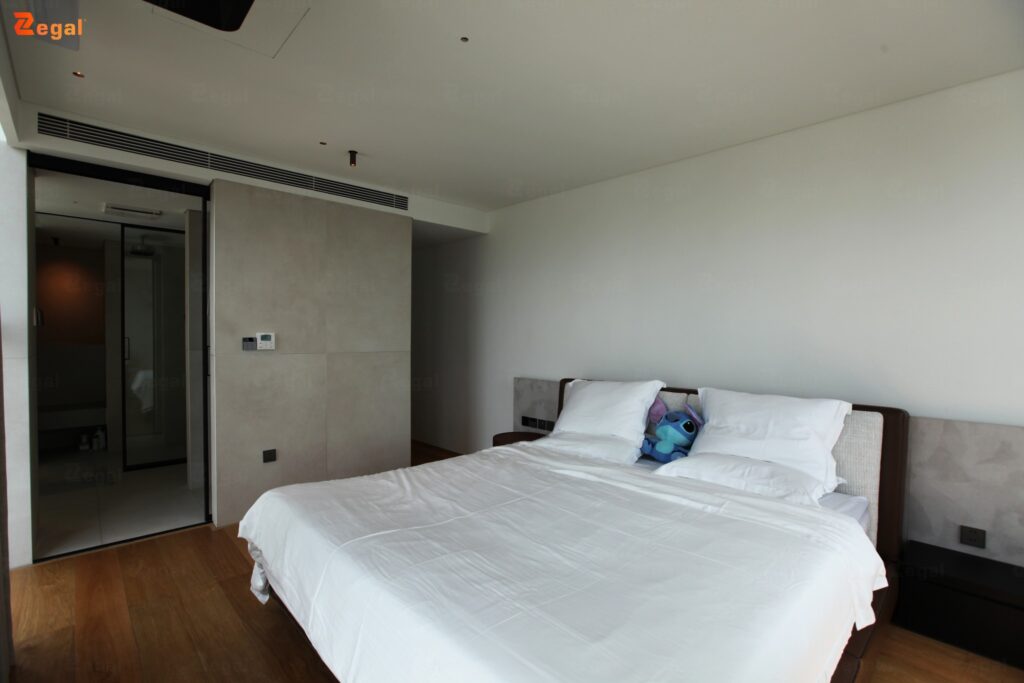
For nighttime movement, low-level pathway lighting or sensor lights are very useful. They are bright enough to see clearly but not strong enough to fully wake the body.
For those who want visual highlights, decorative lighting such as headboard backlighting or pendant lights with soft illumination is an effective way to add emotion to the space.
6. Combining natural light and artificial light
Natural light always brings comfort and a healthy feeling. However, bedrooms need to control natural light to prevent strong morning sunlight from waking you abruptly. Blackout curtains and sheer curtains are commonly used together to regulate light levels.
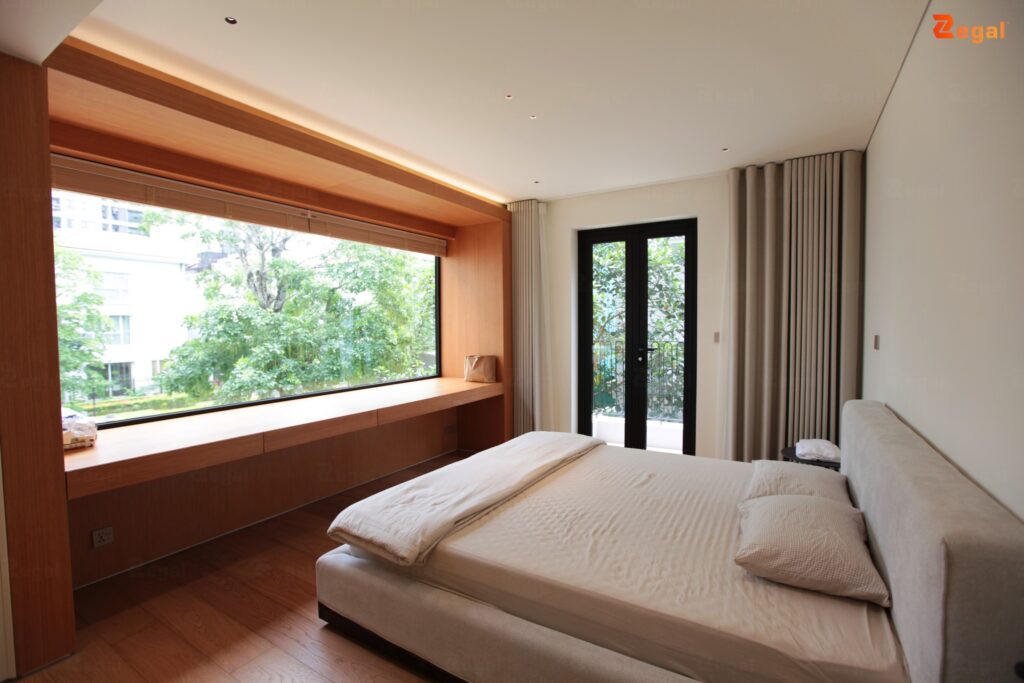
Combining natural light with artificial lighting helps keep the space stable and comfortable at all times. When artificial lighting is well designed, the bedroom feels warm at night and gently bright during the day.
7. Conclusion
Bedroom lighting is a design process based on the delicate combination of light, color, and emotion. When lighting is arranged correctly, the bedroom is not only visually appealing but also becomes a healing space where you can relax, rest, and restore energy.
Warm light, soft intensity, and well-balanced lighting layers are the key to achieving the perfect balance between aesthetics and comfort in the bedroom.
——
For further consultation, please contact Zegal Vietnam using the information below:
Zegal Hanoi
112 Vo Chi Cong, Nghia Do Ward, Hanoi
Zegal Ho Chi Minh
319–C9 Ly Thuong Kiet, Phu Tho Ward, Ho Chi Minh City
Hotline: +84969 14 6688