

Have you ever stepped into a room and immediately felt a sense of calm and warmth? Or entered a space that made you feel energized and inspired?
That sense of magic does not come from expensive furniture alone. It comes from interior lighting, the silent artist that shapes the mood of your home. As someone deeply passionate about light, I believe that understanding it is the key to turning a house into a true home.
Light is not only for seeing. Light is for feeling
Interior lighting goes far beyond basic illumination. It is the element that defines atmosphere, emotion, and the rhythm of daily life. A well designed lighting scheme can:
- Create visual illusion by making small spaces feel larger and more open.
- Guide emotions by bringing energy to the living room, calm to the bedroom, and focus to the kitchen.
- Enhance architecture by highlighting beautiful lines, cherished furniture pieces, or a favorite artwork.
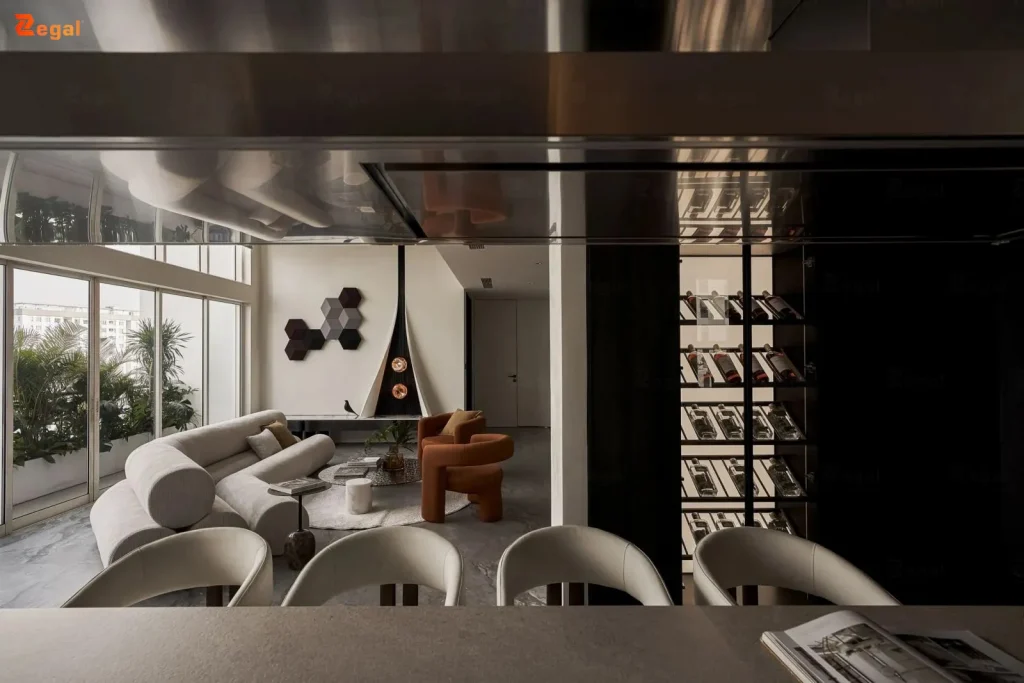
Interior lighting: Understanding the four fundamental lighting layers
To create a truly comfortable living space, different lighting layers must work together seamlessly, much like a conductor leading an orchestra.
Ambient lighting
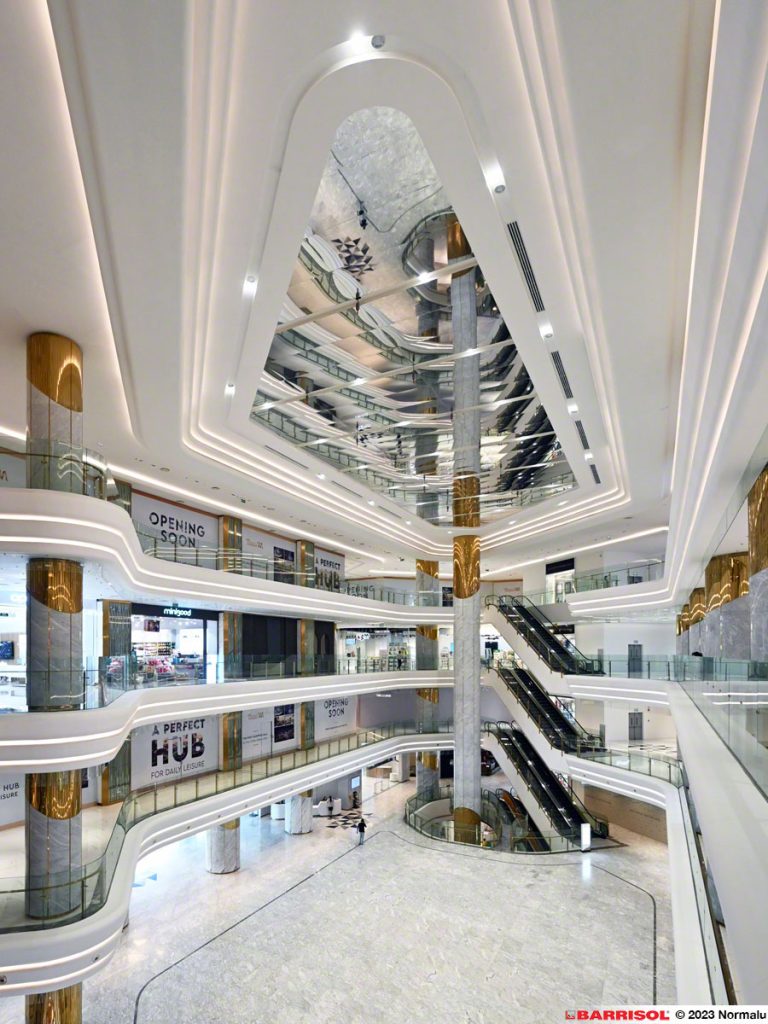
This is the foundational layer that replaces natural daylight and provides overall illumination for the room. It commonly comes from ceiling lights, recessed downlights, chandeliers, wall lights, or pendant fixtures. Think of it as the canvas on which other lighting details are added.
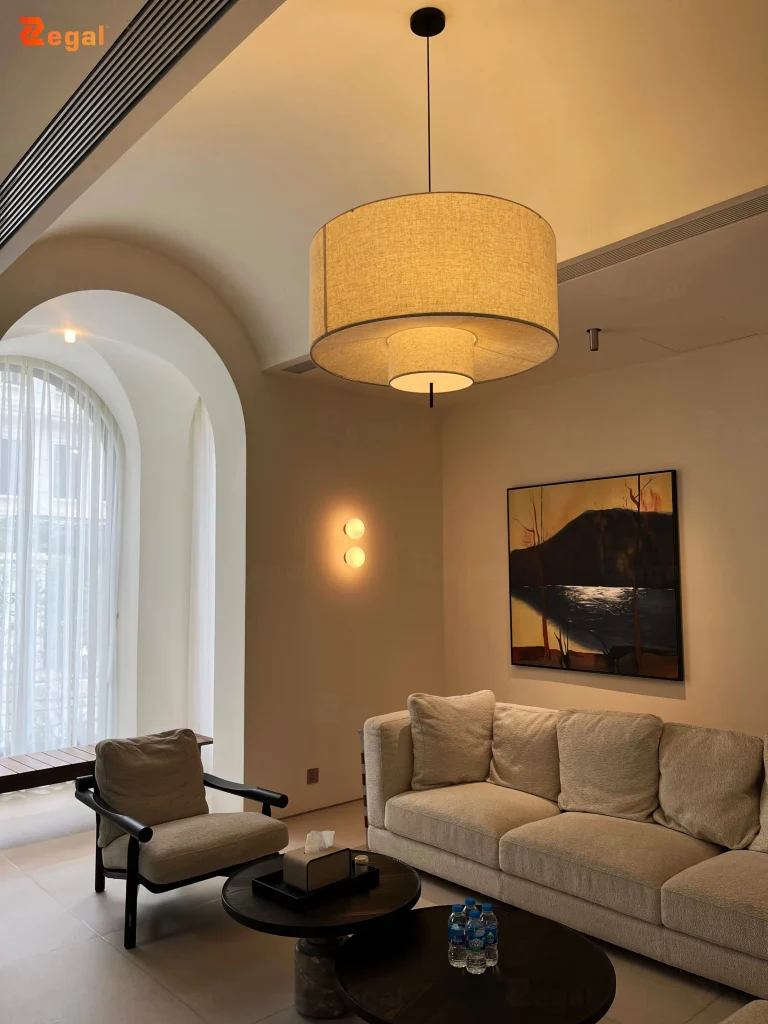
Accent lighting
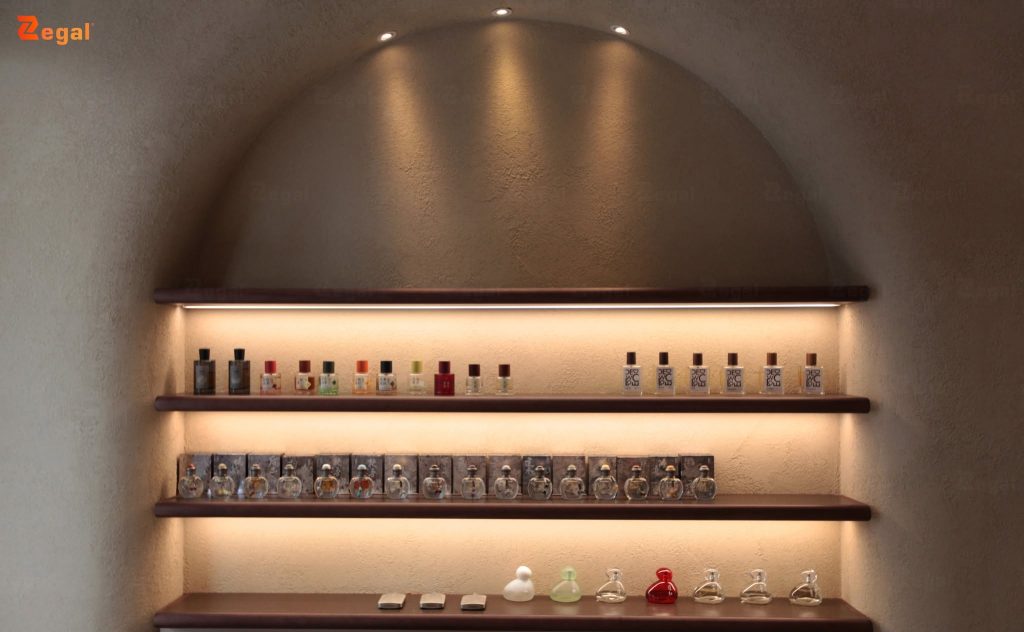
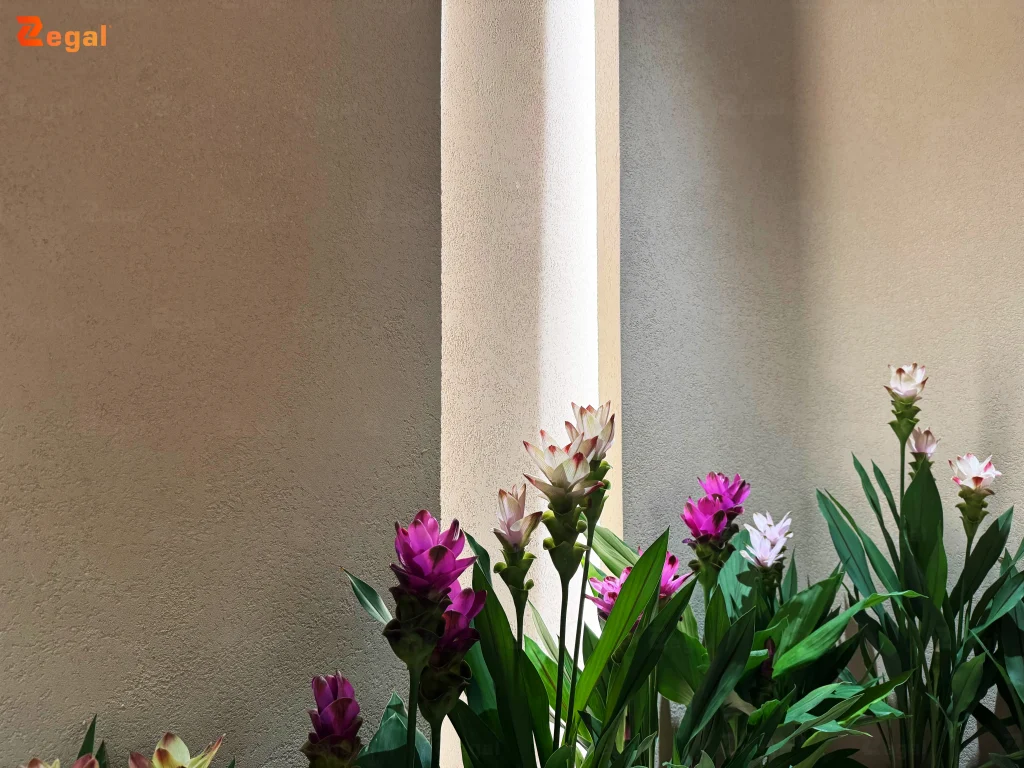
This layer draws attention to specific focal points. It quietly highlights bookshelves, wall art, textured surfaces, or decorative plants. Track lights, spotlights, and wall washers are ideal tools for this purpose.
Task lighting
Task lighting serves a clear function within interior lighting. It supports reading, cooking, working, or grooming. It should be bright enough without causing glare and focused on the working area. Desk lamps, reading lights, under cabinet kitchen lights, and vanity lights are common examples.
Decorative lighting
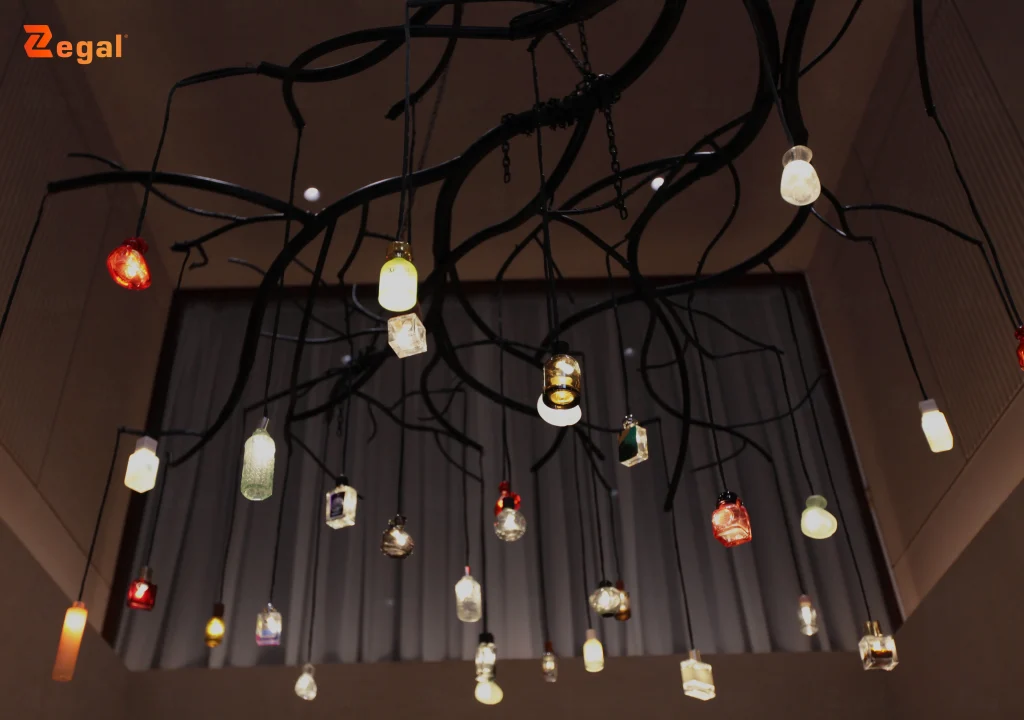
This is the most expressive layer of interior lighting. The fixture itself becomes a decorative object. A statement chandelier in the dining area, a classic table lamp, or string lights on a balcony all exist to create visual interest rather than pure illumination.
Choosing color temperature means choosing mood
Warm light 2700K to 3000K
In interior lighting, warm light carries a soft golden tone that evokes comfort, intimacy, and relaxation. It is ideal for bedrooms, living rooms, and dining areas where togetherness is desired.
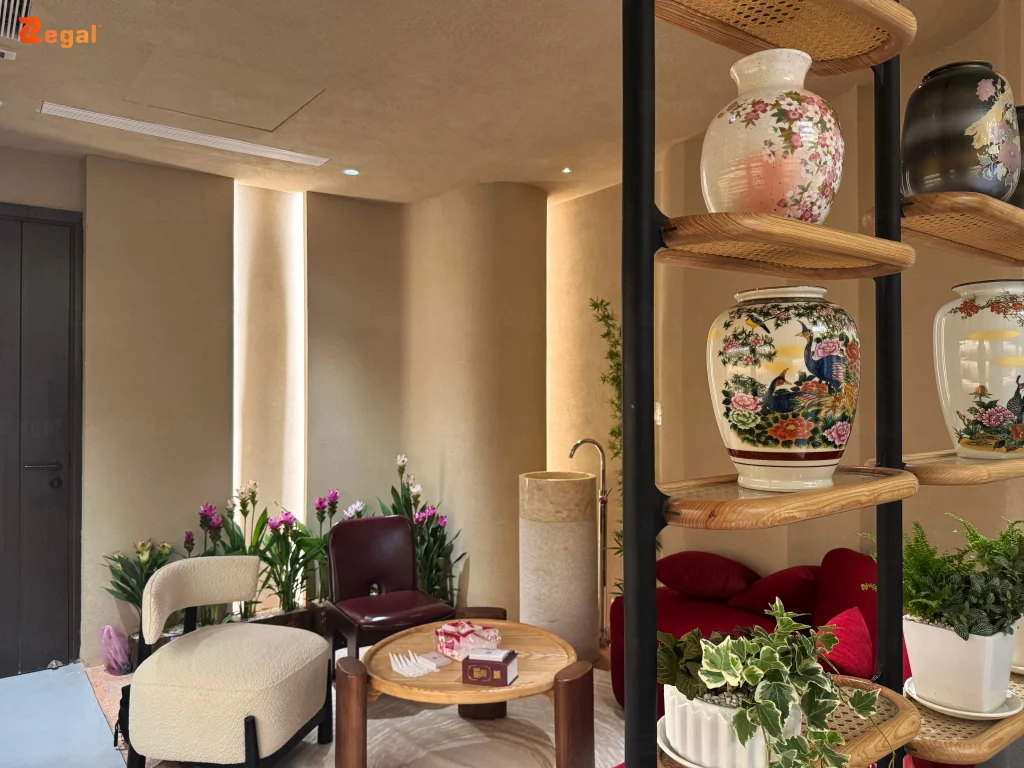
Neutral light 3500K to 4500K
This soft white light closely resembles natural daylight. It feels clean, fresh, and moderately energizing. It works well in kitchens, bathrooms, home offices, and corridors.
Cool light above 5000K
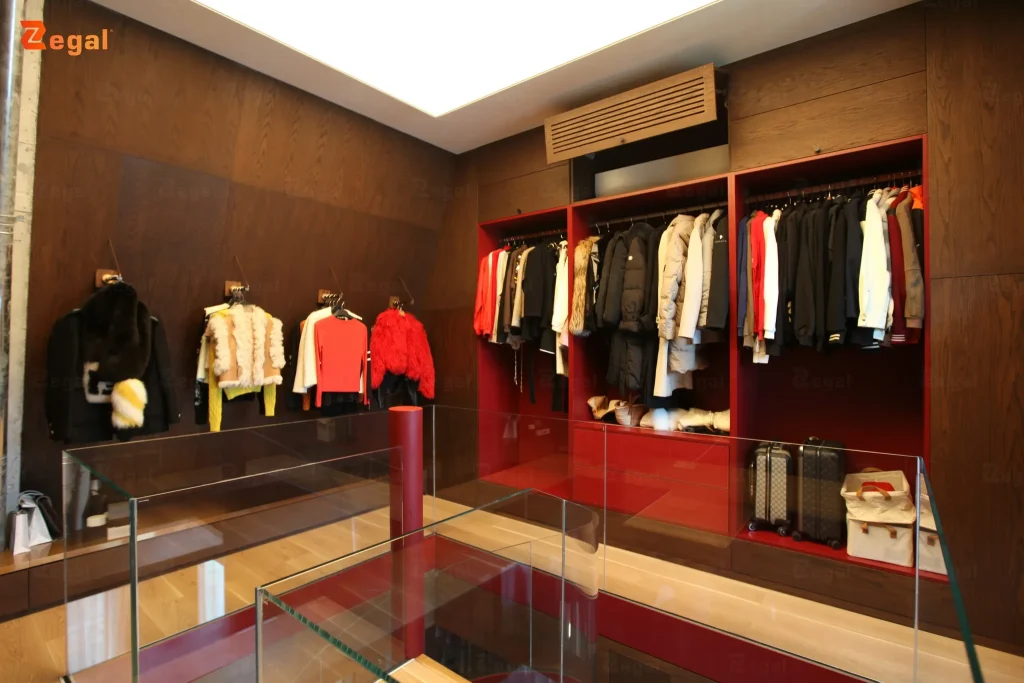
This crisp white light mimics midday daylight and stimulates strong alertness and concentration. It is best suited for garages, storage rooms, dressing areas, or spaces requiring precise visibility. It should be used sparingly in relaxation zones.
Applying interior lighting to each living space
Living room
Use recessed lights or chandeliers for ambient lighting. Add a floor lamp in a corner to create depth, spotlights for artwork, and table lamps on cabinets or shelves. A dimmer allows flexible mood changes throughout the day.
Kitchen
In interior lighting, overall illumination from downlights is essential to light work surfaces directly and prevent shadows during food preparation. A small pendant above the dining table adds a pleasant focal point.
Bedroom
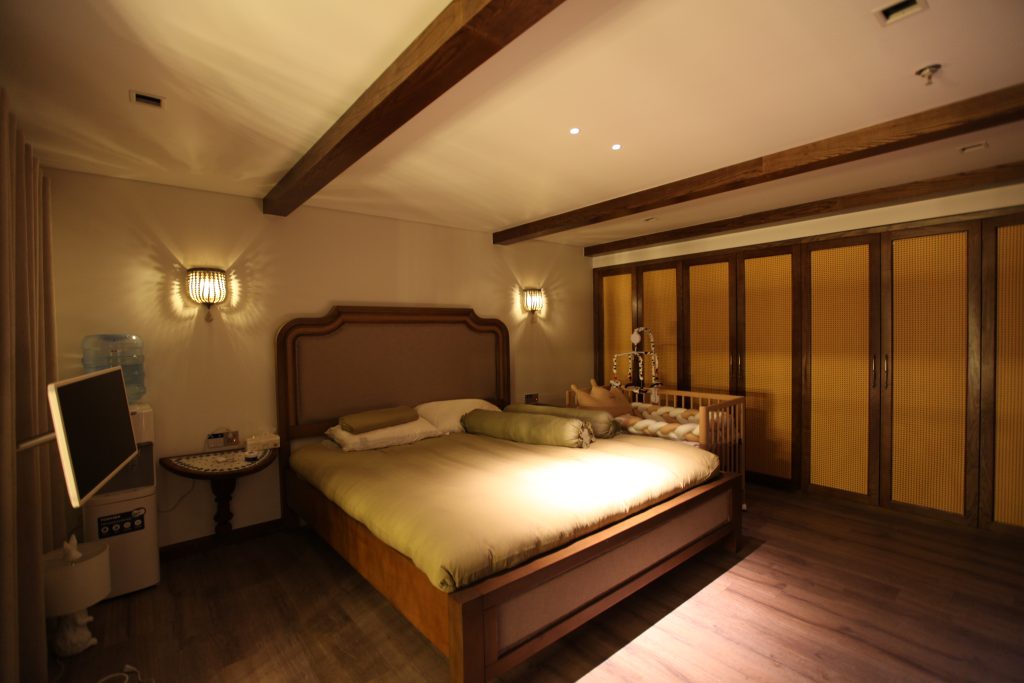
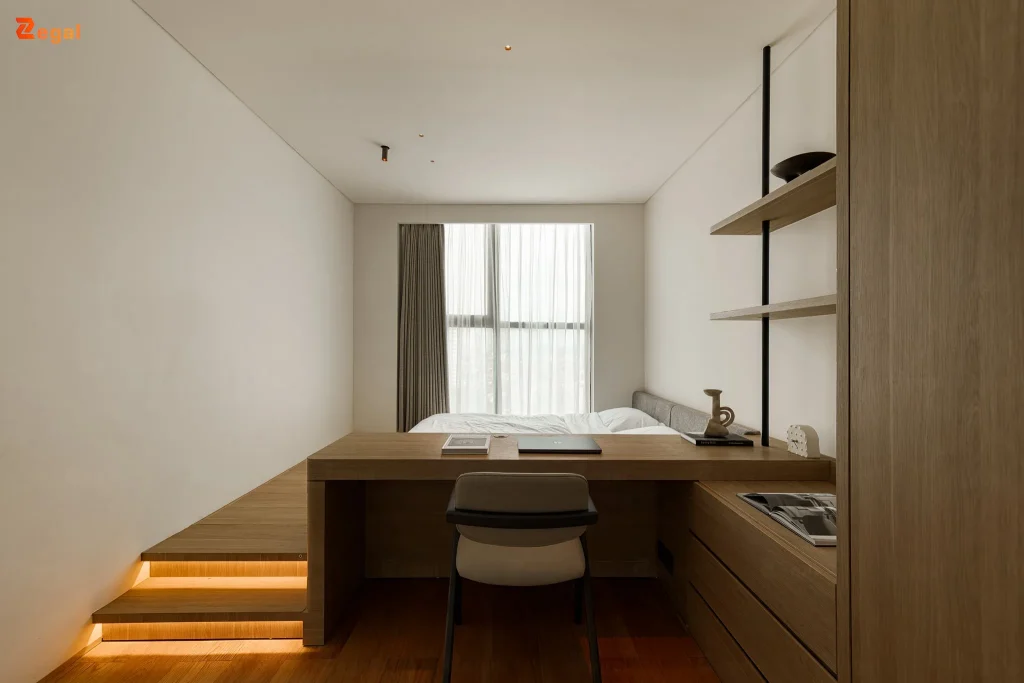
For rest and relaxation, warm and gentle lighting is recommended. Avoid harsh ceiling lights. Instead, use bedside lamps, table lamps with shades, and wall lamps on both sides of the bed. Wardrobe lighting is also essential.
Bathroom
Neutral and evenly distributed light is required to avoid shadows on the face. Moisture resistant recessed lights are a safe choice. Wall lights placed on both sides of the mirror provide balanced facial illumination for grooming and makeup.
Smart lighting trends: Personalizing the living experience
Smart lighting has become an essential trend. With a single tap on a smartphone, you can adjust brightness, change light color, schedule on and off times, or control lighting with voice commands.
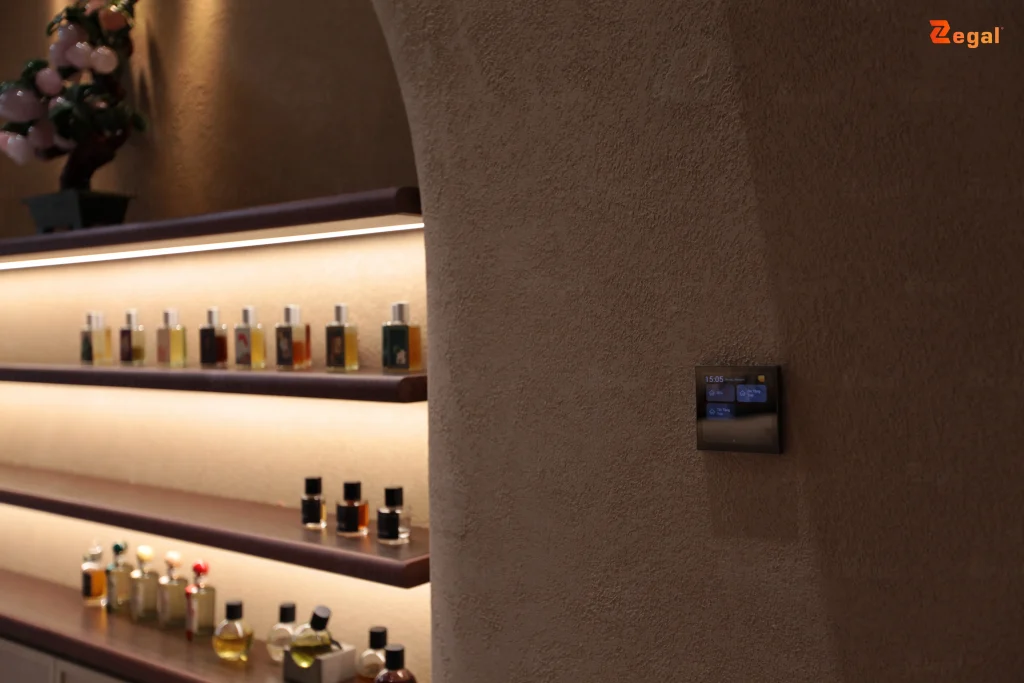
To fully realize these benefits with stability and ease, an integrated smart home lighting solution is essential. Solutions from LTECH allow centralized control of lighting, curtains, air conditioning, and security from one platform.
With stable technology and an intuitive interface, LTECH simplifies automated scene creation and transforms your home into a truly intelligent living environment that goes beyond lighting alone.
Conclusion
Interior lighting is a subtle and thoughtful art. It does not require excessive spending, but rather understanding and creativity. Start with small changes. Replace bulbs with suitable color temperatures. Add a floor lamp to the living room corner. Install indirect lighting behind the television.
Listen to your own emotions and let light become the most powerful tool that turns your house into a place you always want to return to.
——
For further consultation, please contact Zegal Vietnam using the information below:
Zegal Hanoi
112 Vo Chi Cong, Nghia Do Ward, Hanoi
Zegal Ho Chi Minh
319–C9 Ly Thuong Kiet, Phu Tho Ward, Ho Chi Minh City
Hotline: +84969 14 6688