

Sound, although invisible, has a profound impact on how we experience space. In contemporary design, acoustic ceilings play a critical role in controlling and optimizing sound quality. Beyond being a purely technical solution, acoustic ceilings help create spaces that are comfortable to listen in, acoustically clean, and visually refined.
1. What is an acoustic ceiling?
An acoustic ceiling is a ceiling solution specifically designed to absorb sound, reduce noise, and limit reverberation within a space. Unlike conventional gypsum ceilings, acoustic ceiling systems typically use multi layer materials combined with mineral wool, fiberglass, or elastomeric rubber. The surface panels are perforated, grooved, or finished with specialized membranes to enhance sound absorption performance.
These panels are installed on a solid suspension framework, either as a modular lay in system such as 600×600 mm tiles or as a continuous ceiling, depending on the design intent. Thanks to this construction, acoustic ceilings not only improve sound quality in meeting rooms, cinemas, auditoriums, and offices, but also deliver strong aesthetic value with clean, flat surfaces that integrate easily with modern interior styles.
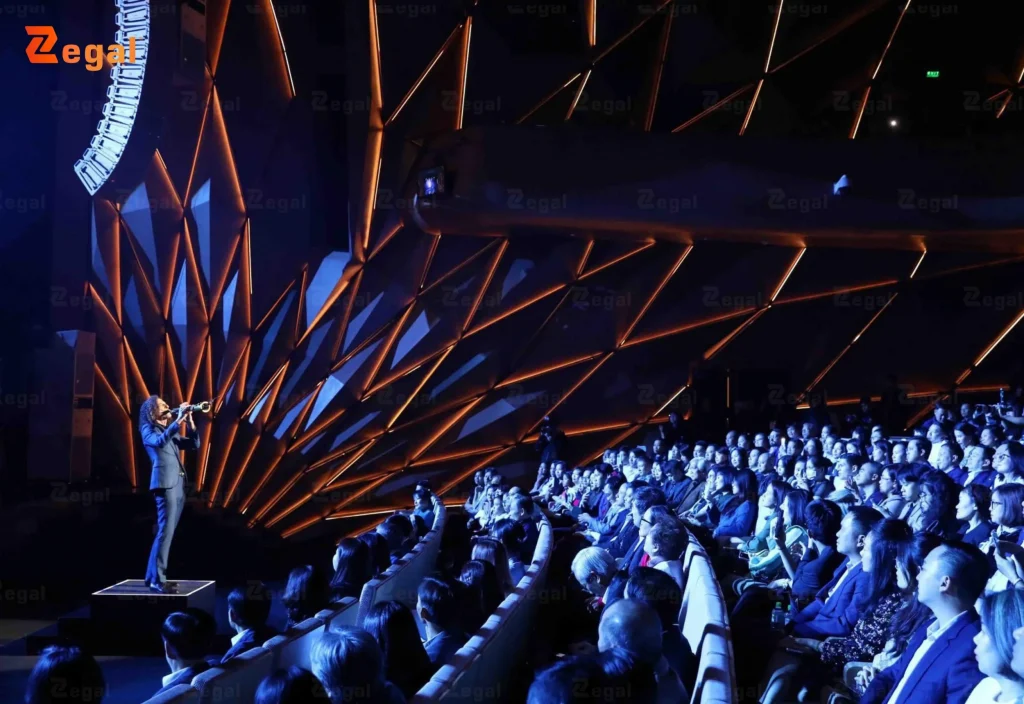
Key characteristics of sound absorption:
- Sound absorption principle: Acoustic materials absorb sound energy through porous structures or perforations, preventing sound waves from reflecting back into the space.
- Application of sound absorption: Depending on spatial requirements, sound absorbing solutions can be applied to ceilings, walls, floors, or decorative acoustic elements.
2. Structure of an acoustic ceiling
An acoustic ceiling is a specialized material system designed to absorb and control sound. Its structure typically includes the following components:
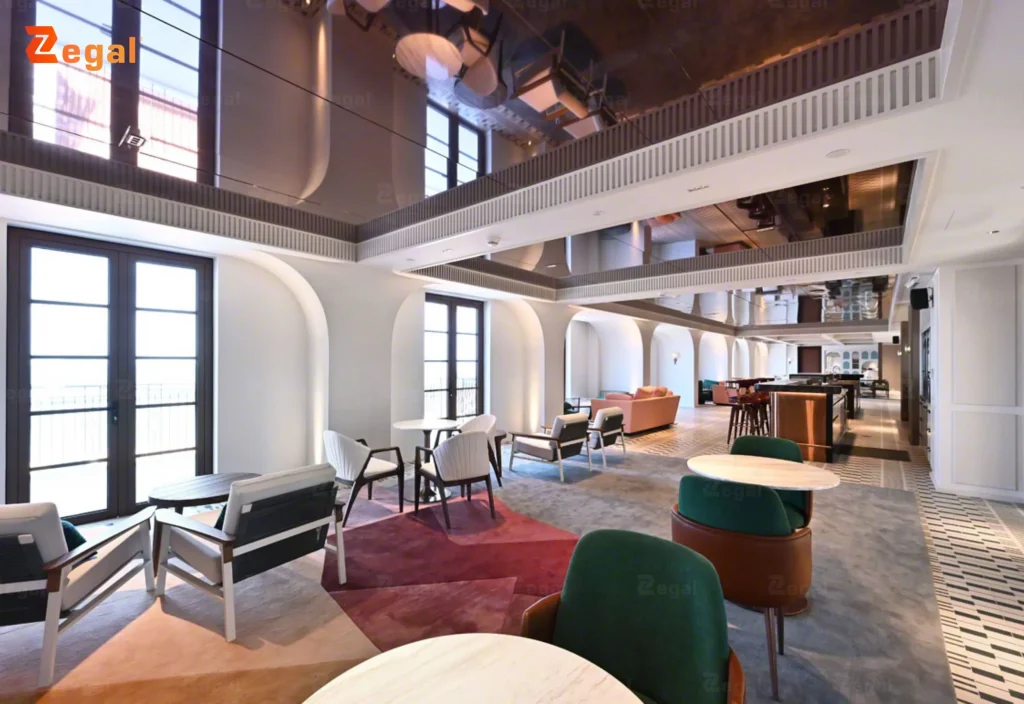
- Acoustic panels: The most critical component of the system, made from sound absorbing materials such as mineral wool, melamine foam, or perforated wood. These panels typically feature small perforations or porous structures to increase surface area and absorption efficiency.
- Absorptive core: Usually made of mineral wool or fiberglass, this layer improves absorption performance at lower frequencies. It helps reduce low frequency resonance, which is more difficult to control using standard acoustic materials.
- Framework: Acoustic ceilings are mounted on a robust framework, typically metal, which secures the panels and creates the necessary cavity above the ceiling to enhance acoustic performance. The framework also supports ease of installation and maintenance.
3. Advantages of acoustic ceilings
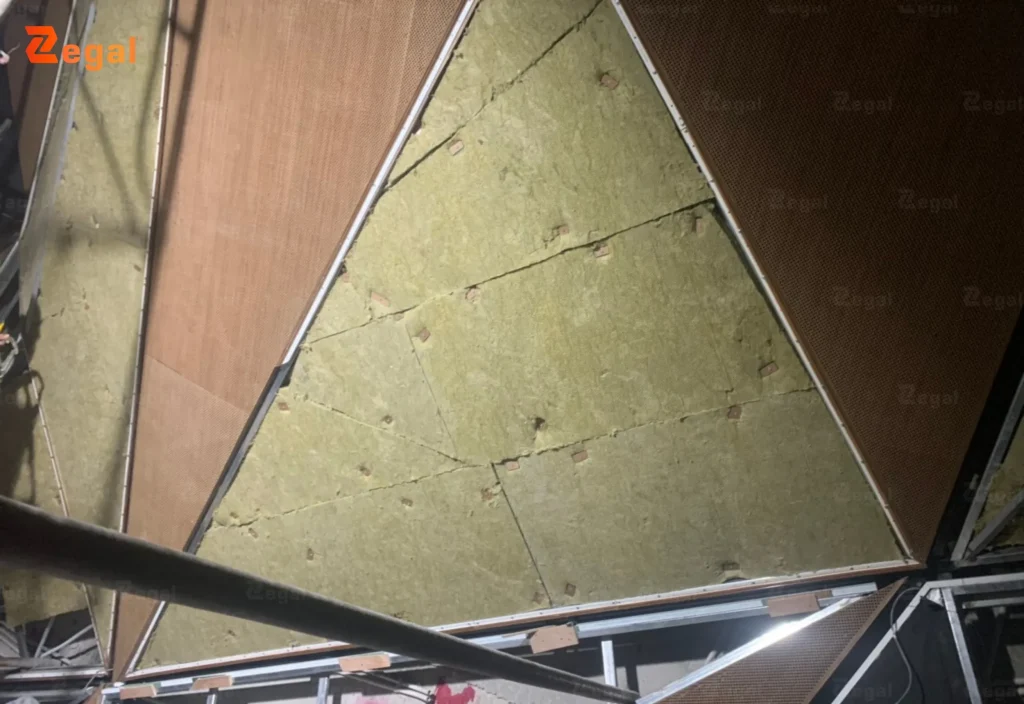
Acoustic ceilings deliver both acoustic performance and spatial efficiency. Key advantages include:
- Reverberation reduction: Acoustic ceilings reduce reverberation time (RT60), creating clearer and more intelligible sound. For example, in meeting rooms, reducing RT60 from 1.5 seconds to below 0.6 seconds significantly improves speech clarity.
- Improved acoustic privacy: In offices and shared workspaces, acoustic ceilings reduce sound transmission from conversations, protecting privacy. This is especially important in open plan environments where confidential communication is required.
- Enhanced sound clarity: Acoustic ceilings improve speech intelligibility by reducing echo and sound distortion in meetings, lectures, and teaching environments.
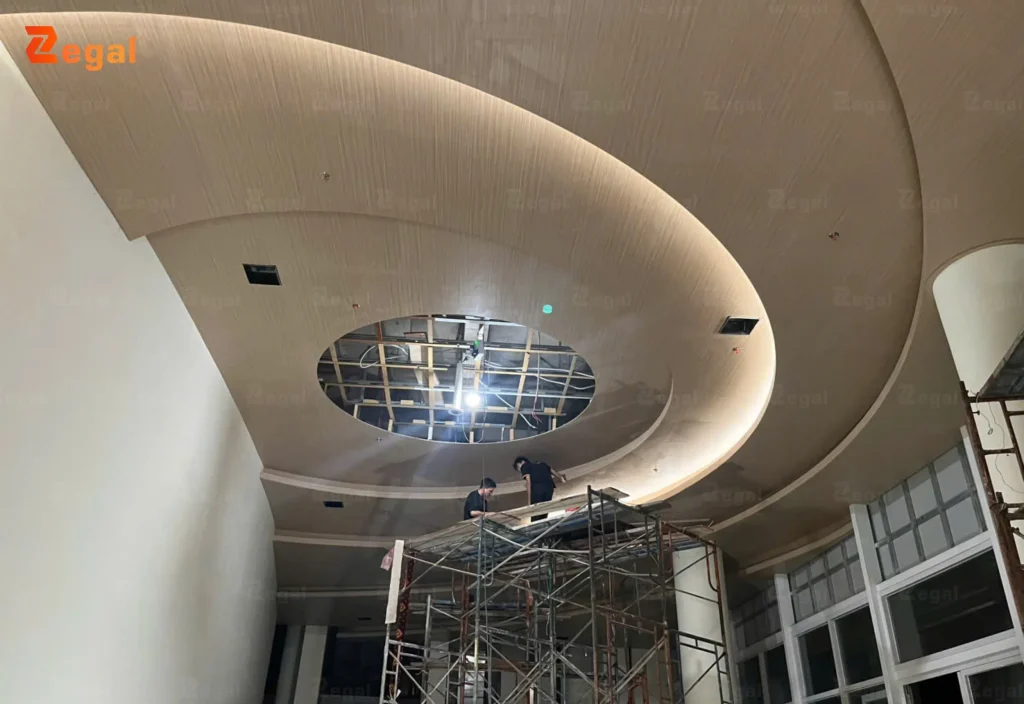
- High aesthetic value: Modern acoustic materials are designed with both function and appearance in mind. Panels can be finished in wood, fabric, or integrated with LED lighting to create distinctive and creative interiors.
- Fire resistance moisture resistance and durability: Most acoustic materials are certified for fire resistance under international standards such as ASTM E84 and EN 13501 and offer moisture resistance suitable for long term use.
- Long term cost efficiency: By improving sound quality, acoustic ceilings reduce the need for excessive amplification systems, lowering long term operational costs.
4. Sound absorption principles and the role of acoustic ceilings in acoustic treatment
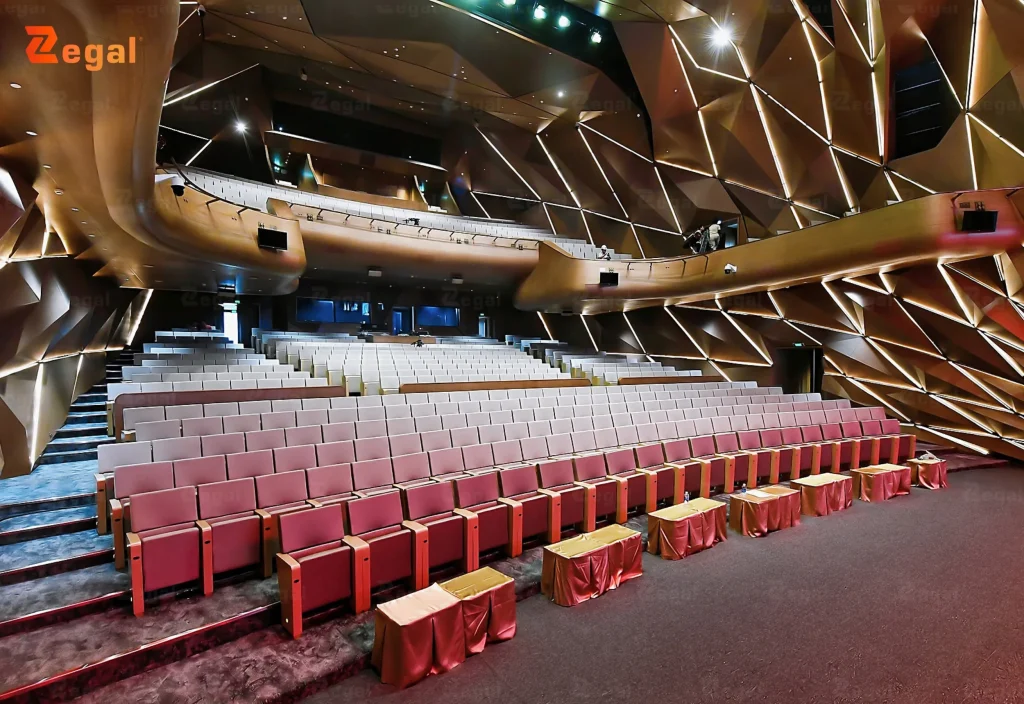
Sound absorption converts sound energy into heat through friction as sound waves pass through porous material structures. Specifically:
- Sound waves strike the acoustic ceiling surface and enter the porous material layer.
- Capillary structures slow down the sound waves and create internal friction, gradually reducing sound energy.
- Absorption performance depends on material thickness density structure and sound frequency.
Key acoustic parameters in acoustic ceiling design:
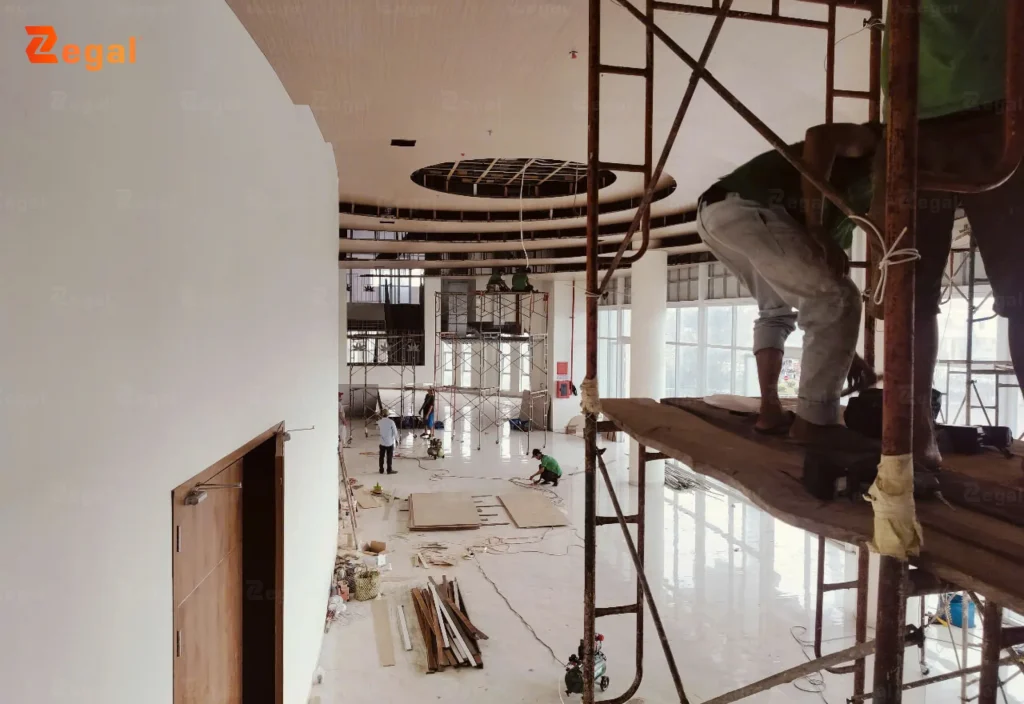
- Noise reduction coefficient NRC: Indicates average sound absorption performance across the 250 Hz to 2000 Hz frequency range. Materials with NRC ≥ 0.7 are considered effective.
- Reverberation time RT60: The time required for sound to decay by 60 dB in a space. Design objectives focus on reducing RT60 to appropriate levels to avoid excessive echo.
- Alpha Sabine coefficient: Frequency specific absorption values used to optimize acoustic performance across different frequency bands.
Acoustic ceilings are therefore part of a comprehensive acoustic treatment system, working together with walls floors doors and furnishings to control sound behavior within a space.
5. Applications of acoustic ceilings and sound treatment solutions by space type
5.1 Offices and co working spaces
Open plan workspaces with multiple desks electronic equipment and simultaneous conversations are prone to noise and reverberation. Acoustic ceilings help:
- Reduce RT60 to ideal levels of 0.4 to 0.6 seconds for offices.
- Improve speech privacy.
- Enhance comfort and productivity.
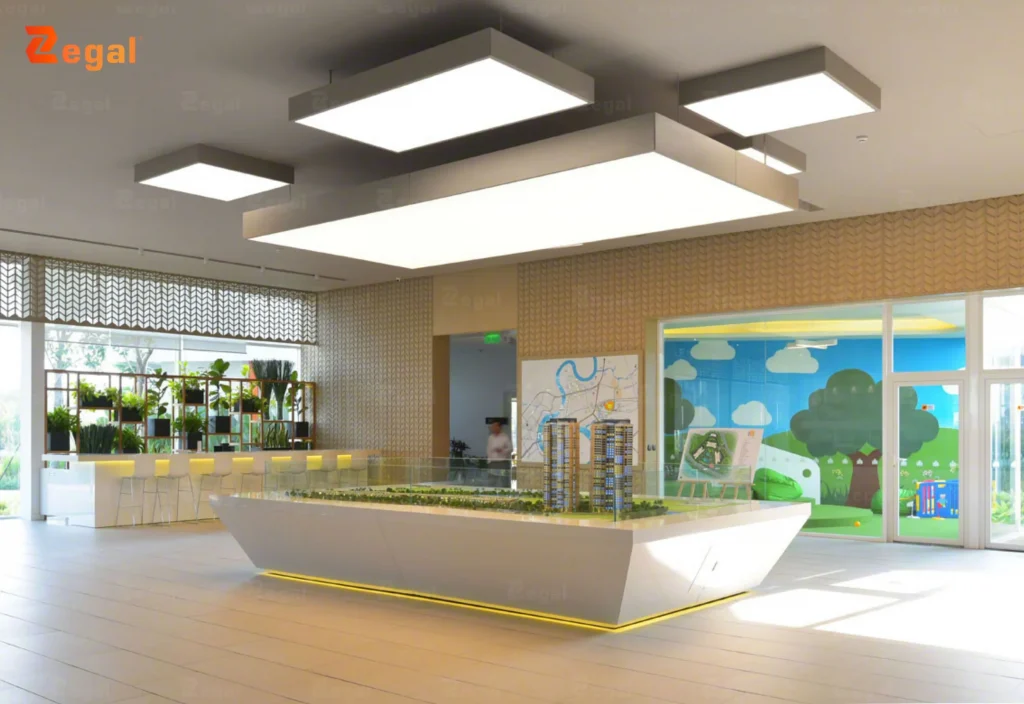
5.2 Schools and classrooms
Clear audibility is essential in learning environments. Acoustic ceilings help:
- Reduce echo so students can hear teachers clearly.
- Limit noise transfer from corridors or adjacent rooms.
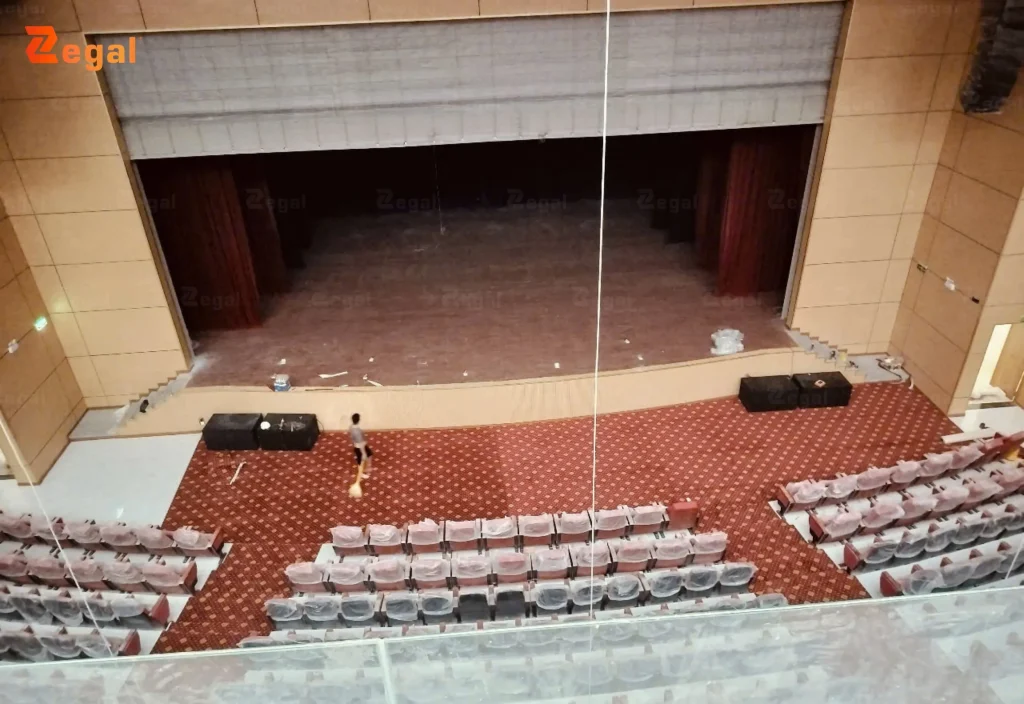
5.3 Meeting rooms auditoriums and theaters
Accurate sound reproduction supports effective meetings performances and presentations. Acoustic ceilings:
- Control high frequency reflections and reduce overlapping echoes.
- Integrate with professional sound systems.
- Create a balanced sound field.
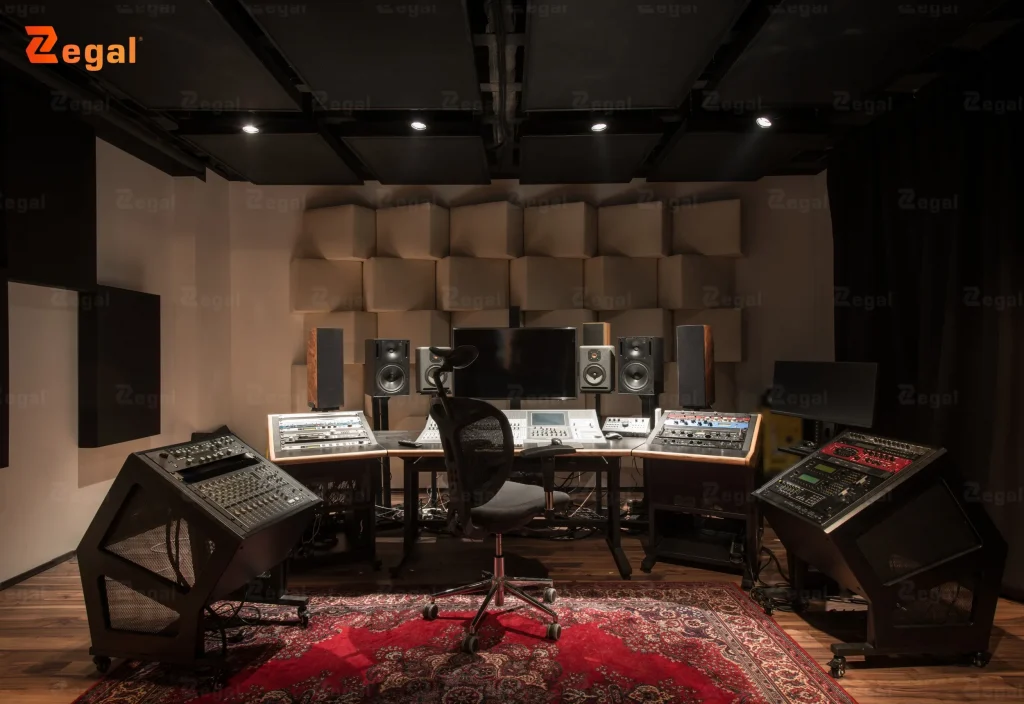
5.4 Studios and recording rooms
Studios require precise sound control across a wide frequency range. Specialized acoustic ceilings:
- Use thick panels with tailored structures to manage specific frequencies.
- Combine with diffusers to avoid acoustic dead spots.
- Support clean and accurate sound recording.
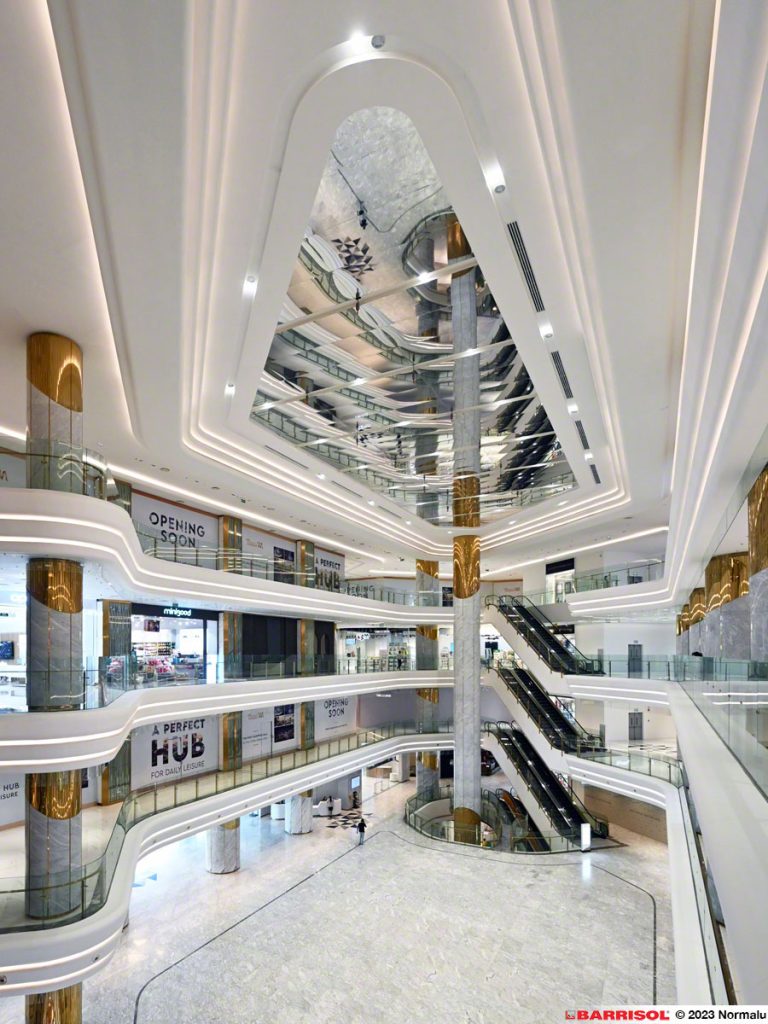
5.5 Restaurants hotels and commercial centers
Excessive noise negatively affects customer experience. Acoustic ceilings help:
- Reduce background noise even during peak occupancy.
- Balance sound levels and maintain a pleasant atmosphere.
- Integrate seamlessly with refined interior design.
6. Key considerations during acoustic ceiling installation
- Conduct thorough site surveys including RT60 measurement background noise evaluation and architectural analysis.
- Coordinate with lighting HVAC and fire protection systems to maintain acoustic performance.
- Select materials certified under international fire standards such as ASTM E84 and EN 13501.
- Ensure durability and moisture resistance especially in high humidity environments.
- Implement periodic maintenance and cleaning to sustain long term performance.
7. Zegal as a trusted provider of acoustic ceiling and sound treatment solutions
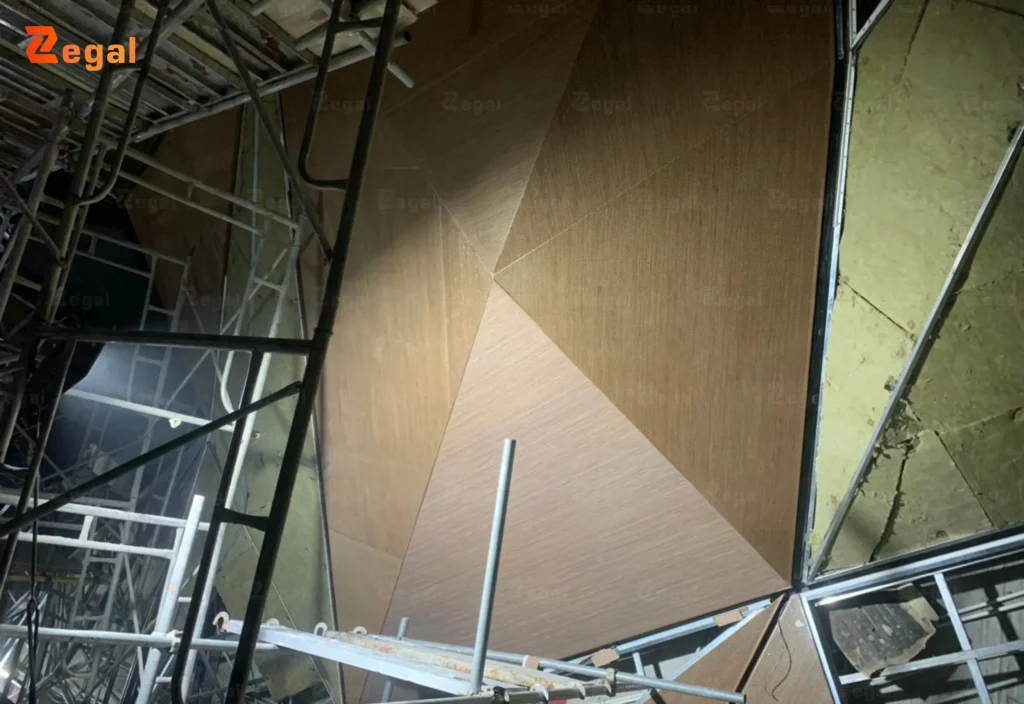
Zegal brings together experienced engineers and architects and applies advanced acoustic simulation technologies including Revit EASE and CATT Acoustic to:
- Provide optimized material selection and solutions aligned with project requirements and budgets.
- Deliver technically accurate installation with assured quality and timelines.
- Support post installation maintenance to ensure long term performance.
8. Conclusion
High quality sound shapes comfortable and effective living and working environments. Acoustic ceilings are the quiet enablers that control reverberation reduce noise and enhance sound clarity. As architectural standards continue to rise, investing in properly designed acoustic ceiling systems is essential to achieving optimal user satisfaction.
With over fourteen years of experience and a strong industry reputation, Zegal is ready to accompany clients in every acoustic and sound treatment project from concept to completion.
——
For further consultation, please contact Zegal Vietnam using the information below:
Zegal Hanoi
112 Vo Chi Cong, Nghia Do Ward, Hanoi
Zegal Ho Chi Minh
319–C9 Ly Thuong Kiet, Phu Tho Ward, Ho Chi Minh City
Hotline: +84969 14 6688