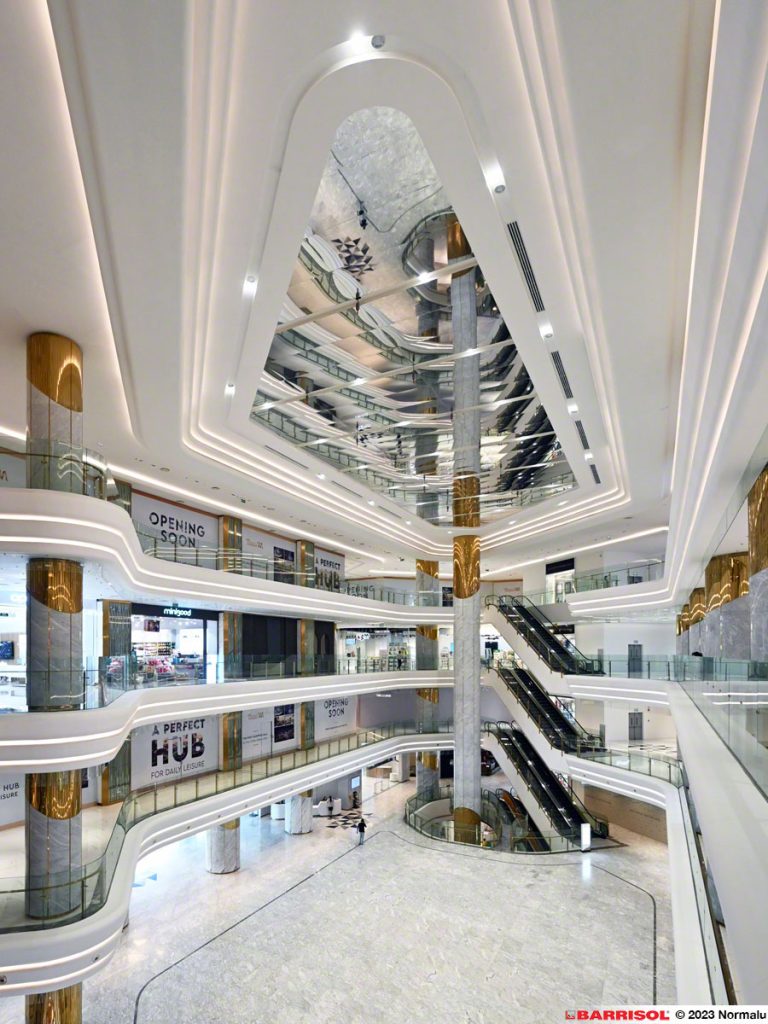


Industrial lighting is not merely about installing lights for illumination; it is a crucial factor that directly impacts productivity, safety, and production efficiency. So, what is industrial lighting, and how can this system be optimized for factories and warehouses? Let’s explore the standards, suitable lighting types, and the most effective energy-saving solutions!
1. Introduction to Industrial Lighting
Industrial lighting is not just about installing lights to illuminate a space; it is a critical factor that determines productivity, safety, and manufacturing efficiency. So, what is industrial lighting, and how can businesses optimize their lighting systems for factories and warehouses? Let’s explore the essential standards, suitable lighting types, and the most effective energy-saving solutions.
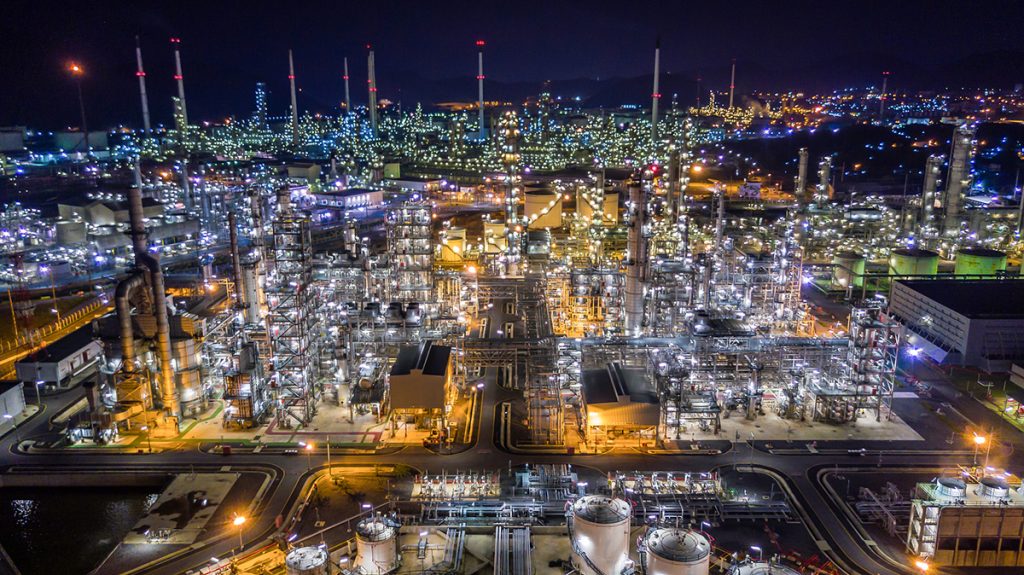
2. The Importance of Industrial Lighting
Lighting does more than just help people see clearly; it significantly impacts productivity, worker health, and safety in an industrial environment. A properly designed lighting system reduces eye strain, enhances focus, and minimizes workplace accidents.
With technological advancements, modern industrial lighting can also help businesses save substantial costs on energy and maintenance. A well-optimized lighting system contributes to creating a professional workspace, ensuring workers feel more comfortable throughout their shifts.
3. Industrial Lighting Standards
To ensure efficiency and safety, industrial lighting systems must comply with several standards:
- Illuminance (Lux): The required brightness for different work areas. For example, production workshops typically require 300–500 Lux, while precision assembly areas may need 750–1000 Lux.
- Color Rendering Index (CRI): Ensures accurate color perception, helping workers correctly identify materials.
- Color Temperature (Kelvin): Cool white light (4000K–6500K) is commonly used in industrial settings to improve focus.
- Luminous Efficacy: The amount of light produced per unit of power consumed (lm/W); the higher the value, the more energy-efficient the lighting system.
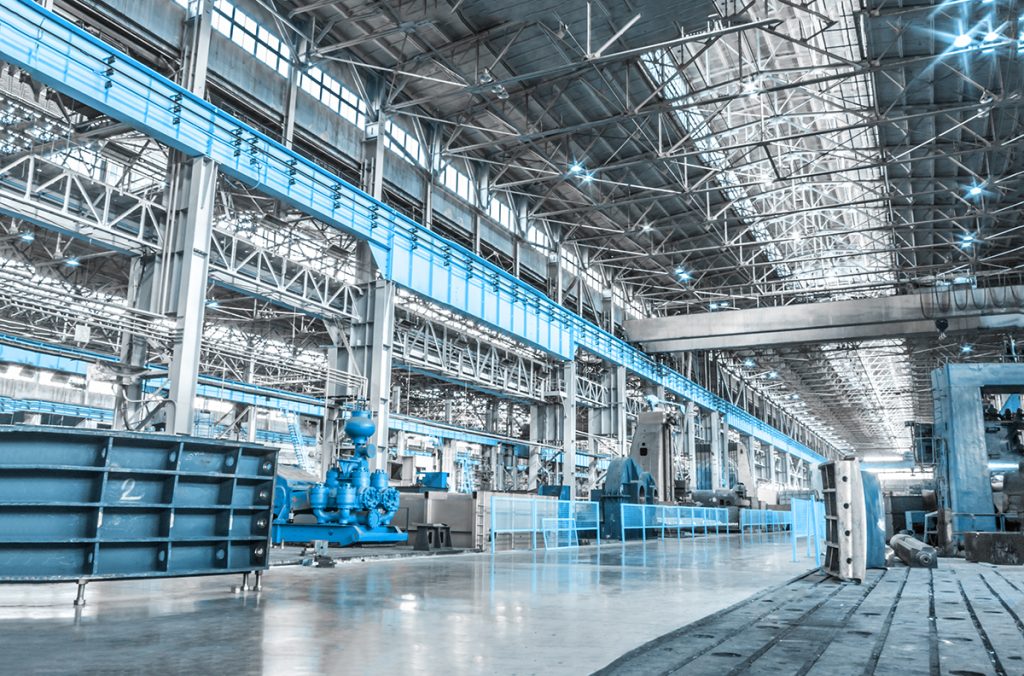
Additionally, even light distribution, minimizing dark spots and glare, is essential for creating a comfortable working environment, reducing accident risks, and improving worker morale.
4. Types of Lights Used in Industrial Lighting
Currently, several types of lights are used in industrial settings, with the most common being:
- LED Lights: Save up to 50–70% energy compared to traditional lights, have a long lifespan, generate less heat, and provide stable illumination.
- Fluorescent Lights: Common in small manufacturing workshops but have the downside of shorter lifespan and higher energy consumption than LEDs.
- High-Intensity Discharge (HID) Lights: Used in warehouses, ports, and parking lots due to their long-range illumination but high energy consumption.
- Halogen Lights: Offer intense brightness but have a short lifespan and high power consumption.
5. Effective Industrial Lighting System Design Solutions
To design an optimal industrial lighting system, several key principles must be followed:
- Proper Light Arrangement: Ensure uniform lighting, minimizing dark spots and glare.
- Combining Natural and Artificial Light: Helps save energy and create a more comfortable working environment.
- Using Light Sensors: Integrate technology to automatically adjust brightness based on real-time conditions.
- Choosing High-Efficiency Lights: High-power LED lights are the best choice for factories.
The trend of smart lighting is also gaining popularity among businesses. These systems can adjust brightness in real-time, integrate motion sensors to automatically turn lights on/off when needed, reducing energy consumption while maintaining optimal working conditions.
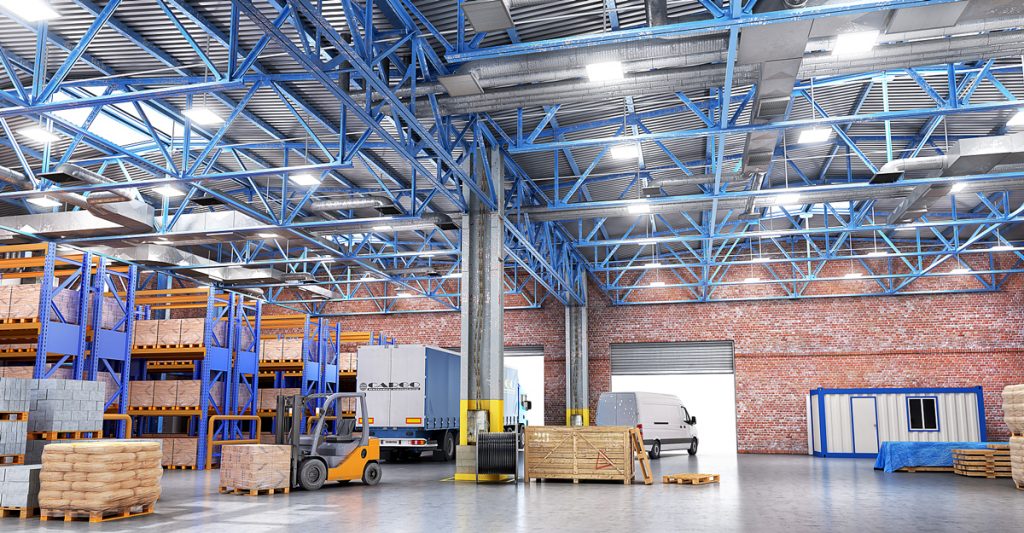
6. Key Considerations for Installing and Maintaining Industrial Lighting Systems
Regular maintenance is crucial to ensuring lighting quality and the longevity of an industrial lighting system. Important factors to consider include:
- Periodic Light Cleaning: Helps maintain stable brightness levels.
- Electrical System Inspection: Ensures wiring and power sources are safe from short circuits or fire hazards.
- Timely Light Replacement: Old lights may reduce lighting efficiency and consume more power.
- Using High-Quality Products: Selecting lights from reputable brands guarantees performance and durability.
Additionally, businesses should consider transitioning from traditional lights to LED technology to save energy and reduce long-term operational costs.
7. Conclusion
Understanding what industrial lighting is allows businesses to optimize working conditions, directly impacting productivity, workplace safety, and operational costs. Investing in high-quality lighting systems, particularly smart lighting solutions, helps improve work efficiency, save energy, and enhance overall production quality in industrial environments.
Choose the right lighting solution to ensure the sustainable growth of your business!
——
For further consultation, please contact Zegal Vietnam using the information below:
Zegal Hanoi
112 Vo Chi Cong, Nghia Do Ward, Cau Giay District, Hanoi
Zegal Ho Chi Minh
319 – C9 Ly Thuong Kiet, Ward 15, District 11, Ho Chi Minh City
Hotline: +84969 14 6688