

When it comes to LED lights, one of the most outstanding benefits is their long lifespan. But how long do LED lights last? What factors affect their longevity? And how can you extend their use? Let’s explore these aspects in detail.
1. How long is the lifespan of LED lights?
1.1 Defining the lifespan of LED lights
The lifespan of an LED light is measured by the number of hours it operates before its brightness decreases to 70% of its original level. Unlike traditional bulbs that burn out suddenly, LEDs gradually dim over time. The L70 parameter indicates the point when an LED’s brightness falls to 70%, marking its rated lifespan.
For instance, if an LED light has an L70 lifespan of 50,000 hours, it means that after 50,000 hours of use, its brightness will be reduced to 70% of the initial level. This helps users understand the performance degradation of LEDs rather than focusing solely on when the light fails entirely.

1.2 Differentiating between usage time and lifespan
The usage time of an LED refers to the total number of hours it is used daily. For example, if a light operates 8 hours per day, it will take 12 years to reach 50,000 hours, while high-quality LEDs can last up to 100,000 hours.
The lifespan reflects the maximum performance LEDs can achieve over time and depends on various factors discussed below.
2. Average lifespan of LED lights in reality
In practice, the lifespan of standard LED lights ranges from 25,000 to 50,000 hours. However, premium LED lights can exceed 50,000 hours, even reaching 100,000 hours under ideal conditions.

These numbers depend on the quality of components and technical factors incorporated by manufacturers. Additionally, actual lifespan can vary based on user habits and the installation environment.
3. Four key factors affecting LED lifespan
3.1 LED chips
LED chips are crucial in determining light output and lifespan. High-quality chips, such as those from Cree, Philips, or Nichia, offer better durability and performance than cheaper alternatives. Stable operation of LED chips helps maintain longer lifespans and minimizes early light degradation.

3.2 Power drivers
The driver is responsible for supplying power to the LED. A quality driver maintains stable voltage, protecting the light from issues like flickering, overheating, or voltage fluctuations. Poor-quality drivers can drastically reduce LED lifespan, leading to premature failures.
3.3 Heat dissipation
LEDs perform best in low-temperature conditions, making heat dissipation critical for longevity. Effective heat dissipation systems, such as aluminum casings or built-in cooling fans, help reduce heat accumulation, preventing overheating.

3.4 Environmental factors
Ambient temperature, humidity, and dust can significantly impact LED lifespan. LEDs exposed to extreme heat, cold, or high humidity deteriorate faster. Outdoor LEDs without proper protection against rain and wind are also more prone to damage.
4. Three tips to extend LED lifespan
4.1 Choose LEDs from reputable brands
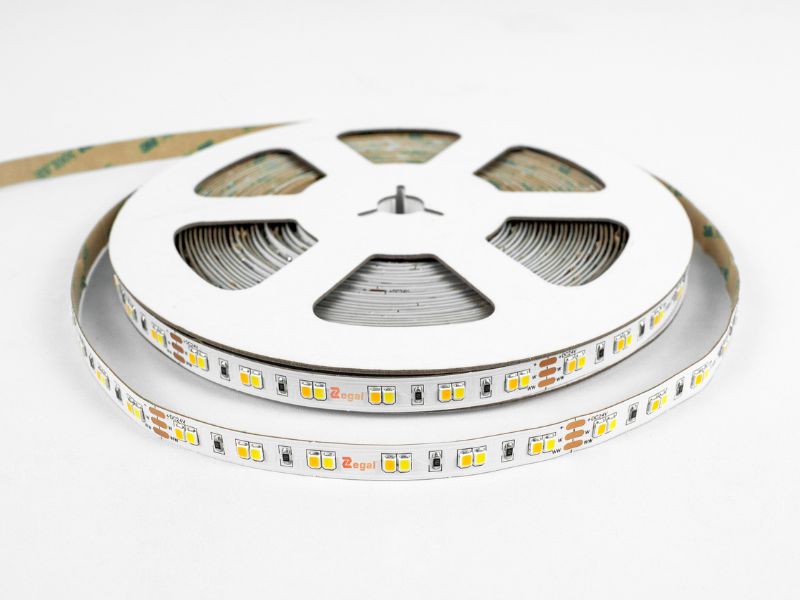
Opting for products from trusted brands ensures high-quality chips and drivers, contributing to stable and durable performance. Brands like Philips, Osram, Cree, or Zegal provide reliable options for long-lasting LEDs.
4.2 Check heat dissipation systems during installation
Ensure LEDs are installed in ventilated areas with good heat dissipation. Avoid placing them in enclosed or high-temperature spaces, as this impairs heat dissipation and reduces lifespan.
4.3 Use appropriate wattage and voltage
Avoid exceeding the rated wattage or using incompatible electrical systems for LEDs. This can overload the driver and shorten the light’s lifespan.

5. Frequently asked questions about LED lifespan
5.1 Does frequent switching affect LED lifespan?
Unlike fluorescent or incandescent bulbs, frequently switching LEDs on and off has minimal impact on their lifespan. LEDs can switch on and off quickly without damaging internal components.
5.2 Why do LEDs last longer than traditional bulbs?
LEDs use semiconductor technology to produce light, consuming less energy and generating less heat than incandescent or fluorescent bulbs. As a result, LEDs experience less wear and tear, extending their lifespan.

5.3 When should LED bulbs be replaced?
Consider replacing LED bulbs when their brightness diminishes to an unacceptable level for your needs. This typically occurs after reaching the L70 threshold or when flickering and instability are noticeable, even if the bulb hasn’t failed entirely.
5.4 How can you check the remaining lifespan of LEDs?
The best way to check LED lifespan is by monitoring the number of hours used and referencing the manufacturer’s rated lifespan. If the light dims significantly or flickers after extended use, it’s likely nearing the end of its lifespan.

Conclusion
The lifespan of LED lights depends on factors such as LED chips, drivers, heat dissipation systems, and environmental conditions. By choosing high-quality products, ensuring proper installation, and maintaining them appropriately, you can extend the lifespan of your LED lights, saving both energy and costs for your home or projects.
For further consultation, please contact Zegal Vietnam
Zegal Hanoi
112 Vo Chi Cong, Nghia Do Ward, Cau Giay District, Hanoi
Zegal Ho Chi Minh
319 – C9 Ly Thuong Kiet, Ward 15, District 11, Ho Chi Minh City
Hotline: +84969 14 6688