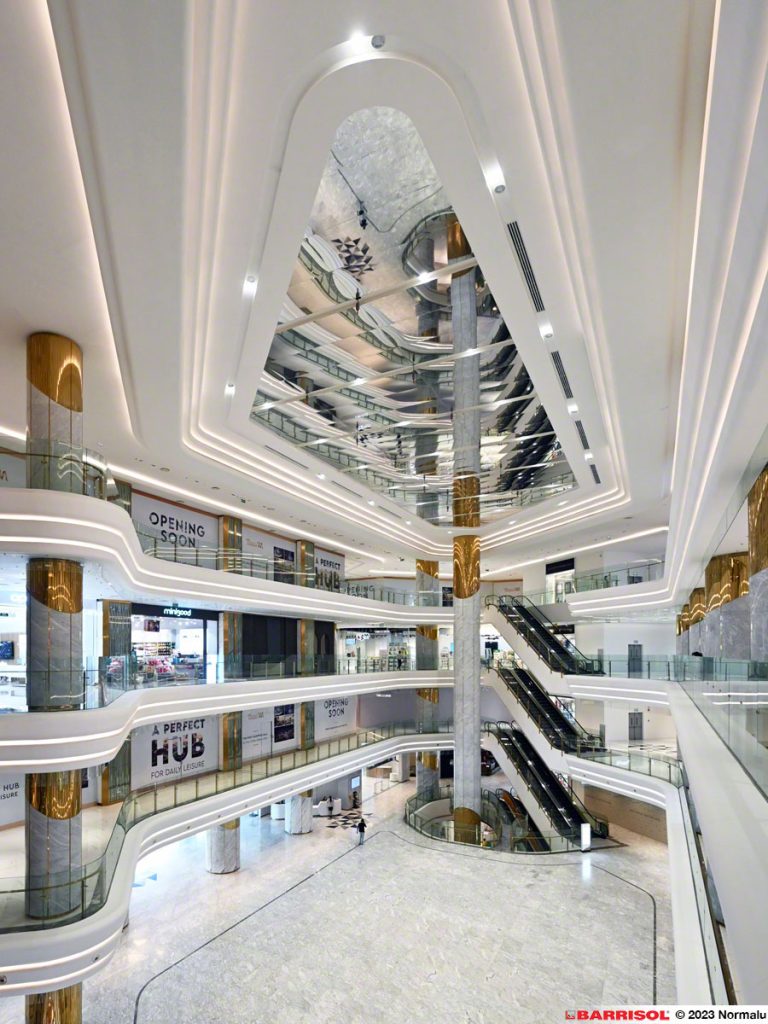


Have you ever felt eye strain or headaches after a long day of working under unsuitable lighting? That is exactly when you need to reconsider your office lighting system.
A scientifically designed and intelligent lighting system does more than simply provide illumination. It is a powerful tool that enhances concentration, reduces stress, and protects your eyesight.
1. Why should you invest in a modern office lighting system?
1.1 Enhancing focus and productivity
High quality lighting, especially natural white light in the 3500K–4500K range, helps stimulate alertness and focus. A well lit working environment supports sustained energy levels, reduces fatigue, and significantly improves work performance.
1.2 Protecting visual health
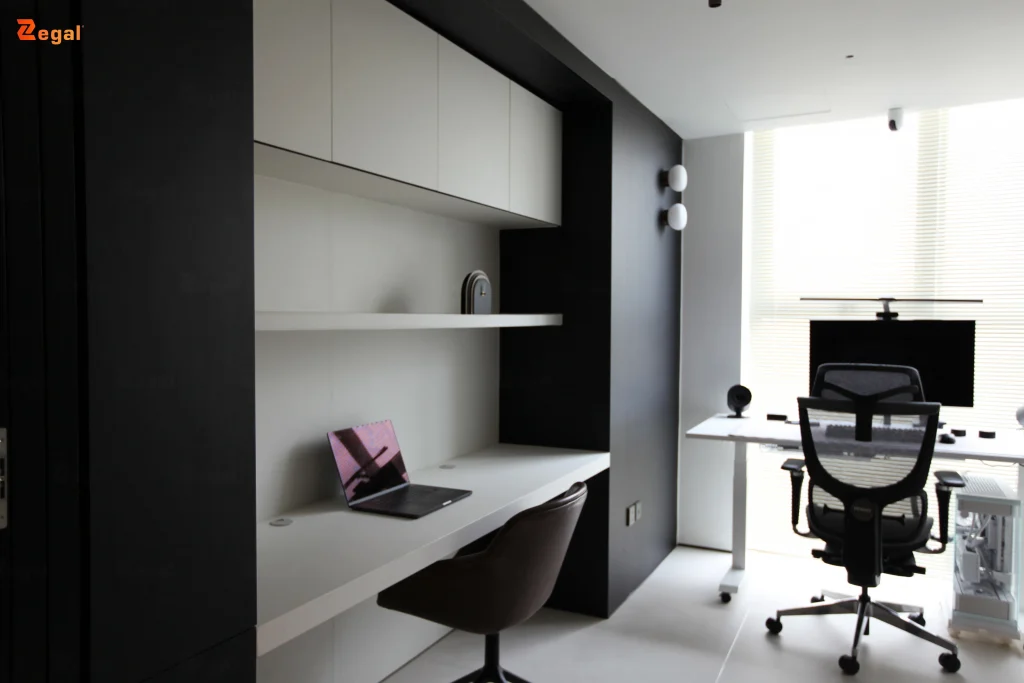
Eye strain, dry eyes, and headaches are common issues when working under poor lighting conditions. A properly designed office lighting system helps reduce glare, eliminate shadows and flicker, and protect your eyes from long term damage.
1.3 Improving mood and creativity
Lighting has a close relationship with human emotions. Natural light and well designed artificial lighting can improve mood, reduce stress, and create a positive working atmosphere, thereby encouraging creativity and inspiration.
1.4 Optimizing the workspace
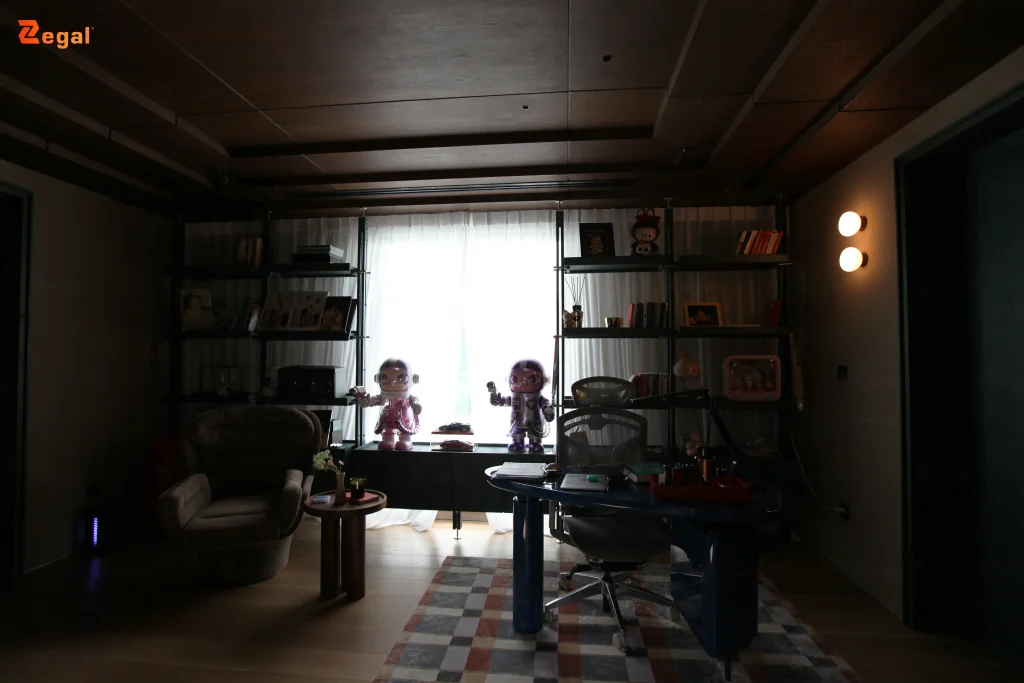
A modern office lighting system offers maximum flexibility. You can easily adjust brightness, color temperature, and beam angles to suit specific tasks, transforming your workspace into a highly versatile and convenient environment.
2. Key principles in office lighting design
To create an efficient and comfortable working environment, it is essential to follow several fundamental principles. These are core guidelines consistently applied by professional lighting designers:
2.1 Task lighting
This is the direct light source dedicated to your work activities. A high quality desk lamp is an essential choice. The lamp should allow adjustment of both brightness and beam angle, enabling you to focus light on documents, keyboards, or specific work areas without causing glare. The objective is to eliminate shadows and ensure clear visibility at all times, thereby reducing eye strain.
2.2 Ambient lighting
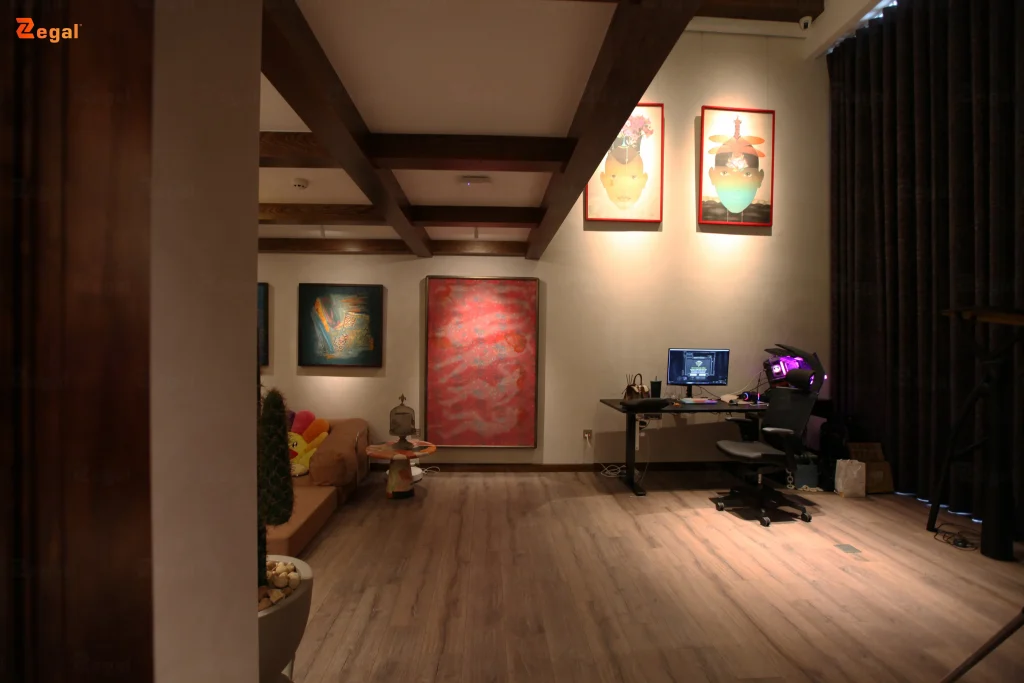
In office lighting, ambient lighting provides the general background illumination for the entire room, helping to balance light levels and reduce contrast between the work area and surrounding spaces. This lighting should not be too intense to avoid glare.
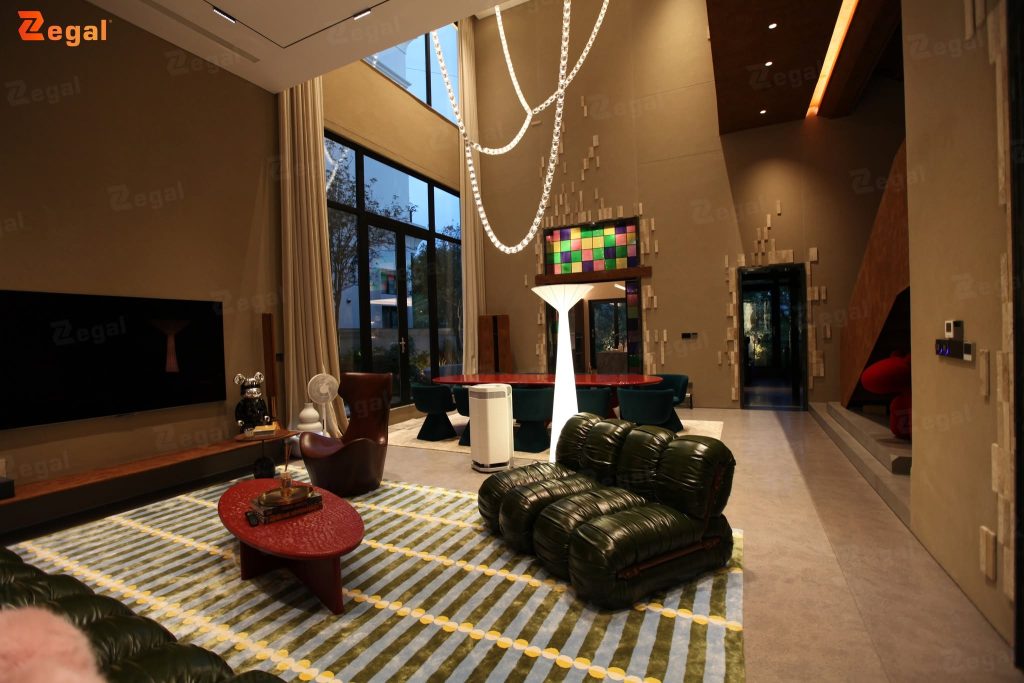
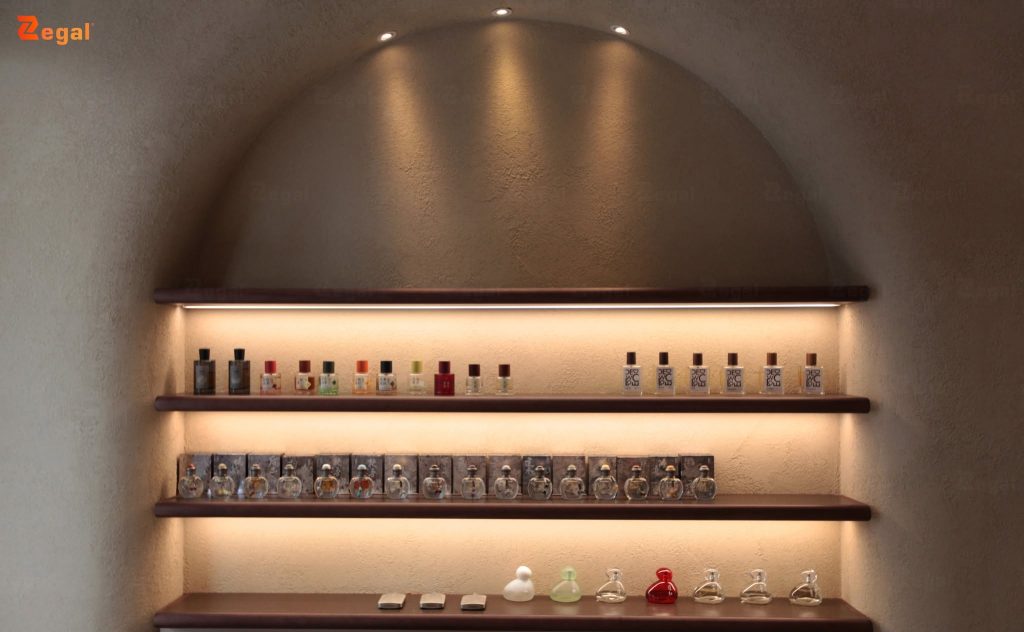
Recessed lights, surface mounted ceiling lights, or cove lighting are excellent options. They deliver even illumination throughout the space, creating a comfortable and spacious atmosphere.
2.3 Natural light
Sunlight is the best and most cost effective light source. Maximizing the use of natural light not only reduces energy consumption but also has a positive impact on mood and overall health.
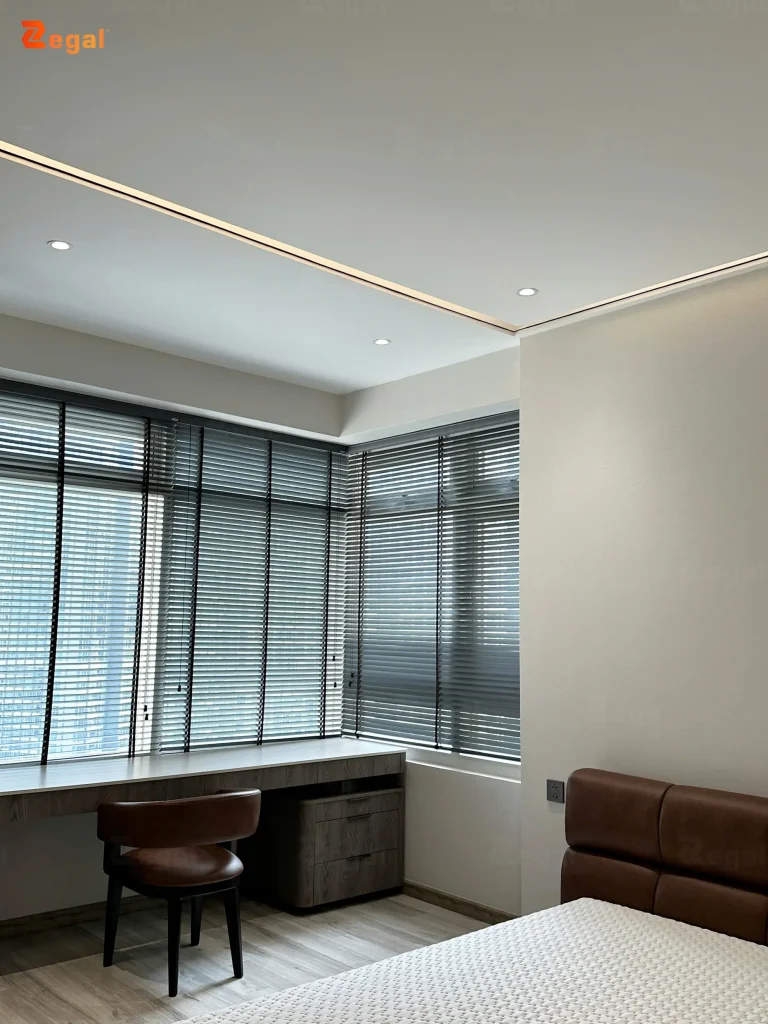
Place your desk near a window, but avoid direct sunlight shining onto the computer screen, as this can cause glare and visual discomfort. Curtains or blinds are effective solutions for controlling the amount of natural light.
2.4 Color temperature
Color temperature directly affects alertness and emotional response.
- Neutral white light (3500K–4500K): This is the ideal choice for office lighting. It closely resembles daylight, helping improve focus, alertness, and overall productivity.
- Cool white light (5000K–6500K): Although very bright, this type of light can cause glare and visual tension, making it unsuitable for tasks that require comfort and sustained concentration.
- Warm white light (2700K–3000K): This lighting is more suitable for relaxation rather than work. Using warm white light in an office environment may lead to drowsiness and reduced focus.
3. Factors affecting effective office lighting
An effective lighting system cannot be separated from other elements within the workspace. To achieve an optimal design, the following factors should be considered:
3.1 Room layout and desk placement
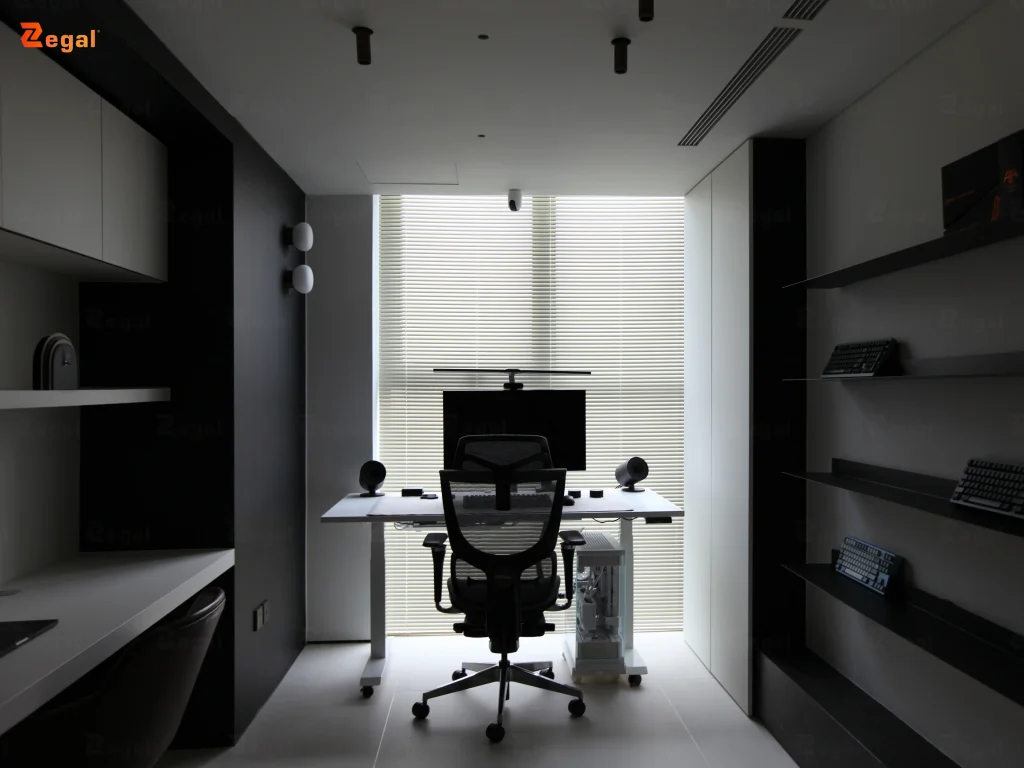
The position of the desk relative to windows and artificial light sources is critical. Avoid placing the desk directly facing or backing a window to prevent screen glare. Ideally, light should come from the side, preferably from the non dominant hand side, to minimize shadows while writing or working.
3.2 Wall and interior colors
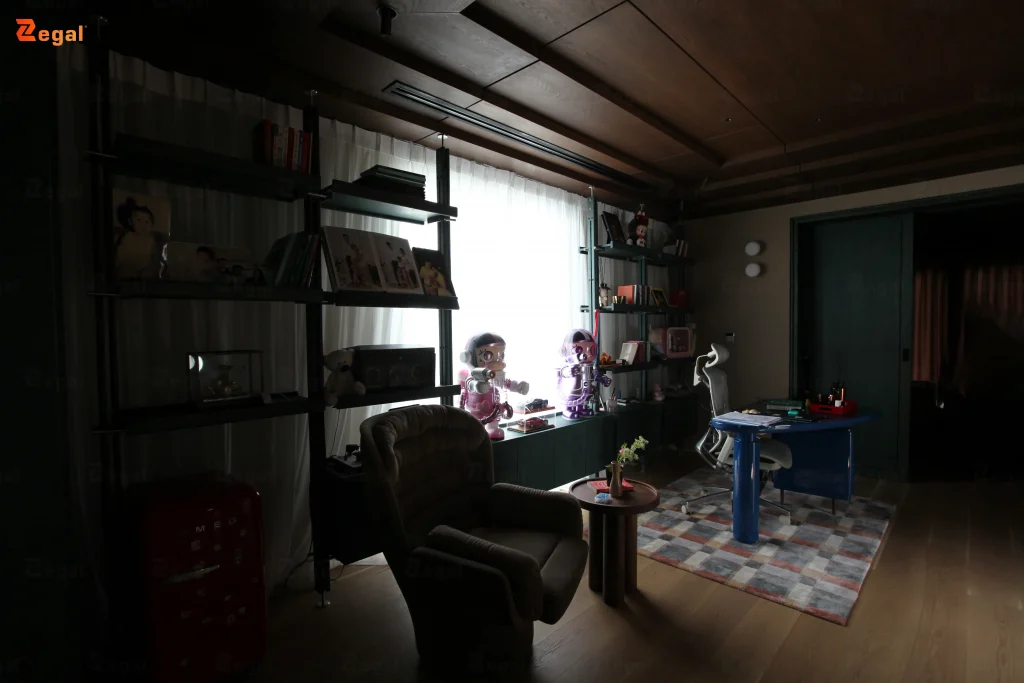
Light colors such as white, beige, and light gray reflect light more effectively, making the room appear more spacious and brighter. In contrast, dark colors absorb light, which requires the use of stronger light sources.
3.3 Lighting types and technology
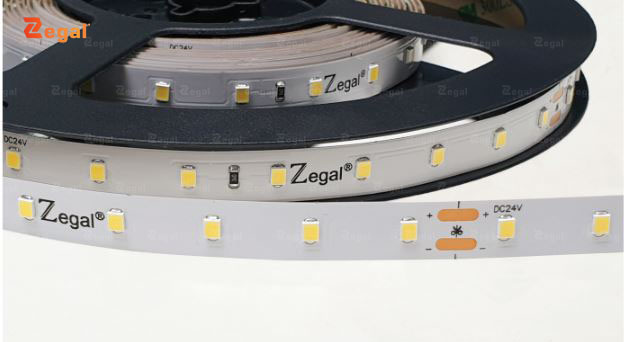
LED technology is the leading choice for modern workspace lighting. LED fixtures are energy efficient, have a long lifespan, and generate minimal heat. More importantly, they allow flexible control of brightness and color temperature, meeting a wide range of functional requirements.

3.4 Smart control systems
With smart lighting solutions, the entire lighting system in the workspace can be adjusted through a few simple operations on a smartphone or tablet.
Different lighting scenes can be set for specific activities. Brighter and cooler light supports tasks that require concentration, while softer light is suitable for relaxation or reading.
4. Key considerations in workspace lighting design
Workspace lighting design is not only a matter of aesthetics but also of health. The eyes are one of the most sensitive parts of the body and are particularly vulnerable when working in poor lighting conditions.
- Avoid direct glare: Light from fixtures should not shine directly into the eyes or onto computer screens. Use luminaires with shades or indirect lighting to distribute light more softly.
- Minimize flicker: Flickering light, even when barely noticeable, can cause eye strain, headaches, and fatigue. Choose high quality LED lighting with anti flicker technology to protect visual comfort.
- Ensure lighting balance: When working with a computer, the brightness of the screen should be consistent with the ambient lighting. Excessive contrast between the screen and the surrounding environment forces the eyes to continuously adjust, leading to rapid eye fatigue.
5. Conclusion
A well planned and intelligently designed workspace lighting system is a worthwhile investment in health and productivity. Poor lighting quality can negatively affect concentration and work efficiency.
Begin by reviewing your current workspace, identifying areas that require improvement, and applying the principles outlined above. Even modest adjustments to lighting can result in noticeable improvements in comfort and performance. Create a workspace that is visually balanced, functional, and supportive of long term work efficiency.
——
For further consultation, please contact Zegal Vietnam using the information below:
Zegal Hanoi
112 Vo Chi Cong, Nghia Do Ward, Hanoi
Zegal Ho Chi Minh
319–C9 Ly Thuong Kiet, Phu Tho Ward, Ho Chi Minh City
Hotline: +84969 14 6688