

In a modern home, lighting is no longer just a simple on and off switch. It becomes a system designed to adapt to time, activities, and the emotions of the people using the space. When control technology is integrated into the electrical and lighting systems, the environment begins to “respond” to human behavior. This is the foundation of smarthome. So what is smarthome, and why is this concept increasingly becoming a standard in modern residential and commercial design?
1. What is smarthome? understanding the true nature of a smart home
If asked in the simplest way, what is smarthome, the common answer is a house where devices can be controlled by a phone. However, this explanation only touches the surface of the concept.
The true nature of smarthome lies in a central control system that connects and manages all devices in the house, from lighting, curtains, and air conditioning to security systems. These devices do not operate independently but are linked together within a unified control network.
Bản chất của smarthome là một hệ thống điều khiển trung tâm kết nốiThe key difference lies in the ability to create operating scenes. Instead of turning on each switch individually, users only need to activate a mode. For example, when switching to “Evening” mode, the system can simultaneously dim the ceiling lights, turn on wall washing lights, and close the curtains. The atmosphere of the space changes within seconds.
In other words, smarthome does not simply make device control more convenient. It changes the way people interact with their living environment.
2. Why smarthome is becoming a trend in modern architectural design
In traditional architecture, electrical systems are designed with a very simple logic. Each switch controls one device.
A living room may have three or four separate switches for different lighting groups. This arrangement creates several limitations. Users find it difficult to control the entire lighting environment of the room, and the space cannot easily adapt to different activities.
When smarthome systems are introduced, the entire control logic is reorganized. Instead of controlling individual devices, the system begins to control the overall state of the space.
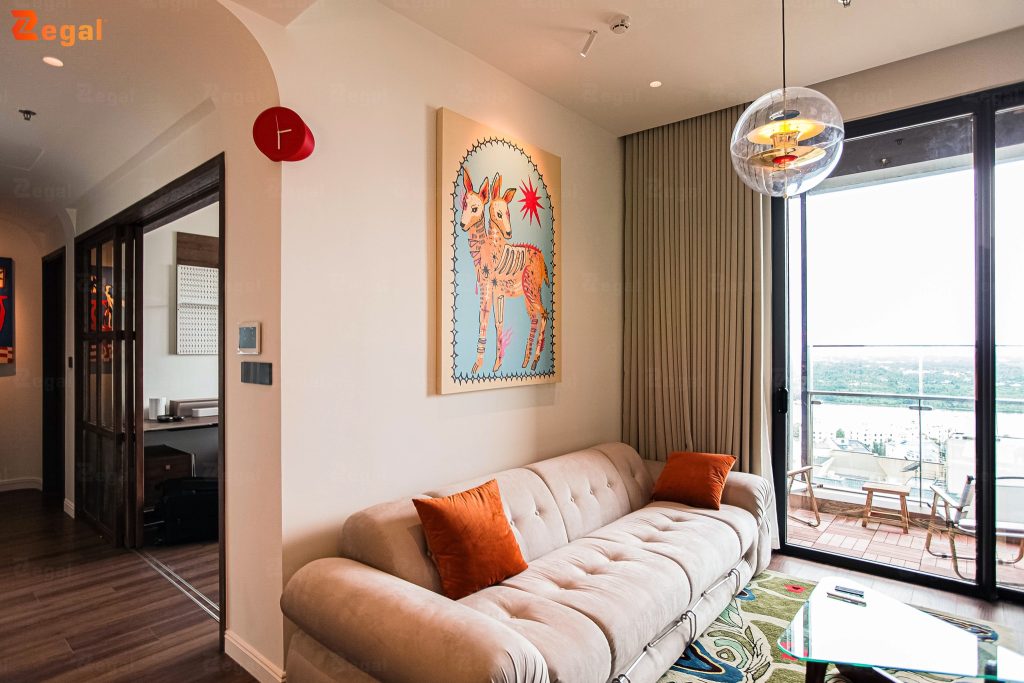
A living room, for example, can have multiple lighting modes. A guest reception mode requires clear and evenly distributed light. A movie mode needs softer lighting focused on a few accent points. An evening relaxation mode may reduce brightness to create a warmer atmosphere.
These changes can only be implemented effectively when the lighting system is connected to an intelligent control platform.
3. The role of lighting in a smarthome system
3.1 Lighting intensity and spatial experience
Lighting intensity is typically measured in lux. A typical living room requires around 150 to 300 lux. However, this number is not always fixed.

When reading or working, users may need stronger lighting. When watching a movie, the lighting level needs to be significantly reduced.
Smarthome allows lighting intensity to be adjusted flexibly through dimming. As a result, one space can accommodate many different activities without changing the lighting system.
3.2 Color temperature and circadian rhythm
Color temperature, or CCT, is an important factor in modern lighting design. Cool white light around 5000K often creates a sense of alertness and focus. Warm light around 2700K, on the other hand, brings a relaxing atmosphere.
In advanced smarthome systems, color temperature can change according to the time of day. In the morning, lighting can be closer to natural daylight to stimulate alertness. In the evening, the system automatically shifts to warmer tones so the body can relax more easily. This adjustment simulates the natural daylight cycle and helps support the human circadian rhythm.
3.3 Color rendering index and lighting quality
CRI indicates the ability of a light source to reproduce colors accurately. In residential spaces or interior showrooms, CRI should reach 90 or higher to ensure materials appear with true colors. A well designed smarthome system does not only control lights on and off. It also ensures that lighting sources are of high quality and are used in the right position within the space.

3.4 Glare control
Glare is a factor that is often overlooked in lighting design. When light is too intense or shines directly into the field of vision, the eyes quickly become uncomfortable.
The UGR index is commonly used to evaluate the level of glare in a lighting system. Smarthome helps control glare by adjusting light intensity or changing the lighting state of each lighting group.
4. Structure of a smarthome system
To better understand what smarthome is, it is necessary to look at the technical structure of the system. A complete smarthome system typically consists of three main layers.

- The first layer is the central controller. This is where all signals and operating scenarios of the system are processed.
- The second layer consists of interface devices. These may include smart panels, smartphones, or remote control applications.
- The third layer includes actuator devices such as dimmers, relays, or LED drivers. These devices receive commands from the system and execute the control of electrical equipment.
When these three layers operate in sync, users can control the entire space through just a few simple actions.
5. Advantages of smarthome systems in living spaces
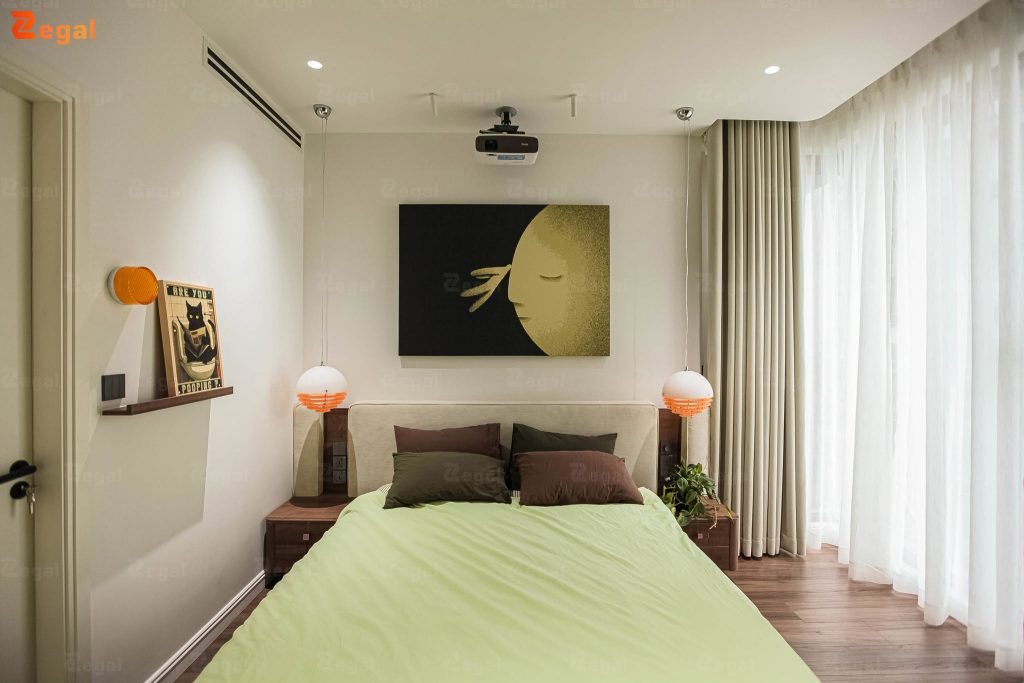
The greatest benefit of smarthome lies in its ability to optimize the spatial experience. Lighting can change according to different times of the day. When entering the house, the system can automatically activate a welcome scene. Corridor lights turn on softly, the living room switches to ambient lighting, and the curtains open automatically.
Smarthome also helps save energy. Motion sensors can turn off lights when no one is in the room. The system can also reduce lighting intensity when natural daylight is sufficient.
Another advantage is remote control capability. Users can check the status of devices in their home through a smartphone, even when they are away.
6. Common misconceptions about smarthome
One of the most common misunderstandings is that smarthome simply means controlling devices through a phone. In reality, the phone is only a control interface. The core of smarthome lies in the automation logic and operational scenarios of the system.
Another misconception is that smarthome is only suitable for large houses. In fact, many modern apartments can also implement this system on a smaller scale.
In addition, some people believe that the more devices installed, the smarter the system becomes. This is not entirely true. An effective smarthome system depends more on the design of its scenarios and the overall lighting layout.

7. Common mistakes when implementing smarthome
The most common mistake is implementing smarthome after the project has already been completed. At that stage, the lighting system is usually fixed, which limits the flexibility of control.
Another mistake is not layering the lighting. In architectural lighting design, a space is typically formed by multiple layers of light. If all lights are controlled at the same time, the smarthome system will not be able to perform effectively.
In addition, the position of the control panel must be carefully planned. If the panel is installed in the wrong location, the user experience can become inconvenient.
8. A few lighting design principles when implementing smarthome
When designing smarthome systems for residential or commercial spaces, it is important to start with the lighting layout rather than the control devices.
The first step is to clearly define the lighting layers within the space. Ambient lighting provides the general background illumination. Task lighting supports specific activities. Accent lighting highlights architectural elements or materials.
Once these lighting layers are defined, the control system can then be designed to operate them through different scenarios.
Light sources should have a high CRI to ensure accurate color rendering. Color temperature should be selected according to the function of each area. At the same time, glare must be controlled so that the lighting remains comfortable for the eyes.

9. Conclusion
Understanding what smarthome truly means is not only about understanding a system that controls devices. It is about organizing lighting and technology so that living spaces become more flexible, more efficient, and better aligned with human daily rhythms.
When designed properly from the beginning, smarthome does not only provide convenience. It also enhances lighting quality and improves the overall spatial experience in modern architecture.
——
For further consultation, please contact Zegal Vietnam using the information below:
Zegal Hanoi
112 Vo Chi Cong, Nghia Do Ward, Hanoi
Zegal Ho Chi Minh
319–C9 Ly Thuong Kiet, Phu Tho Ward, Ho Chi Minh City
Hotline: +84969 14 6688