

1. What Is Living Room Lighting and Why Is It Becoming Increasingly Important?
Living room lighting is not merely about installing lights to achieve “sufficient brightness.” It is an integral part of interior design, playing a crucial role in shaping the atmosphere, guiding visual focus, defining spatial zones, and evoking emotion. When lighting is thoughtfully designed, the living room feels more spacious, more inviting, and above all, clearly reflects the homeowner’s lifestyle and personal taste.

In an era when people spend more time at home, the demand to “optimize emotional experience” within living spaces has grown significantly. Lighting, with its inherent flexibility and transformative potential, has become the most powerful tool to make that happen.
2. Key Principles to Understand When Designing Living Room Lighting
To design effective living room lighting, it is essential to understand the three fundamental layers of light: ambient lighting, task lighting, and accent lighting.
2.1 Ambient Lighting – The Foundational Layer of the Living Space
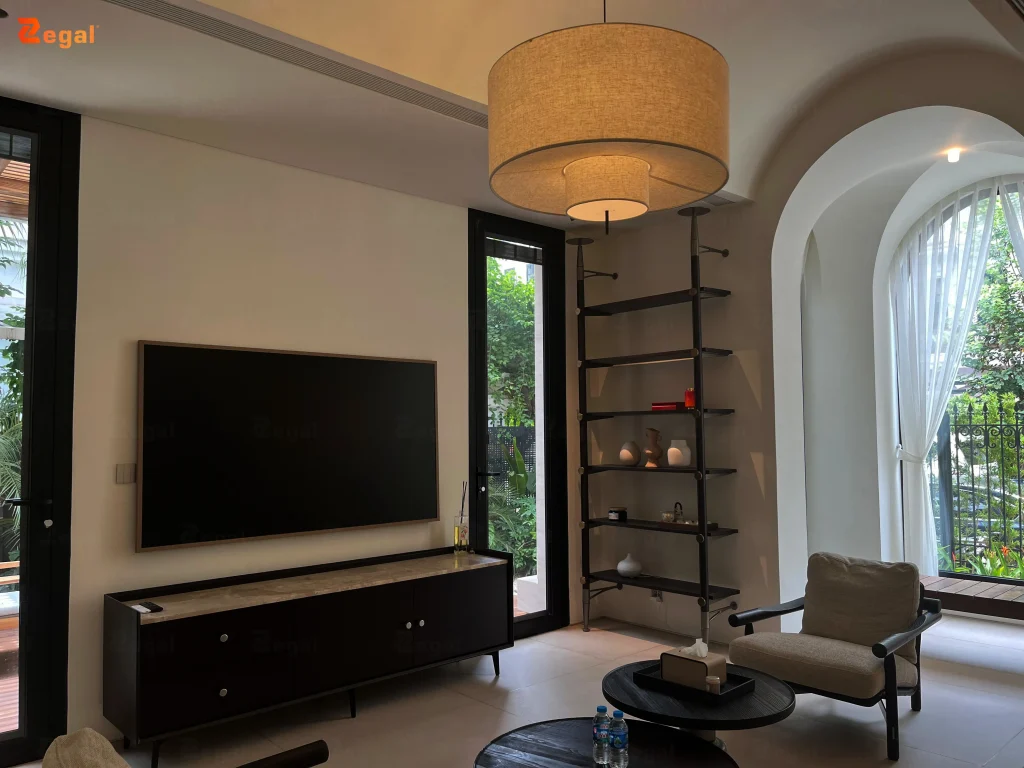
This is the layer of light that covers the entire room, typically created by recessed lights, chandeliers, or pendant lights. It functions as a “visual backdrop,” ensuring the space remains free of dark areas and providing a comfortable level of illumination for everyday activities.
2.2 Task Lighting – Supporting Specific Activities
When you read on the sofa, work in a small corner, or play with your children, task lighting provides direct, functional support. Table lamps, floor lamps, and wall-mounted lights can all fulfill this role effectively.
2.3 Accent Lighting – When Light Tells a Story
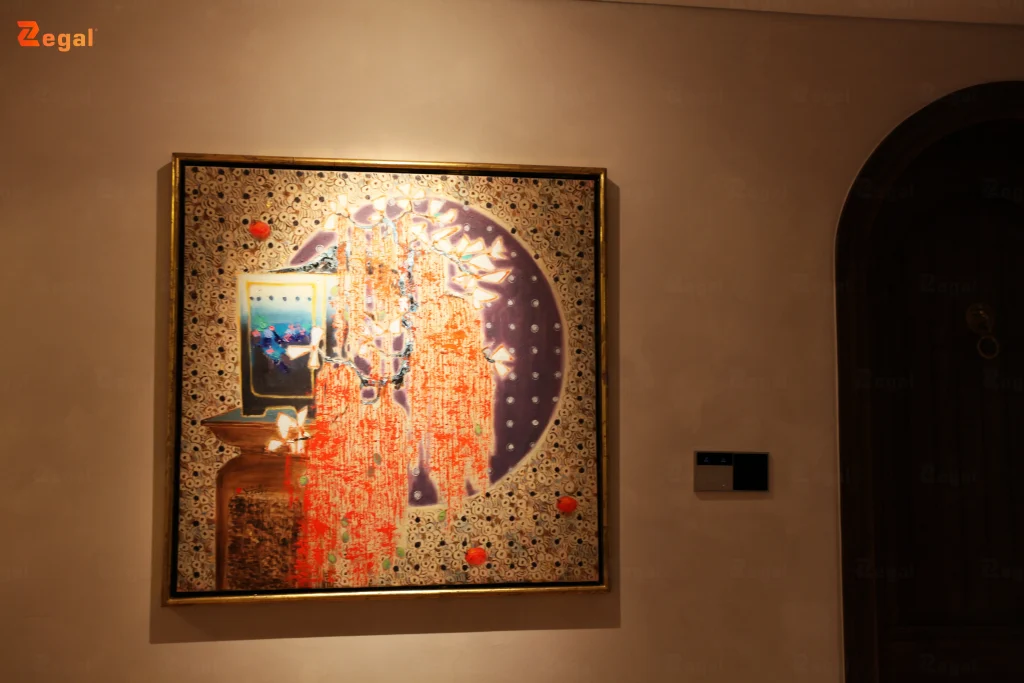
This is where lighting truly comes to life. Light can be used to highlight a wall-mounted artwork, accentuate a textured brick surface, or create soft, subtle light lines around a gypsum ceiling. It not only adds depth to the space, but also reflects the personality and style of those who live in it.
3. 4 Factors That Directly Influence Living Room Lighting
Lighting design cannot be separated from the real context of the space. Below are four key factors that determine the effectiveness of living room lighting.
3.1 Spatial Layout and Ceiling Height
Low ceilings require evenly distributed light and discreet fixtures such as recessed lights or concealed cove lighting. In contrast, high ceilings allow greater freedom in using pendant lights, chandeliers, or flexible track lighting systems.
3.2 Interior Materials and Color Palette
Light-colored walls help diffuse light more effectively, while dark walls or textured materials tend to absorb light and therefore require higher intensity or placement closer to light sources. Materials such as glass, polished stone, or metal strongly reflect light, so the direction of illumination needs to be carefully controlled to avoid glare.

3.3 The Functional Use of the Living Room
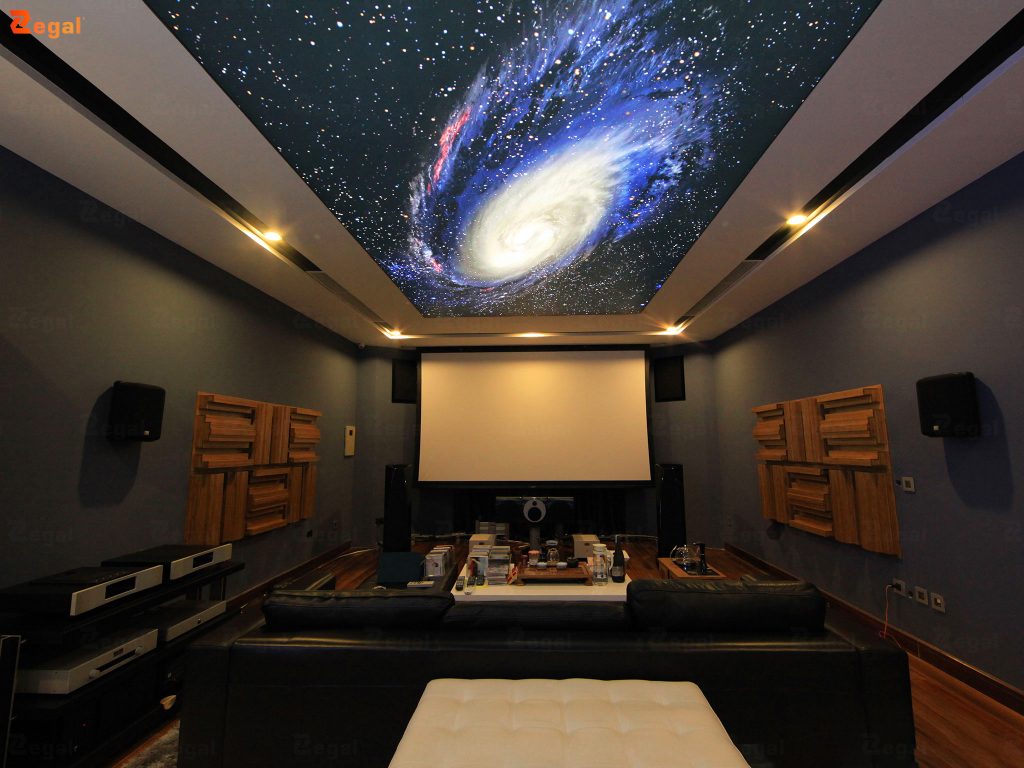
A living room designed primarily for entertaining guests requires bright and evenly distributed lighting. However, if the space is frequently used for watching movies or relaxing, dimming systems and indirect lighting will help create a softer, more comfortable visual environment.
4. Modern Living Room Lighting Trends in 2025
Let us look ahead to the near future to see where living room lighting is heading and which emerging directions you should start paying attention to today.
4.1 Personalized Lighting
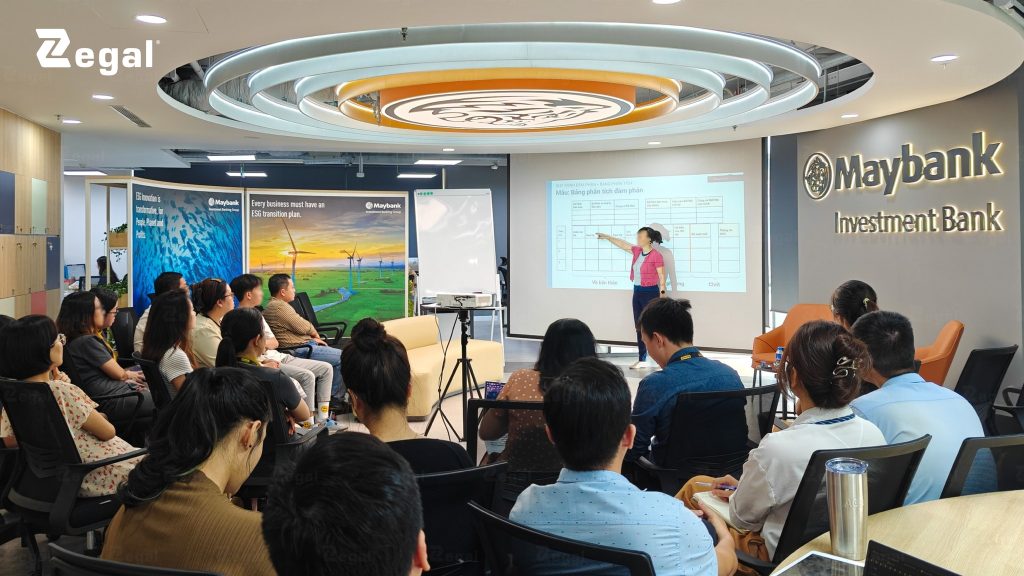
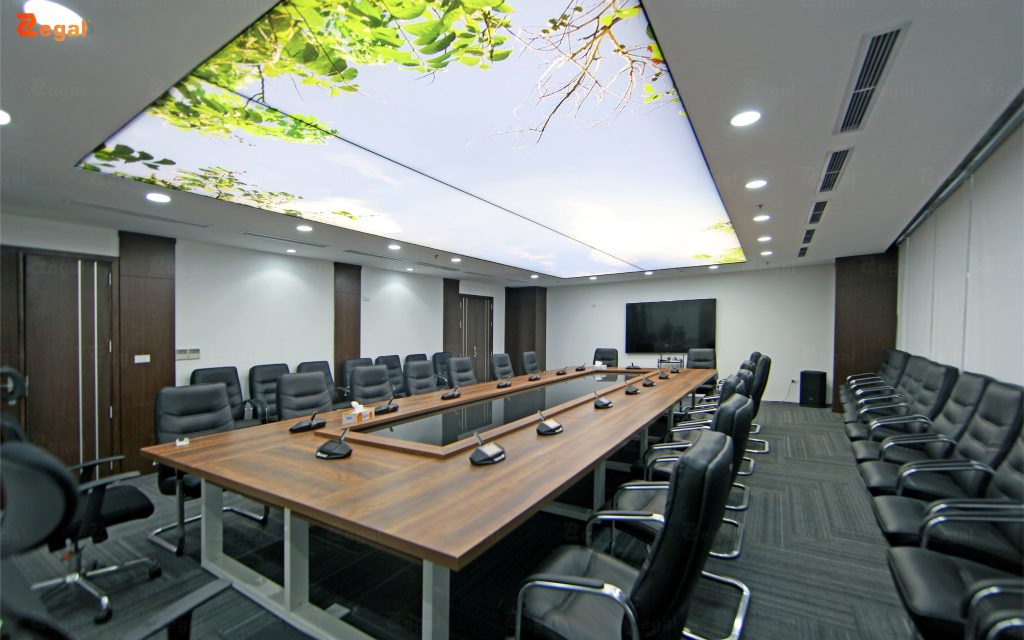
Modern users want lighting that adapts to their mood. They are no longer satisfied with brightness alone, but seek light that feels “right at the right moment.” From warm, amber tones for relaxed evenings to bright white light for productive mornings, everything can be adjusted with just a few taps on a smartphone. In 2025, personalized lighting through translucent ceilings has become a trend that cannot be overlooked.

4.2 Architecturally Integrated Lighting: “Invisible” Light Within the Space
Instead of exposed fixtures, lighting is increasingly integrated into ceiling coves, furniture edges, wooden trims, or even decorative materials themselves. Light appears subtly within the space, creating a seamless and refined atmosphere without visual excess. This approach has become the preferred choice for minimalist and sophisticated interiors.
4.3 Circadian Lighting
With the support of technology, living room lighting can now automatically adjust according to the human circadian rhythm: soft and gentle light in the early morning, cooler white light at midday, and gradually warmer tones toward the evening.
This approach helps the body stay aligned with natural light cycles, improving sleep quality and overall well-being. It is not merely a trend, but a more human-centered way of thinking about lighting design.
4.4 Seamless Integration with the Smart Home Ecosystem
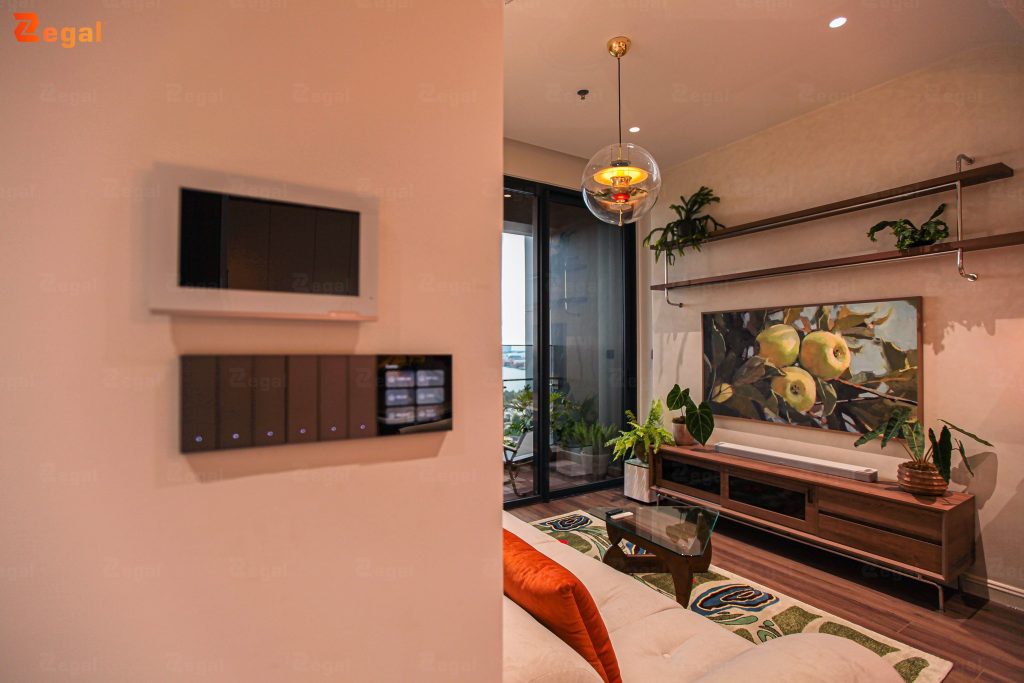
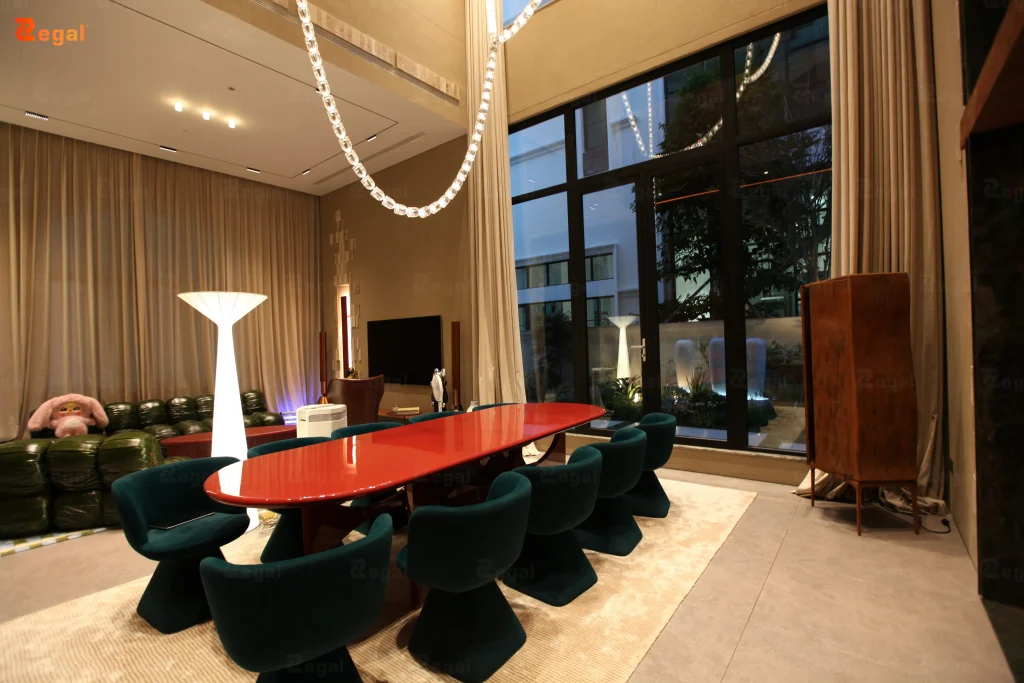
Living room lighting in 2025 no longer exists in isolation. It becomes part of a smart ecosystem, integrated with curtains, air conditioning, televisions, and more. When you activate an “entertainment” mode, the lights automatically shift in color, dim to the appropriate level, the TV turns on, and the curtains close. Everything is controlled by voice commands or automated programming. A truly smart living experience.
4.5 Creative Use of Diffusing Materials and Visual Effects
Architects and designers are actively experimenting with new materials to shape and diffuse light, ranging from translucent panels and frosted acrylic to mesh fabrics and matte glass. When combined with LED technology, these materials create soft, ethereal lighting effects, making the living room feel as if reality itself has been gently blurred in a highly artistic way.
5. Conclusion
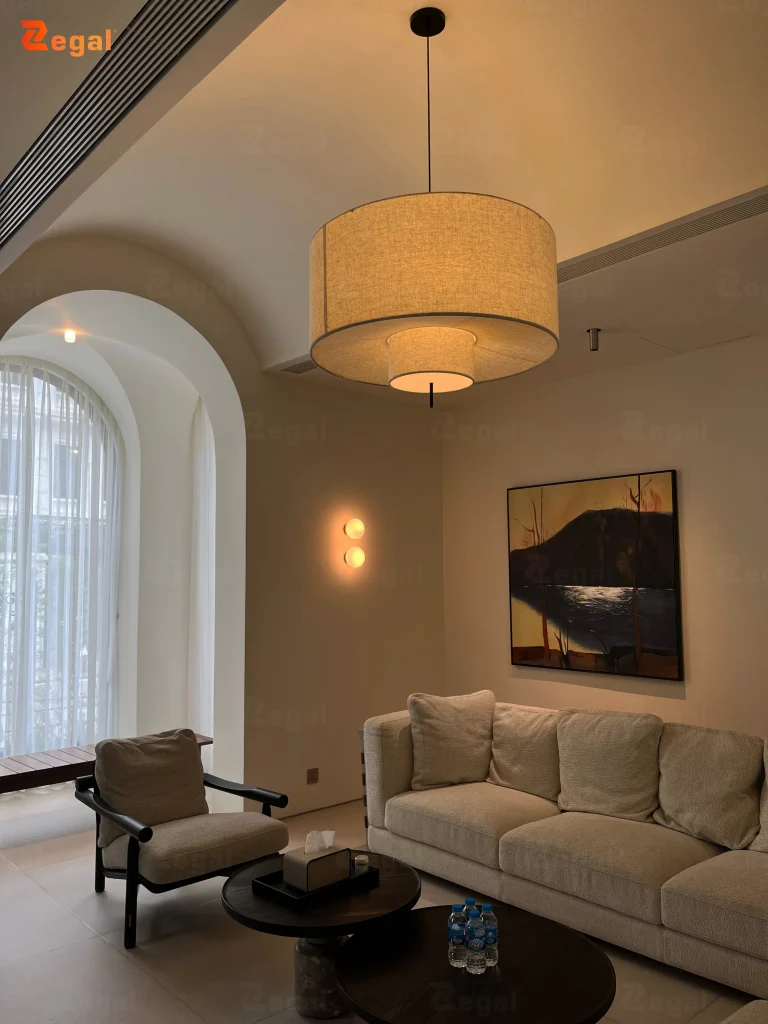
In an era where emotion and personal experience are increasingly valued, living room lighting can no longer be treated as an afterthought. A well-designed lighting system does more than enhance aesthetics; it supports emotional well-being, fosters human connection, and reflects an individual way of living.
Do not choose lighting simply to achieve “enough brightness.” Choose light to create a feeling. When you do, the living room is no longer just a place to receive guests, but a space you genuinely want to return to every day.
——
For further consultation, please contact Zegal Vietnam using the information below:
Zegal Hanoi
112 Vo Chi Cong, Nghia Do Ward, Hanoi
Zegal Ho Chi Minh
319–C9 Ly Thuong Kiet, Phu Tho Ward, Ho Chi Minh City
Hotline: +84969 14 6688