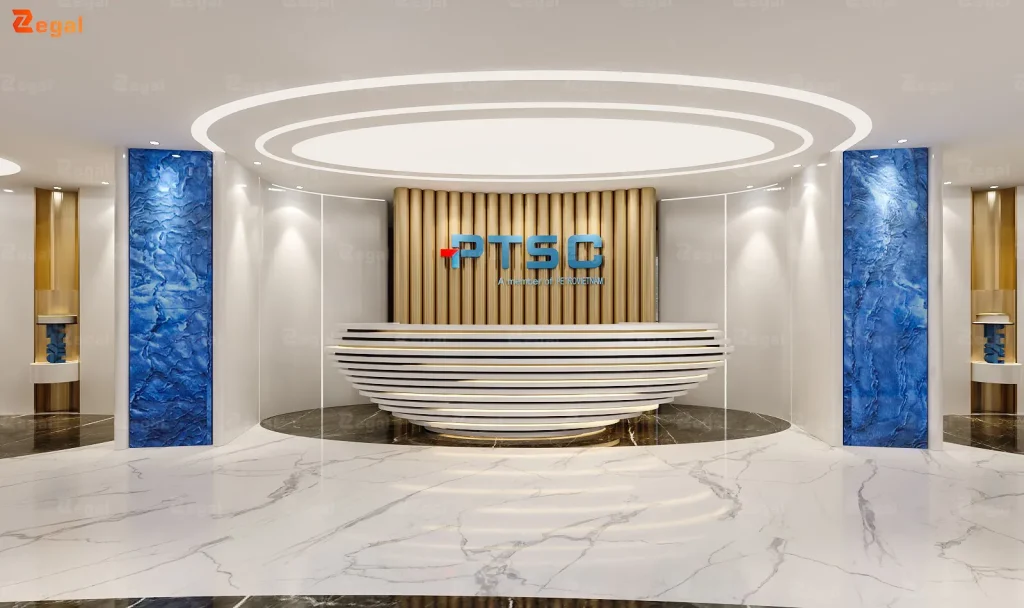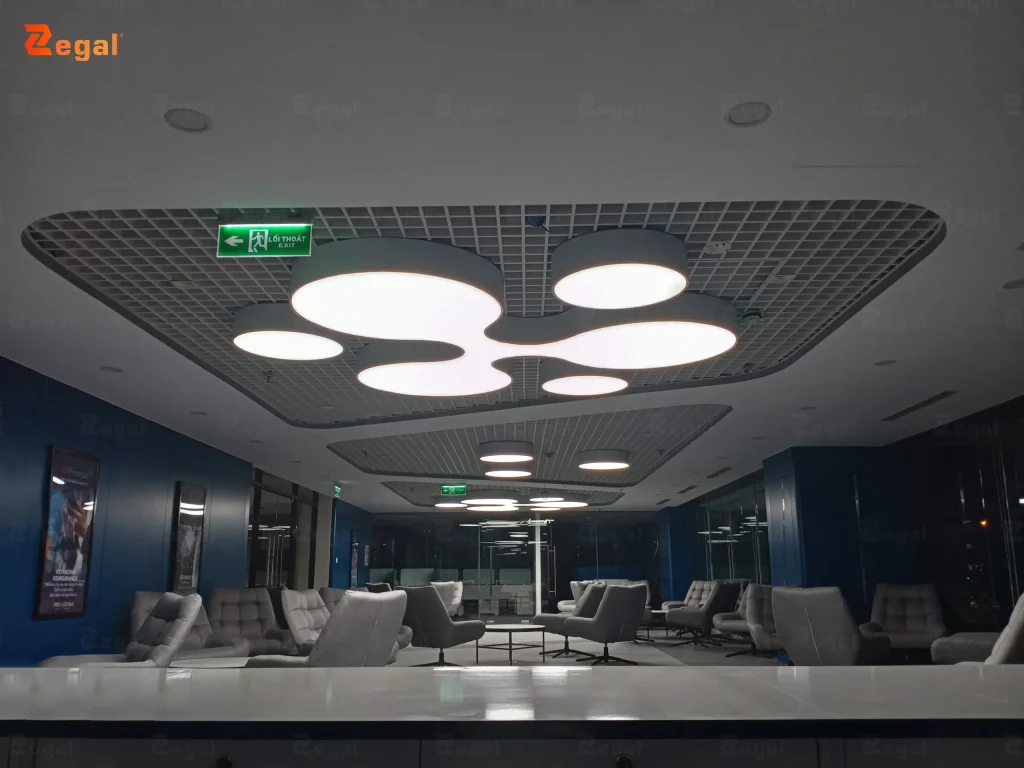



Lighting plays a crucial role in architectural design, not only aiding visibility but also influencing health, mood, and work performance. A well-lit space enhances comfort and improves the overall living and working experience. This article explores architectural lighting standards, their practical applications, and modern lighting trends.
1. Introduction to Lighting Standards in Architecture
In architecture, lighting serves two primary functions: ensuring sufficient visibility and creating a visually comfortable environment. A well-designed lighting system not only provides the right brightness but also enhances the aesthetics of a space, improving work efficiency and mental well-being. Applying lighting standards in architecture helps optimize illumination for different environments, including residential spaces, offices, and public buildings.
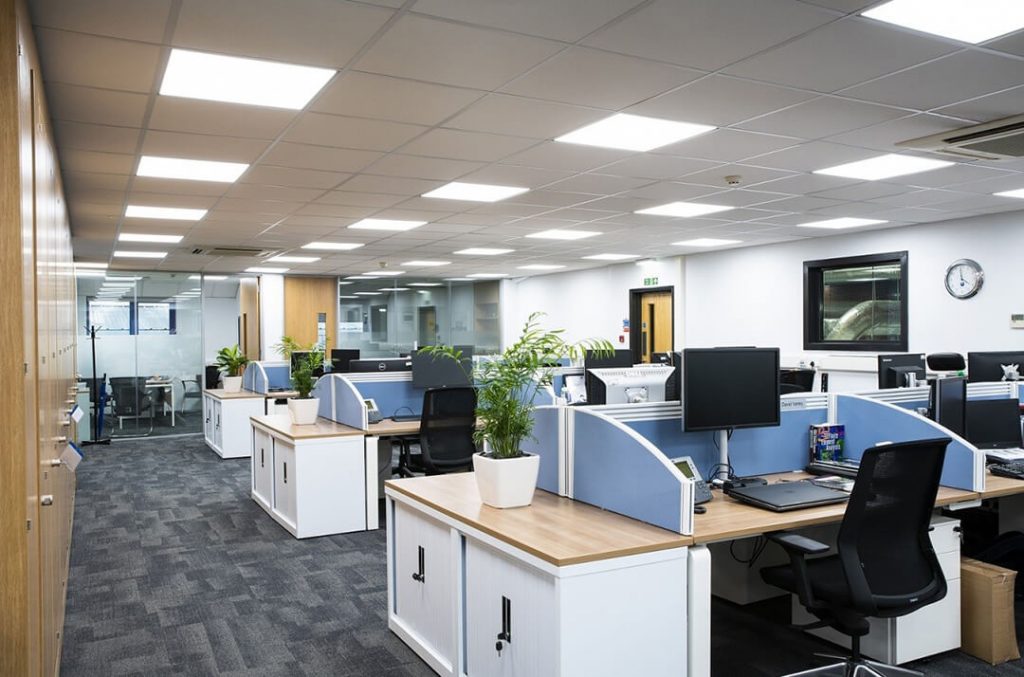
Lighting standards go beyond brightness levels, considering factors such as color temperature, color rendering index (CRI), glare rating, and light distribution. A balanced combination of natural and artificial lighting brings vibrancy, energy efficiency, and aesthetic appeal to spaces.
2. Key Lighting Standards in Architecture
2.1. Illuminance (Lux) for Different Spaces
Illuminance (measured in lux) refers to the amount of light falling on a surface. It is the fundamental standard for determining suitable brightness levels for different environments.
| Space Type | Standard Illuminance (Lux) |
| Living rooms, bedrooms | 150 – 300 lux |
| Office workspaces | 300 – 500 lux |
| Schools | 500 – 750 lux |
| Hospitals, clinics | 500 – 1000 lux |
| Restaurants, hotels | 200 – 400 lux |
| Shopping malls | 300 – 700 lux |
| Industrial facilities | 500 – 1500 lux |
Each space requires a specific lighting level to ensure usability while preventing eye strain or lack of focus.
2.2. Color Rendering Index (CRI)
The Color Rendering Index (CRI) measures how accurately a light source reproduces colors compared to natural sunlight. The CRI scale ranges from 0 to 100.
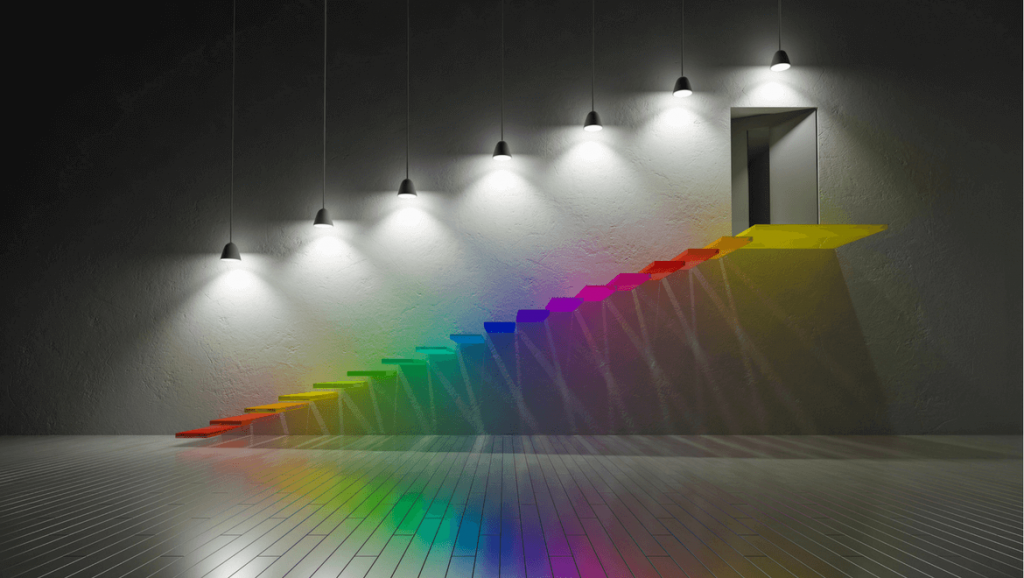
- CRI ≥ 80: Suitable for most living spaces.
- CRI ≥ 90: Used in art galleries, medical facilities, and photography studios.
- CRI < 70: Not recommended due to significant color distortion.
2.3. Color Temperature (Kelvin – K) for Different Spaces
Color temperature impacts human perception of light:
- 2700K – 3500K (Warm Light): Ideal for homes and restaurants, creating a cozy ambiance.
- 4000K – 5000K (Neutral Light): Best suited for offices and classrooms to enhance concentration.
- 6000K – 7000K (Cool Light): Used in hospitals and industrial spaces for precision tasks.
High glare levels cause eye fatigue and lower productivity. Recommended glare ratings.
2.4. Lighting Standards in Architecture – Glare (UGR – Unified Glare Rating)
High glare levels cause eye fatigue and lower productivity. Recommended glare ratings:
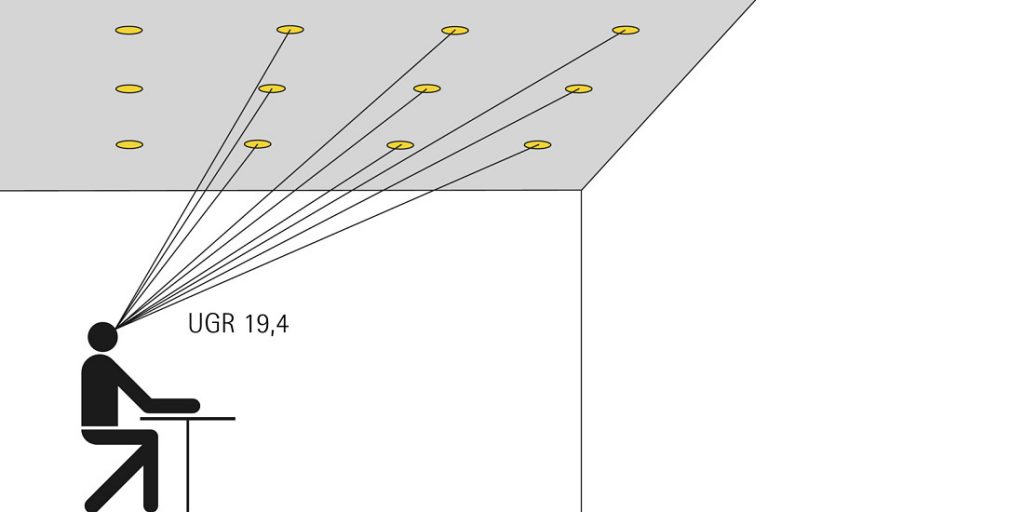
- Offices – UGR ≤ 19
- Schools – UGR ≤ 16
- Industrial facilities – UGR ≤ 22
Lighting must be designed to minimize glare and ensure uniform illumination
3. Types of Lighting in Architecture & Applications
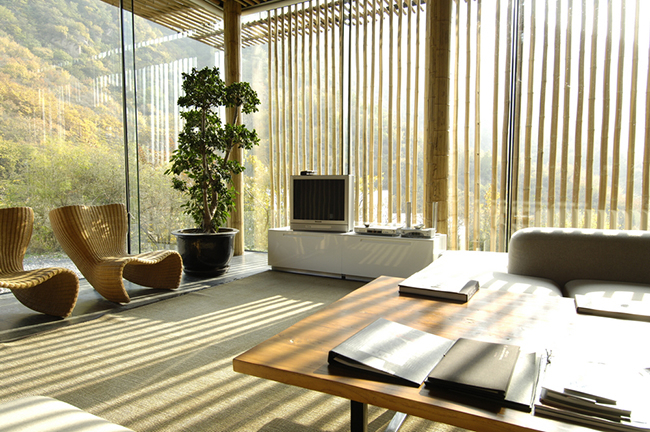
3.1. Natural Lighting
Natural light is the best light source, promoting energy savings and health benefits. Architects often incorporate large windows, skylights, and reflective materials to enhance daylight penetration. However, excessive sunlight exposure should be controlled to prevent glare and overheating.
3.2. Artificial Lighting
When natural light is insufficient, artificial lighting fills the gap. Common lighting options include LED, fluorescent, and halogen lights, each with distinct advantages. LED lighting is increasingly favored for its energy efficiency, long lifespan, and adjustable brightness features.
3.3. Mixed Lighting
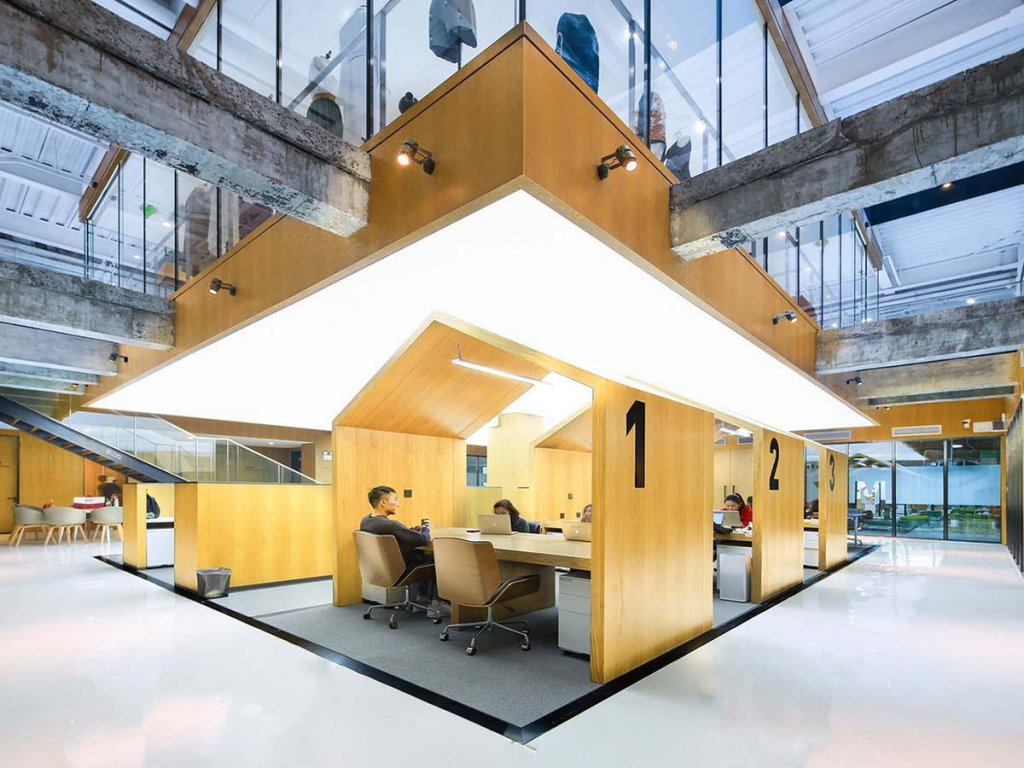
A balanced combination of natural and artificial light ensures stable illumination throughout the day. This approach enhances energy efficiency and maintains user comfort.
4. Applying Lighting Standards in Architectural Spaces
4.1. Residential Spaces
- Living rooms: Warm light (2700K – 3500K) for a relaxing atmosphere.
- Kitchens: Neutral light (4000K) for better visibility while cooking.
- Bedrooms: Soft lighting to promote sleep and relaxation.
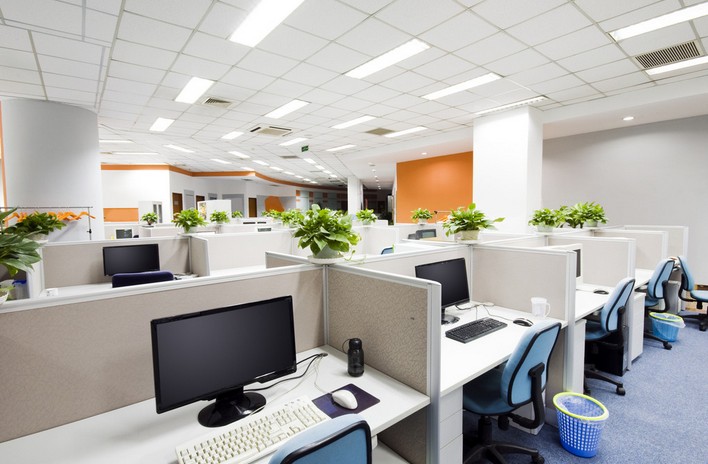
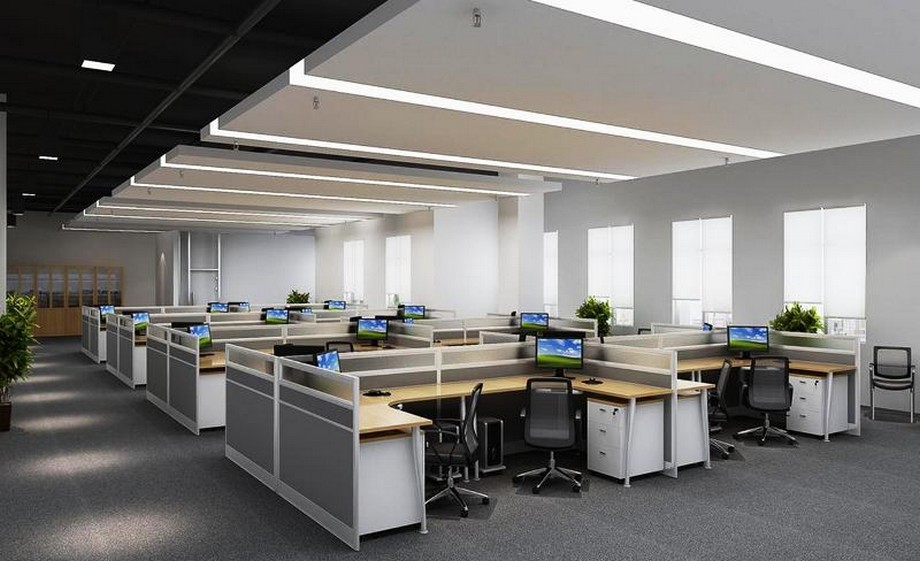
4.2. Office Workspaces
- Illuminance requirement: 300 – 500 lux.
- Neutral light (4000K – 5000K) to enhance work efficiency.
- Reduced glare to prevent eye strain.
4.3. Educational Institutions
- Minimum illuminance of 500 lux to ensure clear visibility of books and boards.
- Neutral white light improves concentration and learning efficiency.
5. Modern Lighting Technologies in Architecture
Lighting technology continues to evolve, offering numerous benefits.
- Energy-efficient LED lights: Higher efficiency and longer lifespan than traditional bulbs.
- Light sensors: Automatically adjust brightness based on ambient lighting, saving electricity.
- Smart lighting systems: Remote-controlled via smartphones for flexible light management.
6. Conclusion
Implementing proper lighting standards in architecture improves space quality, enhances productivity, promotes well-being, and conserves energy. Future trends in modern lighting will integrate smart technology, stretch ceilings, and acoustic panels to create more efficient and aesthetically pleasing environments.
——
For further consultation, please contact Zegal Vietnam using the information below:
Zegal Hanoi
112 Vo Chi Cong, Nghia Do Ward, Cau Giay District, Hanoi
Zegal Ho Chi Minh
319 – C9 Ly Thuong Kiet, Ward 15, District 11, Ho Chi Minh City
Hotline: +84969 14 6688