

For outdoor architectural projects, lighting systems must not only meet aesthetic requirements but also ensure stable operation when exposed to environmental factors. Heavy rain, humidity, dust, and flooding can all directly impact the lifespan and performance of lighting equipment.
This is why the IP65–IP68 water-resistance ratings are critical parameters to consider when selecting outdoor architectural LED lighting. But what do IP65 and IP68 actually mean? How do these two standards differ, and where should each be applied within a project?
1. What is the IP standard?
IP (Ingress Protection) is a classification system that defines the level of protection an electrical device has against the intrusion of solid objects and liquids, as specified by the IEC 60529 standard.
An IP rating typically consists of two digits:
The first digit: Indicates the level of protection against dust, solid objects, and contact with hazardous internal components.
The second digit: Indicates the level of protection against the ingress of water.
In architectural lighting, IP ratings help architects, engineers, and project owners assess whether a specific light fixture is suitable for the environmental conditions of its installation site.
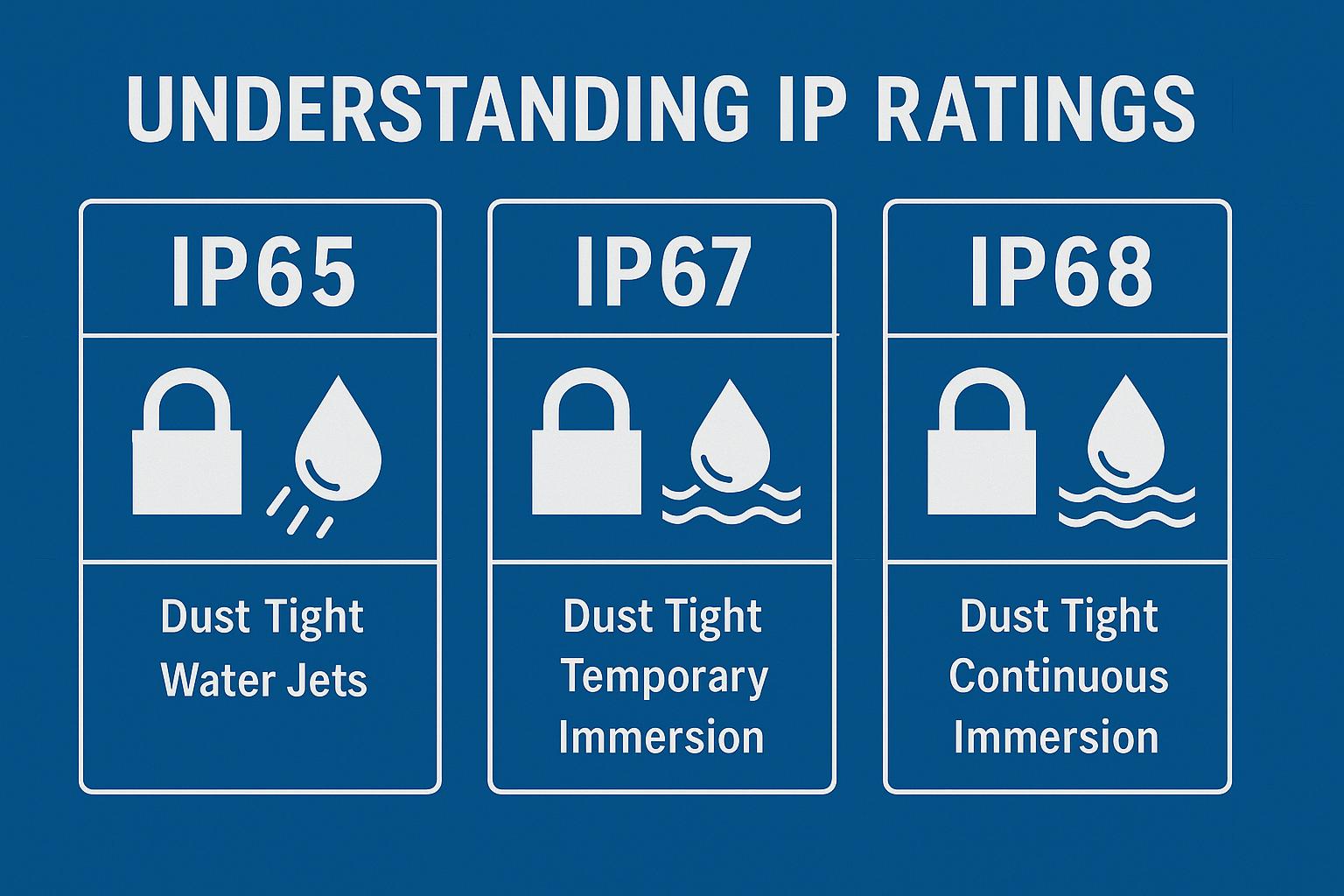
For outdoor LED lighting, IP65, IP66, IP67, and IP68 are the key ingress protection (IP) ratings to consider, depending on the specific location and operating conditions.
Learn more about outdoor architectural lighting here.
2. What is the IP65 water-resistance standard?
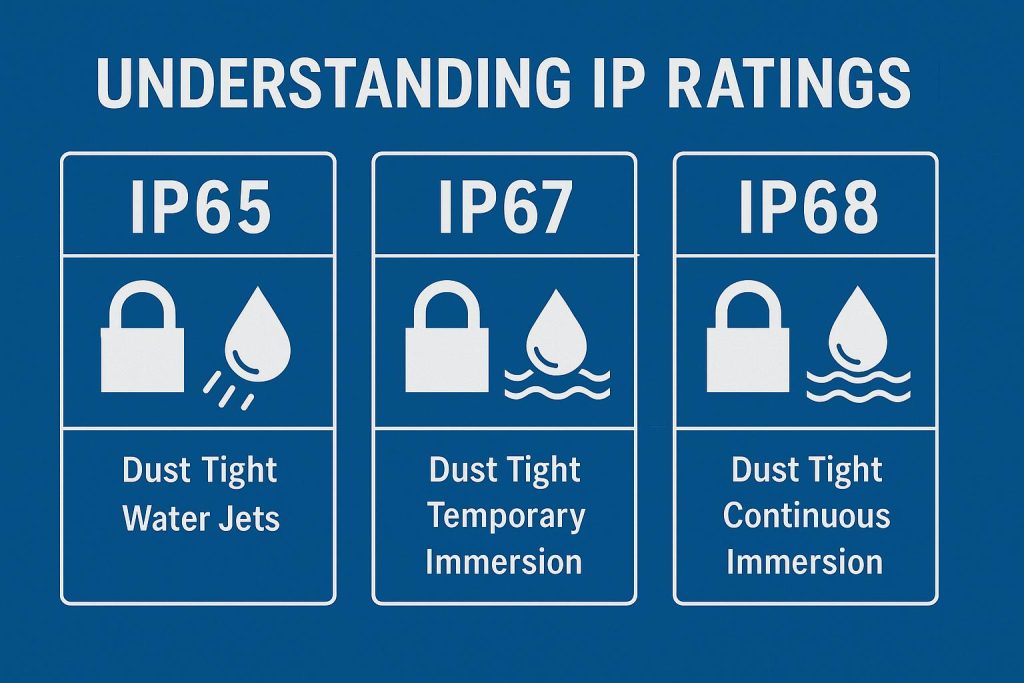
An IP65 rating indicates that a device is completely dust-tight and protected against water jets from any direction, as defined by specific testing conditions.
Breakdown:
The number 6: The device is completely dust-tight; no dust can enter and interfere with its operation.
The number 5: The device is protected against water jets sprayed from any direction, in accordance with the standard’s testing criteria.
For architectural lighting systems, IP65-rated fixtures are suitable for areas frequently exposed to dust, rain, and water splashes from the surrounding environment.
2.1. Applications of IP65-rated lights in outdoor architecture
IP65-rated LED lights are commonly used in the following areas:
Facade lighting: Highlighting architectural lines, columns, ledges, and decorative exterior details of a structure.
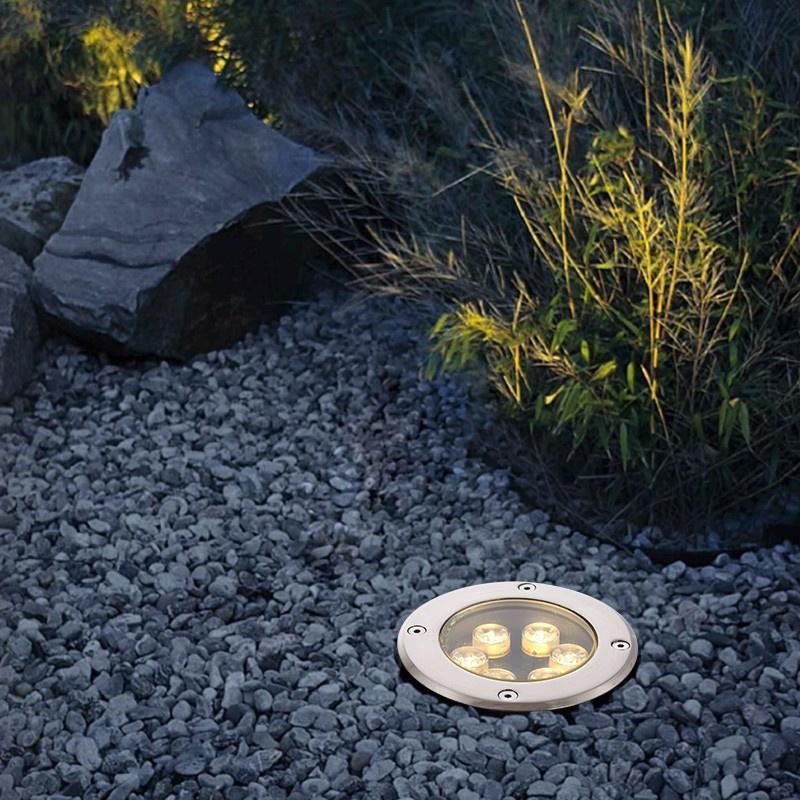
Landscape lighting: Installed in gardens, along pathways, in small landscape features, and in outdoor areas not subject to flooding.
Balcony and corridor lighting: Providing illumination in areas that may be covered or directly exposed to the external environment.
Signage lighting: Protecting equipment from dust and rainwater during operation.
With effective resistance against dust and water jets, the IP65 rating is a suitable choice for many outdoor architectural lighting systems installed under standard conditions.
3. What is the IP68 water-resistance standard?
The IP68 rating indicates complete protection against dust and ensures the device remains protected when submerged in water, subject to specific conditions defined by the manufacturer and in accordance with established standards.
Specifically:
The number 6: Indicates complete protection against dust.
The number 8: Indicates that the device is protected during continuous immersion in water, under test conditions specified by the IEC 60529 standard.
The key difference between IP68 and IP65 is that IP68 provides protection when a device is submerged in water, whereas IP65 only offers protection against water jets directed at the device from various angles.
However, it should be noted that an IP68 rating does not imply that every device can be submerged to the same depth or for an unlimited duration. The specific depth and duration of immersion depend on the test parameters provided by the manufacturer.
3.1. Applications of IP68-rated lighting in outdoor architecture
LED lights with an IP68 rating are typically chosen for locations prone to frequent submersion or immersion in water, such as:
Swimming pools: Providing underwater illumination to create lighting effects for relaxation and recreational spaces.
Fountains: Adding light accents to landscape features and public spaces.
Ornamental ponds: Illuminating areas beneath the water’s surface to highlight shapes and decorative details.
Water features: Used in garden landscapes, hotels, resorts, and vacation properties.
Waterside architectural structures: Employed in areas where equipment requires protection against submersion as part of the design specifications.
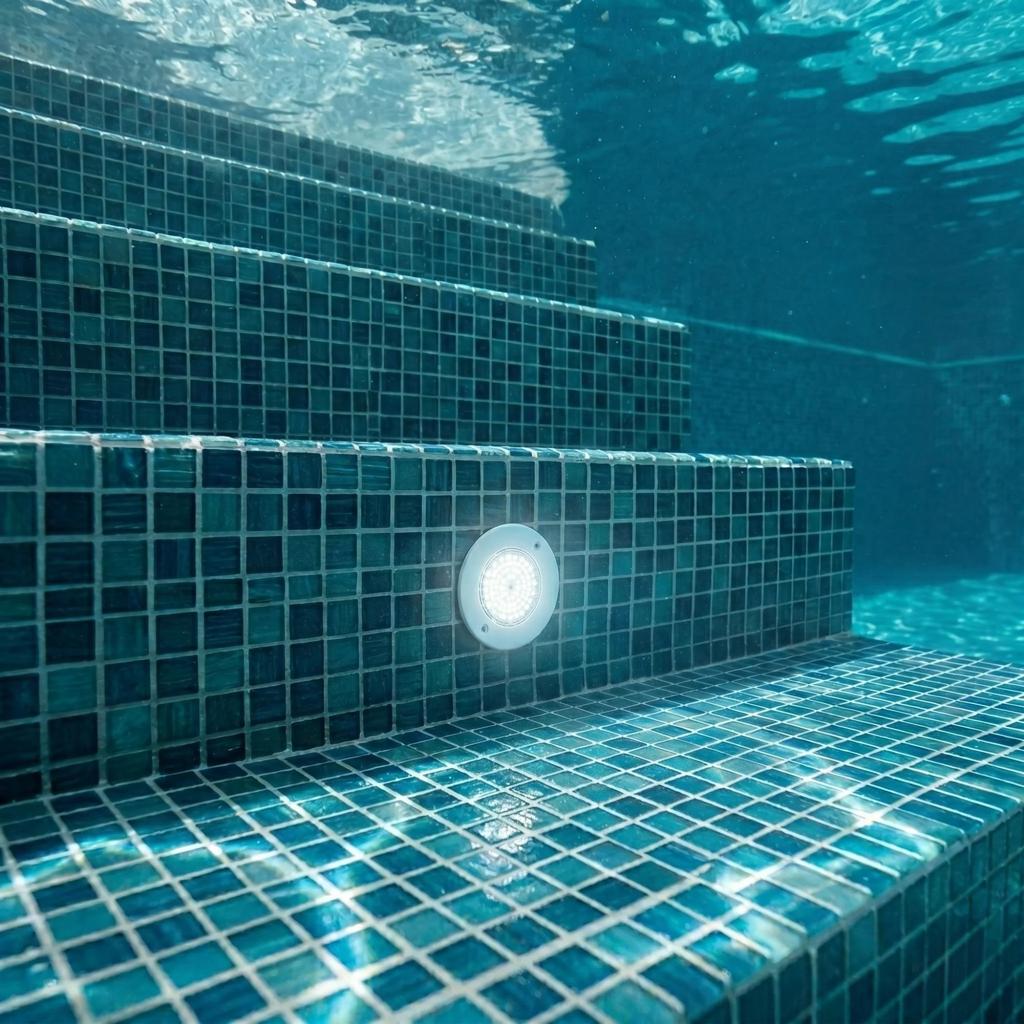
For underwater lighting systems, an IP68 rating is a critical criterion to consider. In addition to the IP rating, one must also examine the operating voltage, housing materials, corrosion resistance, and electrical safety requirements.
4. Factors to Consider When Selecting Outdoor Architectural LED Lighting
Beyond IP65–IP68 water-resistance standards, selecting LED lighting for architectural projects requires evaluating several other technical factors.
4.1. Dust and Water Resistance
This is the primary factor to assess when choosing equipment. The IP rating must be appropriate for the installation environment—especially in locations frequently exposed to rain, high humidity, or water. For underwater installations, it is essential to request specific details from the supplier regarding the conditions under which the IP68 testing was conducted.
4.2. Materials and Corrosion Resistance
Outdoor architectural lighting is constantly subjected to sunlight, rain, temperature fluctuations, and humidity. Consequently, the materials used must be resistant to oxidation and corrosion, ensuring long-term durability. For projects located in coastal areas or environments with high corrosive potential, special attention should be paid to the materials used for the fixture housing, surface coatings, and connection components.
4.3. Light Quality
The quality of light directly influences the aesthetic impact of a project. When selecting fixtures, consider the following:
Correlated Color Temperature (CCT) that complements the architectural style.
Color Rendering Index (CRI) sufficient to accurately represent the colors of the illuminated objects.
Beam angles tailored to specific surfaces and architectural details.
Brightness levels and the ability to distribute light uniformly.
4.4. Durability and Heat Dissipation
Outdoor LED lights require an appropriate heat dissipation design to maintain operational performance and prevent a reduction in the lifespan of the LED chips. Furthermore, it is essential to verify heat resistance, the stability of the power supply unit, and the quality of electrical connection points within the system.
4.5. Electrical Safety and Installation Methods
Especially for IP68-rated lights intended for underwater use, careful consideration must be given to the operating voltage, power supply, protective devices, and connection procedures, in accordance with the manufacturer’s instructions. Connection points, cable ends, and accompanying accessories must also possess an appropriate level of ingress protection. One should not rely solely on the IP rating of the light fixture itself to evaluate the water resistance of the entire system.
5. Zegal – Architectural Lighting Solutions for Modern Structures
In modern architecture, outdoor lighting systems serve a purpose beyond mere illumination; they help define the visual identity and enhance the aesthetic value of a space.
With over 14 years of experience in the lighting and stretch ceiling industry, Zegal provides comprehensive architectural lighting solutions—ranging from decorative LED systems to bespoke lighting designs tailored to the specific requirements of individual projects.
Zegal places great emphasis on selecting equipment that aligns with a project’s architectural characteristics, environmental conditions, and technical specifications. Determining the appropriate IP rating, ensuring high light quality, and establishing the correct installation method are critical factors in ensuring that a lighting system remains stable, durable, and aesthetically effective over the long term.
If you are seeking outdoor architectural lighting solutions for your project, please contact Zegal for professional consultation on options tailored to your specific needs and design requirements.
6. Conclusion
IP65 and IP68 water-resistance ratings play a vital role when selecting outdoor architectural LED lighting. While an IP65 rating is suitable for areas exposed to direct rain or water jets, an IP68 rating is designed for applications where equipment requires protection while submerged in water under specified conditions.
Selecting the appropriate protection rating—combined with high-quality equipment and proper installation procedures—ensures that a lighting system maintains its performance, durability, and aesthetic value for the project. ——
For further consultation, please contact Zegal Vietnam using the information below:
Zegal Hanoi
112 Vo Chi Cong, Tay Ho District, Hanoi
Zegal Ho Chi Minh City
319 – C9 Ly Thuong Kiet, Phu Tho Ward, Ho Chi Minh City
Hotline: 0969 14 6688