

In modern interior design and construction, sound insulation and sound absorption are receiving increasing attention as a means to create quiet, private spaces with superior acoustic quality. Whether in offices, meeting rooms, homes, restaurants, studios, or entertainment areas, acoustic treatment not only minimizes noise but also significantly enhances the user experience.
However, sound insulation and sound absorption are not the same thing. Sound insulation focuses on preventing sound from traveling between spaces, whereas sound absorption reduces sound reflections within a specific space. Correctly understanding these two concepts is a crucial step in selecting the appropriate solution right from the design stage.
1. What are sound insulation and sound absorption?
1.1. What is sound insulation?
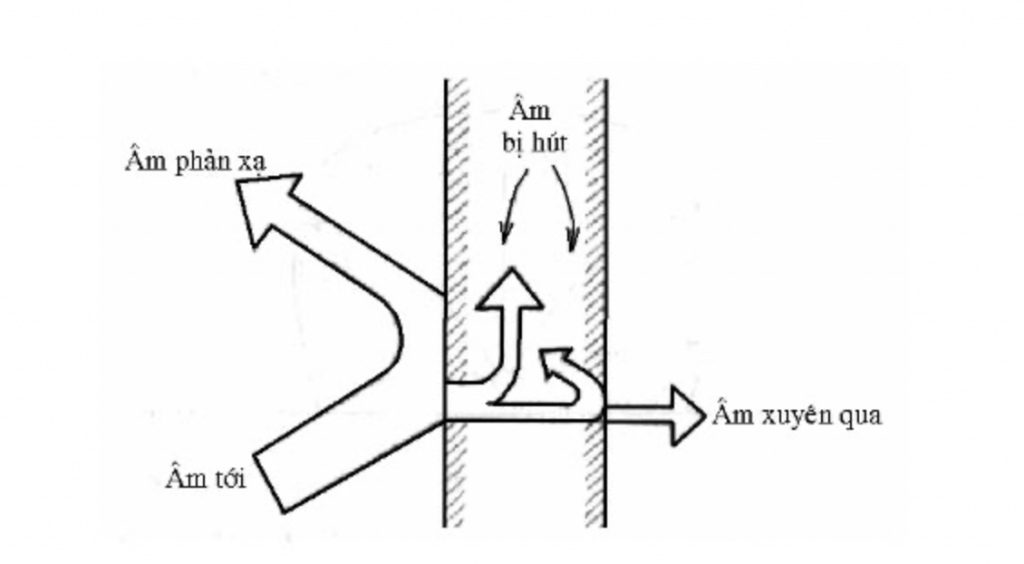
Sound insulation is a solution designed to limit the transmission of sound from one space to another or from the outside environment into a space.
For example, in a meeting room situated next to an open-plan workspace, an effective sound insulation system helps block out voices, footsteps, and external noise. Conversely, it also prevents sound originating inside the meeting room from disturbing surrounding areas.
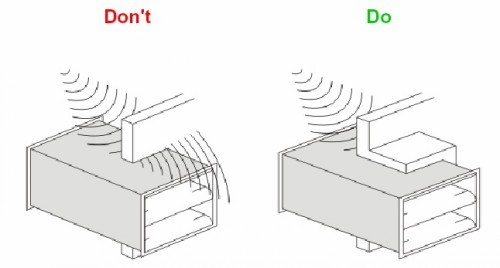
Sound insulation effectiveness depends on various factors, such as the construction of walls, ceilings, floors, doors, and partitions, as well as gaps and technical systems penetrating the structure.
1.2. What is sound absorption?
Sound absorption is a solution for controlling reflected sound within a space. When sound is emitted, a portion of the sound energy is absorbed by sound-absorbing materials rather than continuing to bounce between walls, ceilings, and floors. This helps reduce echoes, reverberation, and noise interference, thereby improving speech clarity and making the sound environment within the room more pleasant.
Materials commonly used for sound absorption include mineral fiber boards, mineral wool, glass wool, PET felt, acoustic fabric, perforated wood, acoustic panels, and specific ceiling or wall systems designed to absorb sound.
Sound insulation effectiveness depends on various factors, such as the construction of walls, ceilings, floors, doors, and partitions, as well as gaps and technical systems penetrating the structure.
2. Distinguishing between sound insulation and sound absorption
Although often mentioned together, sound insulation and sound absorption serve completely different purposes.
| Criteria | Soundproofing | Sound absorption |
| Purpose | Block sound transmission | Reduce reflected sound |
| Scope of impact | Between Two Spaces | Inside a space |
| Handling the issue | Noise transmission from outside in or from inside out. | Echo, reverberation, noise interference |
| Application area | Walls, floors, ceilings, doors, partitions | Ceilings, walls, partitions, and interior surfaces |
| Result | Increase privacy and reduce noise between rooms. | The sound is clearer and more pleasant. |
Simply put:
Soundproofing = blocking sound from passing through.
Sound absorption = controlling sound within the room.
A space may require both soundproofing and sound absorption to achieve optimal acoustic performance.
3. Why combine soundproofing and sound absorption in interior design?
3.1. Enhancing privacy
In offices, meeting rooms, executive suites, or areas where information is exchanged, soundproofing helps prevent sound from leaking out and external noise from entering. This is particularly important for spaces that require high levels of concentration or privacy.
3.2. Minimizing echoes and reverberation
Spaces featuring many hard surfaces—such as glass, stone, concrete, or metal—often generate significant sound reflection. Without treatment, speech can become echoey and difficult to understand. Sound absorption helps dissipate sound energy, thereby controlling reverberation and improving audio clarity.
3.3. Improving the user experience
Sound quality directly influences the perception of a space. Excessive noise in a restaurant makes conversation difficult for customers. An office with echoing sound hinders concentration. A meeting room with poor acoustics makes it hard for participants to follow the discussion.
Therefore, sound treatment is not merely a technical matter; it is also integral to the spatial experience.
4. Common soundproofing solutions
4.1. Soundproofing with wall and partition systems
Walls and partitions play a crucial role in controlling sound transmission between areas. Multi-layered wall systems with appropriate construction can enhance sound isolation capabilities. For offices, meeting rooms, or specialized functional spaces, soundproof partitions are often combined with internal sound-absorbing materials to maximize effectiveness.
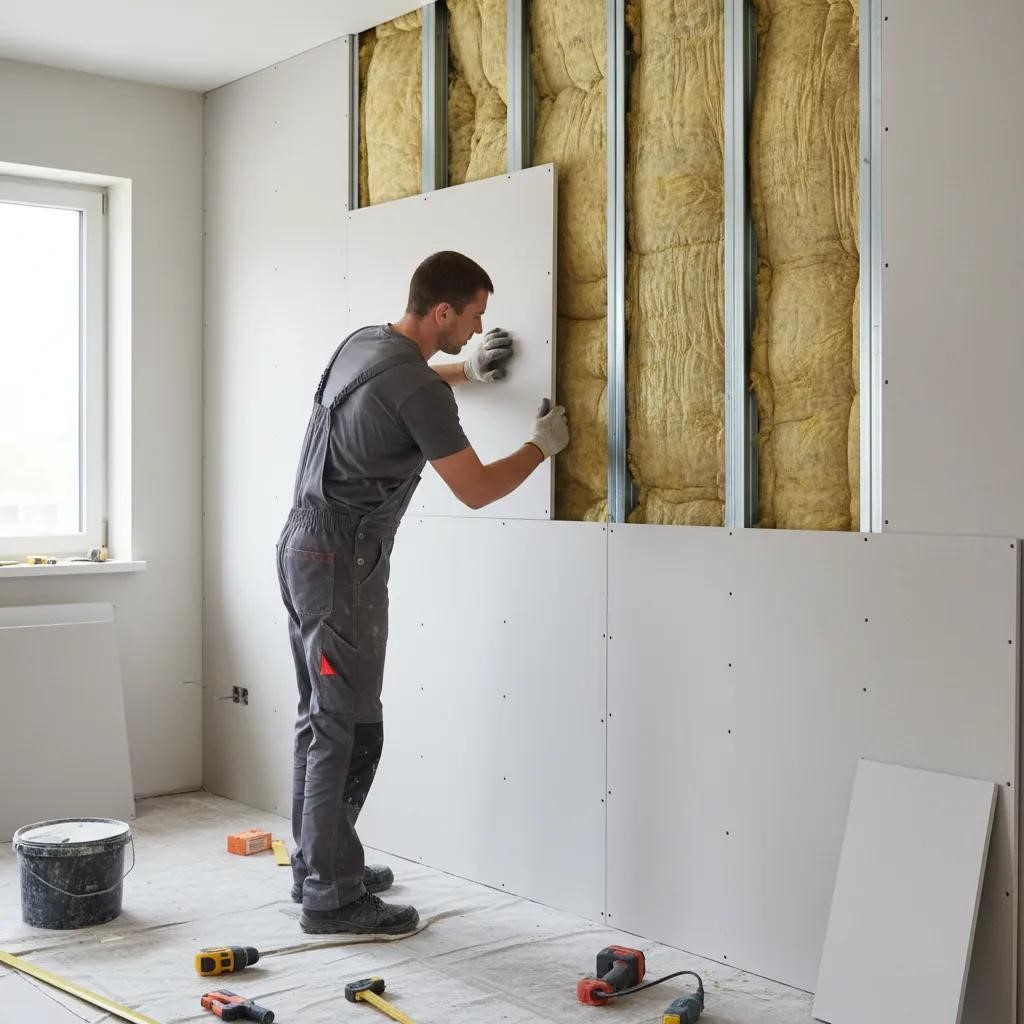
In particular, gaps at the base of walls, door edges, or junctions between structural components require careful treatment. Even a well-constructed wall system can suffer from reduced overall sound insulation effectiveness if multiple flanking paths for sound transmission remain.
4.2. Sound insulation for ceilings and floors
Sound travels not only through walls but also through ceilings and floors. This is a common issue in multi-story buildings or spaces with high levels of activity. Solutions may include multi-layered ceiling assemblies, sound-absorbing materials within the ceiling plenum, or sound-dampening layers tailored to specific structural configurations.
4.3. Sound insulation using doors and glazing systems
Doors and glazing systems can become weak points in a sound insulation setup if improperly selected or installed. For meeting rooms, studios, or areas requiring privacy, attention must be paid to door construction, seals, frames, and junction points to minimize sound transmission paths.
5. Common sound-absorbing solutions
5.1. Sound-absorbing ceilings
Sound-absorbing ceilings are a widely used solution in offices, meeting rooms, restaurants, conference halls, and public spaces. Installing sound-absorbing materials on the ceiling helps reduce sound reflection from overhead surfaces; these materials can also be integrated with lighting systems and interior design to create an aesthetically pleasing overall look.
Common types include sound-absorbing panel ceilings, mineral fiber ceilings, fabric-covered ceilings, sound-absorbing louvers, or other sound-absorbing ceiling systems.
5.2. Sound-absorbing panels on walls
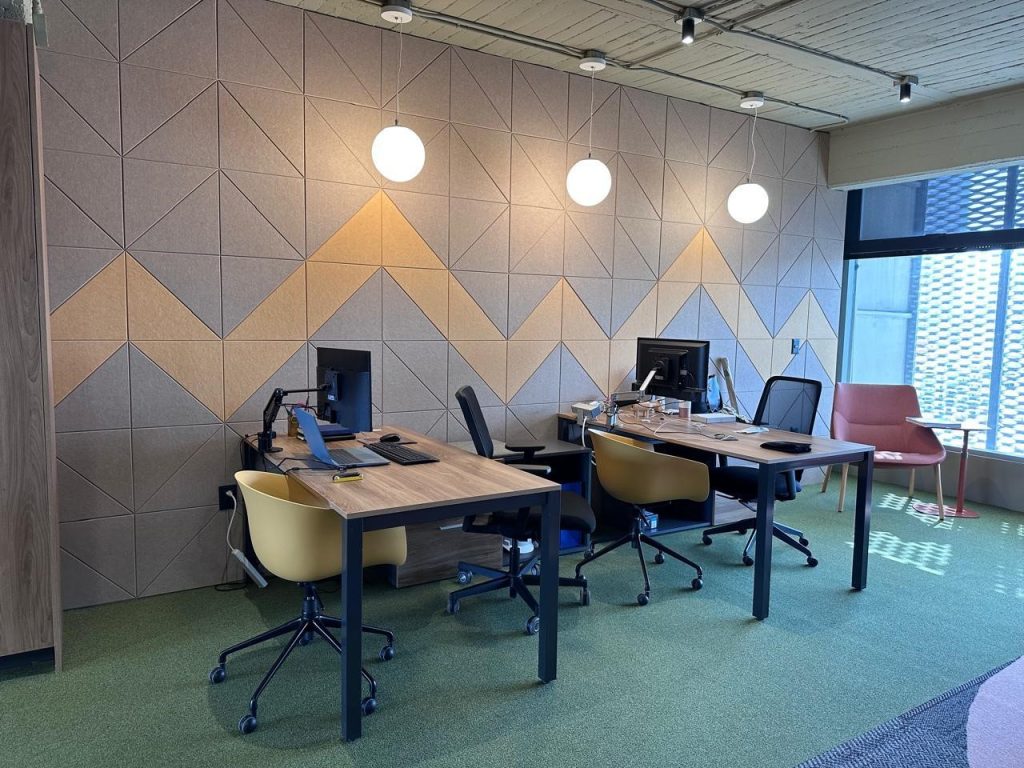
Sound-absorbing wall panels serve both sound control and decorative purposes. These panels can be designed in various shapes, sizes, and colors to suit interior styles ranging from minimalist and modern to creative.
For offices, using sound-absorbing panels in areas prone to noise can significantly improve the working environment.
5.3. PET sound-absorbing materials
PET felt is one of the materials used in modern interior design due to its flexible molding capabilities.
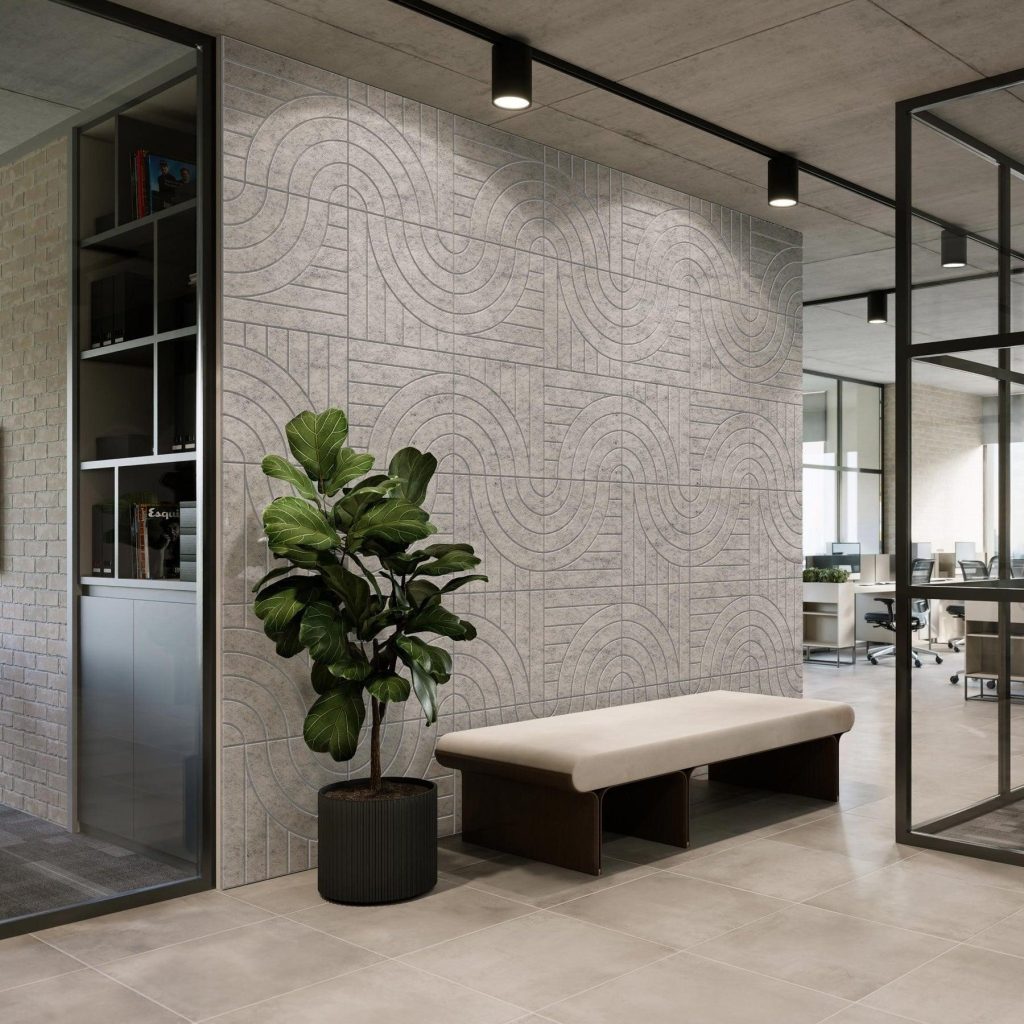
This material can be fabricated into wall panels, decorative partitions, acoustic baffles, or geometric elements. Consequently, acoustic solutions can be directly integrated into the design language rather than remaining separate technical components.
6. Conclusion
Sound insulation and sound absorption are distinct yet closely related solutions in spatial design. While sound insulation focuses on limiting sound transmission through structural elements, sound absorption aims to control sound reflections within the room.
A high-quality interior design must be visually appealing while also ensuring acoustic comfort. When incorporated from the initial design stage, sound insulation and absorption solutions can be harmoniously integrated into ceilings, walls, partitions, and interior features, creating spaces that are both aesthetically pleasing and acoustically superior.
——
For further consultation, please contact Zegal Vietnam using the details below:
Zegal Hanoi
112 Vo Chi Cong, Nghia Do Ward, Hanoi
Zegal Ho Chi Minh City
319 – C9 Ly Thuong Kiet, Phu Tho Ward, Ho Chi Minh City
Hotline: 0969 14 6688