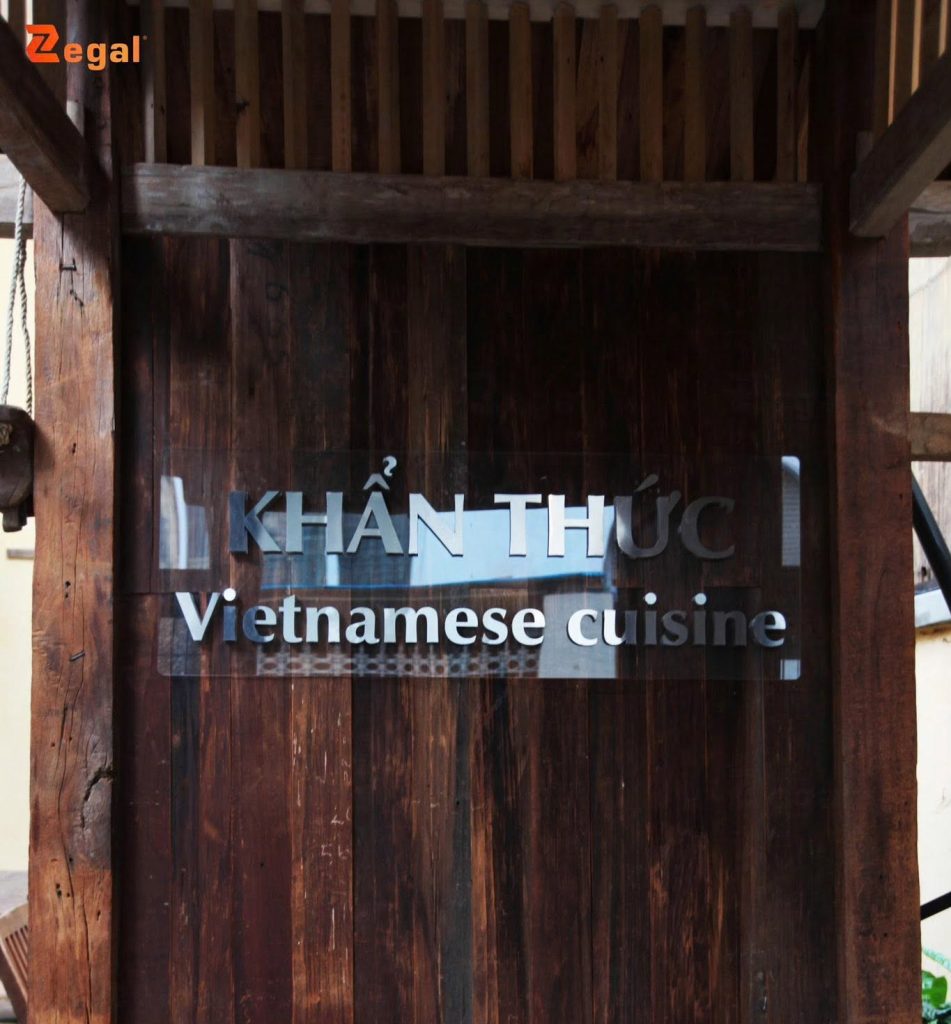


In the era of the knowledge economy, the office is no longer just a place for desks and computers. It has evolved into an ecosystem that nurtures creativity and sustains energy for employees. However, one of the biggest barriers in today’s offices is the sense of confinement created by rigid walls and monotonous white plasterboard ceilings.
To address this challenge, translucent printed ceilings emerge as a true revolution in interior architecture. Beyond basic illumination, this solution introduces visual artistry and vitality into every square meter of space.
1. What Is a Translucent Printed Ceiling and Why Is It Suitable for Offices?
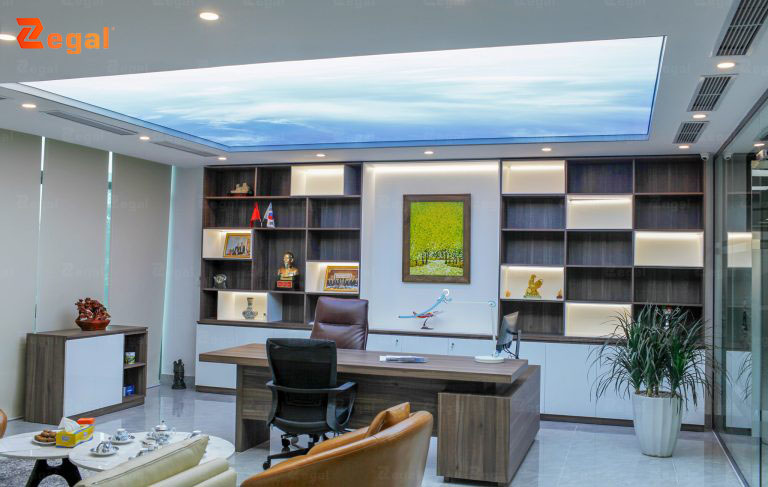
A translucent printed ceiling is a modern suspended ceiling system made from high quality PVC membrane, digitally printed using UV ink. Its core distinction lies in the integration of graphic imagery with an internal LED lighting system, creating a uniformly illuminated surface with strong artistic expression.
Why do leading corporations such as Google, Microsoft, and contemporary co working spaces prioritize this solution?
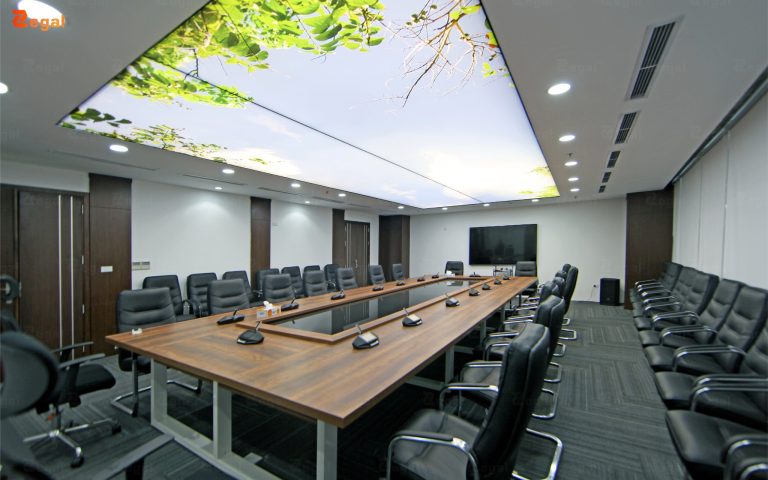
- Eliminating spatial limitations: For offices with low ceilings or limited natural light, a translucent printed ceiling featuring sky or tree canopy imagery can create the illusion of openness and expanded space.
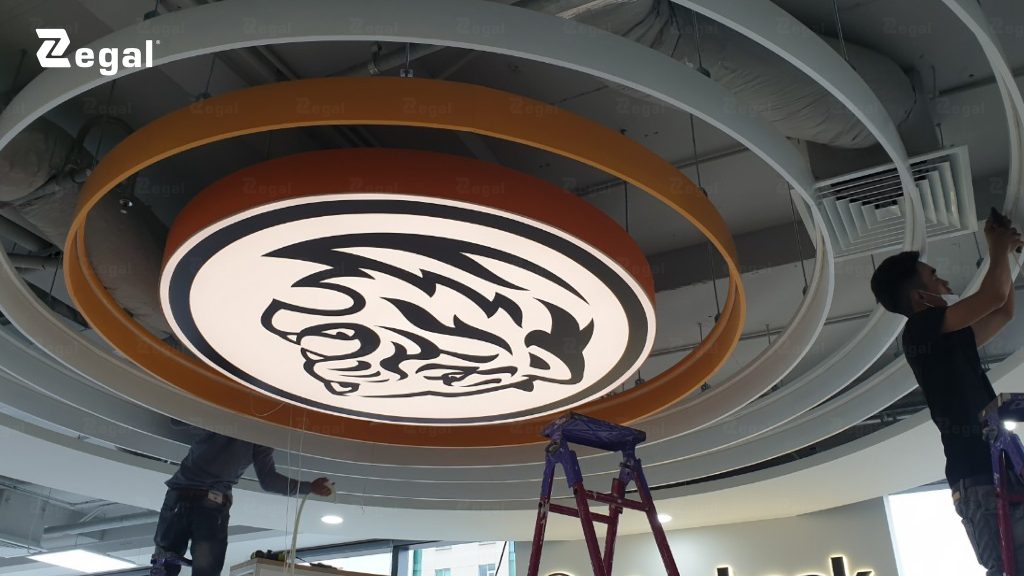
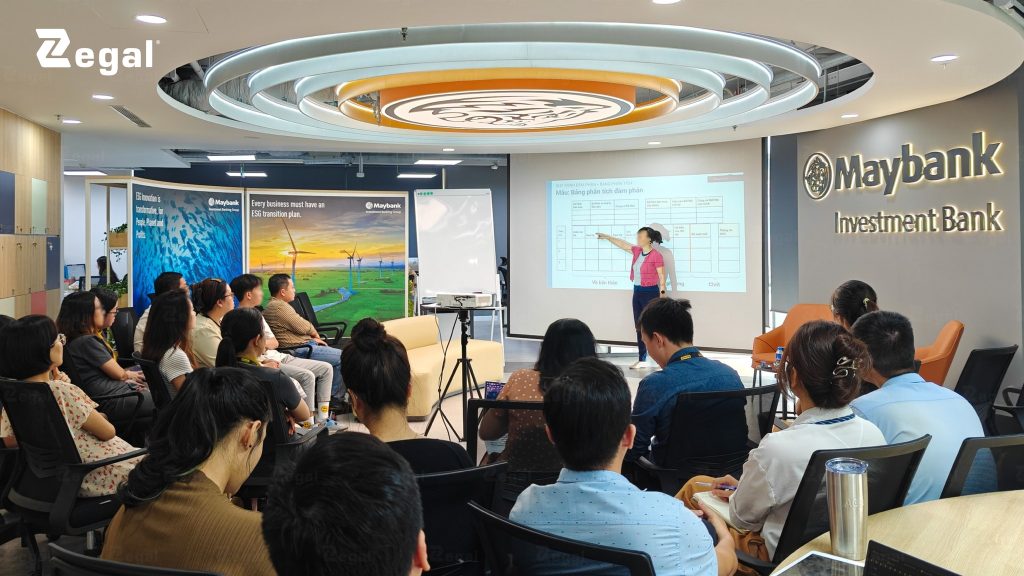
- Brand identity integration: Logos, slogans, or signature brand patterns can be directly printed onto the ceiling, delivering a strong and professional impression from the very first interaction with clients and partners.
- Natural light simulation: Unlike conventional fluorescent lighting that can cause eye strain, light diffused through the translucent membrane is soft and evenly distributed, supporting visual comfort for employees working long hours.
2. Durable Technical Structure of Translucent Printed Ceilings for Offices
A standard translucent printed ceiling system for office environments must ensure long term stability and consistent aesthetics. The structure consists of three main components:
2.1. High Quality UV Printed PVC Membrane
This membrane typically has a thickness ranging from 0.18 mm to 0.22 mm, with a load bearing capacity of up to 150 kg per square meter. UV printing technology allows the ink to penetrate deeply into the polymer surface, ensuring that the image remains sharp and does not fade under the heat generated by the LED system.
For office applications, commonly used designs include:
- Sky Blue ceiling with soft cloud patterns.
- Minimalist geometric patterns.
- Lush green canopy inspired by biophilic design.
2.2. Aluminum Profile Frame System
To keep the membrane perfectly tensioned across large areas, sometimes spanning hundreds of square meters, the aluminum frame system is securely fixed to the concrete slab or steel structure. These extruded aluminum profiles offer flexible bending capability, allowing architects to create circular, oval, or smoothly curved ceiling forms.
2.3. Intelligent LED Lighting Solution
Office environments require lighting levels ranging from 300 to 500 Lux. Therefore, the LED system integrated behind the translucent printed ceiling typically uses high CRI LED modules. In particular, tunable white LED solutions with adjustable color temperatures from 3000K to 6500K allow the workspace atmosphere to shift throughout the day, delivering crisp white light for focus in the morning and more neutral, relaxing light toward the end of the day.
3. Outstanding Advantages of Installing Translucent Printed Ceilings for Businesses
3.1. Enhancing Productivity Through Biophilic Design
Humans have an inherent tendency to connect with nature. Installing translucent printed ceilings with nature inspired imagery helps reduce cortisol levels, the hormone associated with stress. When employees feel more relaxed, their ability to focus and create improves significantly. Who would not want to work under a “blue sky” in the middle of a bustling urban environment?
3.2. Fast Installation with Minimal Dust
Compared to plasterboard ceilings that require putty finishing, sanding, and painting, often generating significant dust, translucent printed ceiling installation is exceptionally clean. A meeting room can typically be completed within one working day. This allows businesses to minimize downtime and maintain uninterrupted operations.
3.3. Fire Resistance and Moisture Protection
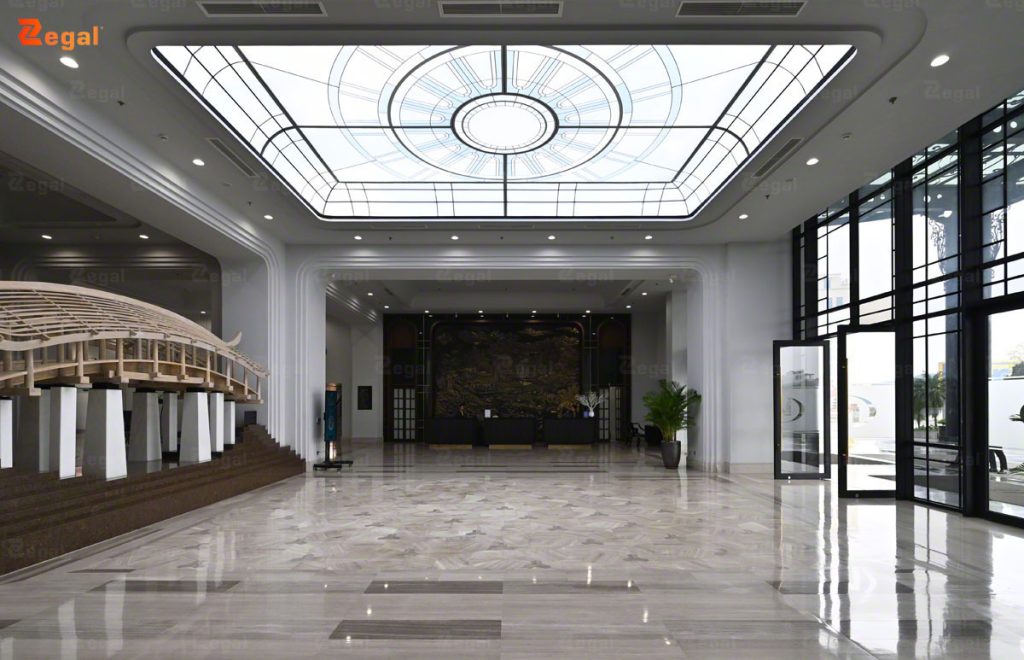
The PVC membrane meets B1 fire resistance standards, meaning it does not ignite easily and is self extinguishing when the heat source is removed. In addition, the membrane surface is non permeable, preventing mold growth, a common issue in offices that operate long term central air conditioning systems.
4. Translucent Printed Ceiling Design Trends for Offices in 2026
Office architecture is rapidly shifting from a “workplace” to a “work experience.” Below are three leading trends:
4.1. Translucent Ceilings Combined with Artistic Printed Walls
The application is no longer limited to ceilings. The translucent membrane extends seamlessly onto wall surfaces, creating an immersive spatial experience. This solution is commonly used in reception areas or lounge spaces for relaxation.
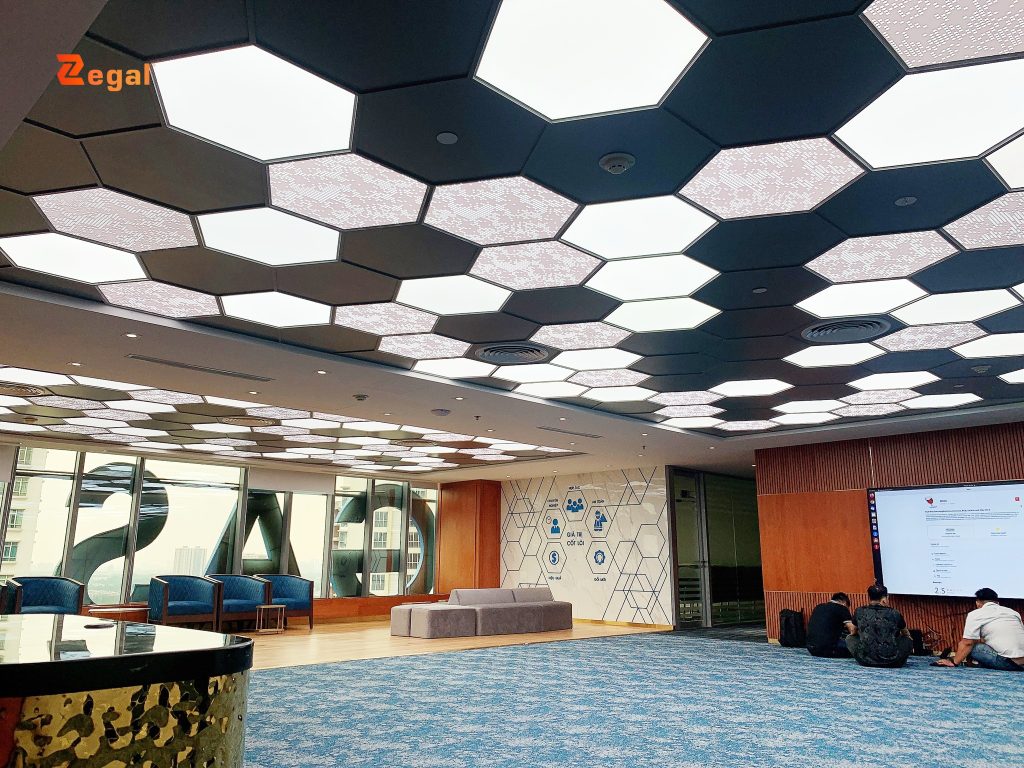
4.2. 3D Pattern Ceilings with Enhanced Depth
By layering printed graphics or applying shadow effects within the design, translucent printed ceilings create a strong sense of depth. This visual effect makes compact office spaces appear significantly larger and more expansive.
4.3. Integration with Smart Lighting Technology
Translucent printed ceilings can be integrated with motion sensors and Building Management Systems (BMS). The lighting automatically increases when occupancy is detected and dims when the space is unoccupied, enabling businesses to reduce energy consumption by up to 40%.
5. Important Considerations for Installing Translucent Printed Ceilings
To achieve a flawless result, investors should pay close attention to three key factors:
- Light box sealing: The cavity between the base ceiling and the stretched membrane must be completely sealed. Even a small gap can allow dust or insects to enter, creating visible dark spots that significantly affect the visual quality of a galaxy or sky ceiling.
- Standard spacing: The distance between the LED surface and the printed membrane should be at least 150 mm to 200 mm. If the distance is too short, LED hotspots may become visible. If it is too large, the illumination will appear weak and uneven.
- Print file quality: Never use low resolution images sourced from social media. Ceiling graphics must be original files with a minimum resolution of 300 DPI or vector format to ensure clarity and sharpness when scaled to large dimensions.
6. Maintenance Process and Durability
Many businesses are concerned about LED replacement in case of failure. In practice, translucent printed ceilings are designed for easy access and maintenance. When replacement is required, technicians can use a heating tool to release a section of the membrane, perform the necessary work, and re tension it without leaving any visible marks.
The PVC membrane can last up to 20 years, while UV printed graphics are guaranteed to maintain their color stability for more than 10 years.
7. Conclusion
——
For further consultation, please contact Zegal Vietnam using the information below:
Zegal Hanoi
112 Vo Chi Cong, Nghia Do Ward, Hanoi
Zegal Ho Chi Minh
319–C9 Ly Thuong Kiet, Phu Tho Ward, Ho Chi Minh City
Hotline: +84969 14 6688