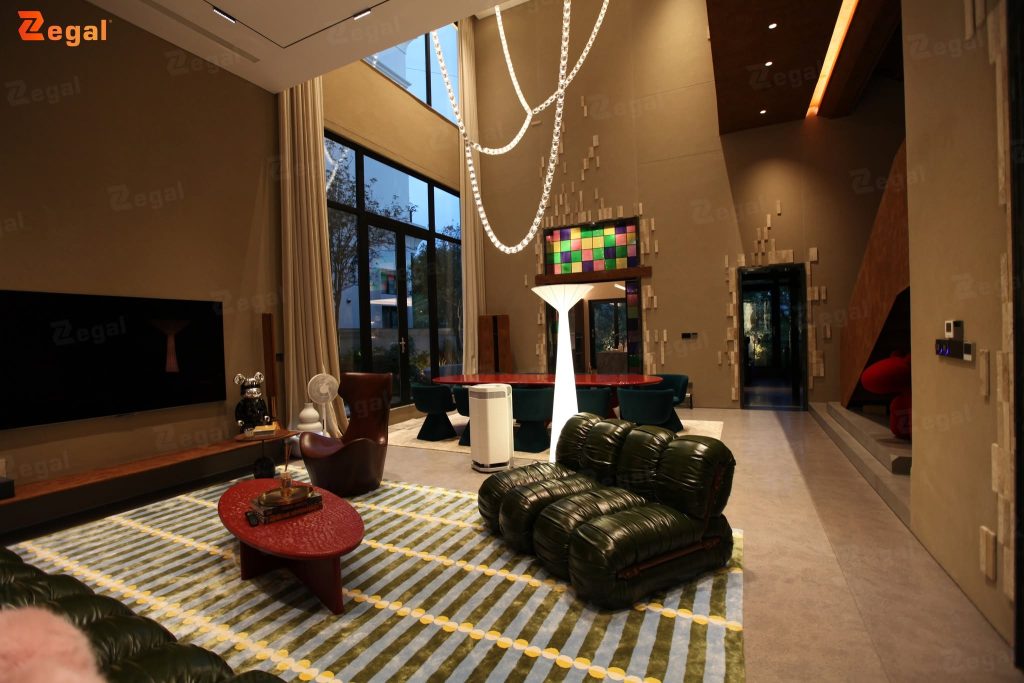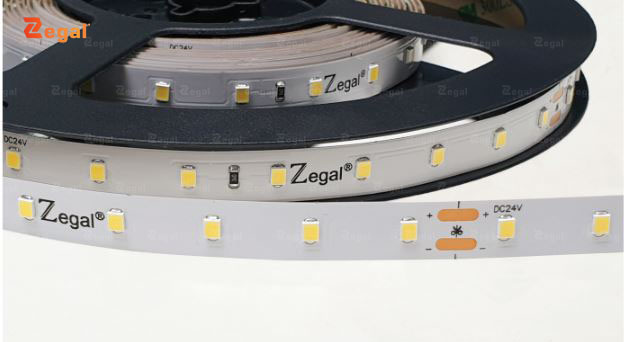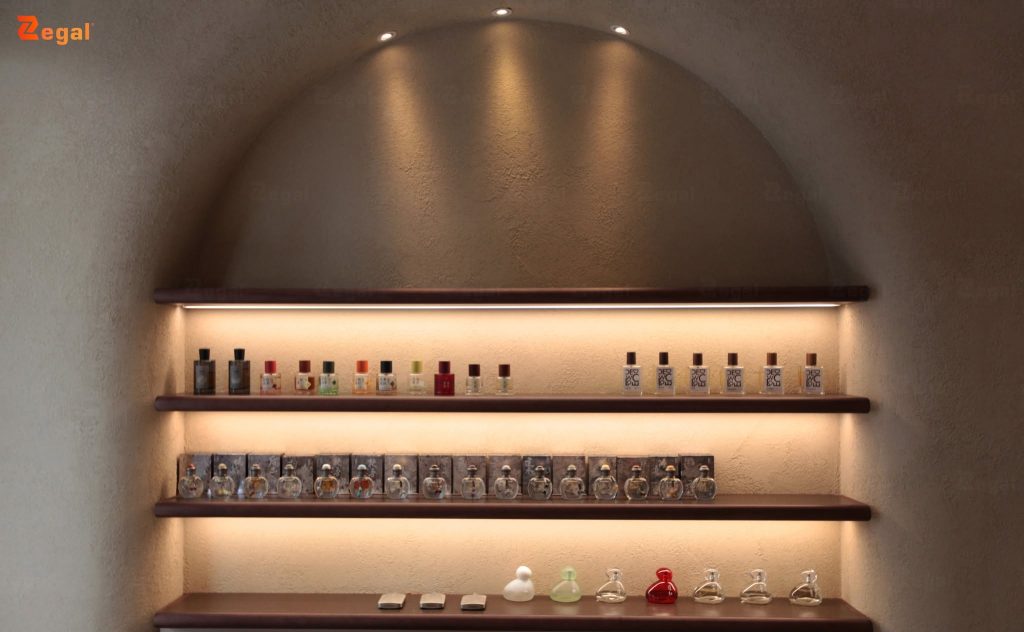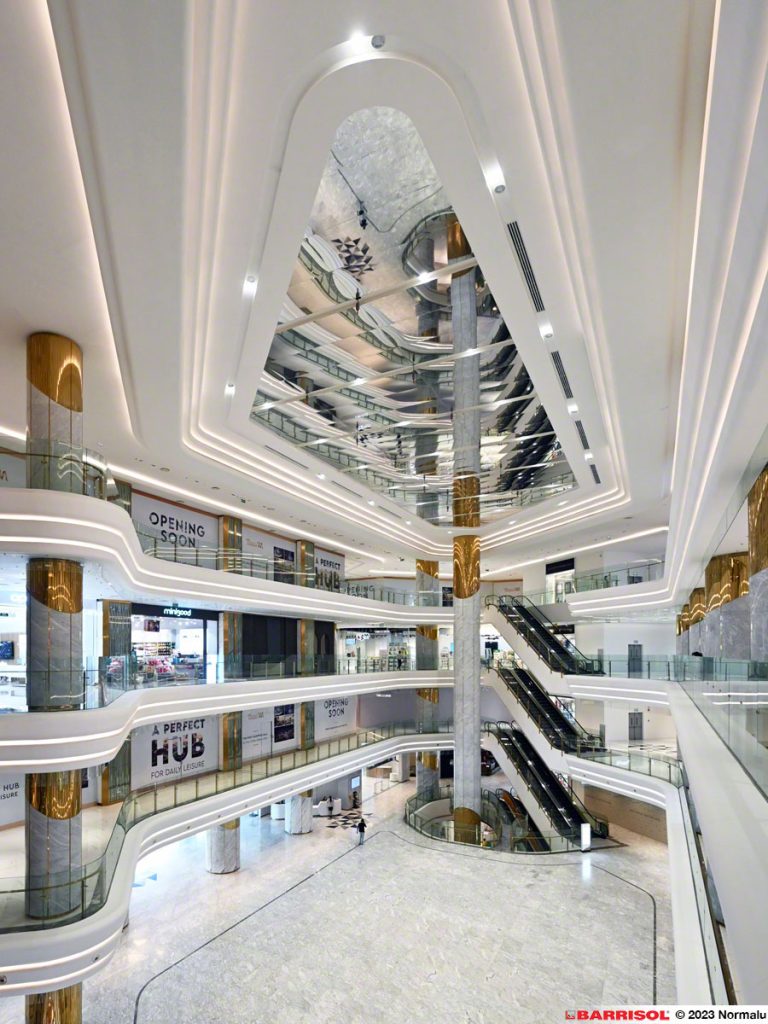


The Color Rendering Index (CRI) significantly impacts light quality and how colors appear in your living space. Whether in a living room, workspace, or display area, selecting LED lights with the appropriate CRI can greatly enhance visual experiences. Discover the ideal CRI for your space with Zegal!
1. What is the Color Rendering Index (CRI)? What is Ra?
The Color Rendering Index (CRI) measures a light source’s ability to reproduce colors faithfully compared to natural light. CRI is measured on a scale from 0 to 100, where:
- CRI 0-50: Poor light quality with inaccurate color representation, suitable only for low-demand environments like s and parking lots.
- CRI 51-80: Moderate quality, suitable for warehouses or commercial spaces.
- CRI 81-90: Good and fairly natural colors, ideal for living rooms, offices, and general use.
- CRI 91-100: Vibrant, natural colors, best for spaces requiring high color accuracy, such as galleries or studios.
Note: A high CRI alone may not suffice without considering other factors like color temperature and illuminance.
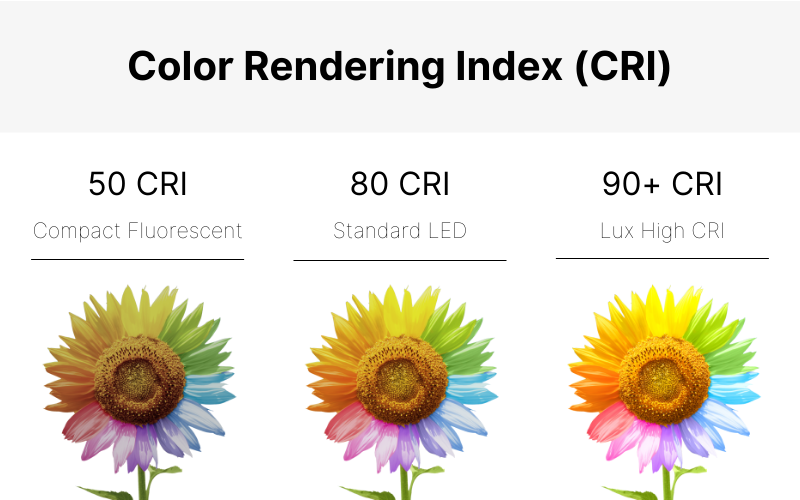
2. What CRI is ideal for LED lights?
LED lights with a CRI of 80 or higher are generally good for most lighting needs, offering natural and comfortable light. For high-accuracy tasks such as makeup, kitchen work, or detailed craftsmanship, a CRI of 90 or above is ideal for enhanced light quality and visual experience.
2. Benefits of high CRI LED lights
- Accurate color reproduction: High CRI lights reflect the true colors of objects, making spaces vibrant and authentic.
- Eye health protection: High CRI lighting reduces eye strain, especially for prolonged work sessions.
- Enhanced aesthetics: Clear and vivid colors elevate the ambiance and aesthetic value of interiors.
3. Benefits of high CRI LED lights
- Accurate color reproduction: High CRI lights reflect the true colors of objects, making spaces vibrant and authentic.
- Eye health protection: High CRI lighting reduces eye strain, especially for prolonged work sessions.
- Enhanced aesthetics: Clear and vivid colors elevate the ambiance and aesthetic value of interiors.
4. Common CRI levels and practical applications
| CRI | Features | Light Quality | Applications |
| 0-50 | Poor, unnatural colors | Low, dull light |
|
| 51-70 | Moderate accuracy | Average, colors may shift | Warehouses, factories |
| 71-80 | Relatively natural colors | Decent quality | Restaurants, small retail spaces |
| 81-90 |
Nearly natural and crisp |
Good, realistic colors | Living rooms, offices, stores |
| 91-95 | Very natural, accurate | Excellent, vibrant colors |
Kitchens, galleries, classrooms |
| 96-100 | Perfectly accurate | Superior, sunlight-like | Studios, hospitals, art spaces |
5. Which CRI should you use?
- CRI 80-85: Suitable for daily use at home or small offices, balancing affordability with adequate quality.
- CRI 90-95: Ideal for kitchens, beauty rooms, and display areas requiring precise color rendering.
- CRI 96-100: Reserved for specialized settings like studios or hospitals where the most natural light is essential.
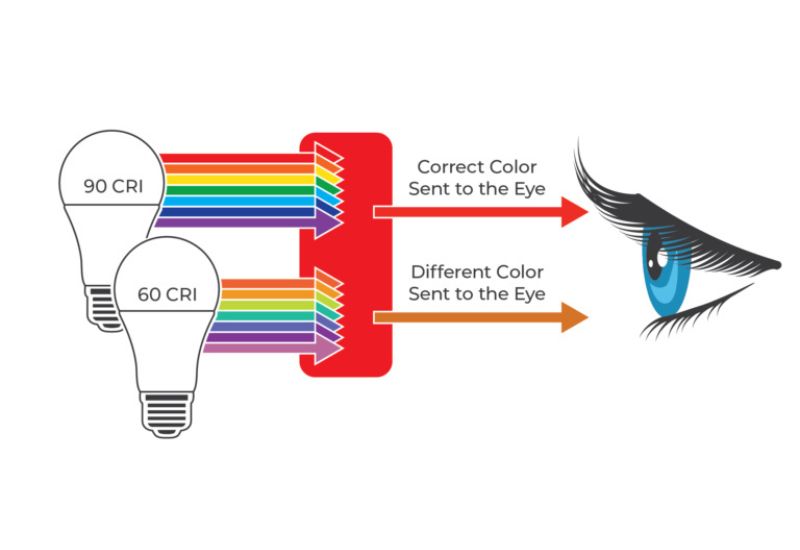
6. Key considerations when choosing LED CRI
- Purpose: Determine the intended use, e.g., living rooms need CRI 80-90, while studios may require 90+.
- Combine with color temperature: High CRI lights paired with 3000-5000K temperatures create comfort without eye strain.
- Product origin: Choose LEDs from reputable brands to ensure accurate CRI ratings.
7. Methods to determine LED CRI
7.1 Xác định CRI bằng mắt thường
This simple at-home method evaluates CRI using a colorful object under test lighting:
- Place a vibrant item, such as fruit or fabric, under the light.
- Observe its color reproduction. Lights with high CRI will display true, vivid colors, while low-CRI lights may make colors appear dull or inaccurate.
7.2 Using a camera
Digital cameras can help assess CRI via image clarity:
- Place the object under test lighting.
- Photograph it with stable exposure.
- Compare the captured colors to the natural ones. High-CRI lights will produce accurate colors.
7.3 CRI meter measurement
The most accurate method involves specialized CRI meters.
- Setup: Position the meter facing the light source.
- Read results: The device provides precise CRI scores (0-100), with higher numbers indicating superior color rendering.
Conclusion
Choosing high-CRI LED lights enhances visual experiences and the aesthetic quality of spaces. Understanding CRI ensures you select the right product to optimize lighting while maintaining comfort and functionality.
For further assistance, contact Zegal Vietnam through the details below:
Zegal Hanoi
112 Vo Chi Cong, Nghia Do Ward, Cau Giay District, Hanoi
Zegal Ho Chi Minh
319-C9 Ly Thuong Kiet, Ward 15, District 11, Ho Chi Minh City
Hotline: +84969 14 6688