

The bedroom is an extremely important space, a place we return to after a long, tiring day to rest, relax, and recharge. For this reason, bedroom lighting design goes beyond simply providing sufficient illumination. It must create an ideal atmosphere that contributes to better sleep quality and enhances the overall living experience.
Are you wondering how to transform your bedroom into a calm, modern, and inspiring oasis through lighting? Let us explore it together.
1. The importance of lighting in the bedroom
Did you know that light has a direct impact on our circadian rhythm, influencing the body’s production of melatonin, the hormone that helps us fall asleep?
A well designed bedroom lighting system can significantly improve sleep quality, making it easier to drift into deeper, more restorative sleep. In contrast, overly bright light or lighting with a cool color temperature can disrupt the body’s natural sleep cycle.
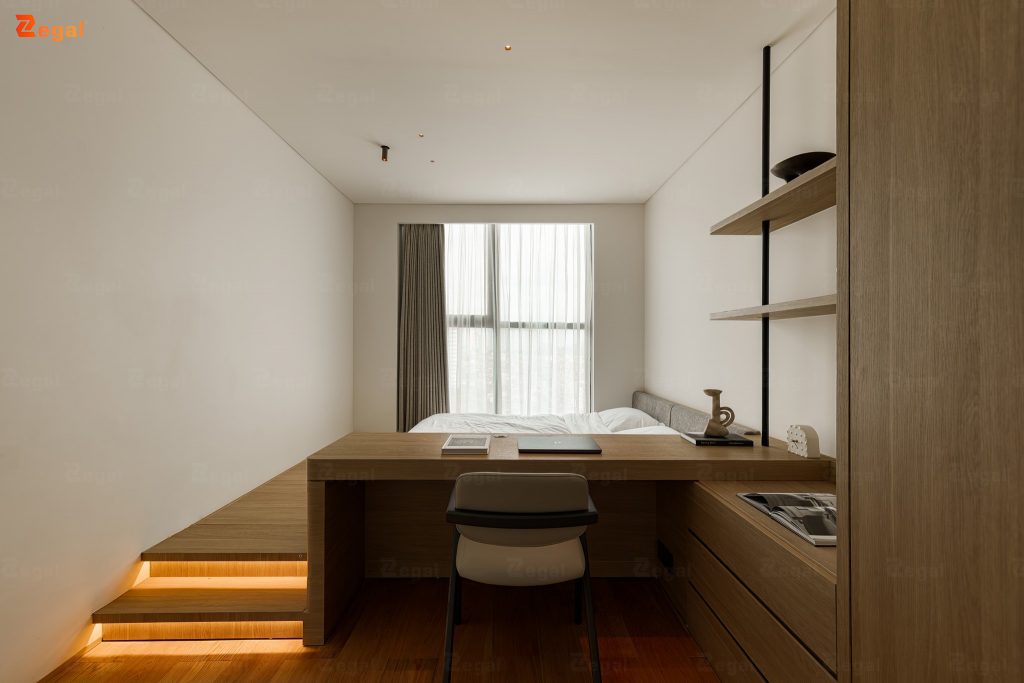
Moreover, lighting plays a crucial role in creating a sense of relaxation and privacy. The bedroom calls for tranquility, and lighting can shape a warm, inviting atmosphere that encourages rest. This not only supports different activities such as reading or light work, but also enhances the room’s aesthetics and overall style.
2. Principles of modern bedroom lighting design
2.1 Layered lighting – the art of multidimensionality
Similar to the living room, the bedroom also requires layered lighting to meet different needs. This allows you to easily adjust the atmosphere of the room with just a few actions, creating a space that feels dynamic and full of depth. The combination of multiple lighting layers delivers optimal results.
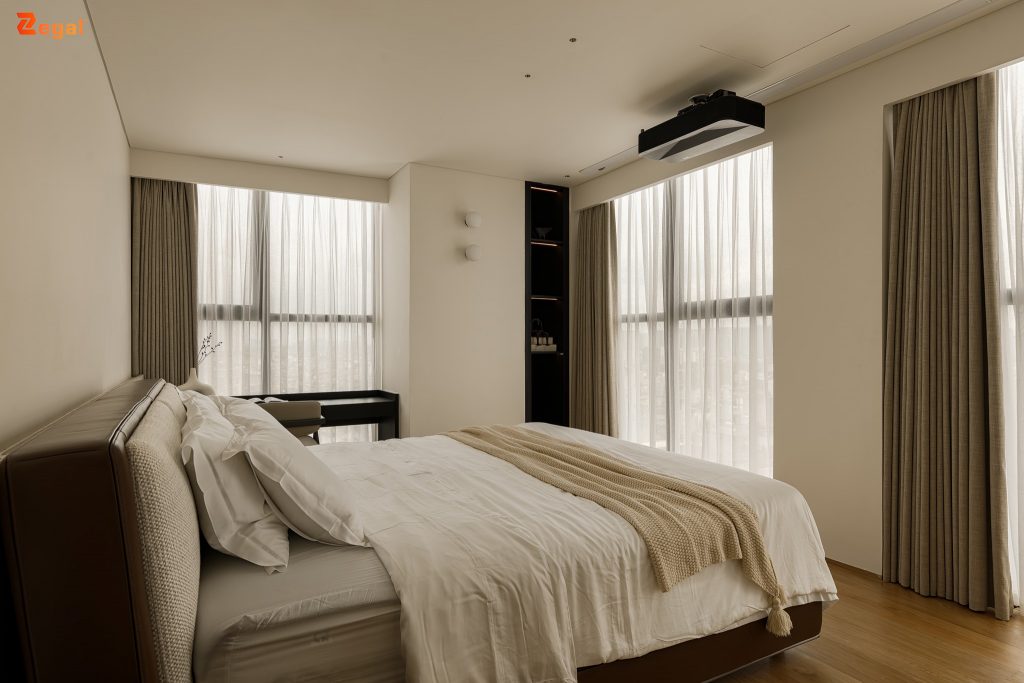
- Ambient lighting: This is the base layer of light that provides overall illumination for the bedroom. It helps you see clearly when entering the room, finding items, or cleaning, while also creating a sense of relaxation. Recessed lights or cove LED lighting systems are commonly used for this purpose.
- Task lighting: This layer focuses on specific areas where activities requiring concentration take place, such as bedside reading lights or vanity table lamps. Task lighting should be bright enough to prevent eye strain without causing glare, ensuring optimal comfort during use.
- Accent lighting: This layer adds emphasis and highlights decorative details, artworks, or creates striking visual effects. Picture lights or decorative LED strips can be used to add depth and personality to the bedroom, making the space feel more dynamic and expressive.
2.2 Color temperature – the key to relaxation
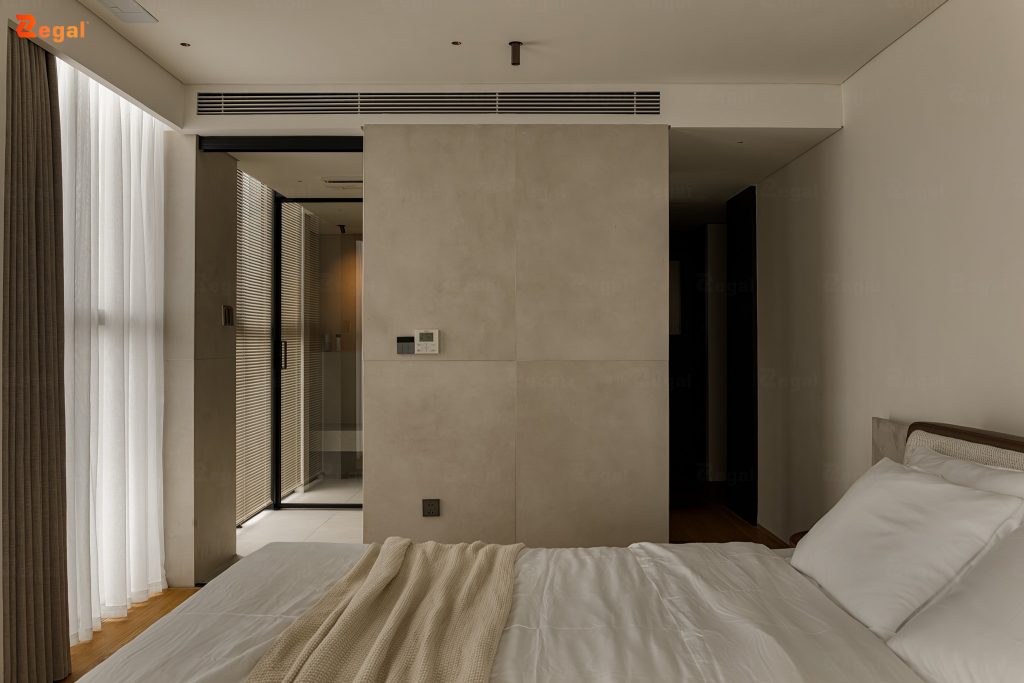
In the bedroom, choosing the right color temperature is extremely important, as it directly affects your mood and sleep quality. Warm light (warm white 2700K to 3000K) is the ideal choice, creating a cozy and relaxing atmosphere while helping the body prepare for sleep. This type of lighting should be prioritized for general illumination and task lighting near the bed.
Neutral light (neutral white 3500K to 4500K), on the other hand, is suitable for areas such as a vanity or light work zone, where accurate color perception is needed.
However, its use should be limited in the evening, especially close to bedtime. Cool light (cool white above 5000K) should be avoided entirely, as its bluish tone can be stimulating and make it harder to fall asleep, making it unsuitable for a resting space.
2.3 Color rendering index (CRI) – vivid and authentic colors
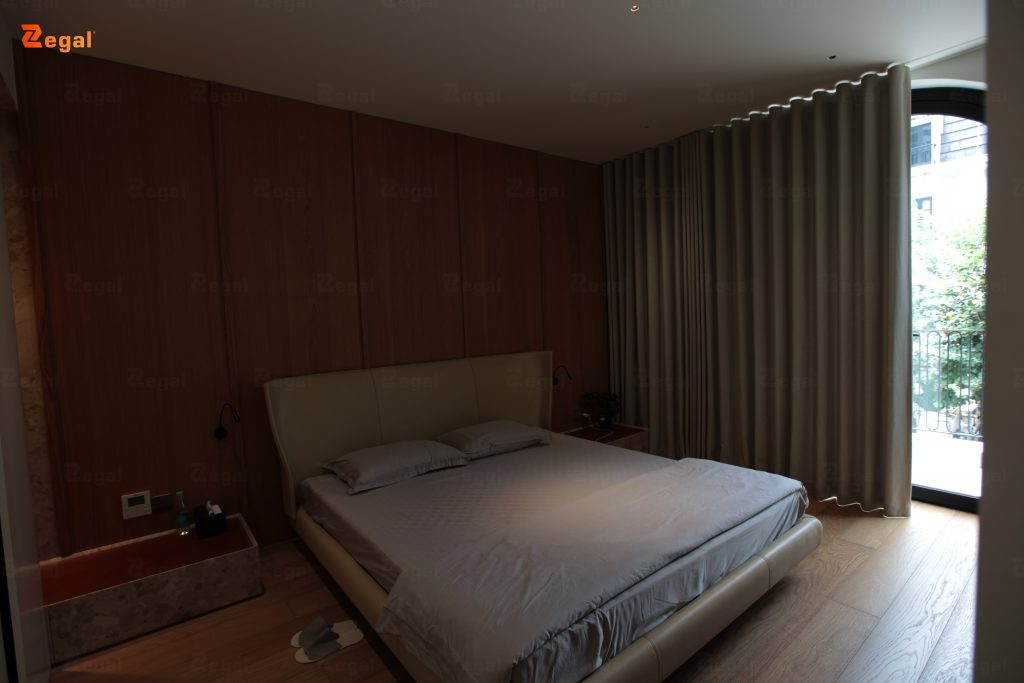
To ensure that the colors of curtains, bedding, furniture, and even your skin tone are displayed as naturally as possible, choose lighting with a high color rendering index (CRI). This value should be at least 80, with 90 or above being ideal. A high CRI helps the bedroom appear more vivid and harmonious, creating a comfortable and authentic visual experience.
2.4 Smart lighting control – optimal convenience
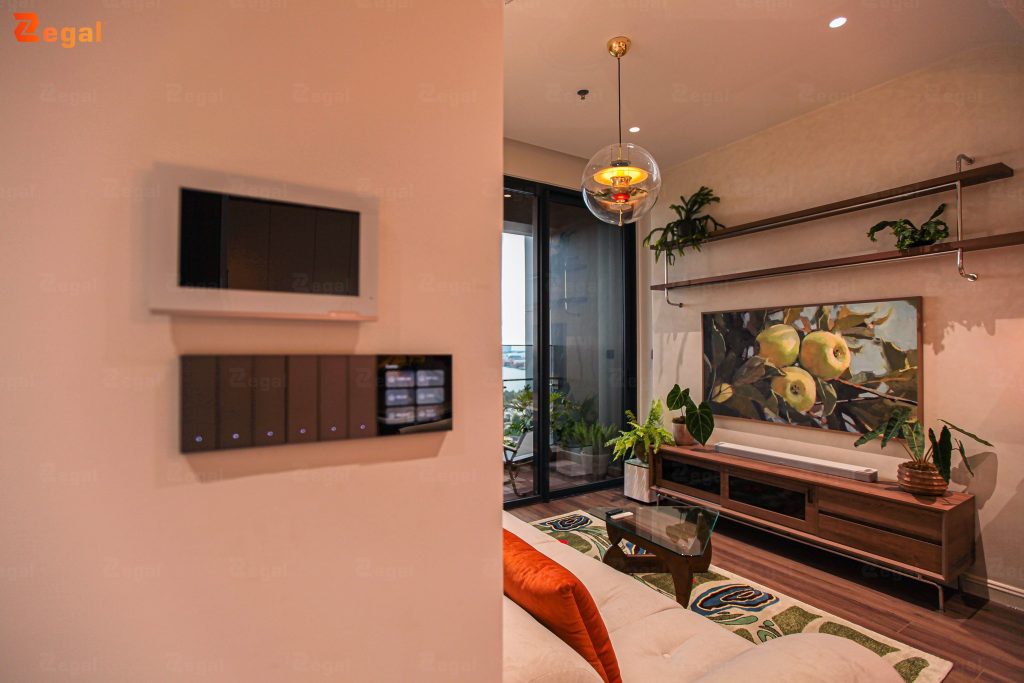
In modern trends, integrating a smart lighting control system is a valuable upgrade for the bedroom. You can easily use dimmers to adjust light intensity according to different activities and times of day, from brighter light for cleaning to soft, subdued lighting for relaxing before sleep.
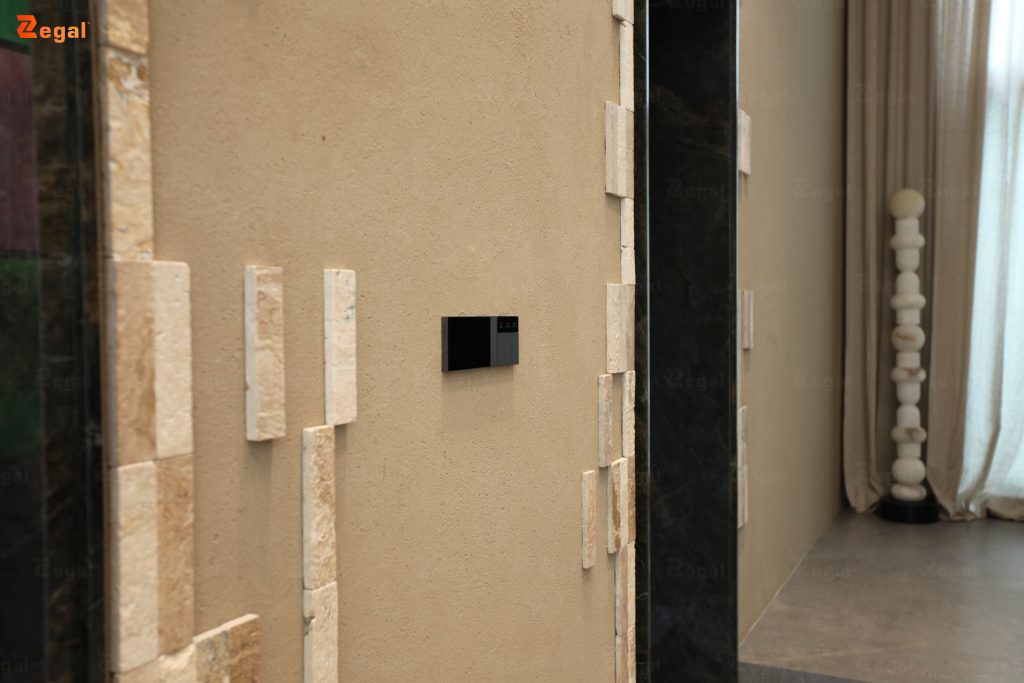
In addition, remote control and voice control features offer exceptional convenience, allowing you to turn off the lights without leaving your bed. You can also set up different lighting scenes for morning, daytime, evening, and night, enabling the system to automatically adjust lighting in line with your circadian rhythm and create a truly smart and comfortable living space.
3. Common lighting types for modern bedroom lighting
To create a truly modern bedroom space, you can refer to the most popular lighting types available today. Each type of light serves a distinct function and aesthetic purpose, allowing you to flexibly create the desired lighting effects and tailor illumination to every corner of the room.
- Recessed downlights are a popular choice for general lighting, delivering a clean and refined look without occupying visual space.
- Cove lighting or concealed LED strips create soft, indirect illumination that adds elegance and depth to the room, making them ideal for creating a relaxing atmosphere before sleep.
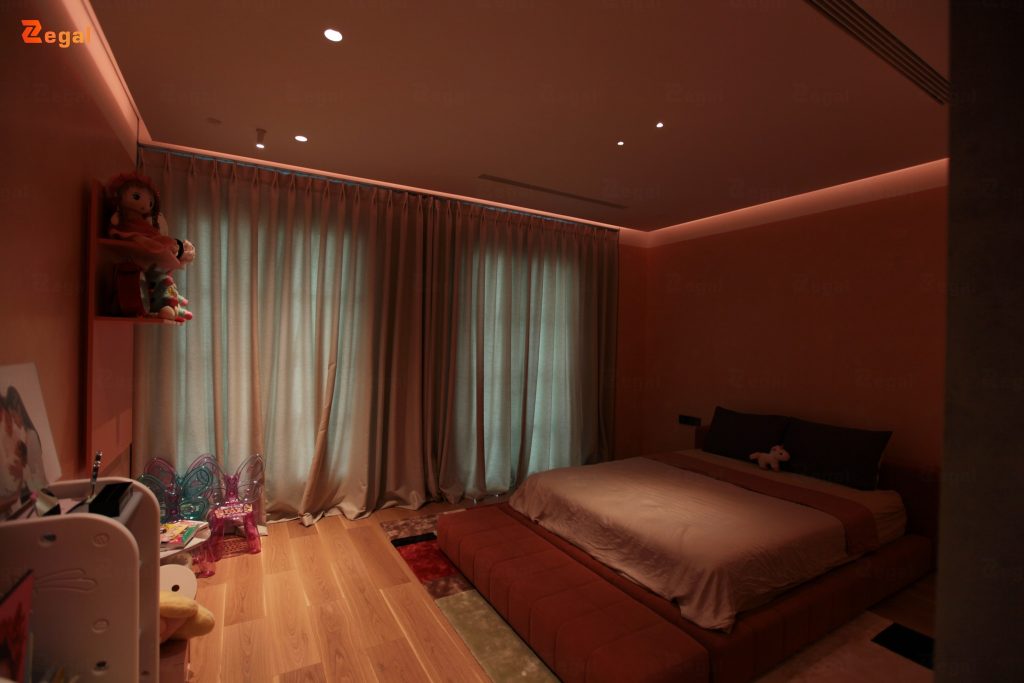
- Table lamps placed on bedside tables not only provide functional lighting for reading, but also serve as refined decorative accents.
- Floor lamps with distinctive designs can act as both supplementary light sources and artistic elements, adding personality to the space.
- Wall sconces mounted on either side of the bed are a space saving solution that frees up bedside tables while delivering a modern and elegant look.
- Chandeliers or small pendant lights with simple, contemporary designs can also work as striking focal points in the bedroom.
Note: Make sure the lighting is not overly bright or visually heavy, maintaining harmony within the overall resting environment.
4. Modern style bedroom lighting design ideas
When designing bedroom lighting in a modern style, you can refer to a few suggestions to create a space that feels distinctive and aligned with your personal character. Each style approaches lighting differently, but all aim toward comfort and aesthetic balance.
For a minimalist bedroom, focus on indirect lighting from cove LED strips and recessed lights. Avoid overly decorative fixtures, and prioritize clean lines and simplicity to keep the space airy and uncluttered.
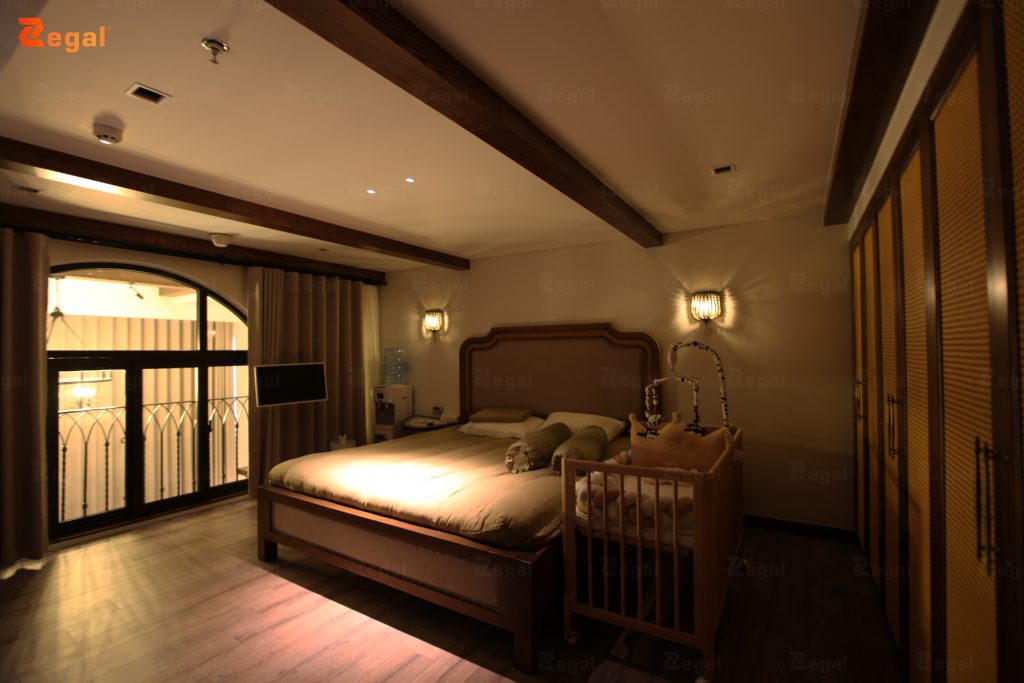
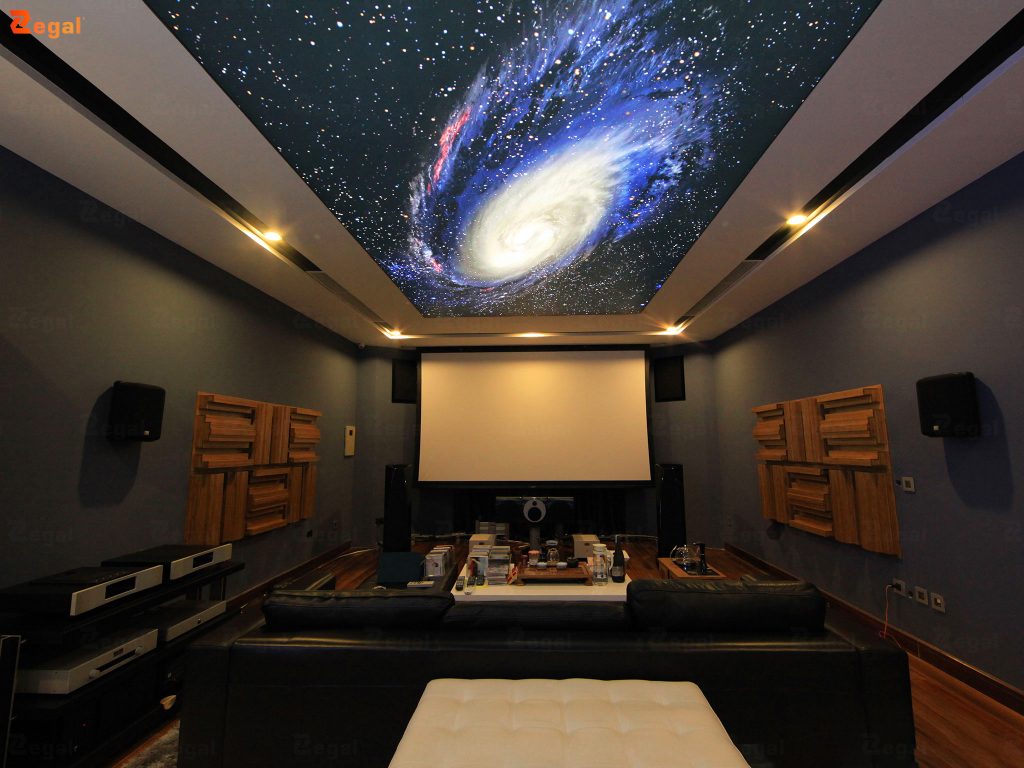
If you want a bedroom with a meditative or deeply relaxing quality, make full use of warm lighting. You can combine it with Himalayan salt lamps or starry sky effect lights to enhance a sense of calm and serenity.
If your bedroom serves as a multifunctional space that includes a work area, clearly separate the zones through lighting. Use warm light for the resting area and neutral light with a dedicated desk lamp for the workspace.
Finally, do not forget to make the most of natural light by designing large windows and using blackout curtains to control daylight during the day, while ensuring complete darkness at night for better sleep.
5. Conclusion
Modern bedroom lighting design is not simply about installing lighting fixtures, but an art of composition that applies lighting principles to create a truly perfect private retreat. Hopefully, the insights above have given you a deeper understanding and practical ideas to transform your bedroom into a genuine sanctuary of rest.
——
For further consultation, please contact Zegal Vietnam using the information below:
Zegal Hanoi
112 Vo Chi Cong, Nghia Do Ward, Hanoi
Zegal Ho Chi Minh
319–C9 Ly Thuong Kiet, Phu Tho Ward, Ho Chi Minh City
Hotline: +84969 14 6688