

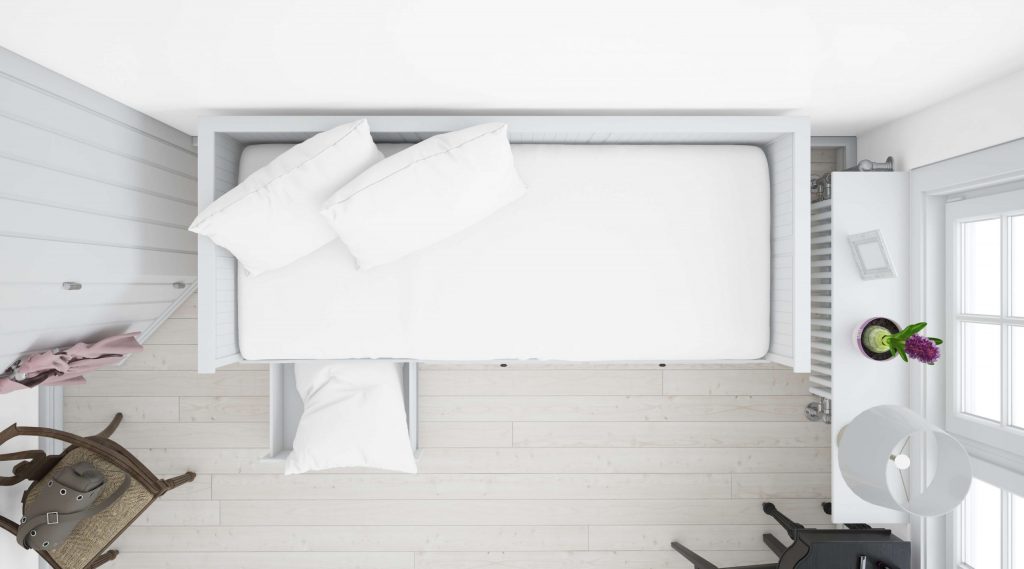
Minimalism is more than just a trend in interior design—it’s a lifestyle that emphasizes simplifying spaces, reducing clutter, and prioritizing quality over quantity. This style creates spacious, airy, and light-filled environments, bringing a sense of tranquility and relaxation to its inhabitants.
Key features of minimalist design
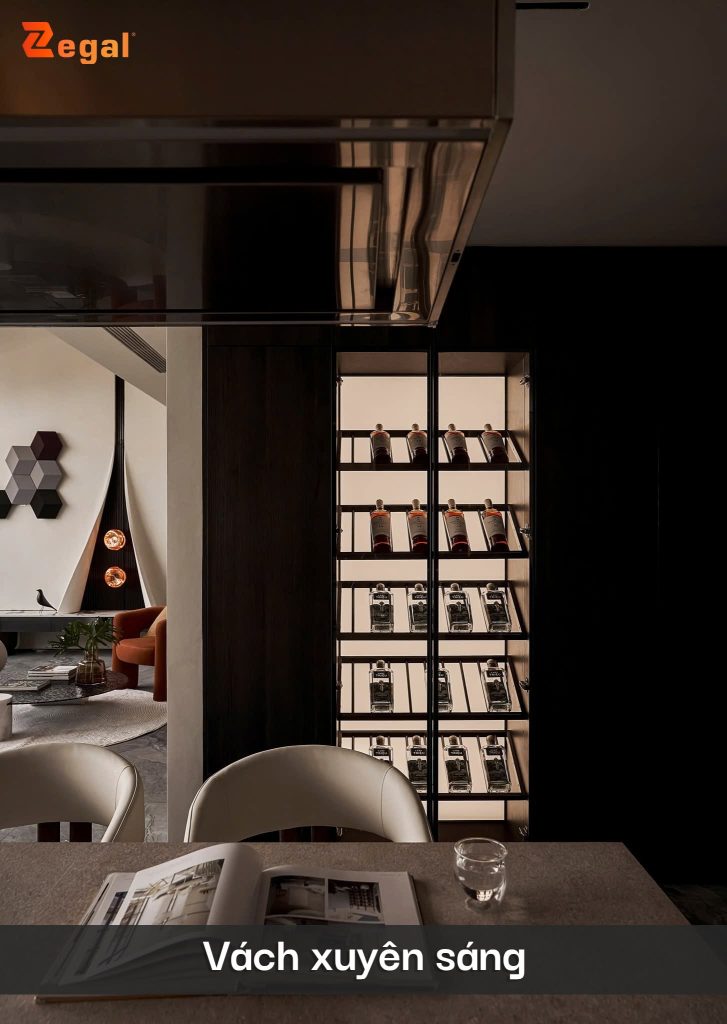
Minimalist interior design is defined by its simplicity, cleanliness, and the principle of “less is more.” Neutral colors such as white, gray, and soft pastels dominate the palette, creating a harmonious and soothing atmosphere. Furniture is often sleek and straightforward, with a focus on functionality and maximizing open space to enhance comfort and practicality.
A standout feature of minimalism is its use of natural light to highlight the subtle elegance of the space. Lighting solutions are essential, ranging from simple yet sophisticated fixtures to thoughtful arrangements that optimize natural light while creating focal points.

Benefits of embracing minimalism
Adopting minimalism in living spaces offers a range of tangible benefits. The simplicity of the style reduces visual stress, creating a calming environment that enhances mental clarity. Additionally, minimalist spaces are easier to clean and maintain, saving time and effort while encouraging a tidy and organized lifestyle.
The popularity of minimalism in modern design
In recent years, minimalism has become a leading choice in modern interior design, from private residences to workspaces. This trend reflects a growing preference for simplicity while also conveying sophistication and elegance. Leading designers often combine minimalism with innovative lighting solutions, resulting in artistic and highly personalized spaces.

Tips for creating a minimalist living space
Incorporating minimalism into your living space requires thoughtful furniture selection, smart organization, and attention to lighting. Here are some practical tips for achieving a minimalist yet distinctive home:
- Select the right furniture: Choose pieces with simple designs that emphasize quality and functionality while complementing your living space.
- Optimize open spaces: Minimize clutter and maximize openness with multifunctional or foldable furniture.
- Use neutral colors and natural light: Opt for soft, neutral tones and maximize natural light to create a serene and bright environment.
- Incorporate unique lighting: Treat lighting as an artistic feature. Indirect lighting, simple wall lamps, or uniquely designed fixtures can enhance the space’s beauty while providing warmth and comfort.

Minimalism transcends being a mere design style—it reflects a way of life. Its simplicity, elegance, and practicality have captured the hearts of many. By following the principles outlined above, you can transform your living space into a minimalist yet unique environment that reflects your personality and values. For an added touch of creativity, explore Zegal’s innovative lighting solutions to bring character to your minimalist home, making it not only simple but also strikingly inspiring.
For further assistance, contact Zegal Vietnam through the details below:
Zegal Hanoi
112 Vo Chi Cong, Nghia Do Ward, Cau Giay District, Hanoi
Zegal Ho Chi Minh
319-C9 Ly Thuong Kiet, Ward 15, District 11, Ho Chi Minh City
Hotline: +84969 14 6688