

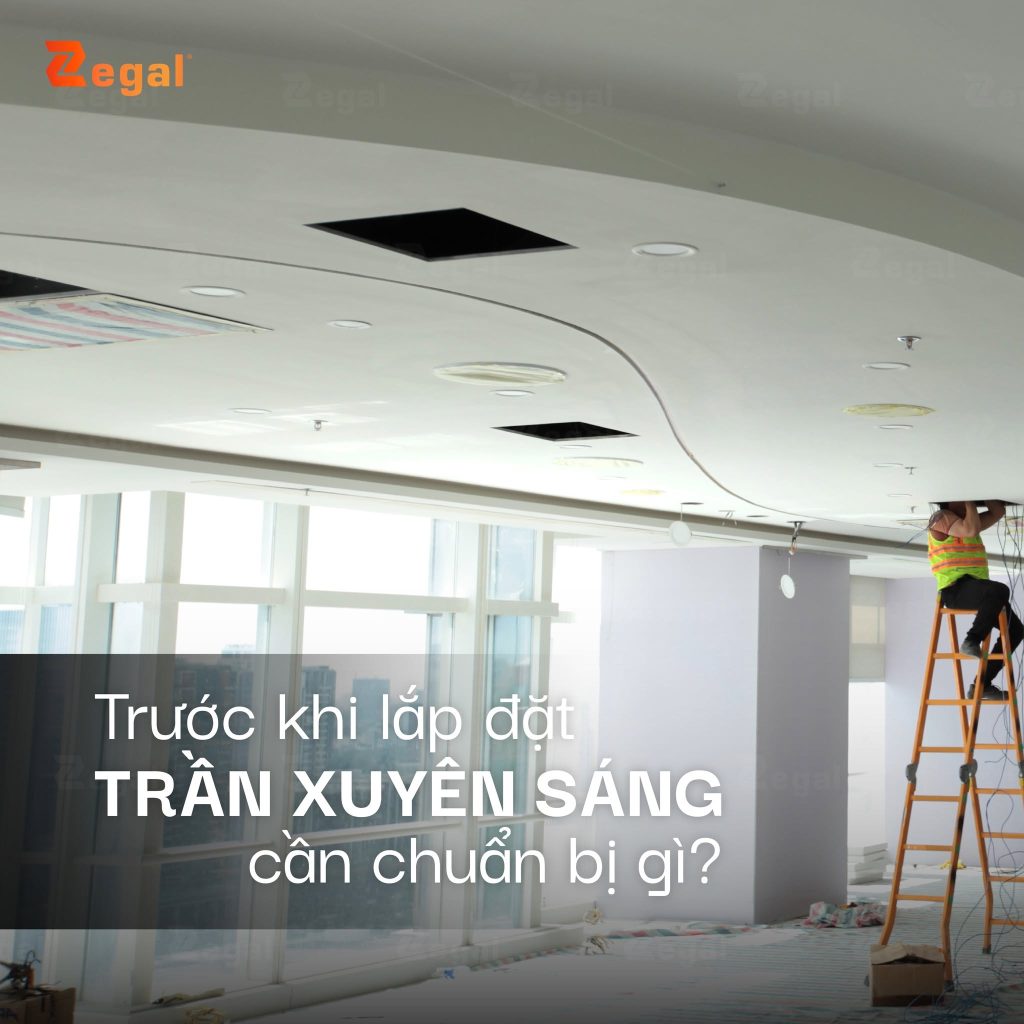
Translucent ceilings are becoming a popular choice for high-end interior design solutions among architects and investors for offices, villas, showrooms, hotels, restaurants, and conference rooms. Not only do they provide a soft, even lighting effect, but they also make spaces more modern, sophisticated, and visually appealing.
However, to achieve a perfectly flat and taut surface, uniform light distribution, and long-lasting durability, the design process needs careful planning from the outset. Factors such as technical ceiling height, shape dimensions, curvature radius, and construction timing directly impact the final quality.
Before construction begins, investors and design firms should consider the following four crucial technical factors to ensure the aesthetic appeal and functionality of the translucent ceiling system.
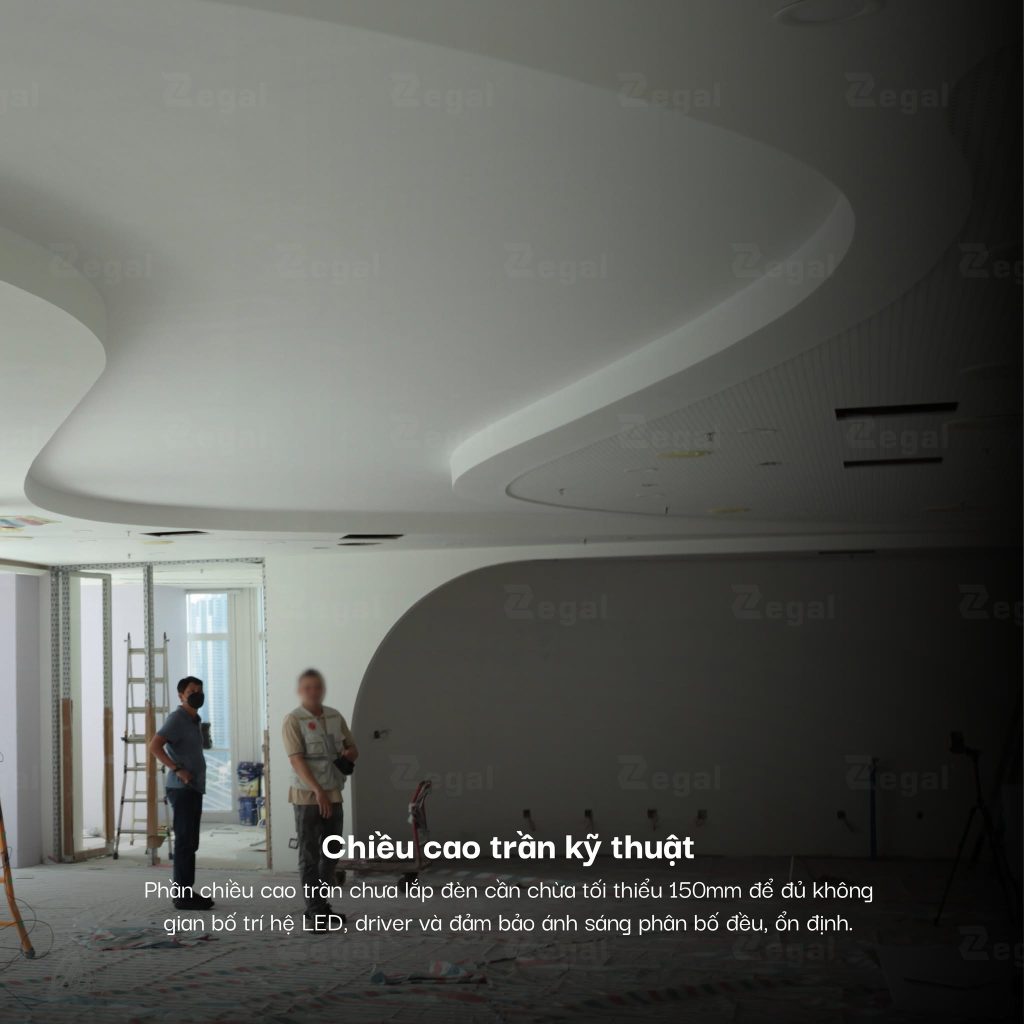
1. The minimum technical ceiling height needs to be calculated accurately.
The space above the translucent panel is a crucial area for arranging the lighting system of the translucent ceiling. This directly determines the light diffusion and uniformity of the entire ceiling surface.
To create a soft lighting effect, the LED system needs to have a suitable distance from the stretched membrane surface. If this distance is insufficient, the light may appear as uneven spots or streaks.
The more accurately the technical gap is calculated, the better the light behind the translucent panel will spread. This is an important factor in eliminating the phenomenon of exposed light sources, creating the feeling of light emanating naturally from the ceiling surface.
For typical translucent ceiling systems, a minimum distance of approximately 150mm should be left between the ceiling and the translucent panel to ensure the installation and operation of the LED system.
This spacing ensures even light distribution in the translucent ceiling system, preventing the LEDs from being visible. At the same time, the system has enough space for heat dissipation, minimizing the impact on component lifespan.
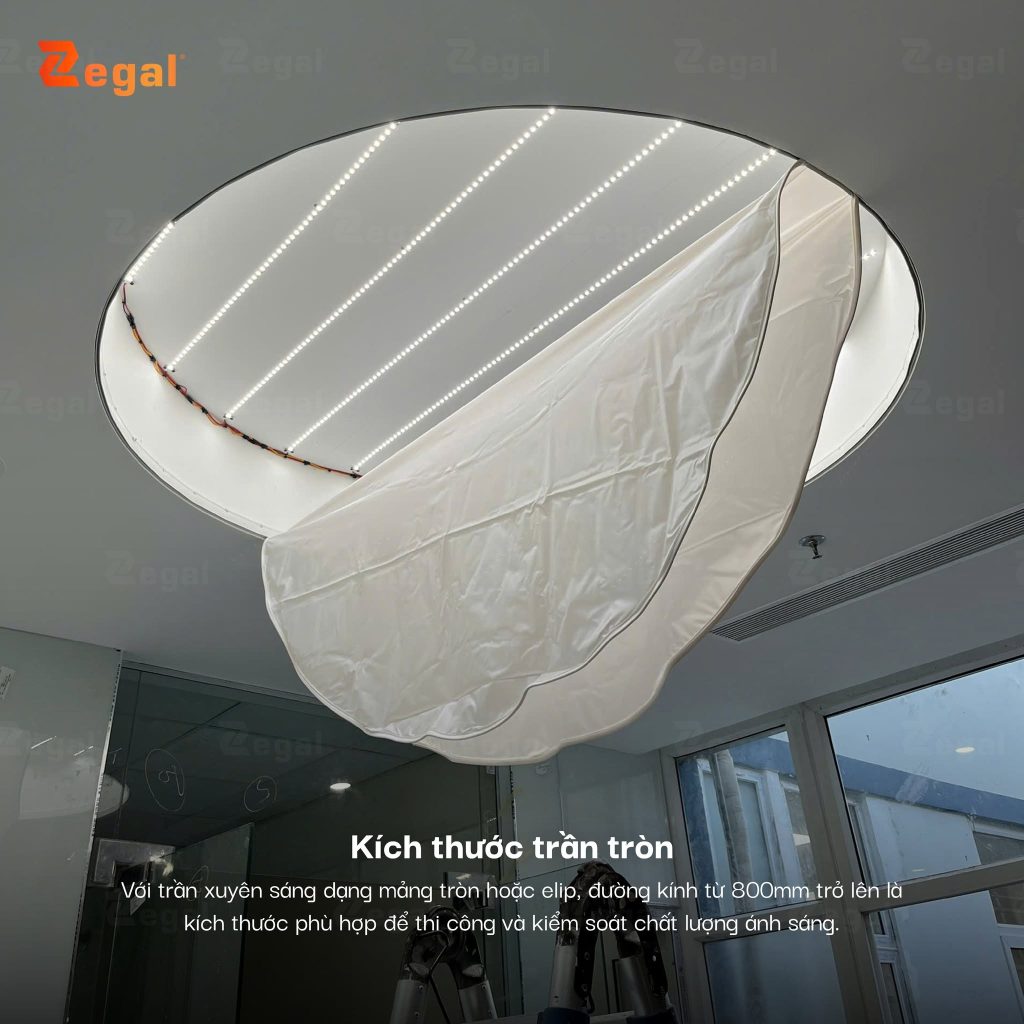
2. Standard Sizes for Circular and Elliptical Translucent Ceilings
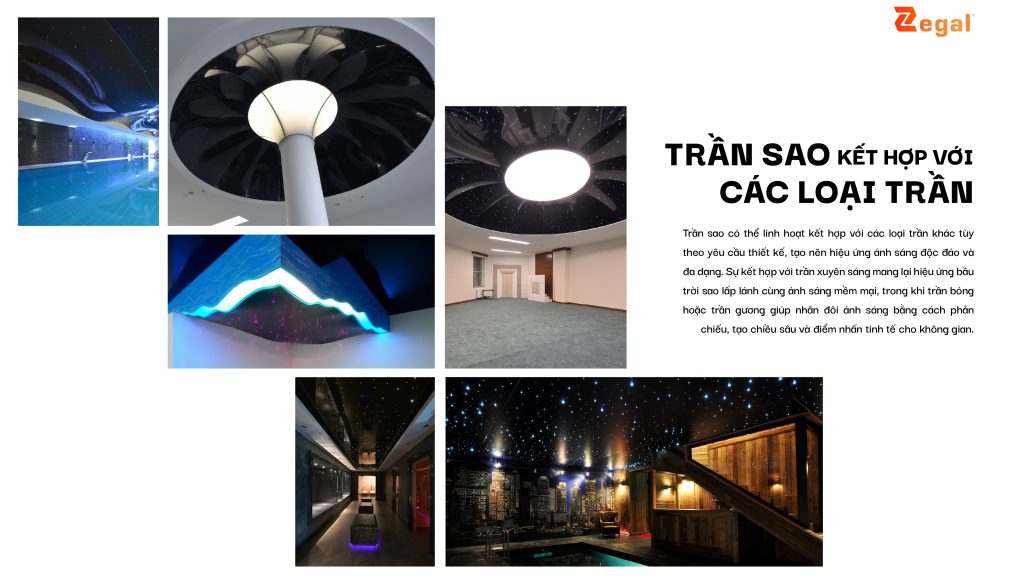
Besides traditional flat designs, translucent ceilings are also applied in many unique shapes such as circles, ellipses, or artistic curves. These shapes help create architectural focal points and enhance the aesthetics of the space.
However, the creation of translucent ceilings must adhere to certain technical standards to ensure a smooth construction process.
Circular or elliptical translucent ceiling panels should have a size of 800mm or more. This is the appropriate size for technicians to install the frame system, arrange lighting, and accurately process the stretched membrane surface. If the size is too small, the distribution of light inside will be limited. At the same time, the membrane stretching process will be difficult to achieve the smooth and beautiful finish as designed.
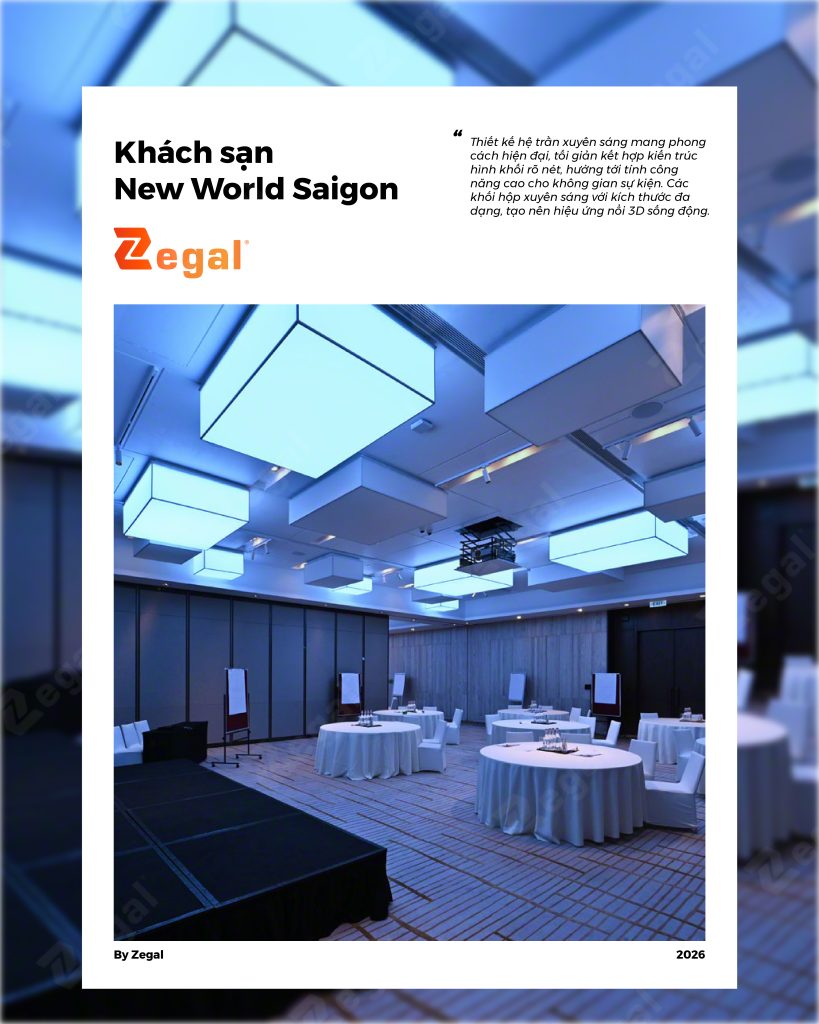
A translucent ceiling panel of the appropriate size not only ensures technical compliance but also creates a better visual effect. In large spaces such as hotel lobbies, showrooms, or conference rooms, large circular or elliptical ceiling panels often create a sense of luxury and become the main focal point of the space.
During the design process, architects need to communicate with the construction company to ensure that the design concept can be realized. A beautiful design needs to be accompanied by a suitable technical solution. Checking the dimensions, ceiling structure, and installation plan from the beginning will help minimize adjustments that may arise during construction.
Learn more about 4 misconceptions about translucent ceilings, clarified here.
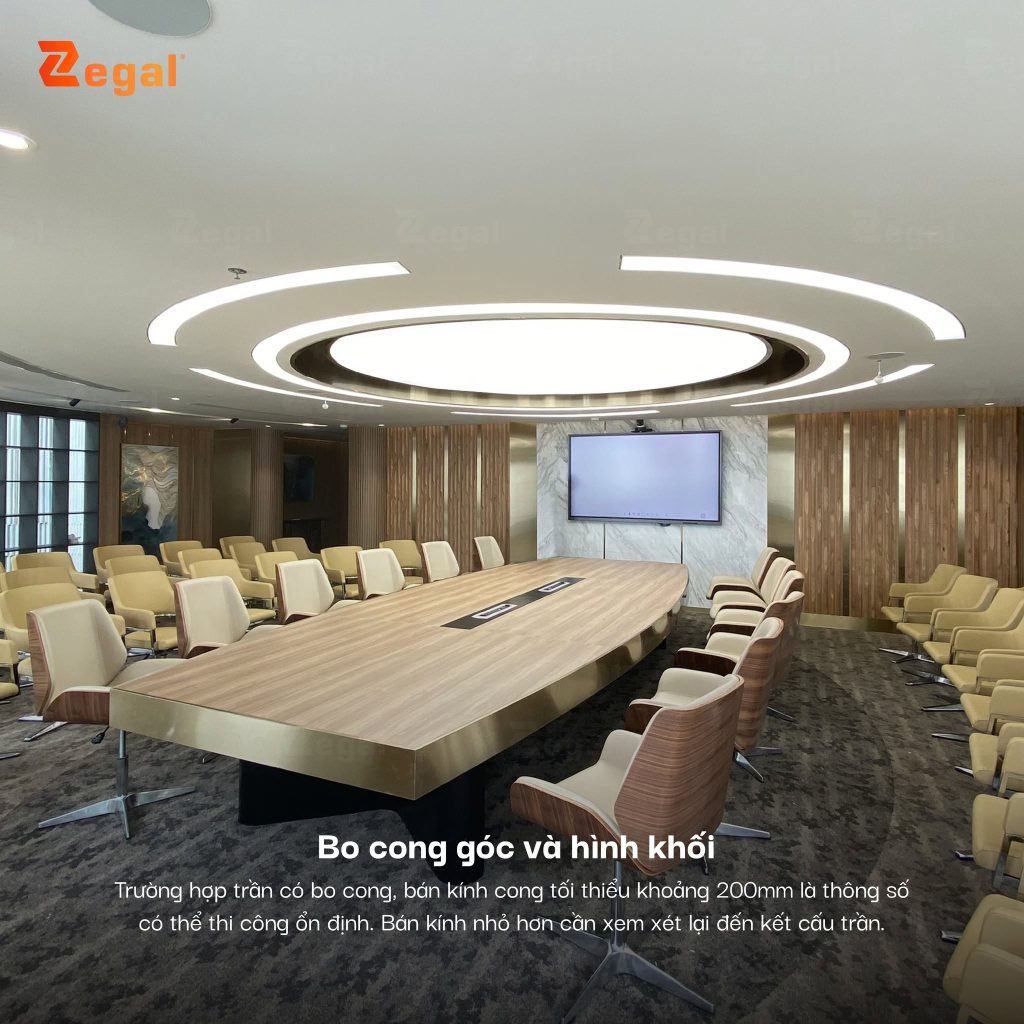
3. Curve Radius and Shaping Must Meet Standards
One of the outstanding advantages of translucent ceilings is their flexible shaping capabilities. Soft curves make the space more fluid, unique, and artistic. However, designs with many curves or complex angles require high precision in the technical processing. For curved details, the curve radius should be at least 200mm to ensure stable installation. This parameter allows for precise fabrication of the frame and ensures the stretched membrane is evenly distributed across the entire surface.
If the design requires curves that are too small, the translucent membrane may have difficulty during stretching. Problems may arise such as wrinkled surfaces, unevenness, or difficulty in handling the connecting details.
Therefore, areas with special shapes need to be carefully inspected before production and installation.
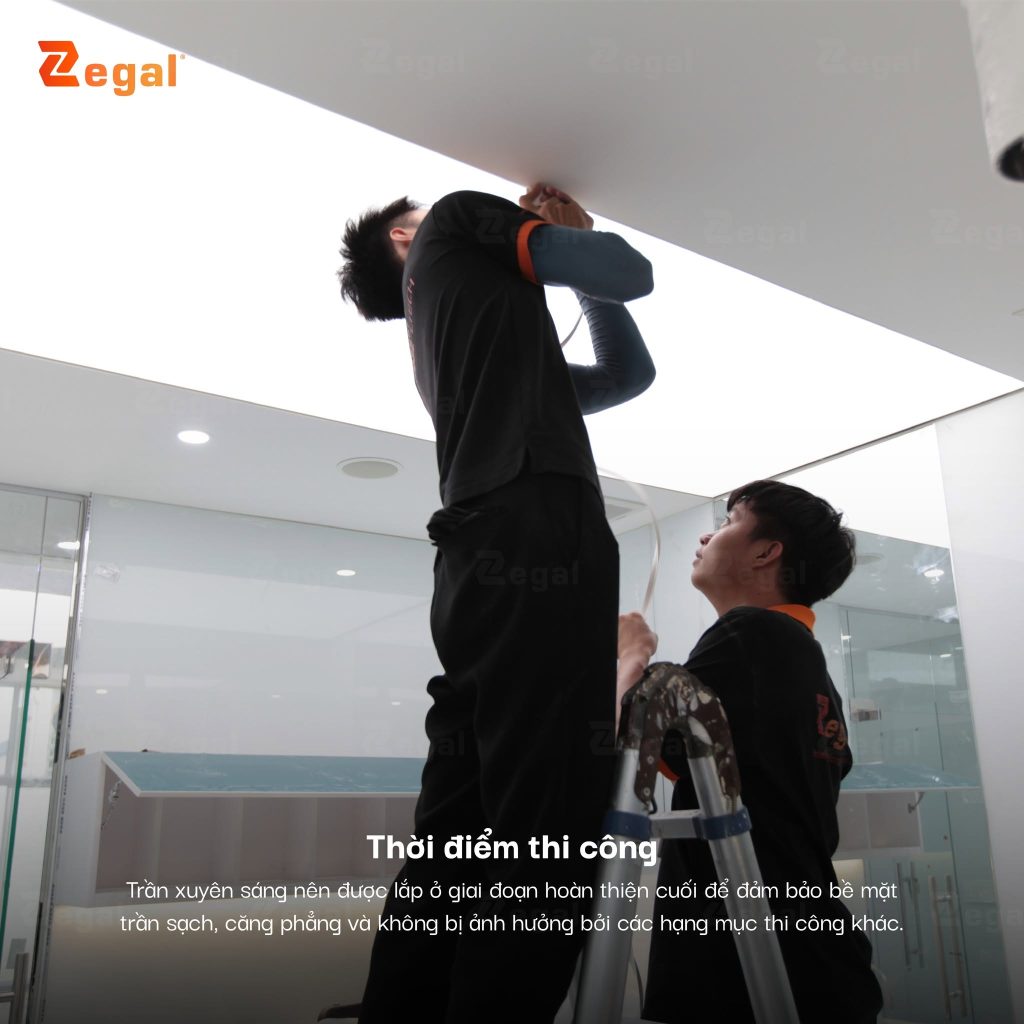
4. Choosing the Right Time for Translucent Ceiling Installation
Besides design and technical factors, the timing of installation directly affects the cleanliness, durability, and aesthetics of the translucent ceiling system. Due to the high-quality finish of the stretched membrane surface, installation should be done at an appropriate stage to minimize impact from other construction work.
Translucent ceilings should be installed after dust-generating tasks such as painting, floor grinding, drywall installation, or major construction work have been completed.
This helps reduce the risk of dust adhering to the membrane surface or damage during installation.
5. Factors to Prepare Before Installing Translucent Ceilings
In addition to the four technical considerations above, a quality translucent ceiling project requires preparation from many different factors.
5.1. Site Survey
The construction unit needs to check the actual dimensions, ceiling structure, electrical system installation location, and related factors before proposing a design plan.
5.2. Appropriate Lighting Design
The LED system for the translucent ceiling needs to be calculated based on the area, intended use, and desired lighting effect. Choosing the appropriate color temperature and number of LEDs also greatly affects the perception of the space.
5.3. Selection of Standard Materials
High-quality Barrisol translucent panels help maintain tension, stable color, and light diffusion capabilities over a long period.
5.4. Choosing a Professional Construction Company
Translucent stretch ceilings require a combination of material knowledge, lighting techniques, and practical construction experience. With many years of experience in the high-end translucent stretch ceiling field, Zegal offers a comprehensive implementation process from surveying and frame design to lighting calculations and complete construction.
Zegal’s technical team always pays attention to every detail during installation to ensure the ceiling surface is perfectly taut and flat, the light is evenly distributed, and the durability is long-lasting. Combining high-quality materials with appropriate lighting solutions helps each project achieve optimal aesthetic results.
Choosing Zegal is not just choosing a construction company, but also choosing a partner to work alongside architects and investors in realizing unique translucent ceiling designs that suit each space.
6. Conclusion
Careful preparation of technical specifications before installing translucent ceilings plays a crucial role in determining the quality of the entire project. From technical ceiling height, shaping dimensions, curvature radius to the timing of construction, everything needs to be calculated precisely.
A beautiful translucent ceiling system depends not only on high-quality materials but also on the combination of design, technique, and construction experience. When implemented according to standards, this solution will provide a sophisticated, durable lighting effect and enhance the value of any space.
Contact Zegal today for advice on the right lighting solution for your project.
——
For further information, please contact Zegal Vietnam using the information below:
Zegal Hanoi
112 Vo Chi Cong Street, Nghia Do Ward, Hanoi
Zegal Ho Chi Minh City
319 – C9 Ly Thuong Kiet Street, Phu Tho Ward, Ho Chi Minh City
Hotline: 0969 14 6688