

1. What is Layer Lighting? The Secret to Creating Depth in Space
Lighting not only helps people observe but is also a crucial element in creating emotion, depth, and aesthetic value in a building. Instead of using a single light source, architects today often apply Layer Lighting to build multiple layers of light, making the space more harmonious, flexible, and enriching the experience.
Layer Lighting is widely used in homes, villas, hotels, restaurants, showrooms, offices, and high-end commercial buildings. It is also one of the most common lighting design principles used in modern architecture.
Learn more about light color temperature and its practical applications here.
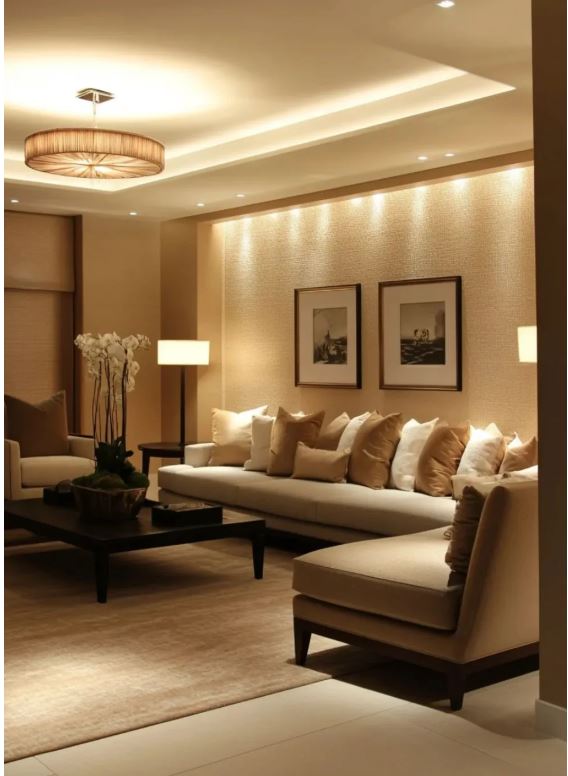
2. What is Layer Lighting?
Layer lighting is a lighting design method that combines multiple layers of light in the same space. Each layer serves a specific function, but when combined, they create a harmonious overall effect and provide a better visual experience.
Instead of installing just one ceiling light in the center of the room, layer lighting distributes light according to each area and purpose. This helps to create focal points in the space, reduce monotony, and enhance lighting efficiency.
Today, layer lighting is considered a standard in high-end interior design and architecture.
Learn more about modern lighting trends here.
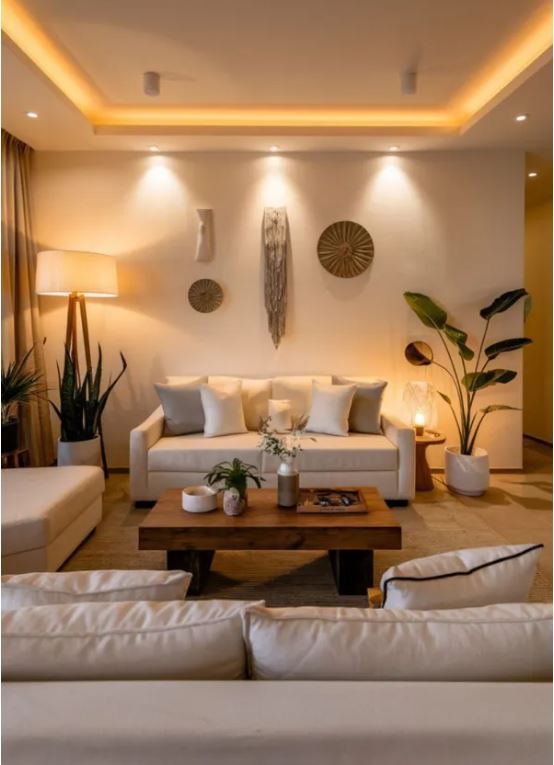
3. Why is Layer Lighting becoming increasingly popular?
A lighting system designed using Layer Lighting offers many outstanding benefits.The space becomes more spacious and vibrant. Light is evenly distributed, minimizing glare.The atmosphere can be easily changed at different times. It highlights materials, colors, and architecture. It saves energy when combined with a smart control system. This is why modern hotels, restaurants, and showrooms prioritize this method.
4. Three basic layers of lighting in Layer Lighting
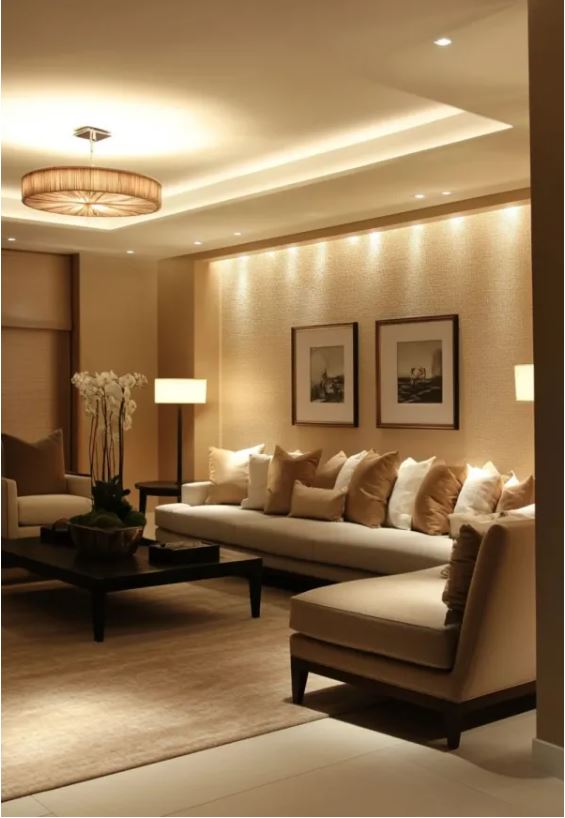
4.1. Ambient Lighting
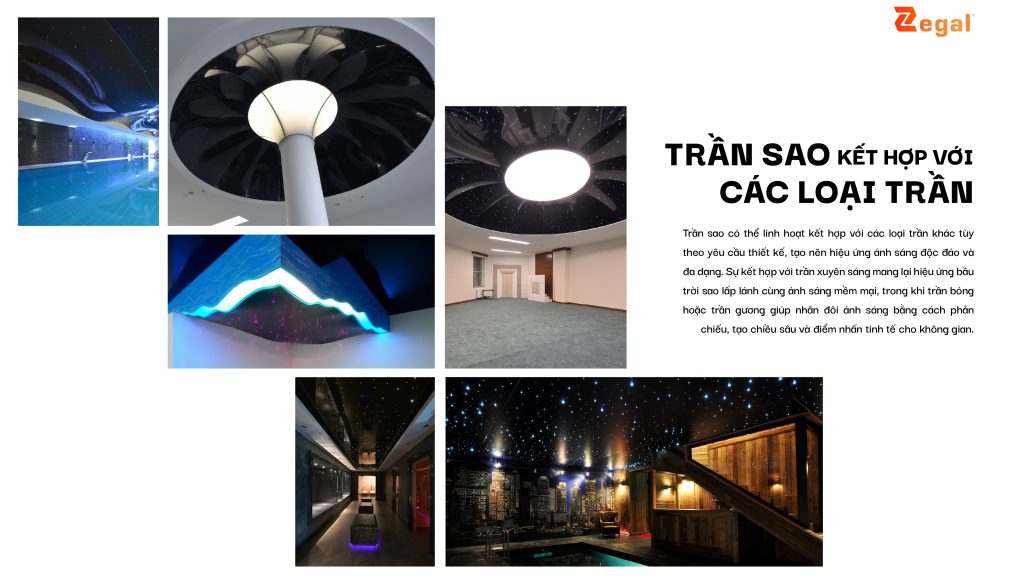
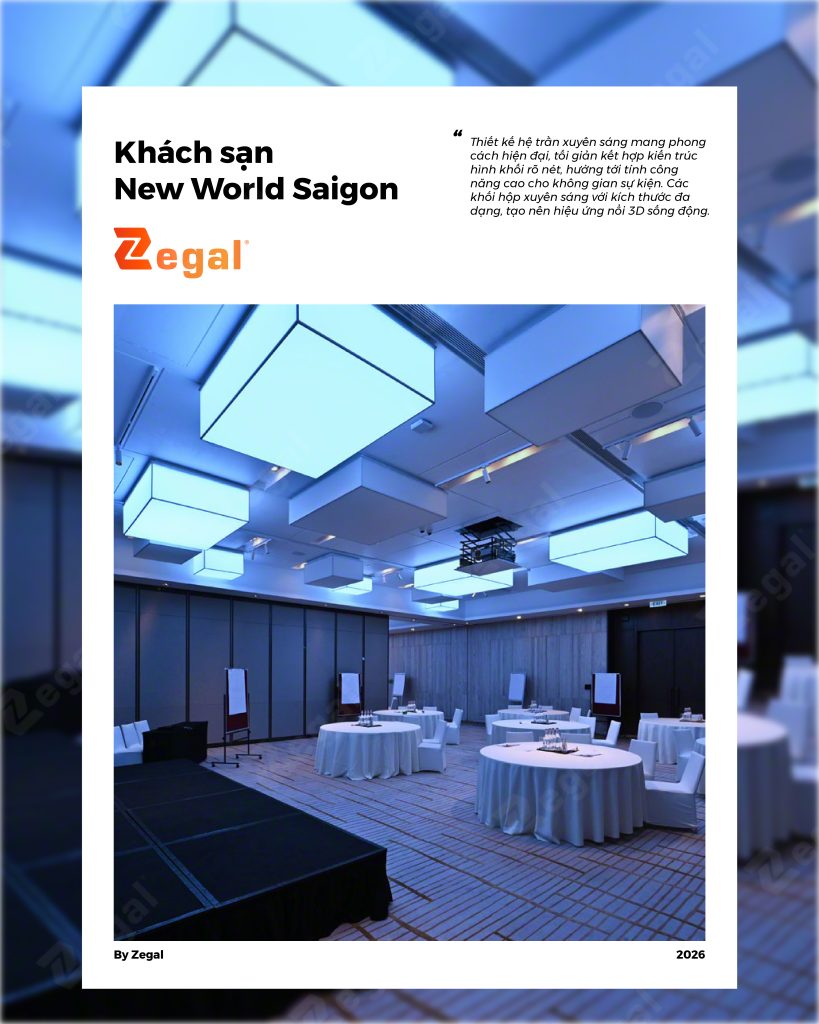
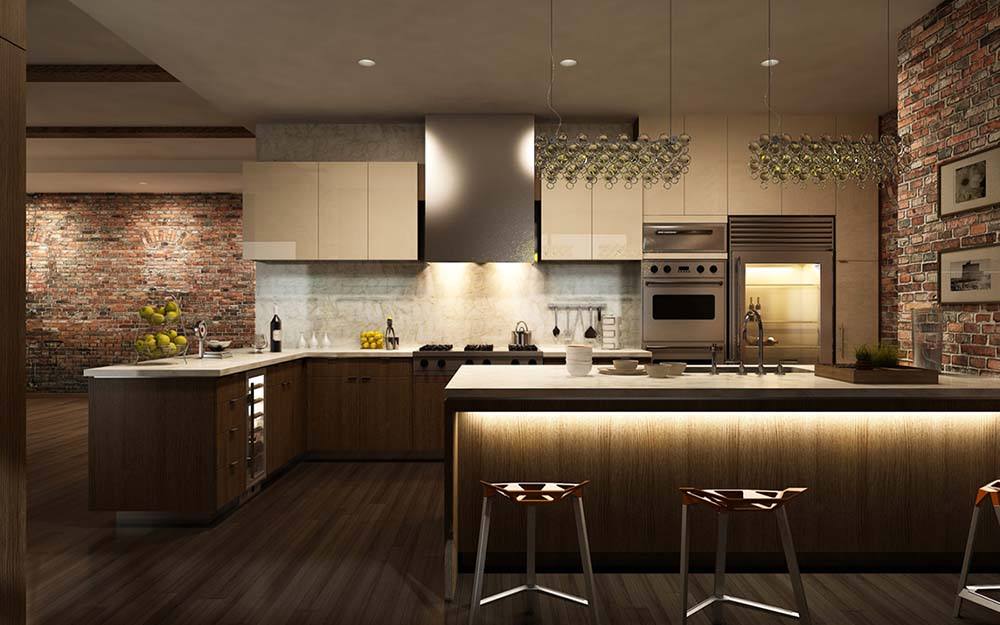
Ambient lighting is the background lighting layer that provides overall brightness to the entire space. This is the first and most important layer of lighting. The light source usually comes from recessed lights, pendant lights, translucent ceilings, or cove lighting systems.
A good ambient lighting system will ensure that every area has sufficient light for daily activities while still creating a comfortable atmosphere.
4.2. Task Lighting
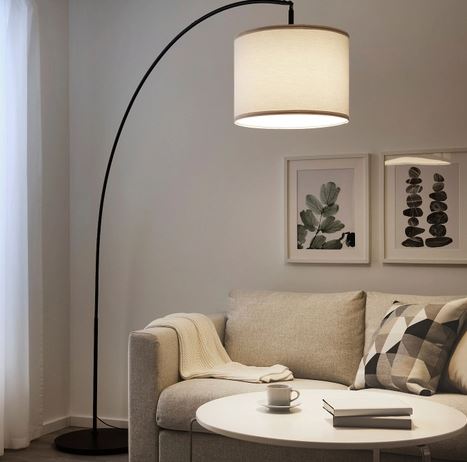
Task lighting refers to the lighting used for specific activities. Examples include reading, cooking, working, applying makeup, or preparing food. This type of lighting is usually more intense than ambient lighting and is strategically placed where needed. Some common types of lights include table lamps, mirror lights, under-cabinet lights, and spotlights.
4.3. Accent Lighting
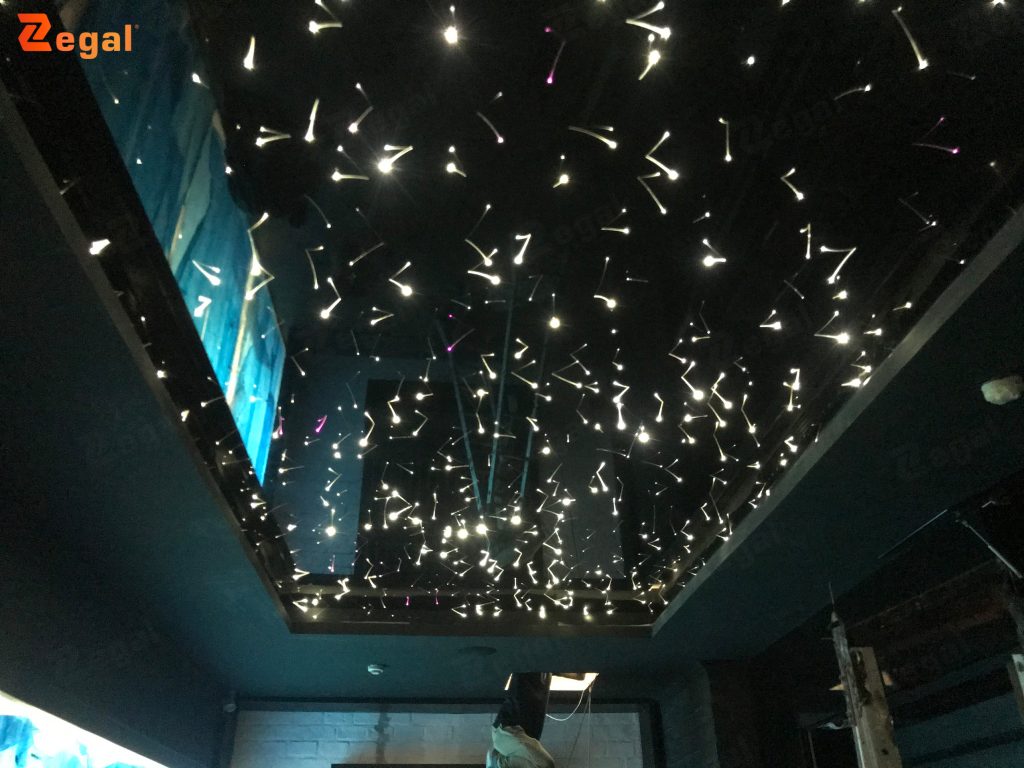
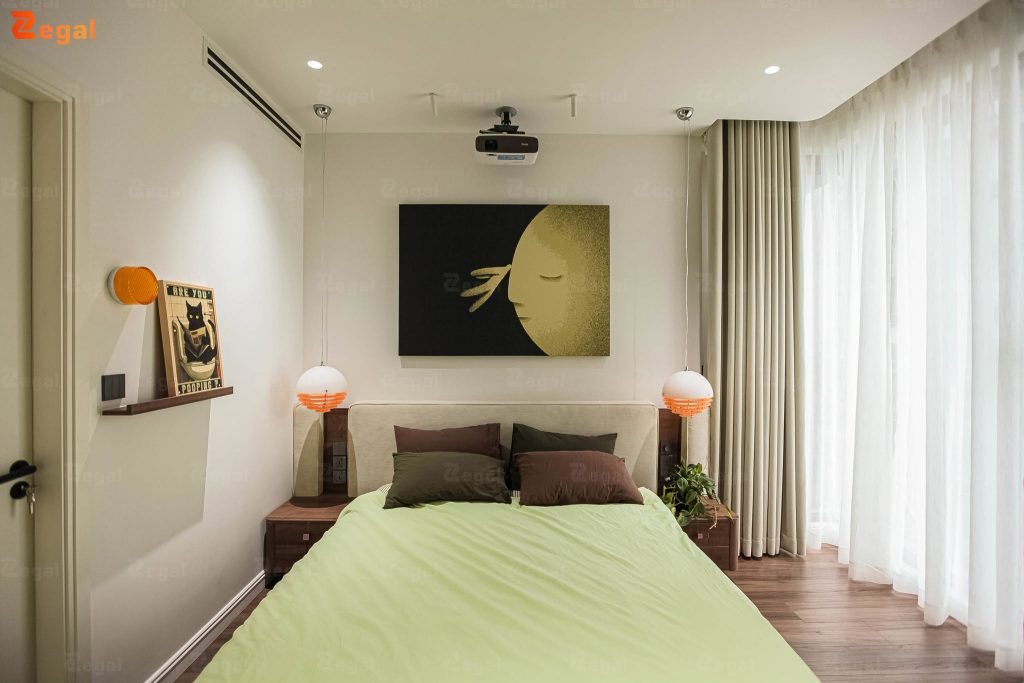
Accent lighting helps create focal points in a space. This type of lighting is used to highlight artwork, display shelves, decorative materials, plants, or architectural details. Spotlights, track lights, and wall sconces are popular choices for this type of lighting.
When properly designed, accent lighting makes a space feel more luxurious and adds depth.
5. Principles of Layer Lighting Design
Determine the Purpose. Each space will have different lighting requirements.
- Living rooms need to create a relaxing atmosphere.
- Kitchens need bright lighting for work.
- Restaurants need to create a cozy atmosphere.
- Showrooms need to highlight products.
Identifying the purpose correctly will help in choosing the appropriate number and placement of layers of light.
Balance Light Intensity
All light sources should not have the same brightness.
Layer lighting works effectively when each layer of light has a different intensity, creating a smooth and natural transition.
Choose the Appropriate Color Temperature
White light is usually suitable for work areas.
Yellow light is suitable for relaxation spaces and restaurants.
Combining multiple color temperatures requires careful consideration to avoid creating a cluttered or visually overwhelming effect.
Utilizing intelligent control systems
Modern control systems allow users to adjust the brightness according to the time of day or usage scenario. This helps Layer Lighting maximize its effectiveness.
6. Conclusion
Layer Lighting is not simply about installing various types of lights, but rather the art of arranging layers of light to create a harmonious, comfortable, and emotionally rich space.
When designed according to principles and combined with solutions such as Barrisol translucent ceilings or LTECH smart control systems, Layer Lighting will contribute to enhancing the user experience and increasing the aesthetic value of any project.
Contact Zegal today for advice on the right lighting solution for your project.
——
For further consultation, please contact Zegal Vietnam at the information below:
Zegal Hanoi
112 Vo Chi Cong Street, Nghia Do Ward, Hanoi
Zegal Ho Chi Minh City
319 – C9 Ly Thuong Kiet Street, Phu Tho Ward, Ho Chi Minh City
Hotline: 0969 14 6688