

In the context of globalization and increasingly urgent climate change, approaching interior design from an environmental protection perspective is no longer a choice but an inevitable trend. Eco-Design, or environmentally friendly design, is establishing itself as a design style that harmonizes humans with nature. This article delves into Eco-Design and its transformative impact on modern interior design.
-
Concept and significance of Eco-Design
Eco-Design, also known as environmentally friendly design, incorporates sustainable principles into designing products and living spaces. It emphasizes minimizing environmental impact by choosing materials, production processes, and product recyclability. This design style celebrates harmony with nature, highlighting the beauty of natural materials and simplicity in design.

-
The essence and importance of Eco-Design
Eco-Design integrates sustainability principles into the design process to reduce environmental impact by using recycled, reusable, and sustainably sourced materials. This style not only focuses on responsible resource usage but also encourages creativity in applying green technologies and smart design to create beautiful, eco-friendly living spaces.
In today’s world, responsible consumption and environmental protection are inseparable from modern living. Eco-Design directly addresses these concerns by providing design solutions where sustainability and aesthetics are equally valued. This approach reduces waste and energy consumption while enhancing life quality, creating healthy and peaceful living environments.
-
Applications and benefits of Eco-Design in interior design
- Recycled and durable materials
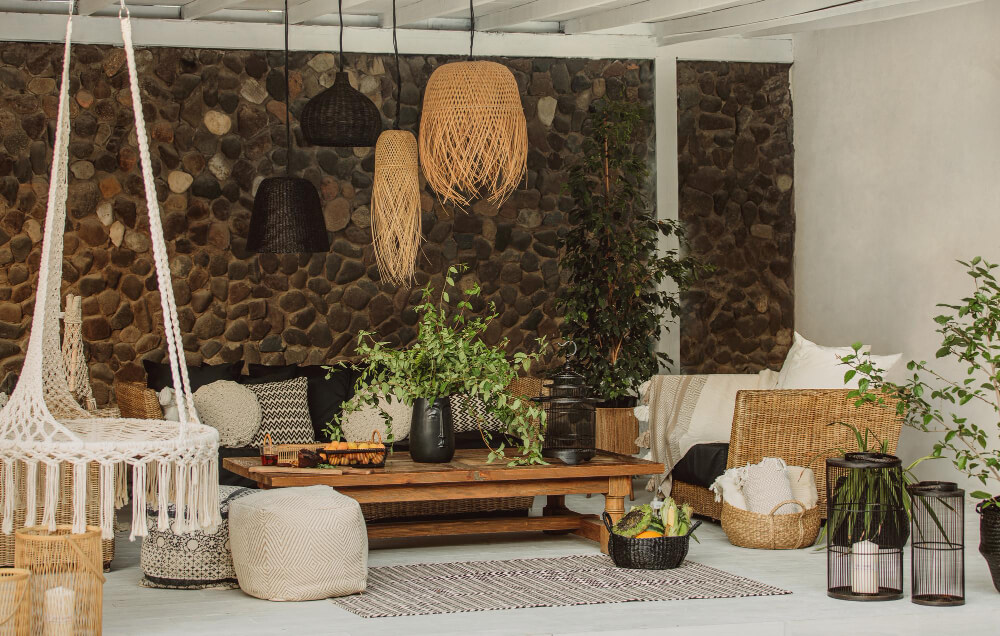
Using recycled, renewable, and sustainably sourced materials is the foundation of Eco-Design, reducing reliance on natural resources and minimizing environmental impact. Designers increasingly seek innovative materials such as reclaimed wood, biodegradable plastics, or bamboo products to create unique, eco-friendly spaces.
- Green and healthy living spaces
Green spaces can be achieved by integrating plants into interior design and using non-toxic paints and building materials. These choices improve air quality and create a healthy living environment for families. Adopting Eco-Design reflects your concern for the environment and embodies your personal values and commitment to sustainable living.

Eco-Design is not just a trend but a step forward in the evolution of interior design, where sustainability, aesthetics, and functionality merge seamlessly and creatively. It enables us, as conscious consumers, to contribute to environmental protection efforts and create a more sustainable future for the next generation, starting with our own living spaces. Eco-Design expresses respect for and integration with nature while showcasing a lifestyle that values sustainability.
If you are looking for a green living space—a space that honors natural beauty while contributing to efforts to protect our planet—let Zegal be your first choice.
For consultation, please contact Zegal Vietnam using the information below:
Zegal Hanoi
112 Vo Chi Cong, Nghia Do Ward, Cau Giay District, Hanoi
Zegal Ho Chi Minh
319 – C9 Ly Thuong Kiet, Ward 15, District 11, Ho Chi Minh City
Hotline: +84969 14 6688